Hot Pavements: How To Protect Paws This Summer
A sunny footpath can make a familiar walk uncomfortable for bare paws. Roads, paving, decks and beach sand deserve a fresh look before a dog heads out or a cat settles in the sun.
Protecting paws starts with changing the outing, not finding a product that makes a hot surface safe. Here is how to choose a gentler route, keep cats comfortable at home and recognise when sore paws need attention.
Quick answer
Avoid hot surfaces, choose shade and check conditions along the whole route. Shorten, postpone or replace the walk if a comfortable path is not available. Give cats access to cooler indoor spaces. Boots, paw balm and water breaks do not make hot ground safe; painful or blistered paws need prompt advice from your vet.
Look beyond the weather forecast
Air temperature does not tell you how warm the ground feels. Sun-exposed asphalt, concrete, sand and artificial turf can become hot, and neighbouring surfaces may feel very different. A shaded starting point does not guarantee shade further along the route.
Look at the surfaces your pet will actually use, including the driveway, car-park crossing and return journey. A hand check can warn you away from an uncomfortable surface, but it is not a safety certificate for paws. Do not rely on a timed test or a particular forecast temperature.
Plan for the conditions you find rather than a fixed clock time. Our guide to morning versus evening dog walks explains why the route and weather matter too.
Choose a route you can change
Look for shaded ground and cooler natural surfaces, checking for sharp debris, prickles and other hazards as well as heat. Grass or shade alone is not a guarantee: reassess the route as the sun moves and conditions change.
- Choose a short route with an easy way home.
- Avoid long exposed crossings and hot car parks.
- Let your dog slow down or stop rather than urging them onwards.
- Turn back while a comfortable return route is still available.
If every practical route includes hot ground, skip the outing. There is no need to complete a usual distance or make up a missed walk with energetic exercise later.
Keep cats away from hot resting spots
Cats can encounter hot patios, balconies, roof surfaces and sunlit decks without going on a walk. Keep a cooler indoor resting area available, with fresh water and a clear route away from sunny spots.
Check any enclosed outdoor area before allowing access. Surfaces and shade can change while your cat is there. Keep windows and doors secure where an open exit could create an escape or fall risk, and never leave a cat in an enclosed carrier in the sun.
Do not put footwear on a cat simply to continue outdoor time. Moving to a comfortable space is a better response to hot ground.
Replace the walk with a quieter activity
A short indoor search game, gentle training or a supervised puzzle can offer something to do when the ground outside is unsuitable. Use a comfortable room, let your dog opt out and stop if the activity becomes too exciting or tiring.
A supervised interactive toy is one option, not an exercise target. Choose a difficulty your dog can manage and put the toy away if they start chewing its pieces. Explore interactive dog toys for quiet alternatives to an exposed walk.
Carry water without relying on it for paw protection
Bring fresh drinking water and a portable bowl for an outing, including a short trip away from home. Offer water during comfortable, safe stops, without forcing your pet to drink. Carry enough for changes to the plan and keep the bowl clean between uses.
A collapsible bowl supports drinking access, but a water break does not cool the whole route or protect paws from hot ground. Change the route or head home if the surface is uncomfortable. Our summer travel guide covers planning the journey itself.
Check paws and respond to soreness
After an outing, gently look at the pads and between the toes if your pet is comfortable being handled. Stop if they seem painful or distressed. A new reluctance to walk, repeated attention to a paw, or visibly damaged pads should not be dismissed as ordinary tiredness.
If paws appear burnt, blistered or painful, stop walking and contact your vet promptly. Move your pet away from the hot surface without making them cross more of it. Do not apply human creams or try to resume the walk with boots or balm.
Heavy panting with weakness or difficulty breathing needs urgent attention too. Move to a cooler place and contact your vet immediately. See overheating warning signs for more guidance. Paw-care accessories are not treatment for burns or heatstroke.
Frequently asked questions
Is a timed hand test enough to tell if pavement is safe?
No. It can warn you that a surface is uncomfortable, but it cannot guarantee paw safety. Assess the whole route, avoid hot surfaces and change the plan if you are unsure.
Are early morning and evening walks always safe?
No. Ground conditions depend on recent sun, weather and the route. Check before setting off and be ready to shorten or cancel the walk.
Can dog boots make hot pavements safe?
Do not use footwear as permission to walk on hot ground. Fit and suitability vary, and boots do not remove the need to avoid heat. Choose a cooler route instead.
Does paw balm prevent burns?
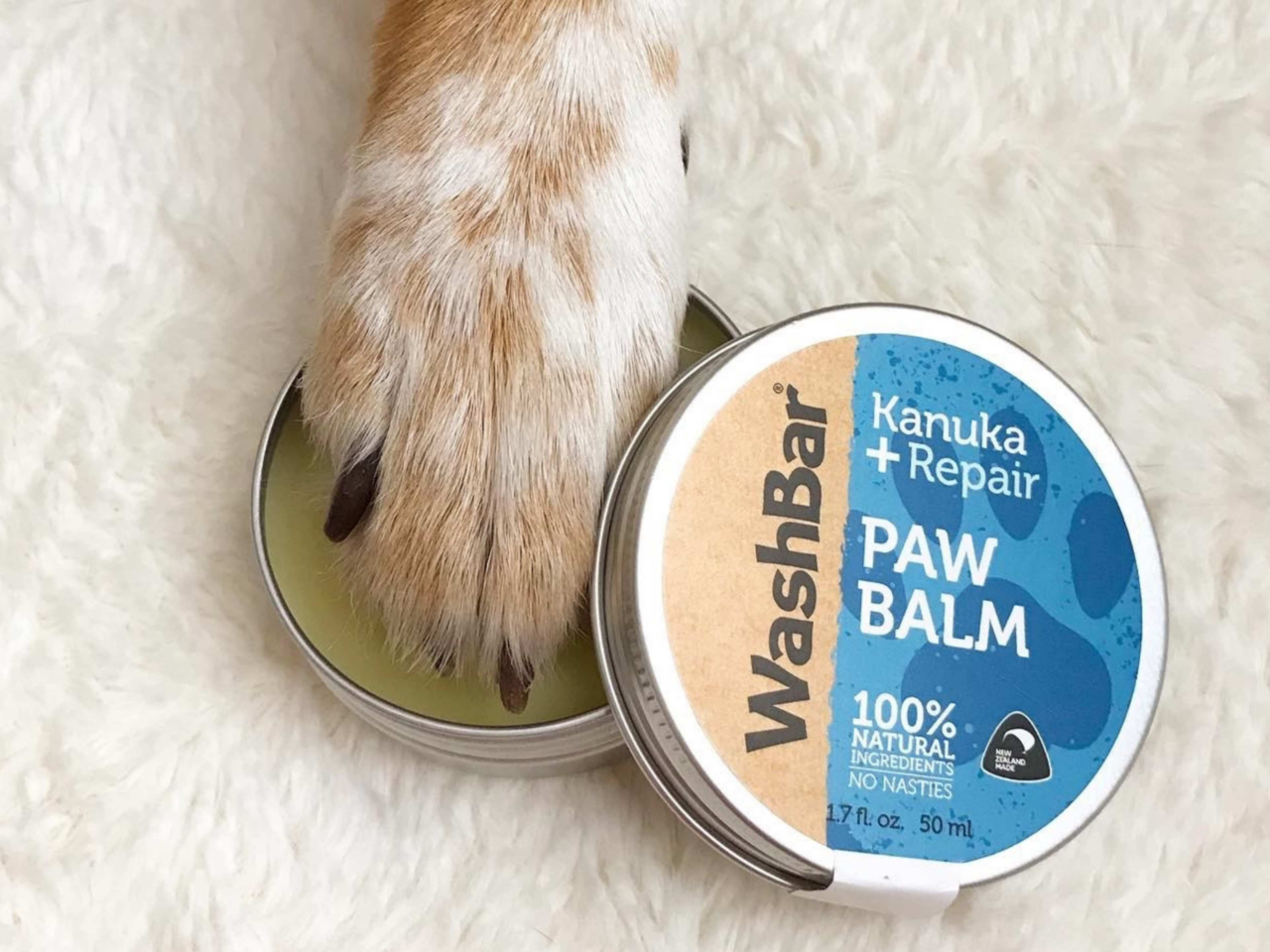
Do not rely on balm to prevent burns or treat injured pads. Avoiding hot surfaces comes first. Painful, damaged or blistered paws need prompt advice from your vet.
What can my dog do instead of a summer walk?
Try a gentle indoor search, familiar training or a supervised puzzle in a comfortable space. Keep the activity relaxed and let your dog rest rather than replacing a walk with strenuous indoor play.
Do cats need protection from hot ground too?
Yes. Check sunny patios, balconies and other resting spots, and keep a cooler indoor space and fresh water available. Limit outdoor access when comfortable surfaces are not available.
Related reading

Plan a gentler day for paws
Choose comfortable surfaces first. Paw-care essentials can support everyday care, but they do not make hot ground safe.
Explore paw and nail care