Travelling With Pets: Keeping Them Cool & Hydrated on the Road
A summer road trip with your dog or cat needs more than a packed boot. Your pet needs a comfortable, secure place in the vehicle, fresh water when you stop and a plan that can change if the weather becomes too warm.
Use this guide to prepare for the drive, choose sensible rest stops and settle in at your destination. Keeping the journey manageable matters more than covering a set distance.
Quick answer
Keep your pet secured in a suitable carrier or dog travel restraint, cool the vehicle before loading and plan safe stops where you can offer fresh water. Never leave a pet unattended in a parked vehicle. Shorten, postpone or cancel the trip if you cannot keep your pet comfortable.
Plan the journey around your pet
Choose a route with places where you can park safely, find shade and access drinking water. Check accommodation rules before booking, including whether cats are welcome and where dogs can exercise. Keep extra water within reach rather than buried under luggage.
Allow time for delays and a quieter alternative to a busy beach or roadside picnic area. The conditions at the actual stop matter more than the time on the clock. Hot pavement, exposed car parks and crowded dog areas may make a planned break unsuitable.
For an unfamiliar traveller, begin with short, calm trips before attempting a longer journey. If previous car journeys have caused repeated vomiting or marked distress, discuss that problem with your vet before travelling.
Choose a secure travel setup
A cat should travel in a suitable, secured carrier, not loose on a seat or in someone's arms. Check that the door fastens properly, ventilation openings stay clear and luggage cannot slide into the carrier. Introduce it at home so your cat can explore it before departure.
For dogs, choose a suitable vehicle restraint or secured carrier and follow its fitting instructions. Check the complete setup, including the harness, attachment points and vehicle compatibility. A seat-belt attachment alone is not a complete restraint, and a product name does not establish crash protection.
Browse cat carriers and dog travel restraints for the different setups. Select the carrier size for your pet, and check the restraint's instructions rather than assuming every option fits every vehicle.
Keep the vehicle comfortable
Cool the interior before loading your pet and maintain a comfortable cabin during the drive. Check that cooled air reaches their position, not just the front seats. Keep bedding light, avoid blocking ventilation and keep your pet away from direct sun where possible.
Do not let a dog lean out of an open window. A cracked window or a shady parking space does not make leaving a pet in a parked vehicle safe. Arrange errands so someone can stay with your pet outside the vehicle in a suitable place, or leave your pet at home.
Cooling accessories are not a substitute for a safe cabin temperature, supervision or changing your plans. Never depend on a cooling mat to make a parked vehicle safe.
Offer water at safe stops
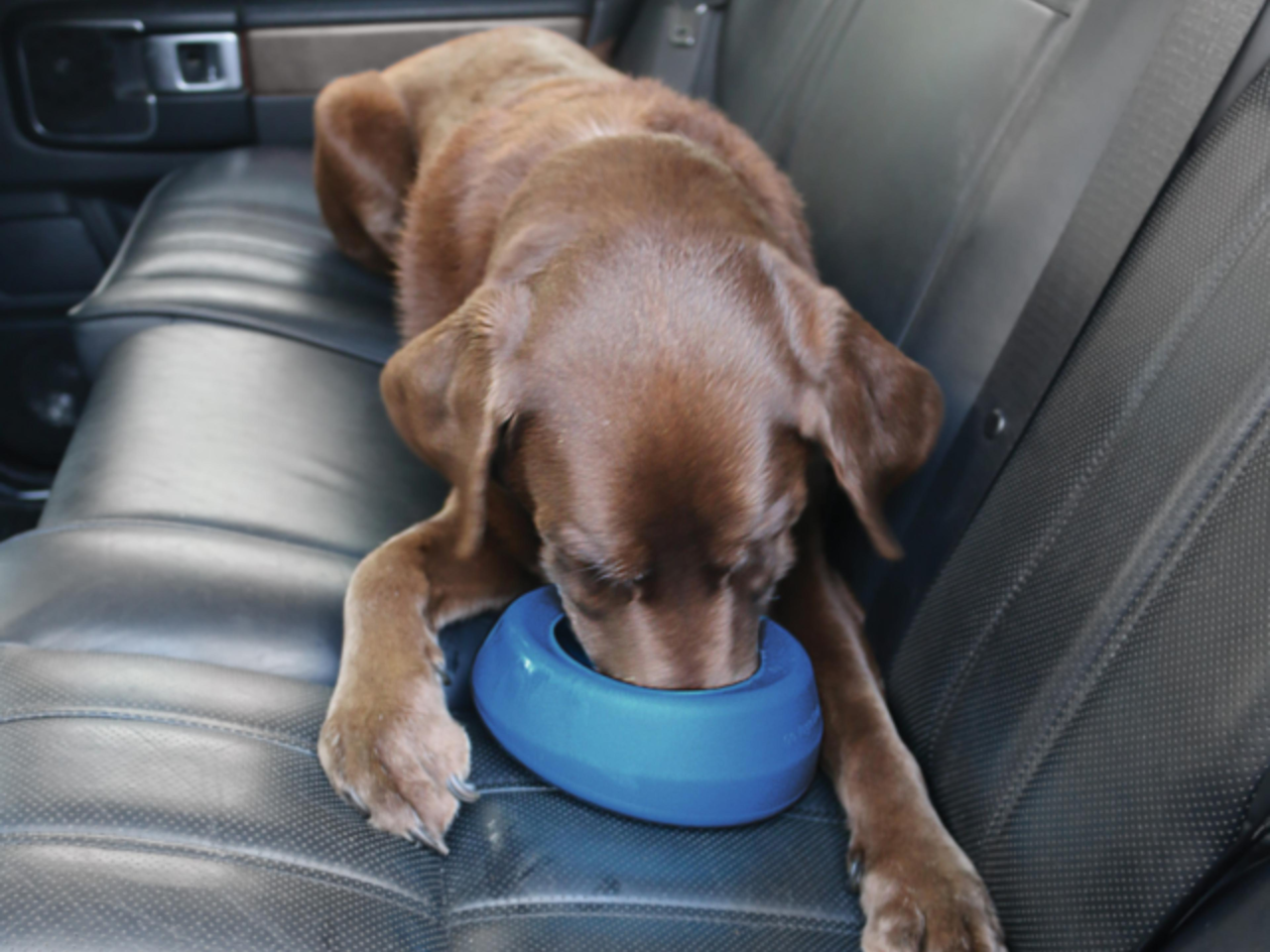
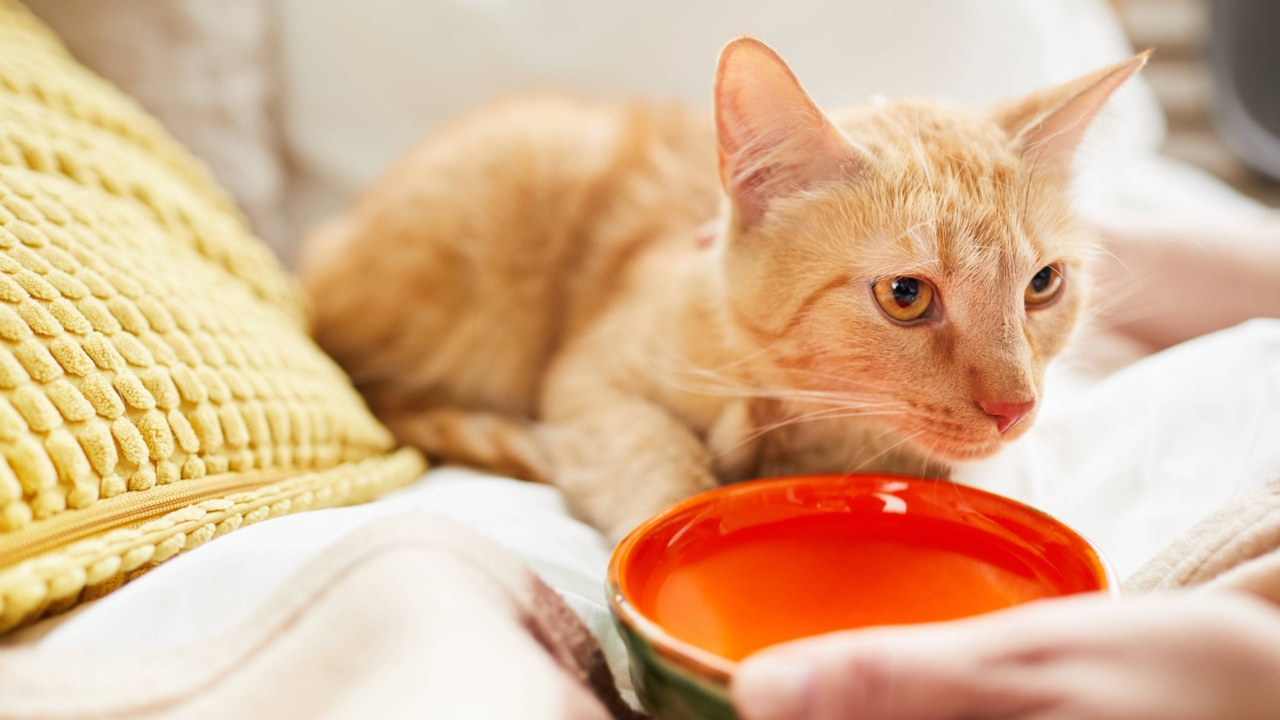
Bring fresh water and a clean bowl your pet recognises. Once safely parked, offer water in a calm spot and give your pet time to choose to drink. Do not force water or tip it into their mouth. A passenger can monitor your pet during the drive, but the driver must stay focused on the road.
A collapsible travel bowl packs away between stops. Compare travel bowls and water bottles by how easily you can fill, clean and carry them. These are water-access tools, not treatments for dehydration.
Keep a dog on lead and check the ground before stepping out. For cats, offer a quiet break while keeping them securely contained. Do not open the carrier beside an open vehicle door or let a cat loose at a roadside stop.
Know when to stop the journey
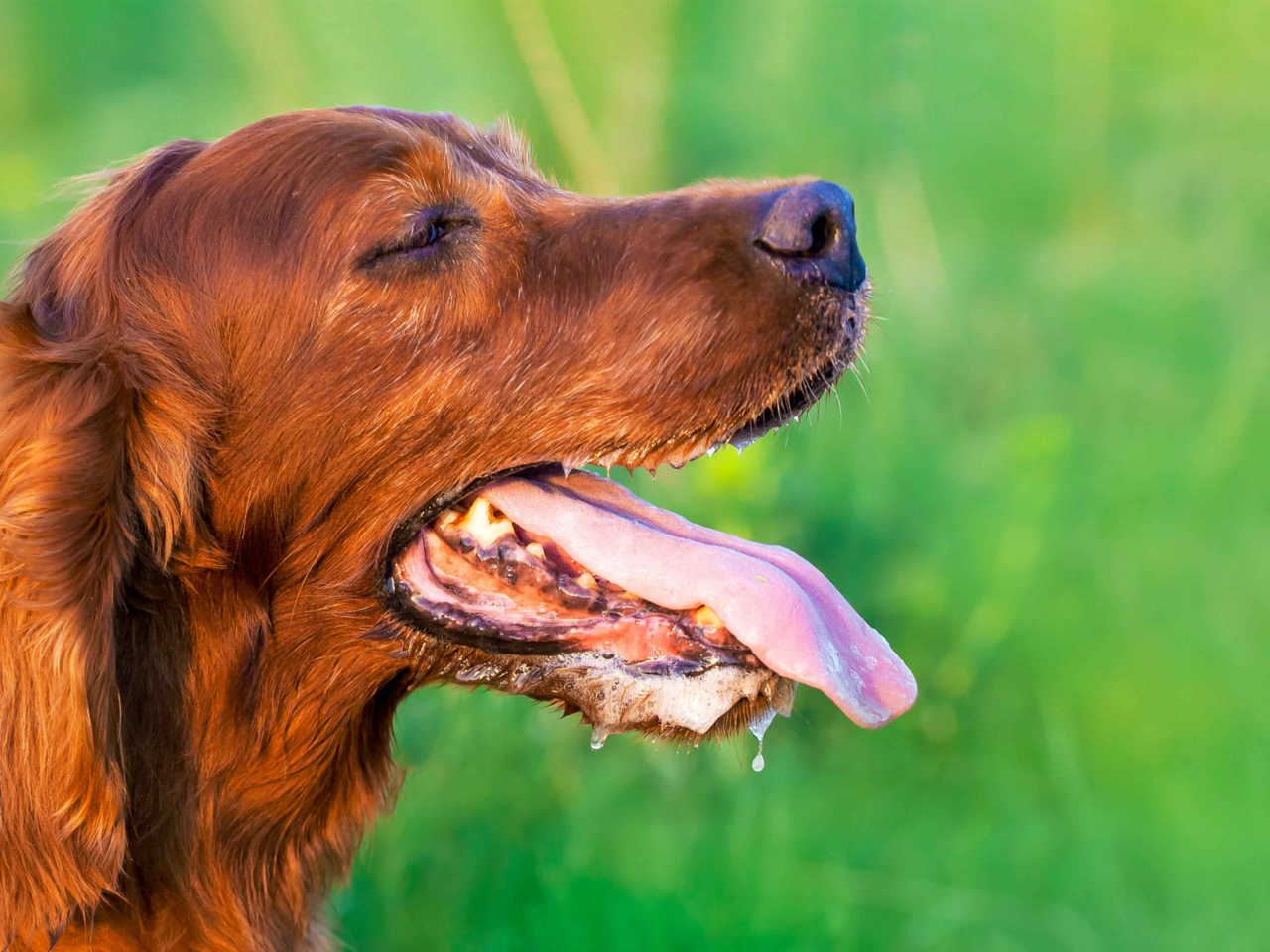
Watch for unusual or excessive panting, heavy drooling, weakness, breathing difficulty or collapse. These signs need attention, not another stretch of driving. A pet who seems unwell may need help even if water is available.
If you suspect heatstroke, stop safely, move your pet into shade or a cool room and contact your vet immediately. Begin cooling with cool tap water, keeping it away from the nose and mouth, and use airflow. Offer water without forcing it. Do not wrap your pet in wet towels.
For related warning signs, read signs of dehydration in dogs and cats. Accessories and a rest break are not a substitute for urgent help.
Settle in before heading out again
On arrival, set up fresh water and a quiet resting space before unpacking everything else. Check doors, gates and unfamiliar outdoor areas before allowing your pet to explore. Keep cats securely indoors in their new accommodation.
Let your pet rest rather than moving straight from the car into energetic play. Check local dog-access rules before visiting a beach, lake or walking track, and keep a shorter, quieter outing as your backup plan.
Frequently asked questions
How often should we stop on a summer road trip?
Plan flexible breaks around your pet, the conditions and safe stopping places rather than following one fixed interval. Stop sooner if your pet seems uncomfortable, and do not continue a journey you cannot keep comfortable.
Can I leave my pet in the car while I buy something?
No. Arrange your stop so your pet is not left unattended in the vehicle. Open windows, shade and cooling accessories do not make that a safe plan.
What if my pet will not drink at a stop?
Offer fresh water in a familiar bowl in a quiet setting, without forcing it. If refusal comes with weakness, vomiting, breathing changes or other signs of illness, contact your vet promptly.
Should a cat come out of its carrier during a break?
Not beside the road or an open vehicle door. Keep your cat securely contained. Any longer break needs a quiet, escape-proof setting, not an unfamiliar open rest area.
Is a dog seat-belt clip enough on its own?
No. Check which harness or other equipment the attachment requires and follow the complete system's instructions. Confirm fit and vehicle compatibility before departure.
What should I pack within easy reach?
Pack fresh water, a clean bowl, your pet's usual food, a lead or secure carrier, clean-up supplies and familiar bedding. Keep identification details current and carry any prescribed medicines your pet already needs.
Related reading

Prepare for a calmer summer journey
Choose travel equipment that suits your pet and vehicle, then practise the setup before departure.
Explore pet travel essentials