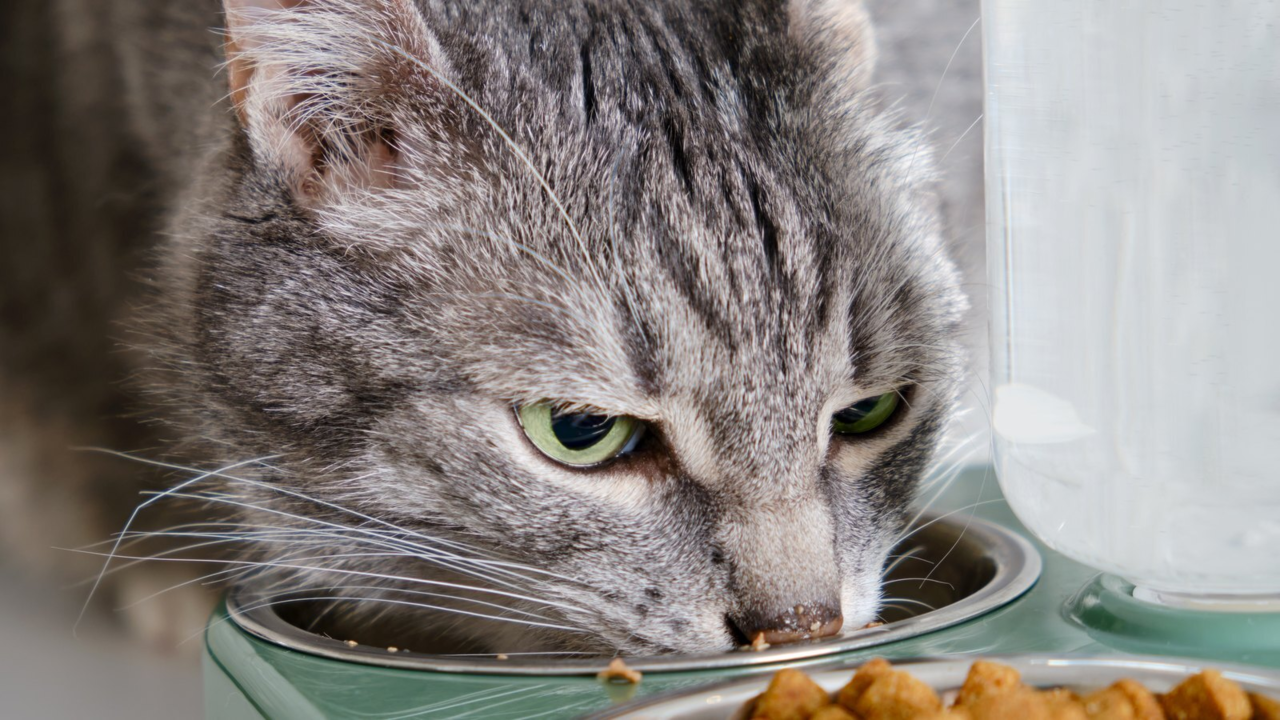
Senior cats often prefer steady routines, including what appears in their bowl. A cat-specific probiotic can be one part of a thoughtful digestion routine, but it works best alongside complete food, good hydration, gradual food changes and close attention to the litter tray.
Quick answer
Probiotics are live microorganisms included in some supplements to support the balance of bacteria in the digestive tract. Choose a cat-appropriate product, follow its storage and serving directions, and introduce it without changing several other parts of the diet at the same time. A supplement is not a substitute for assessment when an older cat has new or persistent digestive changes.
Probiotics, prebiotics and synbiotics explained
The names sound similar, but they describe different things.
- Probiotics provide live microorganisms in a measured product.
- Prebiotics are fibres or ingredients used as food by certain gut bacteria.
- Synbiotics combine probiotics and prebiotics in one formula.
These products can come as powders, sachets, pastes or capsules. The format matters less than choosing one suitable for cats and using it consistently as directed.
When might a senior cat use a probiotic?
A probiotic may be considered during a food transition, after a disruption to routine or as part of an ongoing digestive support plan. Some products are designed for daily use, while others have specific short-term directions.
Older cats are more likely to have established diets, medications or health plans. If your cat already has a diagnosed condition or takes regular medication, ask your clinic before introducing a new supplement so the full routine can be considered together.
How to choose a probiotic for an older cat
Look for a cat-appropriate product
A product made for cats provides feline serving directions and a format that is easier to mix through a small meal. Do not divide a human supplement by guesswork.
Read the storage directions
Some live cultures need careful storage. Check whether the product must stay cool, dry or refrigerated, and keep the lid or sachet sealed until use.
Check the serving instructions
More is not better. Use the measured amount on the label and note whether it should be given with food, mixed with water or served at a particular frequency.
Keep the rest of the routine stable
When possible, avoid starting a new food, several treats and a supplement on the same day. One change at a time makes your cat's response easier to understand.
Heat can matter
Do not stir a probiotic into hot food unless the label specifically says you can. Allow warmed food to cool, then add the supplement according to its directions.
Probiotic supplements for cats
These available cat and multi-pet options come in easy-to-portion formats. Read each product page and pack carefully, as serving and storage instructions differ.
How to introduce a probiotic without upsetting the routine
- Choose a quiet day when your cat's food and home routine are otherwise familiar.
- Read the label fully, including storage, preparation and serving directions.
- Mix the directed portion into a small amount of familiar food your cat will finish.
- Offer the rest of the meal once the supplement portion has been eaten.
- Keep notes on appetite, stool consistency, frequency and any vomiting.
- Continue only as directed and store the product correctly between servings.
Build the rest of the digestion routine
A probiotic is one small piece of the picture. Senior cats also benefit from predictable meals, gradual diet changes and easy access to fresh water. Wet food can contribute moisture, while clean bowls placed away from busy walkways can make drinking more appealing.
Keep litter trays easy to reach and scoop them often. Tracking changes is much harder when several cats share one tray, so provide enough clean options to help you notice who is using them and what is normal for each cat.
Digestive red flags in a senior cat
Contact your clinic promptly if your older cat has repeated vomiting, blood or black material in stool, straining without passing stool, a swollen or painful belly, marked tiredness, refuses food or water, or shows a sudden change that does not settle. Senior cats can become unwell quickly, so do not rely on a supplement to cover a new symptom.
Frequently asked questions
Can senior cats take probiotics?
Many probiotic products are suitable for adult and senior cats. Choose a feline-appropriate option and follow its label. Check with your clinic first if your cat has an existing condition or takes regular medication.
How long do cat probiotics take to work?
Timing varies by product and by the reason it is being used. Follow the stated course and assess the overall pattern rather than expecting an immediate change after one serving.
Can I give my cat a human probiotic?
Do not improvise with a human product. Cat supplements provide feline serving directions and ingredients in an appropriate format.
Can I mix probiotic powder into wet cat food?
Usually, if the product directions allow it. Mix the measured portion into a small amount of familiar food and avoid adding it while the food is hot.
What is the difference between a prebiotic and a probiotic?
A probiotic provides live microorganisms. A prebiotic provides ingredients used by certain gut bacteria. A synbiotic combines both.
Should I change my cat's food at the same time?
Unless your clinic has given a specific plan, one change at a time is easier to track. If food needs to change, transition gradually according to the feeding guide.
Does a probiotic replace treatment for diarrhoea or vomiting?
No. New, repeated or severe symptoms in a senior cat need prompt assessment. A supplement should not delay care.
Support their next chapter
Explore cat digestive care, then visit The senior scoop for more practical guides to life with an older cat.
SHOP CAT DIGESTIVE HEALTHRelated reading
Digestive Health for Senior Cats
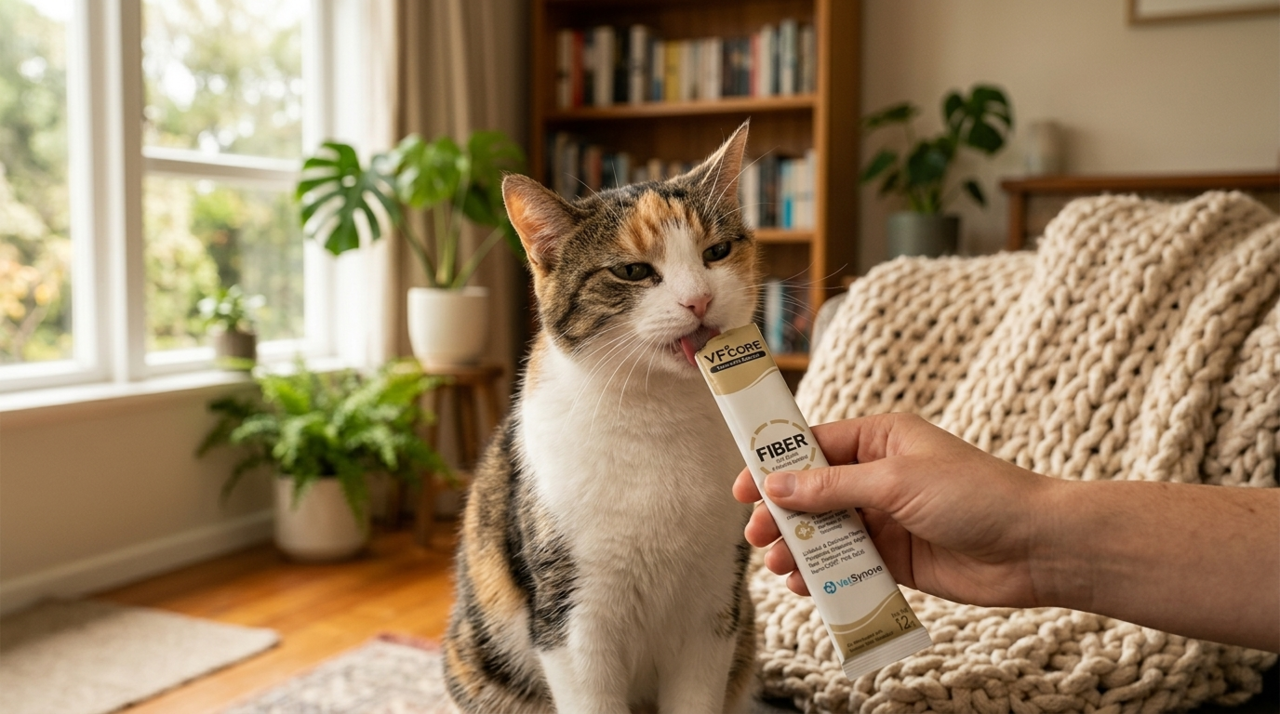
Senior Cat Supplements: A Practical NZ Guide
Appetite Patterns in Older Cats
Why Hydration Is Critical for Senior Cats
Hydration Tips for Senior Cats and Dogs
Understanding Cat Digestion