Just like us, our cats rely on a well-functioning digestive system to stay healthy and happy. But unlike us, our feline friends can’t tell us when something feels off in their tummies. That’s why it’s so important to know what signs to watch for when it comes to cat digestion. From litter box clues to changes in appetite, your cat’s digestive system can offer valuable insight into their overall wellbeing. At Petdirect, we get pet, and we’re here to help you feel confident reading between the feline lines.
How A Cat’s Digestive System Works
Cats are obligate carnivores, which means their bodies are designed to break down meat quickly and efficiently. Digestion starts the moment they chew (or swallow whole, as many do), with enzymes in their saliva kicking things off before food moves through the small intestine for nutrient absorption and then the large intestine for waste elimination.
When everything is working smoothly, your cat should have regular, well-formed stools, a healthy appetite, and high energy. But even minor imbalances in diet, hydration, or gut flora can cause issues.
Key Signs Your Cat Might Have Digestive Upset
Your cat’s behaviour or litter box habits are often the first indicators of digestive trouble. Look out for these common signs:
- Vomiting or diarrhoea: Occasional hairballs are normal, but frequent vomiting or loose stools can signal something more serious.
- Constipation: Watch for signs your cat is straining to go or going less often than usual.
- Loss of appetite: If your foodie feline suddenly snubs their favourite food, it’s time to take note.
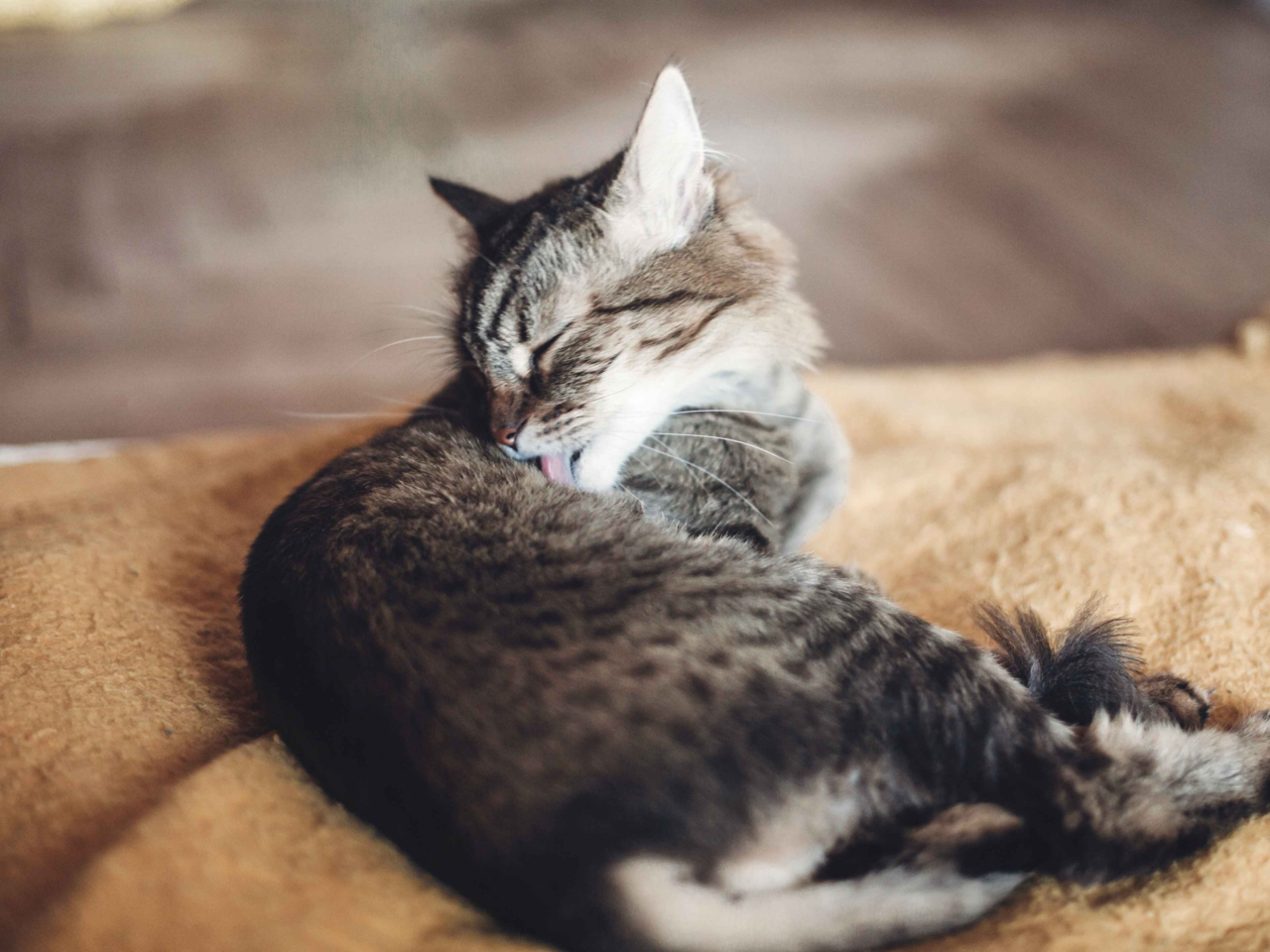
- Excessive licking of the abdomen: Cats with tummy pain often groom their bellies more than usual.
- Weight loss: Gradual or unexplained weight loss could be linked to improper nutrient absorption.
If your cat is showing any of these symptoms for more than a day or two, it’s best to check in with your vet to rule out underlying conditions such as intestinal parasites or inflammatory bowel disease.
Common Causes Of Digestive Issues In Cats
Digestive issues in cats can be triggered by a variety of culprits, including:
- Sudden diet changes: Changing foods too quickly can upset your cat’s tummy. Always transition gradually.
- Low-quality or unsuitable food: Cats need a diet rich in protein and moisture. Some may also benefit from digestive health support.
- Hairballs: Long-haired breeds or frequent groomers are prone to hairball build-up that can affect gut flow.
- Stress or anxiety: Cats are sensitive souls. A sudden change in environment, routine, or even a new furry friend can lead to gut-related symptoms.
- Parasites: Worms can wreak havoc on digestion and are more common than many pet parents realise. Regular use of worm treatments is important.
How To Support Healthy Digestion In Cats
Keeping your cat’s digestive system in tip-top shape is easier when you focus on a few key areas:
Select The Right Diet
Choose high-quality cat food made with premium, easily digestible ingredients. Look for options like Royal Canin, Hill's Science Diet, or Pro Plan which offer life stage- and condition-specific formulas.
Some cats benefit from a little extra support like digestive toppers or probiotics that help promote a healthy balance of gut bacteria.
Encourage Hydration
A well-hydrated cat has a smoother digestive process. If your cat isn’t a big drinker, consider a cat water fountain to encourage them to sip more throughout the day.
Keep Feeding Times Consistent
Cats thrive on routine. Feeding your cat at the same times each day helps regulate their digestive rhythm.
Support A Stress-Free Environment
Stress can quickly upset a cat’s gut. Feliway diffusers and calming aids can help reduce anxiety and keep your cat’s digestive system balanced.
When To See A Vet
While many digestive issues can be managed at home with care and nutrition, persistent signs like blood in the stool, ongoing vomiting, or noticeable weight loss should always be checked by your vet. For more serious concerns, your vet might recommend a vet-prescribed diet tailored to support digestive health.
Let Your Cat Feel Their Best From The Inside Out
Your cat’s tummy health is a big part of their overall wellbeing, and with the right nutrition, routine, and TLC, they’ll be purring along happily. Whether you’re looking for gentle digestive support, a gut-friendly food, or just peace of mind, Petdirect is here to help you decode those kitty cues. Because We Get Pet – and we’re here for every purr, paw, and belch along the way.
Explore our top-rated picks to support healthy digestion or join our Pet Perks loyalty programme to start earning rewards while looking after your floofy friend.