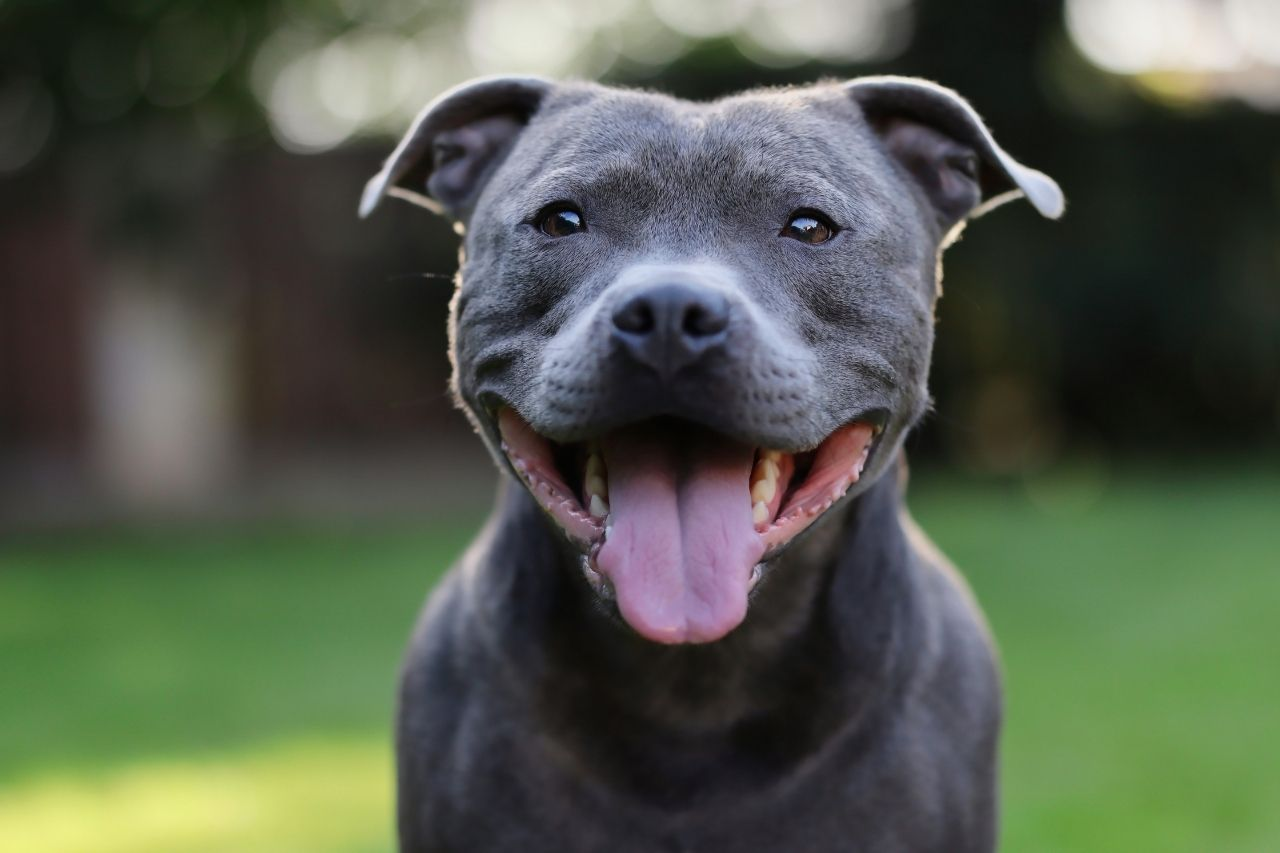
Few breeds combine the loyalty, energy and sheer enthusiasm of a Staffordshire Bull Terrier. Staffies have an enormous heart, a real love for their people, and a powerful drive to be part of the action. They're also clever, food-motivated and quick learners, which makes training one of the most rewarding things you can do with one , as long as you understand how a Staffy's brain actually works.
This is a practical NZ guide to training your Staffordshire Bull Terrier, covering the core skills, the breed quirks worth knowing, and the gear that makes life easier on both ends of the lead.
Quick answer
Train a Staffy with short, upbeat sessions, high-value rewards, and clear consistency. Build attention and recall from day one, redirect mouthing and chewing onto chew toys rather than punishing, and use a well-fitted harness with reward-based loose lead training rather than corrective gear. Channel their energy into structured exercise and brain games each day. Staffies are very people-focused, so the more you can train alongside calm everyday life, the better the results.
What Makes a Staffy Different to Train?
Staffies aren't difficult dogs , but they are intense ones. Knowing what's typical of the breed will help you set training up for success rather than fighting against their natural style.
Very people-focused
Staffies want to be with you. They thrive on interaction and connection, which is brilliant for training because your praise and attention are some of the most valuable rewards you have. They also struggle more than most breeds with being left alone for long stretches.
Highly food-motivated
Most Staffies will work hard for a small piece of chicken or liver. This makes positive reinforcement training very effective, but also means weight gain can creep up quickly. Use small, low-calorie training treats and factor them into the daily food allowance.
Powerful and strong-jawed
Staffies have impressive grip strength and enjoy using it. That's a fact, not a problem , but it does mean you need durable chew toys, a harness that won't break under pressure, and a tug toy that can stand up to a proper game.
Excitable greeters
Staffies tend to greet anything they like with their whole body. Jumping up, wiggling, mouthing , it's enthusiasm, not aggression. Training calm greetings early avoids problems with visitors, children, and other dogs later on.
Energetic but trainable
They need real exercise , at least an hour a day for an adult , but they also respond well to structured training. A tired Staffy is a much easier Staffy. Combining physical exercise with brain work is more effective than long walks alone.
Sensitive to harsh handling
Despite the muscular look, Staffies are sensitive dogs. They shut down or get reactive under harsh correction. Reward-based training is far more effective and gives you a happier, more confident dog at the other end of the lead.
The Core Skills to Build First
1. Engagement and name response
Before any "sit" or "down", build a habit of your Staffy looking to you when you say their name. Practise this in calm settings first, then with mild distractions, then in busier environments. A reliable name response is the foundation of every other skill.
2. Reward markers and the clicker
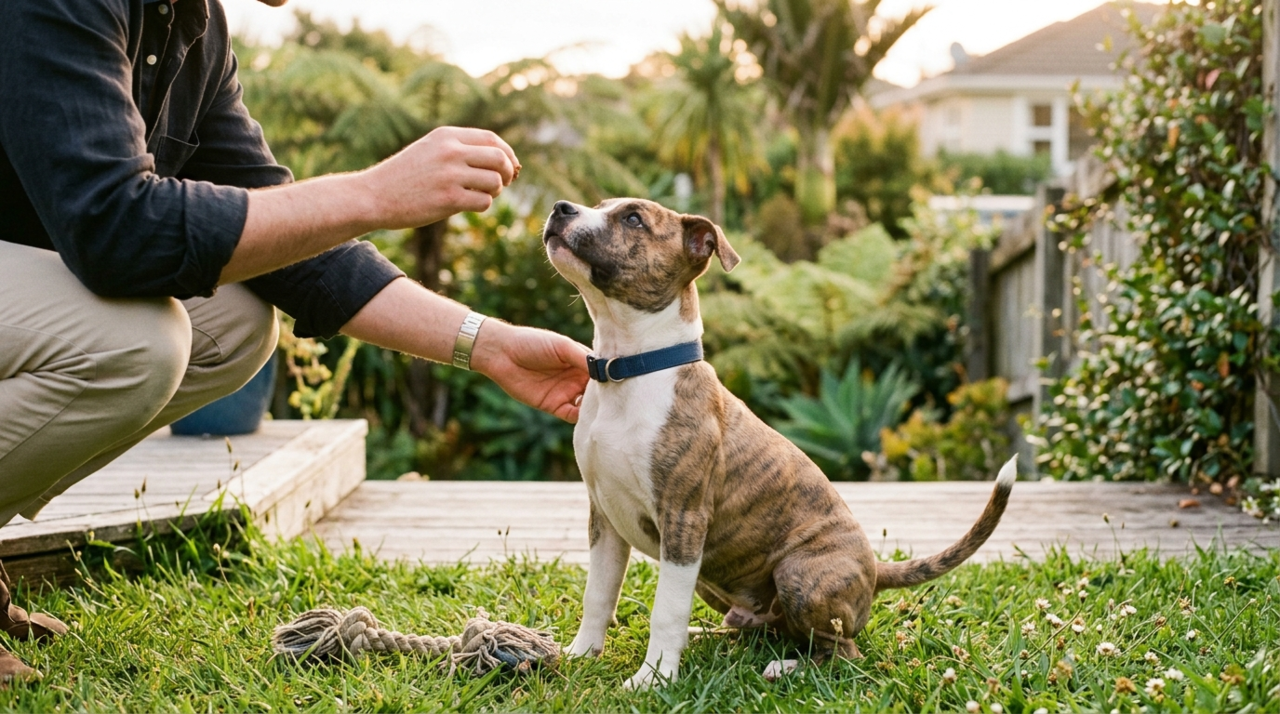
A clear marker , a clicker or a consistent word like "yes" , tells your dog the exact moment they did the right thing. Staffies pick this up quickly, and it makes the rest of training a lot faster. Charge the marker by clicking and treating a few dozen times until your dog reacts to the click itself.
3. Loose lead walking
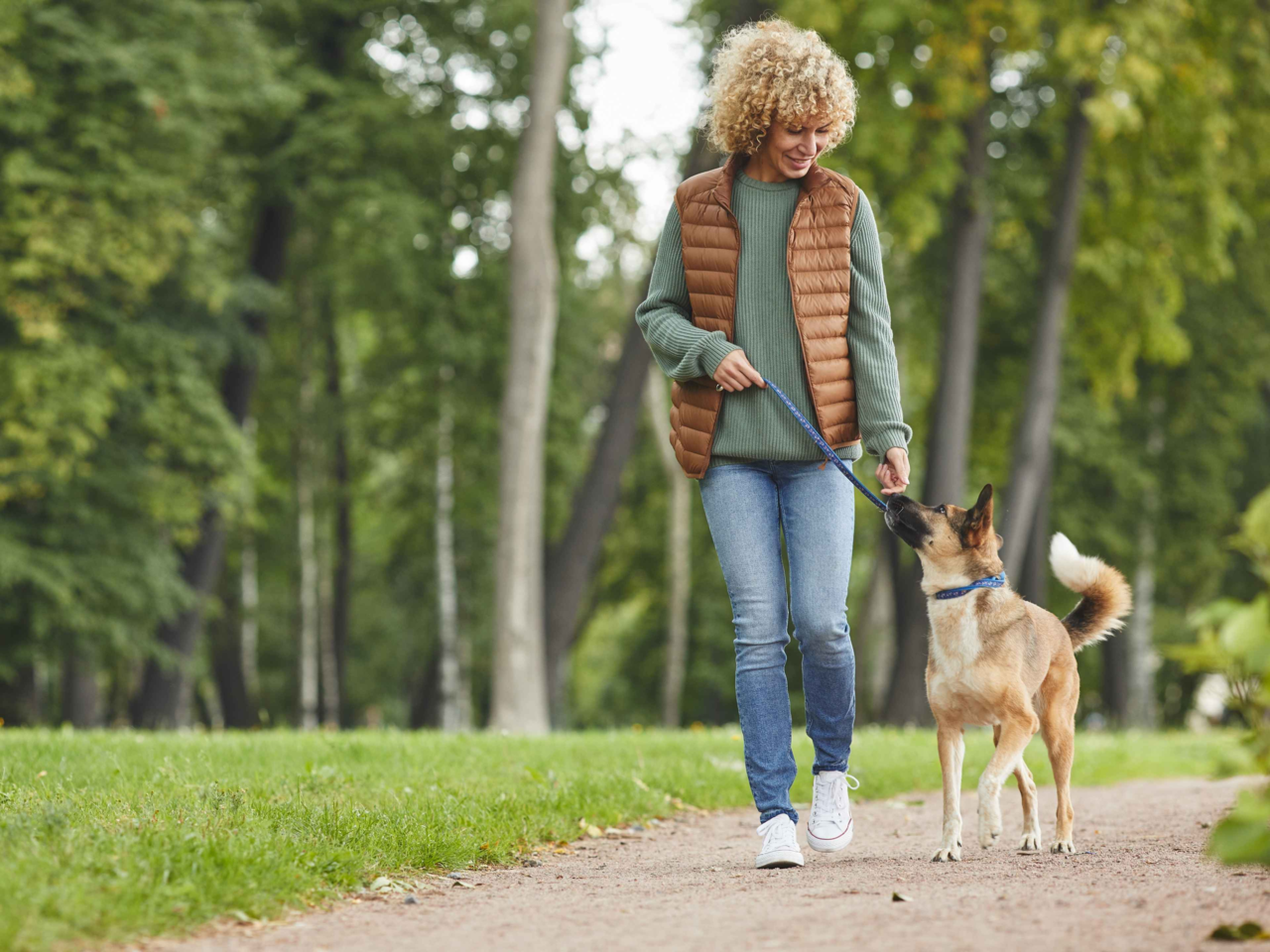
A Staffy who pulls is hard work, and they're strong enough to make it difficult fast. Start lead training before walks become exciting (so in the back garden, not heading to the park). Reward generously for walking by your side, change direction when they pull, and use a well-fitted harness with a front clip if you need extra steering help.
4. Recall
Build recall first in low-distraction spaces with great rewards (real chicken, liver, cheese). Use a long line in open areas before going off-lead. Never call them and then do something they'd rather avoid , recall should always pay better than whatever they're sniffing.
5. Calm settle
Many Staffies struggle to settle on their own , they're so people-focused they want to be in the action. Teach a "settle on the mat" cue with a chew toy or lick mat. This gives you a way to manage excitement when visitors arrive, you're eating, or you need them to be calm.
6. Drop and leave it
A Staffy with something in their mouth doesn't always want to give it up. Practise "drop" with low-value items first, swapping for something better, and build up. "Leave it" prevents them from picking up the next thing. Both are non-negotiable skills for safety.
Training Tools Worth Having
Lead and Harness for a Staffy
Staffies are strong, low-slung dogs with a thick neck and a deep chest. A flat collar alone usually isn't enough for walks because if they lunge, the pressure goes straight onto the trachea. A well-fitted Y-shaped harness is much more comfortable and gives you better control.
Avoid these for a Staffy
Some gear is best left for other breeds:
- Slip leads and choke chains apply pressure to the trachea and can make a strong-pulling Staffy worse, not better.
- Prong collars aren't necessary for a breed that responds so well to reward-based training.
- Extendable leads on a strong dog can mean nasty injuries if your Staffy lunges. Stick to a fixed lead for everyday walking, with a long line for recall practice in safe spaces.
Channel the Energy: Chew, Tug, Puzzle
A Staffy who hasn't exercised their body and brain is a Staffy who will find their own entertainment, and that usually means your skirting boards. Daily enrichment isn't a treat , it's a training tool.
Chew toys built for power
Staffies love to chew, so you want toys that can take the workout. Nylabone Power Chew, KONG Extreme and Benebone are the trio worth knowing , durable, long-lasting, and far better for their teeth than household objects.
Tug toys for play training
A short, controlled tug game is one of the best rewards you can give a Staffy. Teach a "drop" cue mid-game and you've got an outstanding training tool. West Paw's Zogoflex range and durable rope toys both work well for this.
Puzzle feeders and lick mats
Slow-feed puzzles and lick mats give the brain a workout while solving the "calm settle" problem. A frozen lick mat after a walk is brilliant for winding down. Nina Ottosson puzzles and LickiMat are the easy starting points.
Snuffle mats
Sniffing is mentally tiring in a good way. A 10-minute snuffle mat session can take the edge off a Staffy who's bouncing off the walls indoors on a wet NZ winter day.
Common Staffy Training Challenges
Jumping up to greet
Staffies love to say hello with their whole body. Teach a "four paws on the floor" rule from puppyhood: rewards only happen when they're calm and grounded. Ignore the jump, reward the moment they settle. Consistency from everyone in the house is the key.
Pulling on the lead
Strong dog, strong puller. The combination of a front-clip harness, a high reward rate for walking next to you, and lots of direction changes works better than corrections. Practise in calm spaces first , you can't train loose lead walking in a place your Staffy finds too exciting to focus.
Mouthing and play biting
Common in puppies and adolescents. Always have a chew toy ready to redirect onto. If teeth touch skin, the game ends. Never use your hands as the toy, and avoid wrestling games that encourage them to use their mouth on you.
Over-excitement around other dogs
Lots of Staffies are wildly friendly and want to play with every dog they see. That can look like reactivity on lead even when it isn't. Train calm passes at a distance first, reward focus on you when another dog is in view, and build up gradually.
Resource guarding
Some Staffies guard food, chews or beds. The fix isn't taking things away to "teach" them , that makes guarding worse. Trade up: approach with something better, ask them to drop, give the better thing. Build a habit that hands coming near means good things happen.
Separation distress
Their people-focused nature means many Staffies struggle when left alone. Build up time alone gradually from a young age, leave a long-lasting chew or stuffed lick mat, and avoid making big dramatic departures and arrivals.
A Sample Daily Routine for a Staffy in Training
Morning
10-15 minute walk to start the day, focus on loose lead practice. Breakfast served in a slow feeder or scattered in a snuffle mat. Five-minute training session with high-value treats while you have your coffee.
Midday
A frozen lick mat or KONG stuffed with their lunch portion. Calm settle on the mat while you work or eat lunch. Short "find it" game indoors using kibble or treats hidden around a room.
Afternoon
Main walk of the day , 30-45 minutes including sniff time, recall practice on a long line if you're in a safe space, and some focused heelwork. Off-lead play with a calm dog friend is gold if it's an option.
Evening
Five-minute trick training session, a tug game with a "drop" cue mixed in, then chew time on a Nylabone or Benebone while the family relaxes. Bed in a quiet spot where they can wind down properly.
Frequently Asked Questions
Are Staffies hard to train?
Not at all , they're clever, food-motivated and very keen to please. They can be challenging if their energy and enthusiasm aren't channelled, but with consistent positive training and enough enrichment, most Staffies learn quickly.
When should I start training a Staffy puppy?
From the moment they come home. Puppies are absorbing information whether you're "training" or not, and the easiest time to build good habits is before bad ones take hold. Keep sessions very short (a few minutes), positive, and end on a win.
How much exercise does a Staffy need?
Adult Staffies need at least an hour of real exercise a day, plus mental enrichment. Puppies need less but more often , short bursts spread through the day. Mental work counts as exercise too: 10 minutes of training or a stuffed puzzle feeder is genuinely tiring.
What's the best harness for a Staffy?
A Y-shaped, well-padded harness that doesn't restrict the shoulders. The EzyDog Chest Plate, EzyDog Convert and EzyDog Formfit Mesh are all popular options for the breed because they handle the chest depth and don't slip off. Front-clip points help with pulling.
Why does my Staffy chew everything?
Chewing is normal Staffy behaviour, especially in puppies and adolescents. Provide plenty of appropriate chews , Nylabone, KONG Extreme, Benebone , and rotate them so they stay interesting. Manage the environment so household items aren't in reach when you can't supervise.
Are Staffies good with kids?
Staffies have a long-standing reputation as family dogs and many are wonderful with children. The same enthusiasm that makes them so loving can knock small kids over though, so train calm greetings, supervise interactions, and teach children how to interact respectfully too.
Can I train a Staffy off-lead?
Many Staffies can be brilliant off-lead with good recall, but build it carefully. Use a long line in open spaces while recall is still in progress, reward generously, and choose your off-lead environments based on what your dog can actually handle, not what you'd like them to handle.
Training Gear for Your Staffy
Browse durable chew toys, well-fitted harnesses, training treats and enrichment puzzles built for strong, smart dogs. Save with Autodeliver on training treats and chews, and enjoy everyday member pricing as part of Pet Perks. Learn more about your breed on the English Staffordshire Bull Terrier breed page.
SHOP TRAINING ESSENTIALS