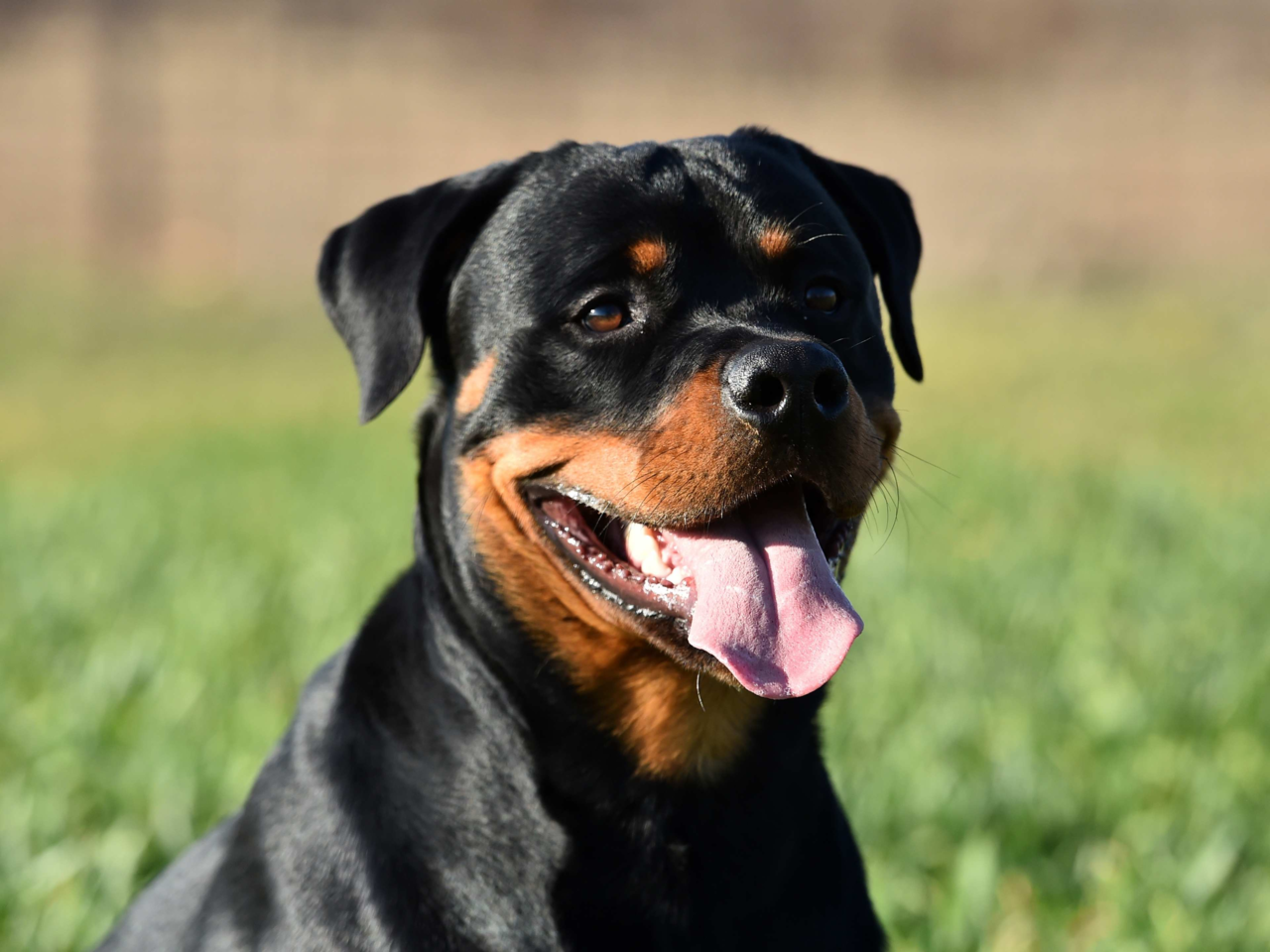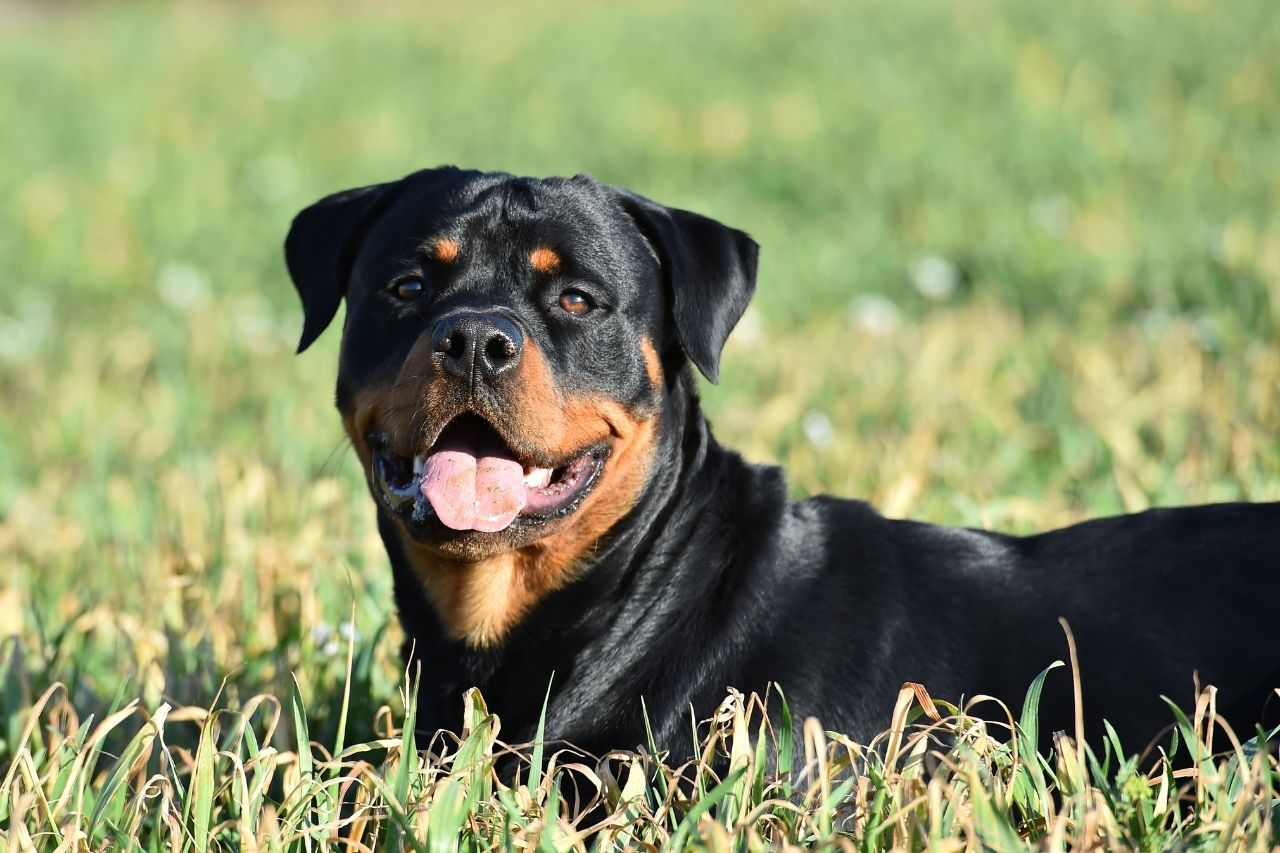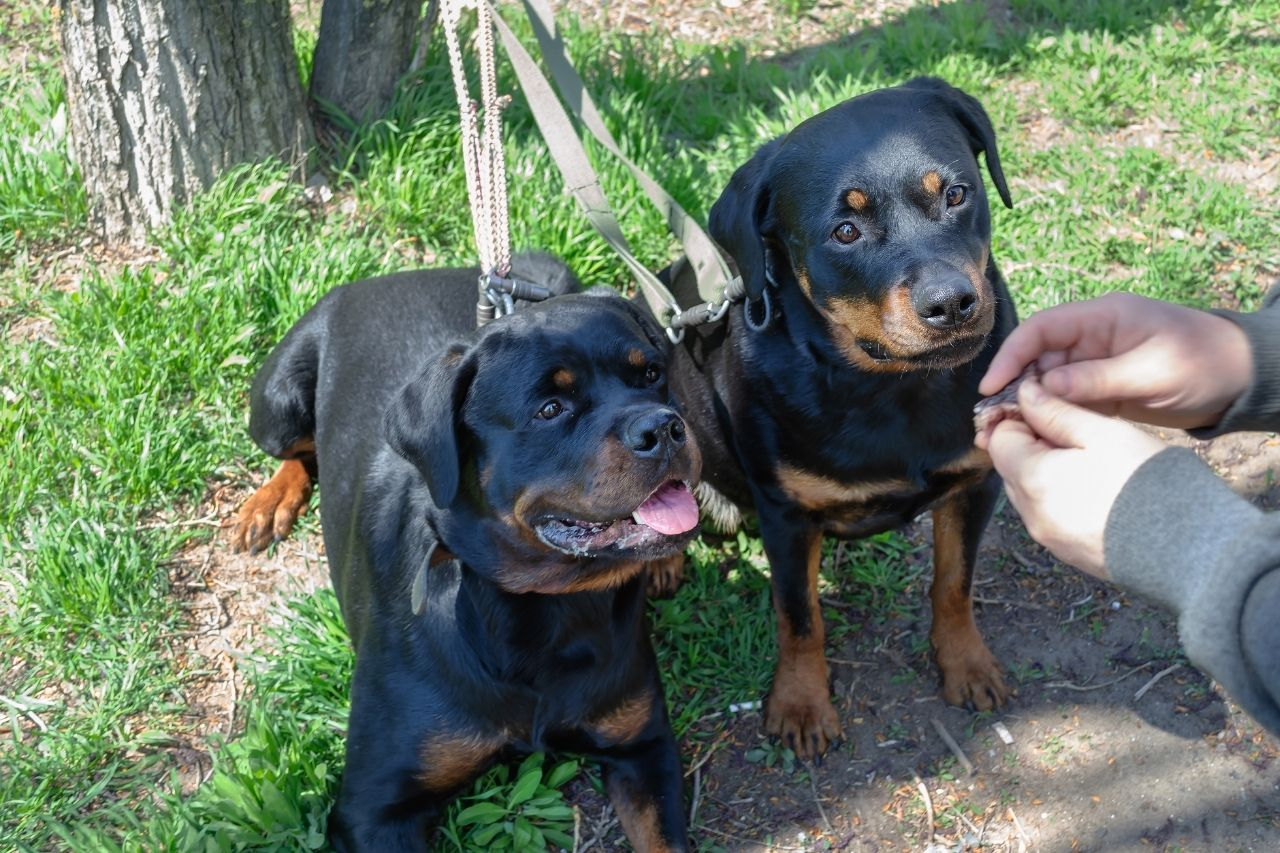
Rottweilers are powerful, clever, loyal dogs with a reputation that doesn't quite match who they usually are at home. A well-trained Rottweiler is one of the most confident and well-mannered family dogs you'll meet. A poorly trained one can be a handful, simply because of their size and drive.
Training a Rottweiler is not about dominance or tough love. It's about starting early, being consistent, and giving them a clear job to do. This guide covers what Rottweilers are like to train, the commands to focus on first, and the gear that makes training smoother at every stage.
Understanding the Rottweiler
Working dog at heart
Rottweilers were bred to herd cattle and pull carts. They love having a job, responding to cues, and doing things with their humans. Training works with this instinct, not against it.
Big and strong
Adult Rottweilers weigh 35 to 60kg. Manners need to be in place before that size arrives. A 6-month-old jumping up is cute for about a week. At 12 months, it's a problem.
Smart and quick to learn
Rottweilers pick things up fast, which is great but also means they can learn unwanted habits just as quickly. Consistency from day one pays off.
Loyal and attached
They form strong bonds and are typically gentle with their family. That loyalty is a strength in training, since they genuinely want your approval.
Protective instincts
Natural watchdog behaviour kicks in around 6 to 12 months. Good socialisation before this phase helps them tell the difference between a stranger at the door and a genuine threat.
Independent thinkers
Rotties can be a little stubborn. They respond well to clear, fair training and less well to nagging. Ask once, mean it, reward generously when they get it right.
When to Start Training Your Rottweiler
The answer is: as soon as they come home. Rottweilers can start gentle training from around 8 weeks old, starting with their name, basic manners, and early socialisation.
8 to 12 weeks: foundations
Name recognition, gentle handling, crate training, toilet training, and meeting new people, dogs, sounds and surfaces in calm, controlled ways. Short 3 to 5 minute sessions.
3 to 6 months: basic commands
Sit, down, stay, come, leave it and loose-lead walking. Puppy class is a good idea. This is prime socialisation time, so make the most of it.
6 to 12 months: adolescence
Rottweilers hit their teens. Expect some testing and a bit of selective hearing. Stay consistent, keep training fun, and don't let bad habits establish.
12+ months: refine and advance
By one year, your Rottie should have a solid grasp of basics. Now's the time for proofing behaviours in more environments, adding advanced cues, and keeping their brain busy.
The Core Principles of Training a Rottweiler
Positive reinforcement
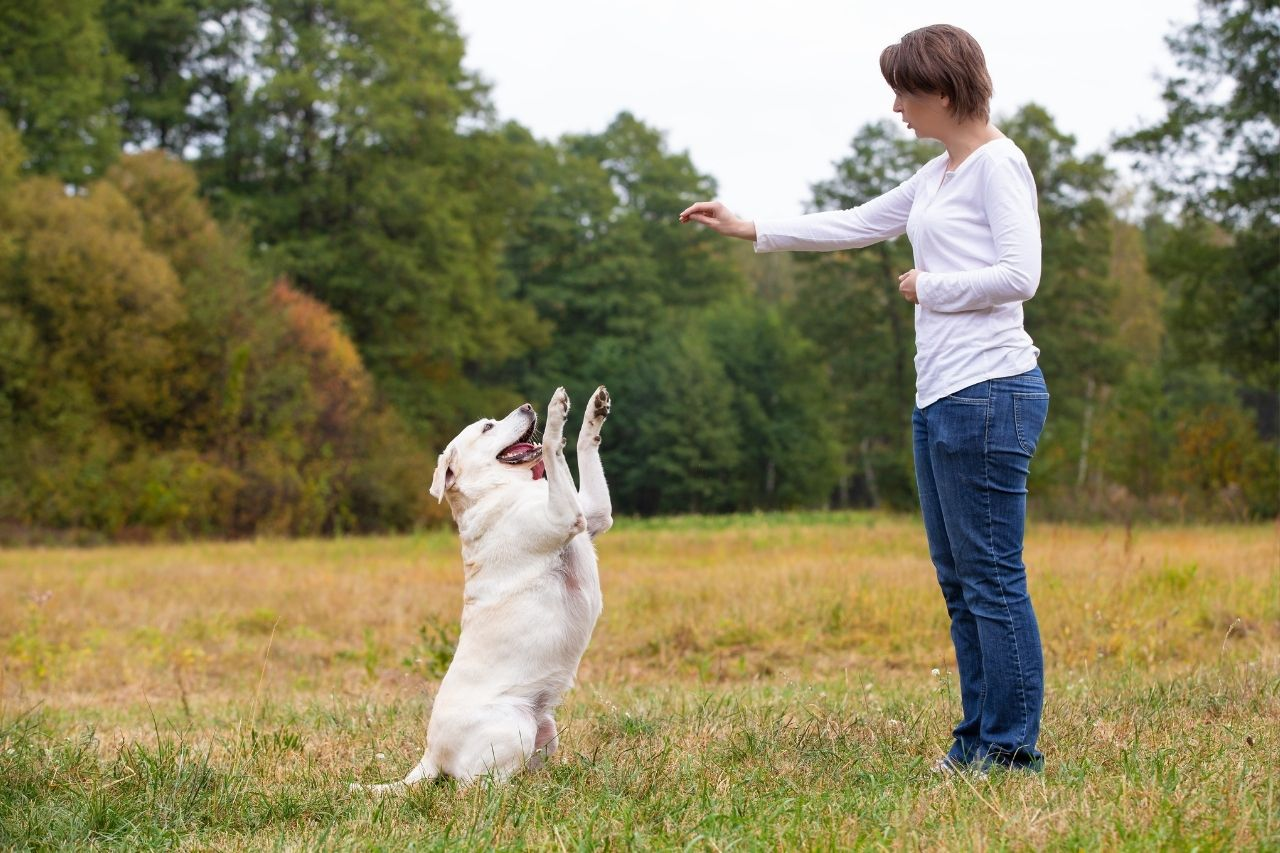
Reward what you want, ignore or redirect what you don't. High-value treats, play and praise all work. Rottweilers respond much better to fair, positive training than to harsh corrections.
Consistency is everything
Everyone in the household uses the same cues, the same rules, the same boundaries. Mixed messages slow training down more than almost anything else.
Short sessions, often
Three or four 5 to 10 minute sessions a day beat one long session. Rottweilers stay engaged when training feels like a game, not a chore.
Reward confidence, not fear
Calm, confident behaviour earns the reward. Training a Rottie to bark on command or play tough creates the exact issues you want to avoid. Reward the relaxed, happy dog you want to live with.
Socialise widely and gently
From 8 to 16 weeks, expose your puppy to as many positive experiences as possible: different people, places, dogs, sounds, and surfaces. Never force interactions.
Physical and mental exercise
A tired Rottweiler is a well-behaved Rottweiler. Daily walks, training sessions, and puzzle work all help burn off the working-dog energy.
Essential Commands in Order
Name recognition
Say their name in a happy voice, reward when they look at you. Before any command, they need to reliably pay attention when you call their name.
Sit
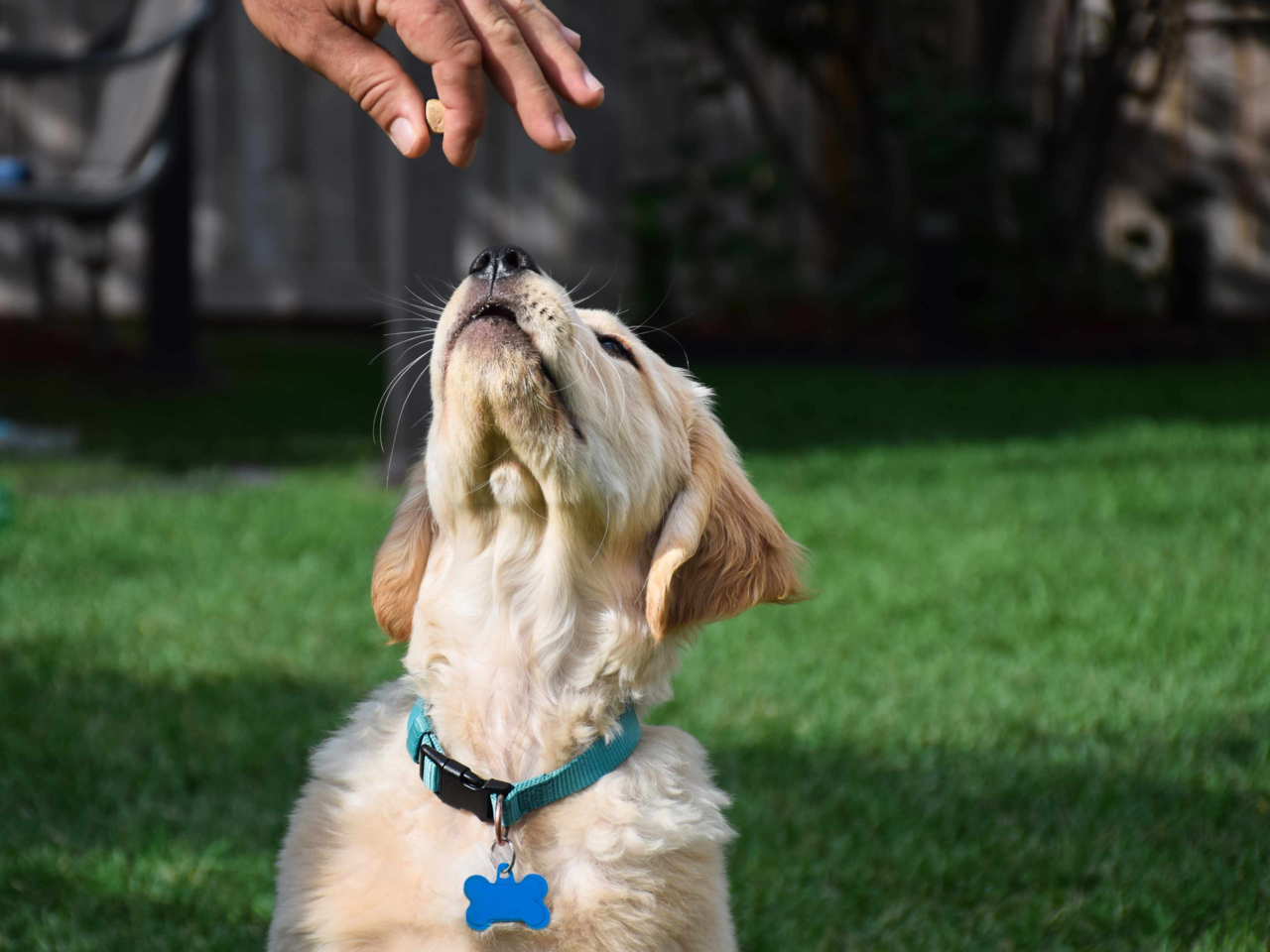
The simplest foundation. Lure with a treat, reward the moment their bum hits the floor. Sit becomes the default "ask before you get anything" cue over time.
Down
From sit, lure the nose down to the ground. Reward when they lie flat. Down is more relaxing for Rotties than sit, so it's handy for calm commands.
Stay
Start with 2 seconds and build up. Rottweilers have strong focus, so they can get long, reliable stays with practice. Only release them with a clear "okay" or release word.
Come (recall)
The most important command for a big dog. Start on a long lead, use a cheerful voice, and reward generously when they come back, every single time. Never call them for something they won't enjoy.
Leave it / drop it
Crucial safety commands. Practise with low-value items first, reward with something better. Drop it is particularly important for strong-jawed dogs who can latch onto things.
Loose-lead walking
A Rottweiler pulling on the lead is not something you can power through. Teach loose-lead walking from the moment the lead first goes on, using a front-clip harness or head collar to make it easier while they learn.
Place / settle
Teaching your dog to go to a specific spot and relax is a game-changer for big dogs. Great for dinners, visitors, or any time you need a calm, out-of-the-way dog.
Best Training Treats for Rottweilers
High-value treats make training faster. For a Rottweiler's size and drive, small, smelly, protein-rich rewards work best. Keep them tiny, because you'll use a lot in a single session.
Love'Em liver and kangaroo treats are classic Kiwi training treats, full of flavour and easy to break into small pieces.
Best Training Tools for Rottweilers
The right gear makes big-dog training much easier. These are the pieces most Rottie owners rely on.
A clicker, a good treat pouch, and either a front-clip harness or head collar cover most training situations. The EzyDog Chest Plate Harness is popular for bigger dogs, while the Halti Head Collar gives you extra control during loose-lead training.
Best Enrichment for a Bored Rottweiler
Rottweilers are clever and benefit from mental work alongside physical exercise. Puzzle toys and lick mats can take the edge off on days when a full walk isn't possible.
Common Rottweiler Training Challenges
Pulling on the lead
A 50kg dog pulling is not something you can muscle through. Start loose-lead walking young, use a front-clip harness or head collar, and reward walking beside you generously. Stop walking the moment the lead goes tight, then start again.
Jumping up
Cute at 10kg, a problem at 50kg. Teach "off" or "sit for greetings" from day one. Never reward jumping up, even with attention. Four feet on the floor gets the hello.
Guarding behaviour
Resource guarding can show up with food, toys or spots on the couch. Work on "trade" games early (swap what they have for something better) and teach a solid drop-it. If guarding is getting tense, get professional help sooner rather than later.
Over-friendly greetings
Rottweilers are often more sociable than their reputation suggests. A polite "sit to say hello" prevents overly enthusiastic greetings from knocking people off balance.
Mouthing and play biting
Puppies explore with their mouths. Redirect onto toys and chew items, end play the moment teeth touch skin, and never play rough with hands or clothing.
Barking at the door
Their watchdog instinct is strong. Teach a cue ("thank you" or "enough") and reward silence. Giving them a job (like going to their place when the doorbell rings) is often more effective than telling them to stop barking.
Tips Specific to Rottweiler Owners
Enrol in a good puppy class
Professional, positive-methods puppy classes are one of the best investments for a Rottie owner. Early group-setting training pays off for years.
Prioritise recall
A big strong dog with a rock-solid recall is a much safer dog. Practise daily, in varied spots, with high-value rewards. Never stop reinforcing it.
Expose them to varied environments
Calm walks through cafés, markets, busy footpaths and parks build a confident, social Rottie. Quiet exposure beats dramatic exposure every time.
Keep training lifelong
Training isn't something you finish. Keep asking for known cues, keep rewarding, and keep teaching new tricks. It keeps the bond strong and their brain sharp.
Manage the environment
Set your Rottie up to succeed. Put shoes away, don't leave food on low tables, use gates for busy areas. Prevention is easier than fixing habits later.
Get a good trainer if you need help
A one-on-one session with a positive-methods trainer can save months of slow progress, especially around adolescence or any specific issue. Get help early, not when it's already a problem.
Frequently Asked Questions
Are Rottweilers hard to train?
Not at all. Rottweilers are smart and eager to learn. They do best with clear, consistent, positive training. Their size means you need to stay on top of manners from the start, but they're one of the most trainable breeds when you put in the work.
What's the best age to start training a Rottweiler?
8 weeks. Gentle training starts the day your puppy comes home. Name recognition, crate training, toilet training, early socialisation, and short positive sessions lay the foundation for everything that follows.
How long does it take to train a Rottweiler?
Basic commands usually come in 2 to 4 weeks with consistent daily practice. Reliable behaviour in real-world distractions takes 6 to 12 months of proofing. Training never fully ends. Think of it as an ongoing conversation with your dog.
Are Rottweilers aggressive?
No more than any other breed. Well-socialised, well-trained Rottweilers are typically confident, loyal family dogs. Temperament depends far more on upbringing, training and socialisation than on breed.
Can I train my Rottweiler myself or should I hire a trainer?
Most owners can handle basic training at home with the right resources. A good puppy class or one-on-one session with a positive-methods trainer is a great investment, especially during adolescence (6 to 12 months) or if any specific issue comes up.
What's the best treat for training a Rottweiler?
Small, smelly, high-value treats work best. Love'Em liver and kangaroo treats are popular, and you can mix in small bits of dry food for lower-stakes moments. Keep pieces tiny so you can reward often without overfeeding.
Shop Training Gear for Your Rottweiler
Stock up on the treats, harnesses, leads and training tools that make raising a Rottie easier. Save on everyday essentials with Autodeliver and enjoy everyday member pricing with Pet Perks.
SHOP TRAINING ESSENTIALS