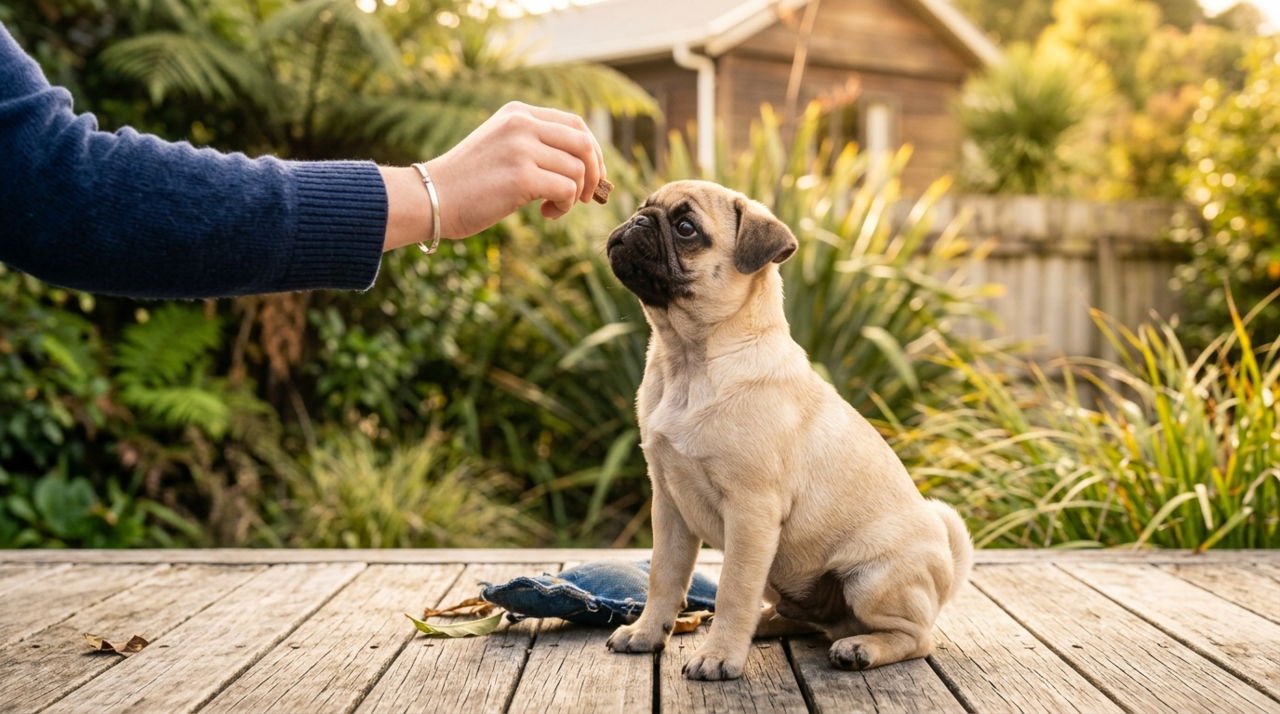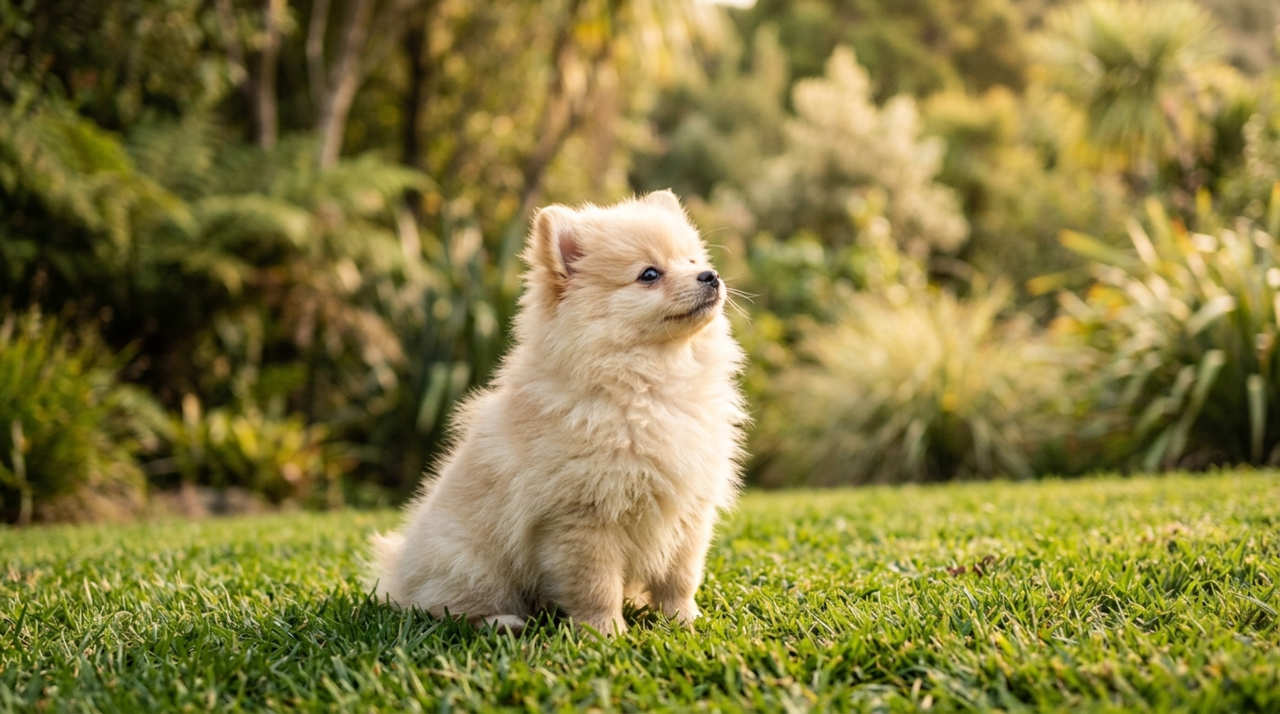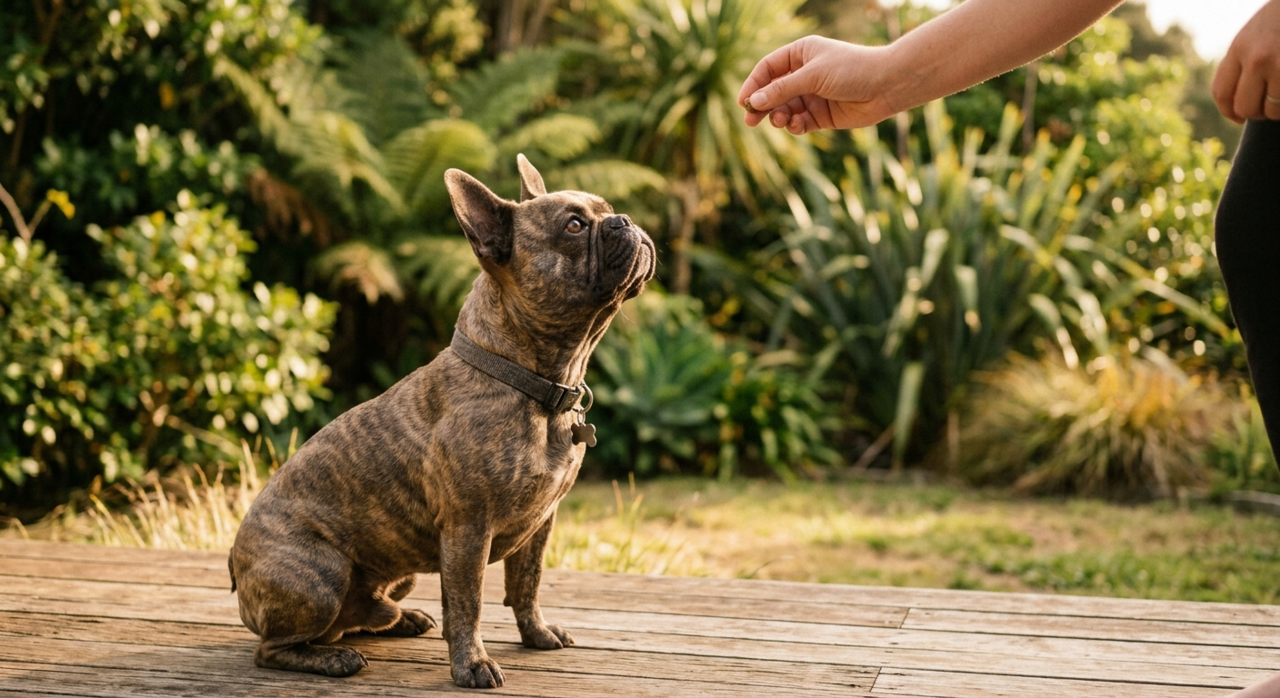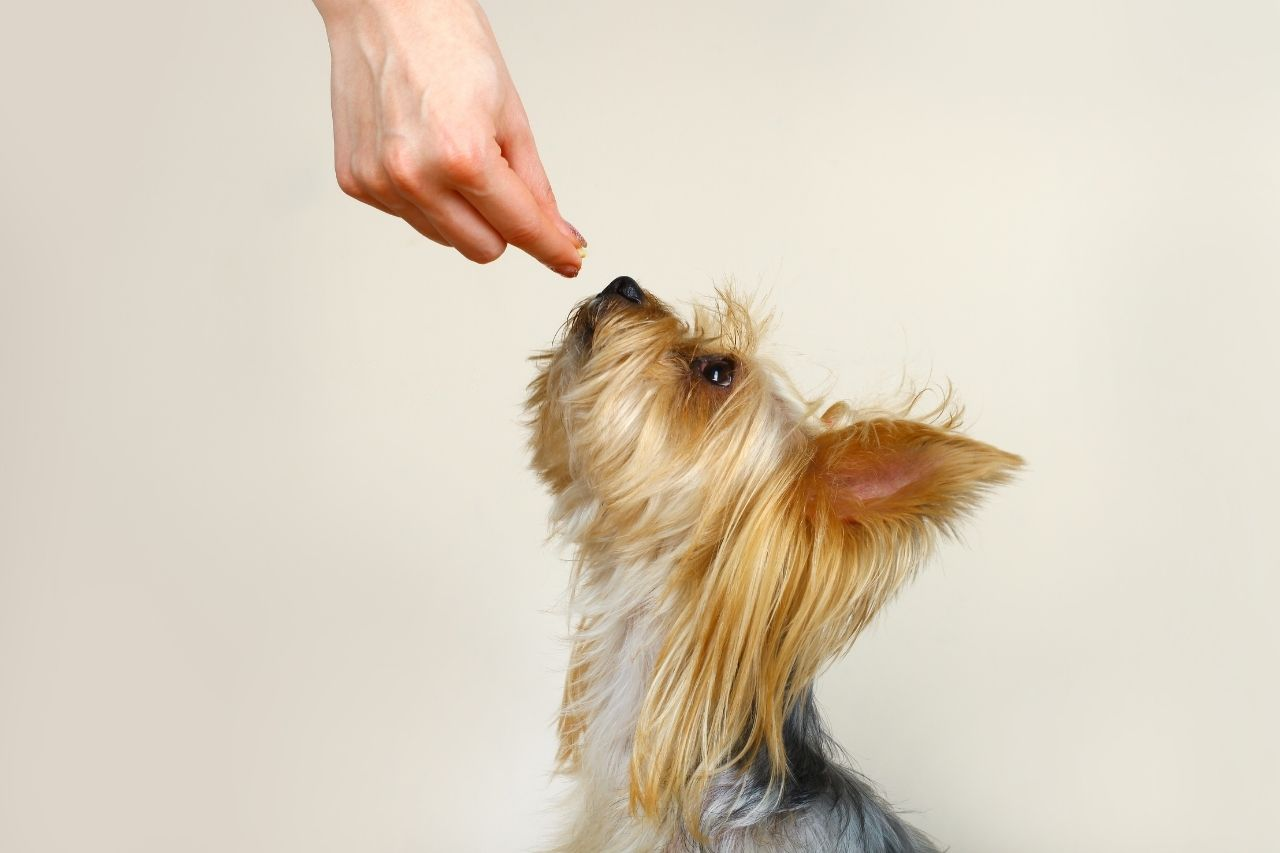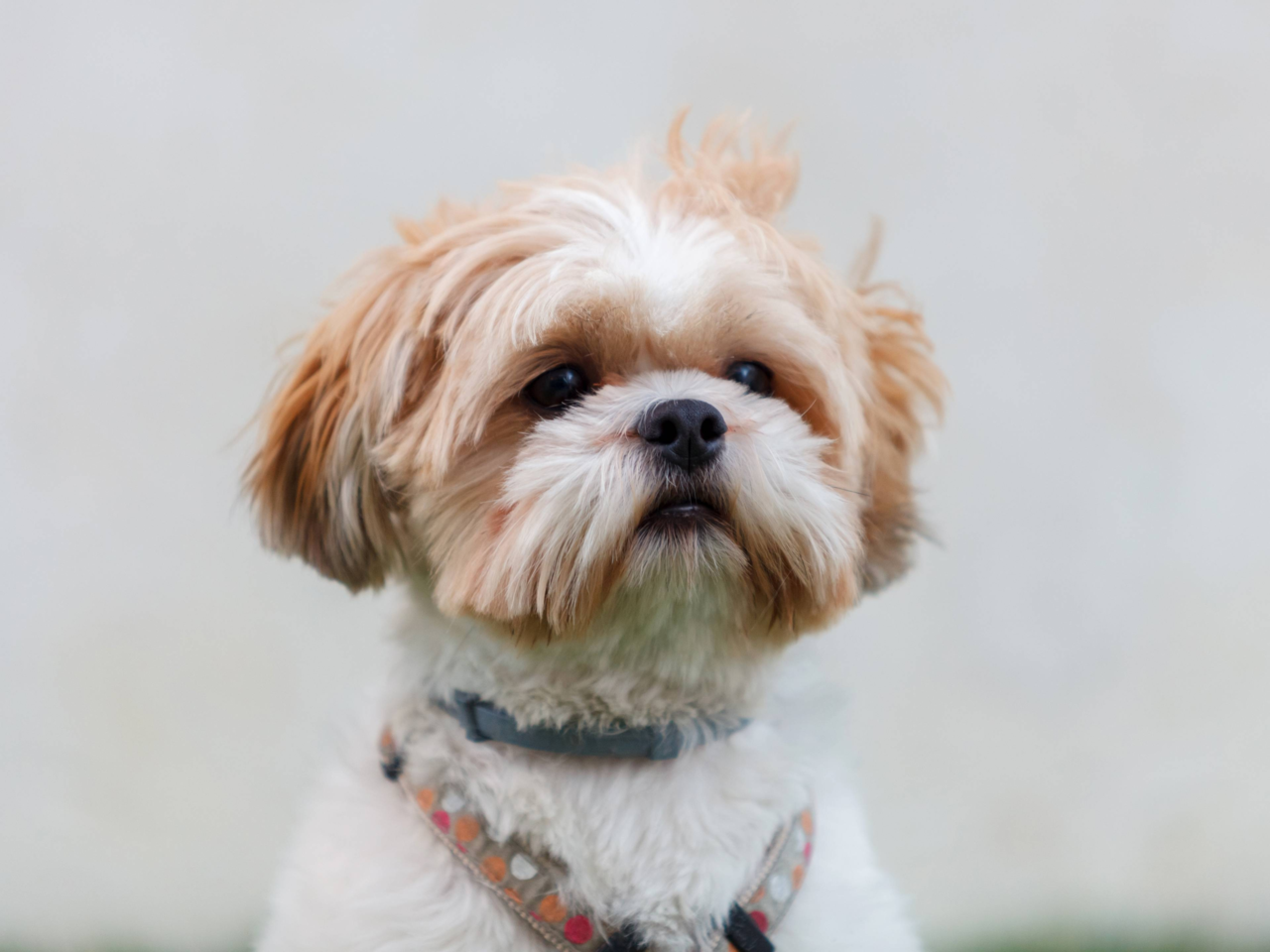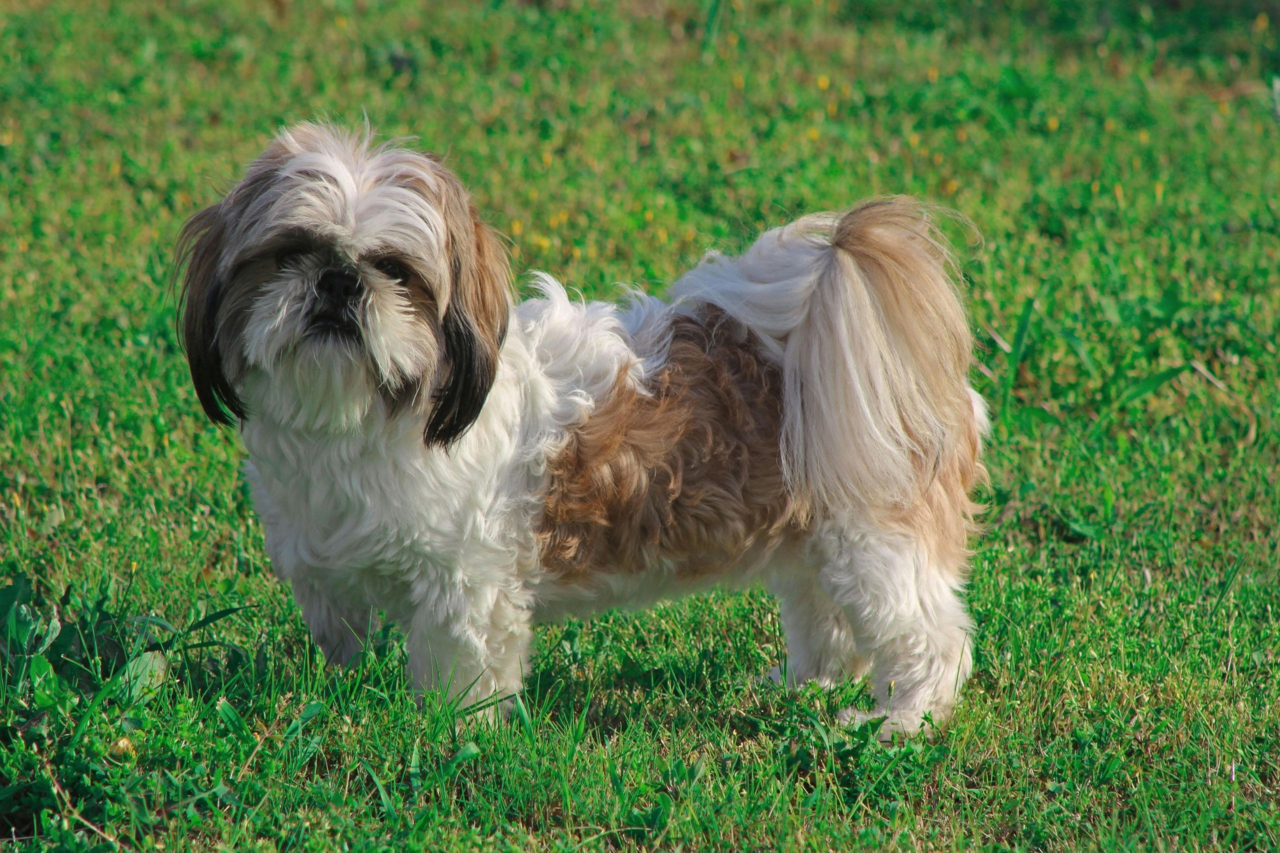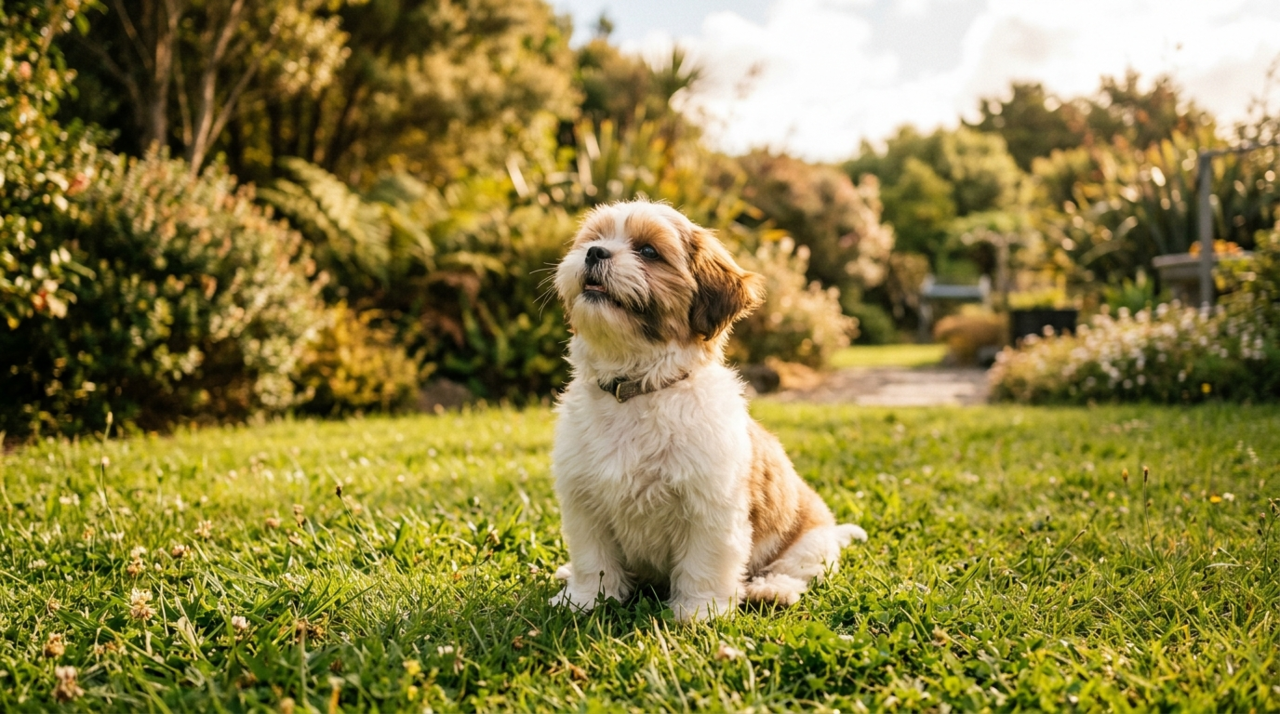
Shih Tzus are charming, affectionate and a bit cheeky. They were bred to be companions and they take that job seriously, which is brilliant news for training because they generally love being near you and reading your face. The not-so-brilliant news is that they're also clever enough to figure out which behaviours get them what they want, and once a habit is set in a Shih Tzu, it can be quite firmly there.
Here is a practical NZ guide to training a Shih Tzu, from a puppy's first sit through to lead manners as an adult, with gentle methods that suit a small, flat-faced breed and the kit that makes life easier along the way.
Quick answer
Shih Tzus respond best to short, upbeat training sessions (5 to 10 minutes, two or three times a day) using small high-value treats and lots of praise. They're food-motivated, they read your face well, and they don't take well to firm correction. Because they're brachycephalic and small, walk them on a harness instead of a collar, keep training sessions cool, and end on a win. Start the basics like name, sit, come and toilet training from day one, redirect mouthing onto toys rather than telling them off, and use gentle voice-and-treat repetition rather than tough discipline. Most Shih Tzus pick up the basics well within their first 8 to 12 weeks at home.
Understanding the Shih Tzu You're Training
Shih Tzus were bred for centuries as palace companions, which shaped just about everything about them. They want to be near their people, they're social, they pick up routines fast, and they're confident enough to push back when training gets too pushy. There are a few breed-specific things worth knowing before you start.
Food-motivated but easily bored
Shih Tzus love food and that's a great training tool. They also lose interest fast, so the trick is short, fun sessions with high-value treats, never grinding through 30 minutes of "sit" in a row. Two or three 5-minute sessions a day beats one big one.
Sensitive to harsh correction
A Shih Tzu given a firm telling-off often goes quiet, shy or stubborn rather than learning. They're gentle souls under the topknot. Reward-based methods are far more effective, and they preserve the trust the relationship is built on.
Brachycephalic, so watch the heat and the breathing
A short, flat-faced breed means less efficient cooling and slightly easier-to-tire breathing. Train indoors or in shade on warm days, keep walks gentle in summer, and stop a session immediately if you hear noisier breathing or see drooling.
Small but stubborn
Shih Tzus are happy to sit on a sofa for hours, then suddenly decide they're not coming inside from the garden. The fix isn't more force, it's making the right behaviour more rewarding than the wrong one. Treats, voice, and turning around to walk away usually work brilliantly.
Strong people-bond
Shih Tzus thrive on connection. They want eye contact and they want to be near you. That bond is a training superpower: walking away or pausing the game for 5 seconds is often more effective than telling them off.
Prone to "small dog syndrome"
Because they're tiny and adorable, Shih Tzus often get away with behaviours that wouldn't fly in a bigger breed (jumping up, barking at strangers, refusing to come). The training itself is fine, the consistency is the catch. Teach the basics from day one even when they're small and cute.
Setting Up for Success
Before the first cue, get the basics sorted. A few small choices at the start make every training session easier from there.
The starter kit for a Shih Tzu puppy
A few tiny, high-value treats; a clicker or a clear marker word ("yes!"); a well-fitted harness instead of a collar; a 1.2 to 2 metre lead; and a treat pouch so you've got rewards close to hand. That's plenty to get going.
Shih Tzus do best with tiny, soft, smelly options. Love'Em Liver Puppy Treats are the most popular puppy training treat at Petdirect, and they break easily into pea-sized pieces. Black Hawk Chicken Jerky Bites for puppies are another great option, and Bocce's Quack Quack Quack Training Bites are gentle on tummies and soft enough for fast rewarding.
For adult Shih Tzus, slightly bigger soft treats and air-dried liver work brilliantly. Petdirect's own vitamin-rich beef liver treats are a popular pantry staple, and Black Hawk Chicken Jerky Sticks snap easily into training-sized bites.
A note on treat size
For a 4 to 7kg Shih Tzu, training treats should be the size of a pea or smaller. Tiny treats let you reward 30 to 40 times in a 10-minute session without filling your dog up. Always take training treats out of your dog's daily food allowance, since Shih Tzus put on weight quickly if you don't.
Walking and Lead Manners
Shih Tzus should never be walked on a collar lead. Their small necks and flat-faced breathing don't take well to pressure on the throat, and most Shih Tzus genuinely find it uncomfortable. A well-fitted harness is the right starting point.
For young Shih Tzus and gentle walkers, the EzyDog Formfit Mesh is a popular small-breed harness on site. For dogs that pull or get excited on lead, an EzyDog Chest Plate Harness, a Halti head collar or a Beau Gentle Leader give you more control without putting pressure on the neck. Pair with a lightweight 1.2 to 2 metre lead like the EzyDog Luca or a Halti training lead.
The "be a tree" trick for pulling
When your Shih Tzu pulls forward on the lead, stop and stand perfectly still. Don't move forward until the lead goes slack, even if it takes a minute. Reward generously the moment they look back at you. Shih Tzus are clever and they figure this out fast: pulling pauses the walk, slack lead means more walking.
The Five Core Cues Worth Teaching First
These five cues give you a foundation for everything else. Teach them indoors in a low-distraction setting, then practise them in slightly busier environments as your Shih Tzu gets confident.
Your first month checklist
- Name recognition. Say their name in a happy voice, mark and treat the moment they look at you. Build to looking at you instantly, every time.
- Sit. Lure with a treat held just above their nose and moved slowly back. As their bottom hits the floor, mark and treat. Add the word "sit" once the action is reliable.
- Come (recall). Crouch down, call your Shih Tzu in a happy voice, reward heavily the second they come to you. Always make recall the most exciting thing happening.
- Down (lie down). From a sit, lure the treat slowly down to the floor and out along the ground. Mark and treat the moment elbows touch down. Build the cue word in once they've got the hang of it.
- Wait or stay. Start tiny: ask for a sit, pause for one second, treat. Build up the duration and the distance very gradually over weeks, not days.
A clicker or a clear marker word ("yes!") makes all of these easier. The click or marker says "that's the bit I'm paying you for", which sharpens the timing of your rewards. The EzyDog Command Clicker is the most popular pick at Petdirect, and a treat pouch like the EzyDog SnakPak or Coachi Train & Treat Bag keeps your hands free.
Toilet Training Your Shih Tzu
Shih Tzu puppies, like all small-breed puppies, have small bladders and need frequent toilet breaks. Set up a predictable routine and most Shih Tzus are reliably toilet trained within a few weeks.
The simple toilet-training rhythm
Take your puppy outside after every nap, every meal, every play session, and every 60 to 90 minutes during the day. The same spot in the garden each time helps the habit form faster. Reward generously the moment they finish weeing or pooing outside, while you're still in the spot. Accidents inside are nobody's fault, just clean up and try a more frequent schedule.
Some owners find toilet bells helpful. The Coachi Dog Toilet Training Bells hang on the back door so your puppy can ring them when they need to go out, which makes the "I need a wee" signal much clearer than barking or pacing.
Brain Training and Tiring Out a Shih Tzu Without Overdoing It
This is where Shih Tzu owners really benefit from mental enrichment. Shih Tzus can't run as hard or as long as a working breed because of their flat faces and small frames, so brain games are a brilliant way to satisfy them without overdoing physical exercise. Twenty minutes of puzzle time can tire a Shih Tzu as much as a longer walk.
Lick mats are great for Shih Tzus. Smear with a thin layer of soft food (a small dab of dog-friendly peanut butter, plain yoghurt or wet food) and you've got 10 to 15 minutes of calm focused licking. They're also a nice tool for keeping a Shih Tzu still during grooming sessions, since Shih Tzus need plenty of those.
Puzzle feeders slow down meals, which is great for a breed that bolts food. Start with a beginner-level puzzle and work up.
A classic stuffable rubber toy, like the KONG Classic, is a fantastic everyday tool. Pack with a small portion of wet food or a few of their normal kibbles and a smear of soft food on top, freeze for an hour, and you've got a quiet, focused activity that scratches the brain itch without a single step taken.
Training Shih Tzus to Cope With Grooming
Shih Tzus have a long, continuously growing coat and floppy ears, which means regular grooming is part of their life. Most Shih Tzus need brushing every day or two, plus regular trips to a groomer if you keep them in a longer style. Training them to sit calmly for grooming is one of the most useful "side cues" you can teach.
Building the grooming habit early
Start handling your Shih Tzu's paws, ears and face from day one. Just gentle touches paired with treats, building up over weeks. The goal is for them to associate being touched (and eventually brushed) with good things, so brushing sessions and visits to the groomer feel normal rather than scary. A lick mat smeared with something tasty on the bathroom wall during a brushing session can turn a wriggly puppy into a relaxed one.
Things to Watch For in a Shih Tzu During Training
Training a Shih Tzu isn't just about cues, it's about reading them. They can't tell you when they're getting too warm or too tired, so it pays to know the signs.
Take a break if you notice
- Heavier or noisier breathing than usual
- Loss of interest in treats or the game
- Wanting to lie down or sit suddenly
- Drooling more than normal
- Tongue looking very red or hanging extra wide
- Becoming "shut down", which looks like going quiet, refusing to engage, or trying to hide
If your dog goes quiet during training, end the session on a small easy win (one "sit" rewarded happily) and take a break. Shih Tzus that get "shut down" by too much pressure can take a while to come back, so don't push through.
Frequently Asked Questions
What age should I start training my Shih Tzu?
From the moment they come home. Most Shih Tzu puppies are ready for very gentle, treat-based training from about 8 weeks. Keep sessions very short (2 to 5 minutes for tiny puppies, building up to 10 minutes by 4 to 5 months) and focus on name, recall and toilet training first.
Are Shih Tzus hard to train?
Not really, but they're particular about how. Shih Tzus are clever and food-motivated, which makes them capable. The catch is they're a bit stubborn and they don't respond well to firm correction. Keep things short, fun and rewarding, and most Shih Tzus pick things up quickly.
How long should a Shih Tzu training session be?
5 to 10 minutes, two or three times a day, works much better than one long session. Shih Tzus lose focus quickly, and they get warm or tired sooner than working breeds because of their flat faces.
What treats are best for training a Shih Tzu?
Tiny, soft, smelly ones. Love'Em Liver Puppy Treats, small pieces of air-dried liver, or soft chicken jerky bits all work well. For a 4 to 7kg Shih Tzu, you want treats roughly the size of a pea, and take them out of their daily food allowance to avoid weight gain.
Should I use a harness or a collar for my Shih Tzu?
A harness, always. Shih Tzus are brachycephalic and pressure on the neck from pulling on a collar can be uncomfortable. A well-fitted harness like the EzyDog Formfit Mesh or Chest Plate is far safer for them.
How do I stop my Shih Tzu pulling on the lead?
Reward your dog for walking next to you with a slack lead. Stop walking the moment they pull (just stand still, like a tree), and only move forward again when the lead goes slack. It feels slow at first but most Shih Tzus get the hang of it within a few weeks. A head collar or front-clip harness can speed things up for keen pullers.
Can Shih Tzus be trained off-lead?
Yes, with patience. Shih Tzus aren't sighthounds and don't have huge prey drive, so off-lead recall is achievable for many. Start in a fully enclosed area, build the recall up step by step, and only progress to busier or more open spots once you're confident. Some Shih Tzus always do better on a long line outdoors because they're easily distracted.
My Shih Tzu barks at every visitor. How do I stop it?
Shih Tzus are alert little dogs and barking at the door is natural. The fix is teaching an alternative behaviour: as soon as they bark at the door, ask for a "sit" or send them to a mat, and reward heavily the moment they do it. Practise with willing visitors who give treats when your dog is calm. Most Shih Tzus settle into a one-bark-and-done routine within a couple of weeks of consistent practice.
Shih Tzu Training Essentials at Petdirect
From soft training treats and clickers to small-breed harnesses, treat pouches, brain-game toys and lick mats, find everything you need to set your Shih Tzu up well. Save with Autodeliver on the everyday items, and enjoy everyday member pricing as part of Pet Perks.
SHOP PUPPY TRAINING ESSENTIALS