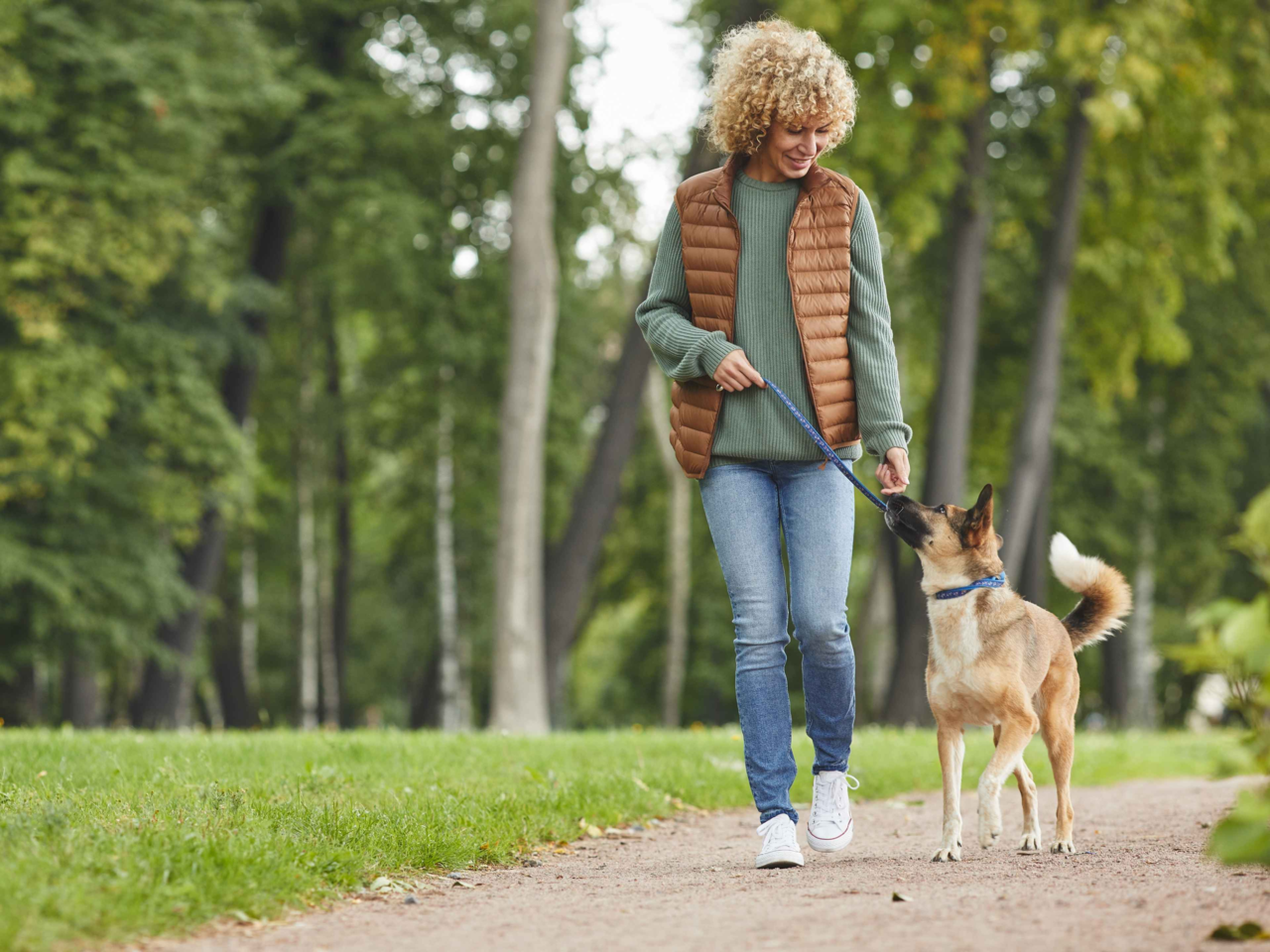
Is your daily walk with your dog feeling more like a tug-of-war match than a relaxing stroll? You’re not alone. Many Kiwi pet parents struggle with leash pulling, but the good news is that with a few pawsitive strategies, you can teach your dog how to walk politely by your side. This guide covers effective leash pulling solutions, with step-by-step advice for loose lead walking training that works in real-life New Zealand conditions.
Why Dogs Pull On The Lead
Leash pulling is a natural behaviour for dogs. From their viewpoint, walking quickly to sniff every tree, greet every person, and explore the world around them is part of the fun. Unfortunately, this can turn into a frustrating habit if not managed early. Pulling can be driven by:
- Excitement and overstimulation
- Lack of boundaries or previous training
- Desire to reach something specific (like another dog or a scent)
Whether you’ve got a high-energy Border Collie or a bold little Jack Russell Terrier, leash manners matter for a stress-free walking experience.
Set Your Pup Up For Success Before The Walk
Training starts before you even step out the door. Help your dog feel calm before a walk by:
- Giving your dog time to burn off energy with a short play session using fetch toys or rope and tug toys.
- Using calming supplements or diffusers if your dog gets overexcited before outings.
- Ensuring your dog is wearing a correctly fitted dog harness which distributes pressure more evenly than a collar and gives you more control.
Pro tip: The right dog lead can make a big difference. Try a shorter lead for more control or test a training lead designed specifically to discourage pulling.
Training Techniques For Loose Lead Walking
Consistency is key when teaching your dog to walk nicely beside you. Here are effective techniques to try:
- Stop-and-go method: The moment your dog starts to pull, stop walking. Resume walking only when the lead slackens. This teaches your dog that pulling = no forward progress.
- Change direction: Catch your dog’s attention by changing direction suddenly when you feel tension on the lead. Reward them when they follow you.
- Reward regularly: Reinforce good behaviour using training treats. When your dog walks on a loose lead and stays close to you, treat and praise them.
Stick to short, focused training sessions, especially in distracting environments like parks or beaches. Slow and steady wins the race!
Tools And Accessories That Can Help
The right gear can take your training to the next level. Every dog is unique, so don’t be afraid to try different tools to find what works best for your pup:
- Halti head collars work well for strong pullers, providing gentle steering control.
- EzyDog harnesses offer comfort and control with front-clip options ideal for discouraging pulling.
- Clickers and treat pouches can help you stay consistent and reward good lead behaviour quickly.
You might also explore puppy training essentials if you’re starting from scratch with a young pup or newly adopted dog.
When To Seek Professional Help
If training at home doesn’t lead to improvement or your dog shows signs of leash reactivity or anxiety, it might be time to enlist extra support. A certified dog trainer or behaviourist can tailor a plan for your dog’s individual needs. And for pups needing extra calming care, our range of dog calming products can help reduce stress on walks.
At Petdirect, we get pet. We know that learning new behaviours can take time and patience, but we’re here to support you every paw-step of the way.
Enjoy Walks, Not Wrestles
Loose lead walking makes life easier for you and your dog, turning daily walks into a calm and enriching experience. With the right approach, consistent training, and helpful tools, you’ll be walking side by side in no time.
Explore our full range of leads, collars, and harnesses and training supplies to get started, and don’t forget to join our Pet Perks loyalty programme to fetch exclusive rewards. Happy walking!