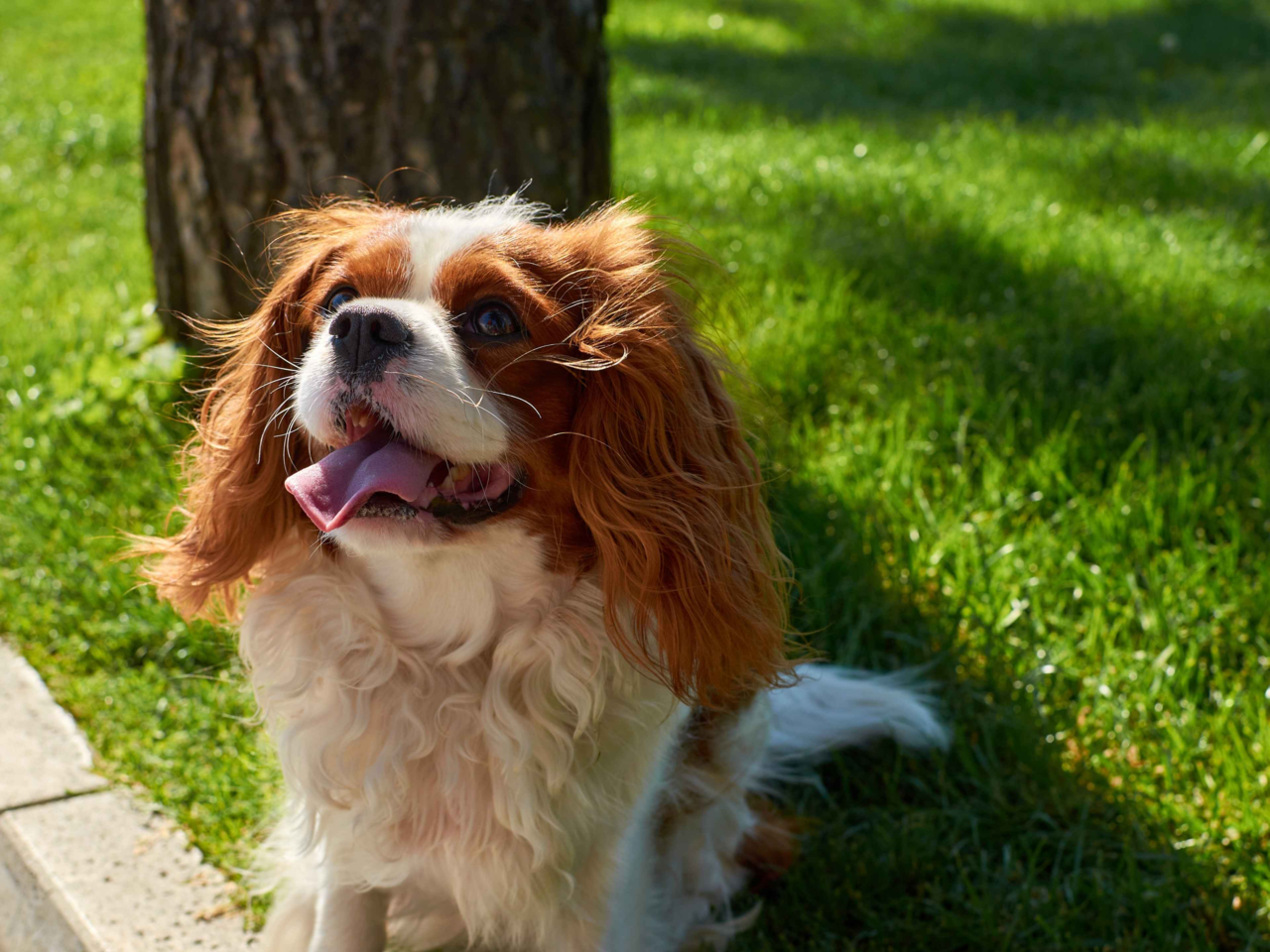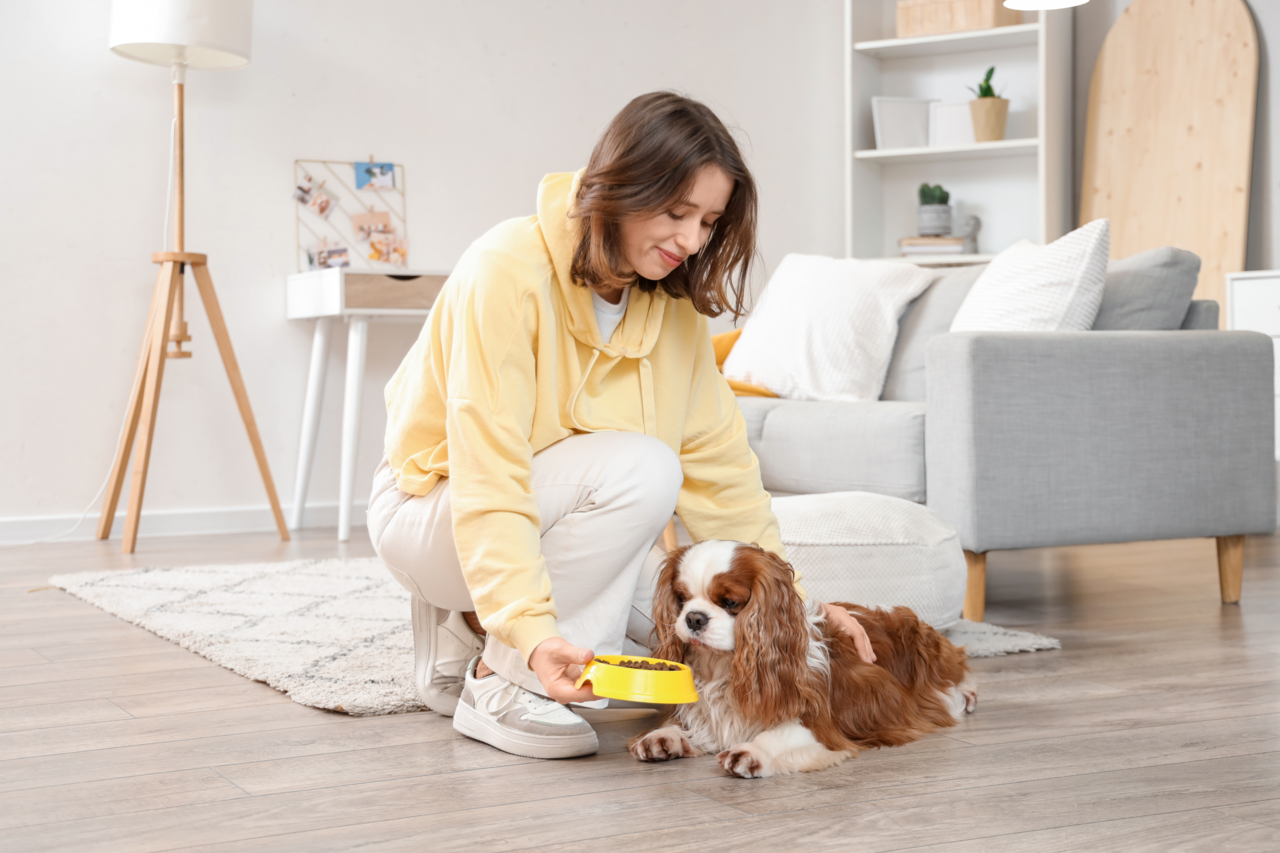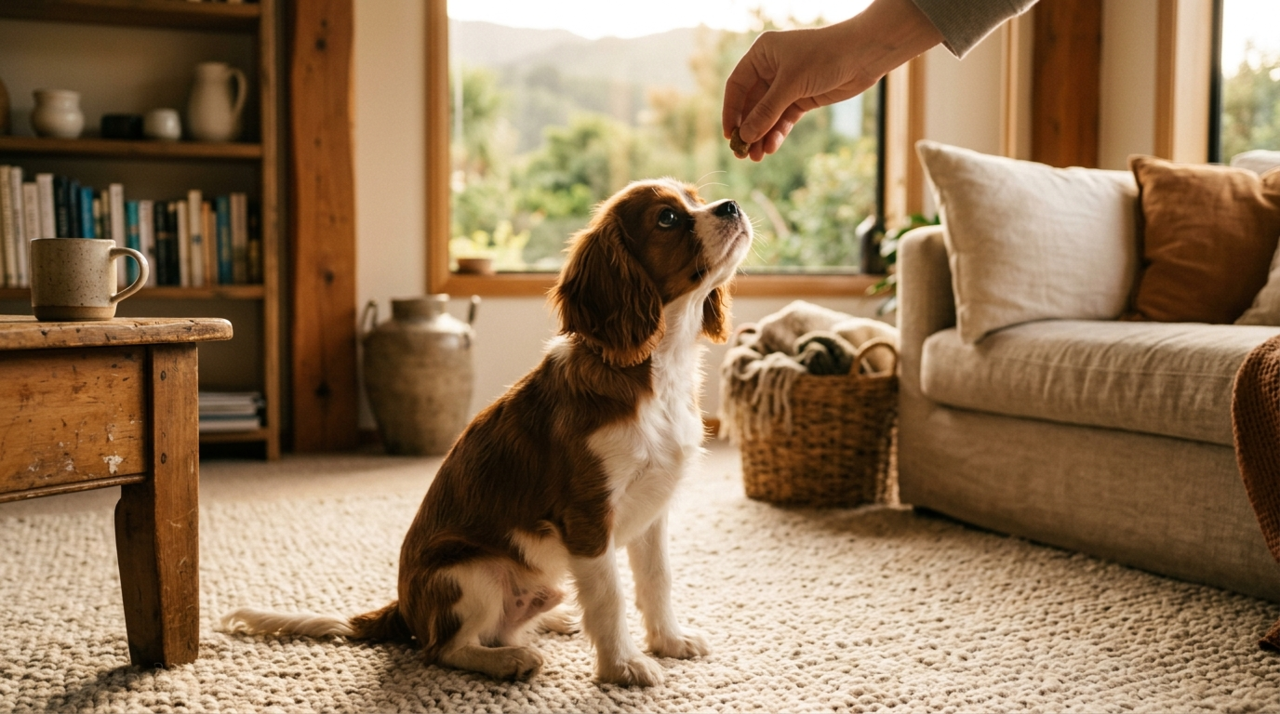
Cavalier King Charles Spaniels are one of the friendliest, most affectionate breeds you can train. They were bred as companion dogs through and through, which means they're soft, sensitive, deeply tuned in to their people, and very keen to please. The training experience with a Cavalier feels less like a battle of wills and more like a gentle conversation, as long as you understand their breed quirks.
Here's a practical NZ guide to training a Cavalier King Charles Spaniel, covering the core skills, the breed-specific habits worth knowing, and the gear that makes everyday life easier on both ends of the lead.
Quick answer
Train a Cavalier with short, calm, reward-based sessions. They're soft-natured, easily food-motivated and respond beautifully to praise. Build a reliable recall from puppyhood (Cavaliers love to follow scents and birds), use a well-fitted Y-shaped harness rather than collar pressure, and teach a calm settle to help with their love of being close to you. Most Cavaliers learn quickly when training is gentle and consistent.
What Makes a Cavalier Different to Train?
Very soft-natured
Cavaliers are sensitive dogs. They thrive on warmth and encouragement, and shut down quickly under harsh handling or stern correction. Reward-based, low-pressure training works far better than anything firmer, and gives you a more confident dog at the other end of the lead.
Highly food-motivated
Cavaliers will work for almost any treat, which makes positive reinforcement very effective. The flip side is weight gain creeps up easily, so use small, low-calorie training treats and count them into the daily food allowance. A pea-sized piece of liver is plenty.
People-focused to a fault
Cavaliers were bred as lap companions, so being with you is one of the most rewarding things you can give them. The flip side is separation anxiety, which is more common in this breed than in most. Building gentle alone-time tolerance from puppyhood is worth the effort.
Spaniel scent drive
Despite the lapdog reputation, Cavaliers still have a spaniel's nose. Birds, scents and squirrels can pull them off course fast. Recall needs to be trained early, generously rewarded, and reinforced often, especially before letting them off-lead.
Gentle but not pushovers
Cavaliers do have a stubborn streak, especially around things they love (food, sniffing, the sofa). The fix isn't more correction, it's clearer marker training and consistency. Once they understand what you're asking, they're keen to deliver.
Sociable with everyone
Most Cavaliers are wildly friendly with other dogs, kids, strangers, the postie. Training calm greetings (rather than wriggly bottom-shoves) early is helpful. They'll greet anyone, so a "say hello calmly" routine sets them up well for life.
The Core Skills to Build First
1. Name response and engagement
Before you teach any cue, build a habit of your Cavalier looking up when you say their name. Practise it in calm spaces first, then with mild distractions, then in the park. A reliable name response is the foundation of every other skill, and Cavaliers love the eye contact that comes with it.
2. Marker training and the clicker
A clear marker (a clicker, or a consistent word like "yes") tells your dog the exact moment they did the right thing. Cavaliers pick this up in minutes. Charge the marker by clicking and treating 30-40 times, then start using it to mark good behaviours like sitting, lying down or four paws on the floor.
3. Recall (especially around scents and birds)
This is the breed-specific one. Cavaliers will follow their nose, so a strong recall is non-negotiable before any off-lead time. Start in low-distraction spaces with high-value rewards (chicken, liver, cheese), use a long line in open areas, and reward generously every time they come back. Never call them and then do something they'd rather avoid.
4. Loose lead walking
A Cavalier doesn't pull hard, but they love to sniff and can pootle in zigzags. Teach loose lead in calm spaces first, reward heavily for walking by your side, and change direction when they pull. They have delicate windpipes, so a well-fitted Y-shaped harness is much kinder than collar pressure.
5. Calm settle
Cavaliers are velcro dogs and don't always settle on their own. Teach a "settle on the mat" cue with a chew toy or stuffed lick mat. This gives you a way to manage their enthusiasm when visitors arrive, you're working from home, or you need them to relax.
6. Alone-time tolerance
Because separation anxiety is more common in this breed, building short positive alone-time stretches from puppyhood is one of the most useful things you can do. Start with two minutes, build slowly, leave a long-lasting chew or stuffed lick mat to make absences positive, and avoid making big dramatic departures and arrivals.
Training Tools Worth Having
Harness and Lead for a Cavalier
Cavaliers are small-to-medium dogs (usually 6-8kg) with a delicate windpipe and a tendency to surge after interesting smells. A well-fitted Y-shaped harness keeps pressure off the throat and gives you better steering. Avoid slip leads, choke chains and prong collars for this breed.
Gear to skip for a Cavalier
- Slip leads and choke chains apply pressure to the windpipe and aren't appropriate for a soft, sensitive breed like this.
- Prong collars have no place in training a breed that responds this well to gentle reward-based work.
- Extendable leads are best avoided for everyday walking, especially in a breed prone to charging off after birds. Stick to a fixed lead, with a long line for recall practice in safe spaces.
Mental Enrichment: Channel That Spaniel Brain
Cavaliers love a thinking task. A short brain-work session is often more tiring than a long walk, and beautifully suits their gentle, food-loving nature. Slow puzzles, snuffle mats and lick mats are all winners with this breed.
Common Cavalier Training Challenges
Excited greetings
Cavaliers are so happy to see you, every visitor, every postie. Teach a "four paws on the floor" rule from puppyhood: rewards only happen when they're calm and grounded. Consistency from everyone in the house is the key.
Following their nose
The spaniel scent drive is real. Build recall reliably before any off-lead time, use a long line in open spaces, and reward generously when they come back. The recall reward should always beat whatever they're sniffing.
Separation anxiety
Cavaliers are at higher risk than most breeds. Build short positive alone-time stretches early, never make a big deal of departures, and use a stuffed lick mat or KONG to make absences feel routine.
Counter surfing and food motivation
Food-motivated dogs become food-motivated adults. Manage the environment (don't leave food unattended) and teach a solid "leave it" cue. Reward the dog for choosing not to take the food, not just for not taking it.
Weight creep
Cavaliers are prone to gaining weight, which compounds joint and heart issues common in the breed. Use very small training treats, count them into the daily allowance, and weigh dry food rather than eyeballing it.
House training plateaus
Most Cavaliers house-train quickly because they want to please. If progress stalls, go back to a stricter routine of timed toilet trips, lots of praise outside, and zero correction for indoor accidents (clean and move on).
A Sample Daily Routine for a Cavalier in Training
Morning
Short 10-15 minute walk focused on loose lead practice. Breakfast served in a slow feeder or scattered in a snuffle mat. Five-minute training session with high-value treats during your coffee.
Midday
A frozen lick mat or stuffed KONG using their lunch portion. Calm settle on the mat while you work or eat. Optional five-minute "find it" game indoors with kibble hidden around the room.
Afternoon
Main walk of 30-40 minutes including plenty of sniff time, recall practice on a long line in a safe space, and a few minutes of focused heelwork. Time with a calm dog friend is great if available.
Evening
Five-minute trick training session (Cavaliers love trick work , they pick it up quickly and it builds confidence). Cuddle time on the sofa, settling on their mat or beside you. Bed in a quiet spot near family.
Frequently Asked Questions
Are Cavaliers easy to train?
Yes, by most standards. They're sensitive, food-motivated and keen to please, which suits reward-based training perfectly. They can be a bit stubborn around birds and food, but with patience and consistency most Cavaliers learn quickly.
When should I start training a Cavalier puppy?
From the moment they come home. Puppies absorb information whether you're "training" or not, and good habits are easier to build than bad ones are to undo. Keep sessions very short (1-2 minutes), positive, and end on a win.
How much exercise does a Cavalier need?
Adult Cavaliers do well on around 45-60 minutes of exercise a day, plus enrichment. Puppies need much less, in short bursts. Mental work counts as exercise too , 10 minutes of training or a stuffed puzzle feeder is genuinely tiring for this breed.
What's the best harness for a Cavalier?
A Y-shaped, well-padded harness that doesn't restrict the shoulders. The EzyDog Formfit Mesh Harness suits smaller frames well, and the EzyDog Chest Plate Harness is a sturdier pick if you want a front-clip point.
Can Cavaliers be off-lead?
Many Cavaliers can develop a reliable off-lead recall, but it takes work and the breed's scent drive means some never reach 100%. Use a long line in open spaces while recall is in progress, and choose your off-lead environments based on what your dog can actually handle, not what you'd like them to handle.
Why does my Cavalier hate being alone?
Cavaliers were bred as companion dogs, so the impulse to be with you is hardwired. The fix is gradual, positive alone-time training rather than longer absences. Start with a few minutes, build slowly, leave a long-lasting chew, and make departures and arrivals low-key.
Are Cavaliers good with kids?
Cavaliers are one of the best family-dog breeds for kids. Soft, patient, gentle. The same enthusiasm that makes them lovely can knock a small toddler over though, so teach calm greetings, supervise interactions, and show kids how to interact respectfully.
Training Gear for Your Cavalier
Browse Y-shaped harnesses, training treats, lick mats, snuffle mats and gentle enrichment puzzles built for soft-natured small dogs. Save with Autodeliver on training treats and chews, and enjoy everyday member pricing as part of Pet Perks. Learn more about your breed on the Cavalier King Charles Spaniel breed page.
SHOP TRAINING ESSENTIALS