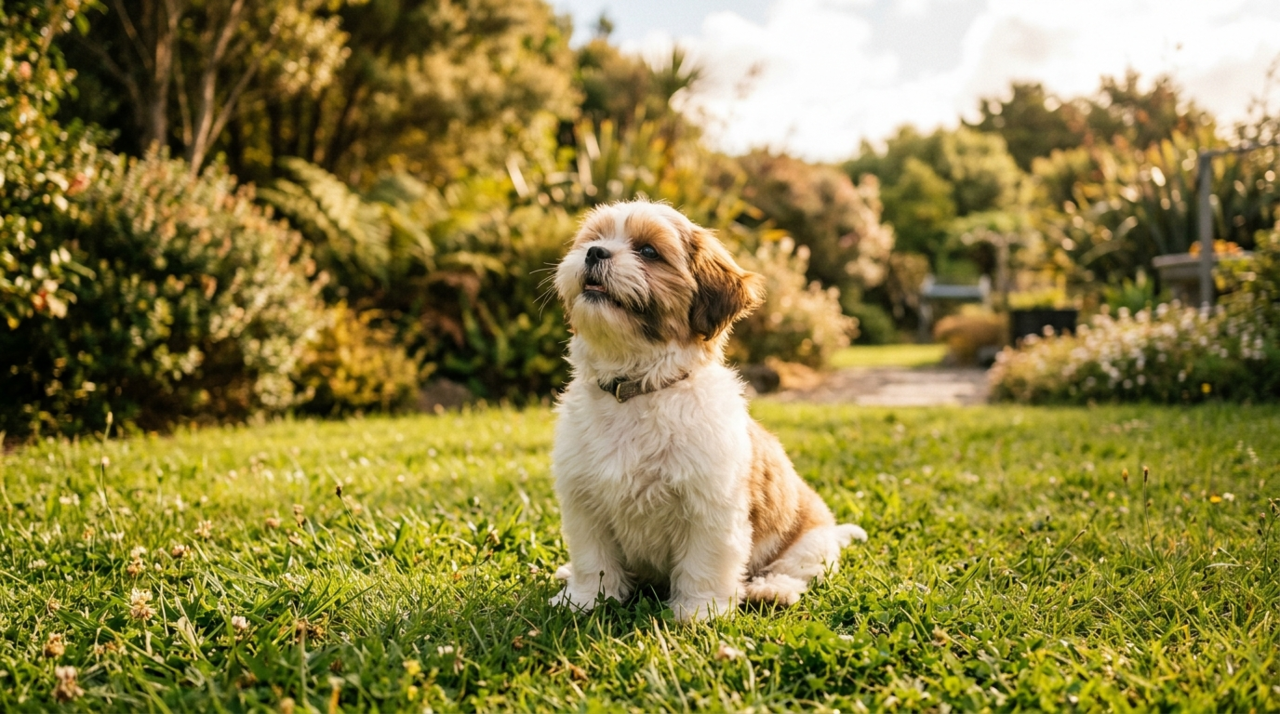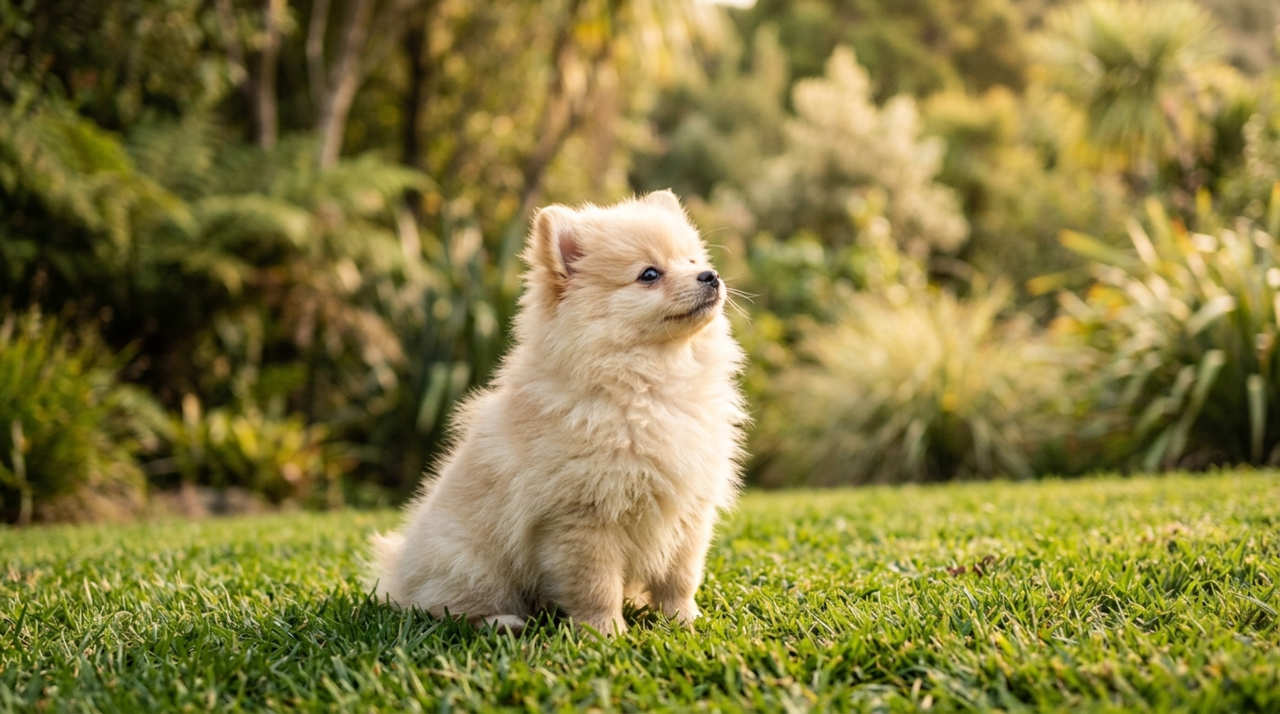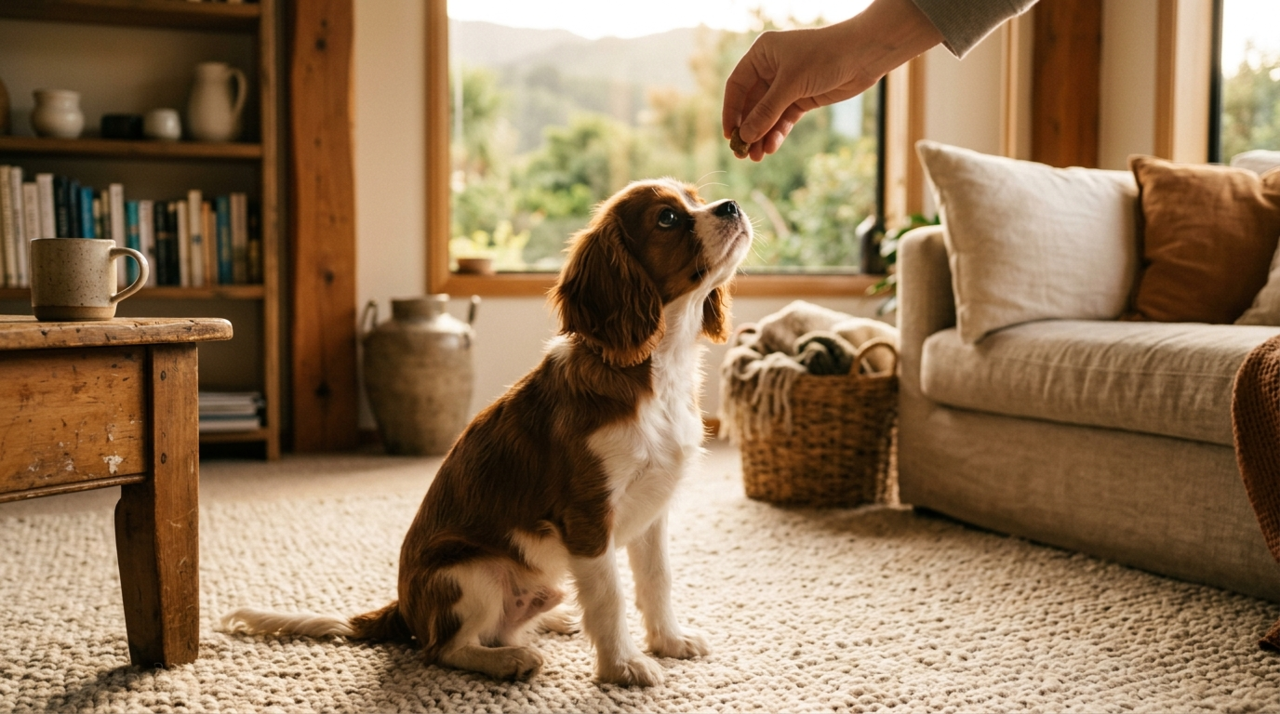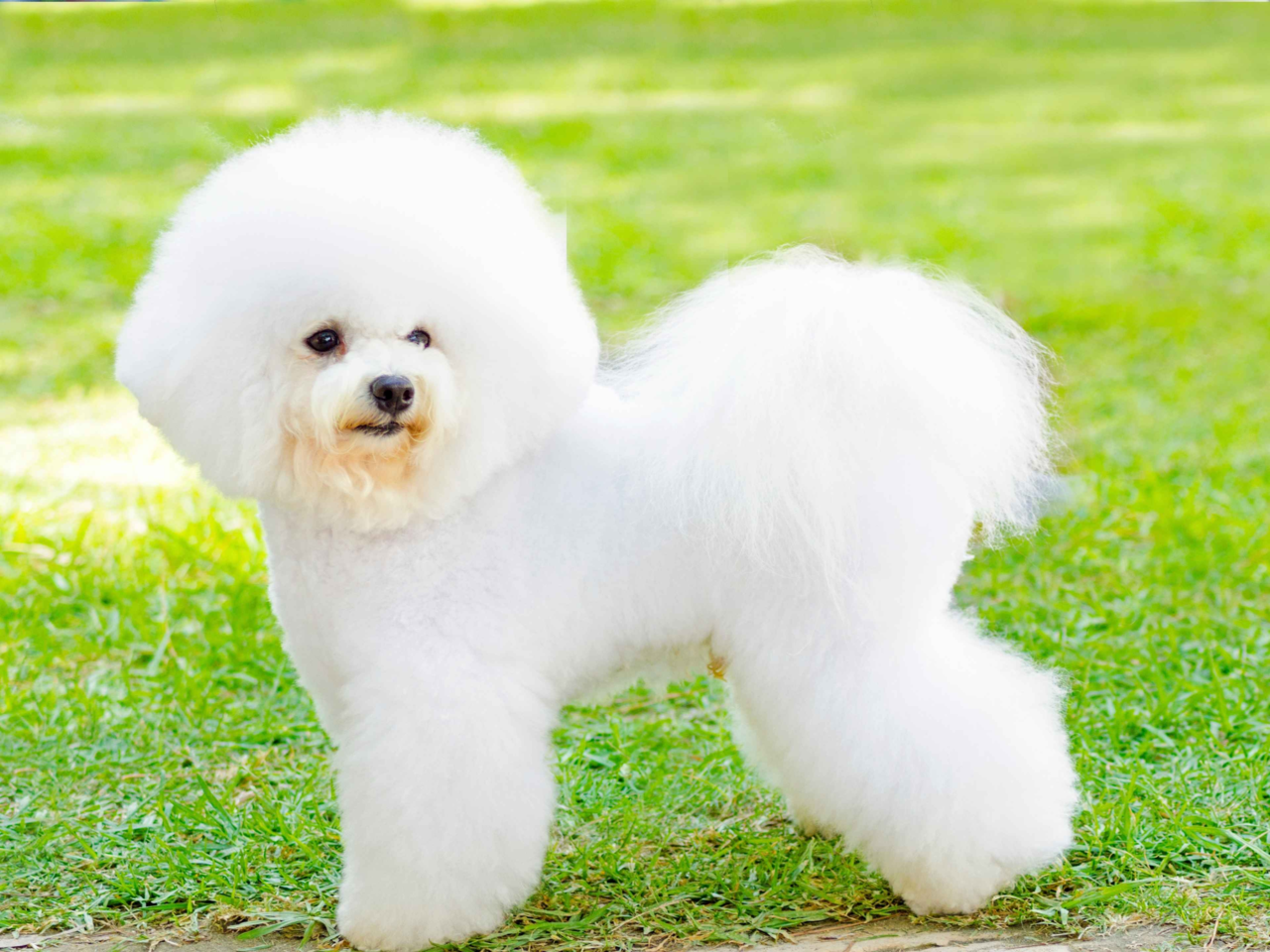
Bichon Frises are clever, affectionate companion dogs with a cheerful streak a mile wide. They learn quickly, love being near their humans, and respond beautifully to short, upbeat training sessions. The flip side is the famous Bichon stubborn streak when something isn't fun enough, and a real sensitivity to harsh tones, so the way you train matters as much as what you teach.
This is a Kiwi owner's guide to training a Bichon at any age. We'll cover the temperament traits worth knowing, the gear that suits a small fluffy companion breed, and a step-by-step routine for the basics.
Quick answer
Train a Bichon Frise with short, upbeat sessions of 5 to 10 minutes a few times a day, using a soft-voiced cue and small, tasty rewards. Focus early on toilet training, name recognition, sit, and a happy recall. Pair training with daily grooming handling from the start so they accept brushing, ear-checks and the groomer easily. Keep tone gentle, because Bichons shut down with harsh corrections.
What makes a Bichon Frise tick
Bichons were bred as companion dogs, not workers, which shapes everything about how they learn. They want to be with you, they care a lot about your mood, and they thrive on praise and play more than on drills.
Bright and biddable
Bichons pick up new cues quickly when training feels like a game. They get bored with repetition, so keep sessions short and varied.
Sensitive to tone
A sharp voice can shut a Bichon down fast. They respond best to a warm tone and a clear, calm marker.
People-focused
They love being near you and dislike being left for long stretches. Build alone-time gradually from puppyhood to prevent separation issues.
Famously stubborn about toileting
Bichons can be slow to toilet train. Consistency, frequent breaks, and rewarding the exact moment matter more than rules.
Love a routine
They settle quickly when meals, walks and grooming happen at predictable times. Routine reduces anxiety and clinginess.
Built for play
Despite the fluffy showdog look, Bichons are bouncy and love a game. Use toys and chase games as part of training, not just food.
The training kit for a Bichon
You don't need much, but a few pieces of gear make life easier. A clicker or marker word gives you a precise way to say "yes". A treat pouch keeps small, soft rewards within reach. A well-fitted harness protects a small, fine-boned neck on the lead.
Treats that suit small companion dogs
Bichons are small, so treats need to be too. Pea-sized, soft, and low-calorie work best for rapid-fire reward sessions. Break larger biscuits in half if needed.
Lead and harness
A soft mesh harness suits a Bichon's small frame better than a collar for lead work. Keep the lead short and loose, with the focus on staying near you rather than charging ahead.
The step-by-step training routine
Build the marker
Click (or say a soft "yes!") and pop a treat into their mouth straight away. Repeat 10 times. You're teaching the dog that the marker means a reward is on its way. Once they whip around at the sound, you can start using it to mark good behaviour you want repeated.
Name recognition and a happy recall
Say their name in a bright tone, mark and reward when they look. Then take a step back, say "come!" with the same energy and reward when they reach you. Bichons love a happy recall game. Never use their name or recall for telling off.
Sit, down and a settle
Lure with a treat above the nose for "sit", then down to the floor for "down". Mark and reward the second their bottom or elbows touch. For "settle", reward them quietly on a mat or bed so they learn that staying calm pays off too. This is the magic cue for restaurants and visits with family.
Toilet training with frequent breaks
Take a young Bichon outside every 1 to 2 hours, after meals, after play, and after sleep. Stay outside with them. The instant they go, mark and reward with their best treat. Bichons can take longer to toilet train than some breeds, so consistency over weeks matters more than any single technique.
Loose-lead walking
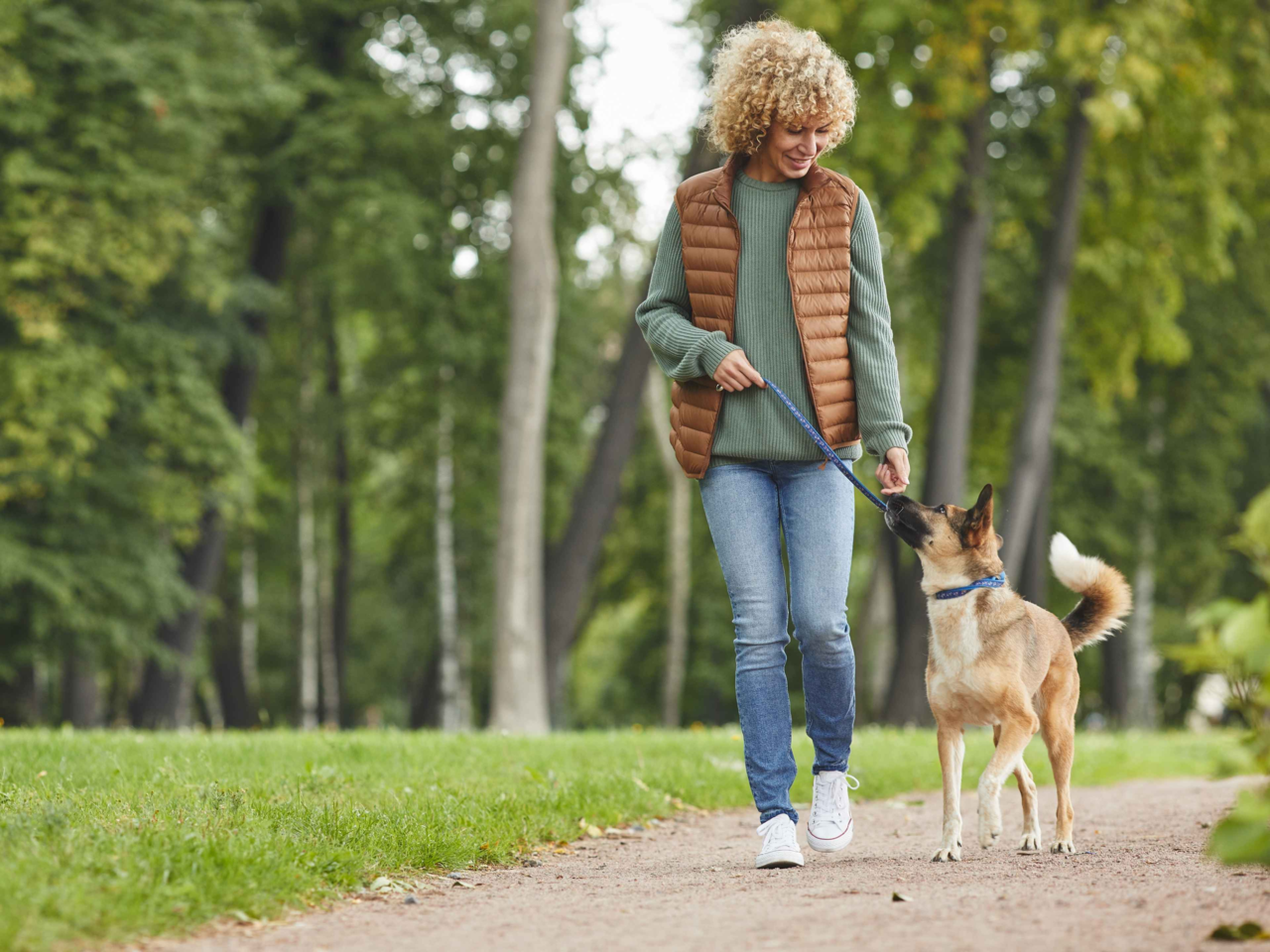
Start in the hallway, not on a busy street. Reward your Bichon every step or two while the lead is loose. The moment they pull, stop and wait. When they look back at you, mark, reward and start again. Five minutes of this beats 30 minutes of pulling.
Grooming co-operation
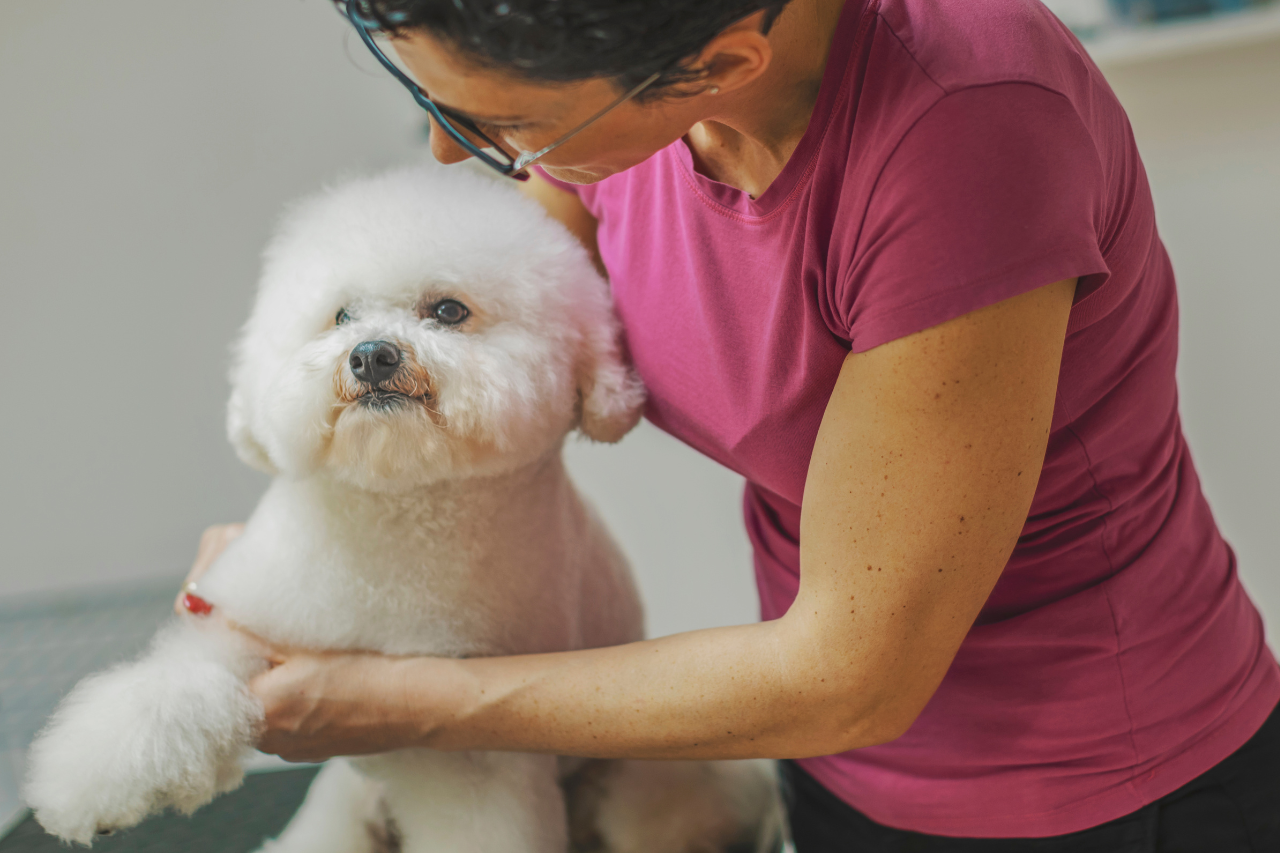
This is the one Bichon owners often skip and regret. Pair daily brushing, ear handling and paw touches with treats from puppyhood. A few minutes a day pays off for years of stress-free grooming appointments. Start with cheeks and shoulders, work up to the trickier bits gradually.
Alone-time, in tiny doses
Bichons are velcro dogs by nature, which can tip into separation anxiety if every minute is together. Start with 30 seconds behind a closed door while they're chewing something tasty. Build up gradually to longer stretches over weeks. Keep arrivals and departures low-key.
Enrichment between training sessions
A tired-brain Bichon is a happy Bichon. Snuffle mats, slow-feeders and stuffed Kongs give them a mental workout without much physical impact, which is perfect for a small companion breed.
Grooming and gentle hygiene as part of training
Tear staining and tangly white coats are part of life with a Bichon. Teach them to enjoy daily handling early and you'll save yourself years of wrestling at the groomer.
Frequently asked questions
How long does it take to train a Bichon Frise?
Basics like sit, name recognition and a soft recall come together within a couple of weeks of daily 5 to 10 minute sessions. Toilet training often takes longer with this breed, so plan for 4 to 6 months of consistency before you're fully home and dry.
Are Bichon Frises hard to toilet train?
They can be slower than some breeds. The fix is consistency, not new techniques. Take them out every 1 to 2 hours, stay outside, reward the second they go, and clean up indoor accidents with an enzyme cleaner so the scent doesn't linger.
Can I clicker-train an adult Bichon?
Absolutely. Adult Bichons take to clicker training quickly because they're bright and food-motivated. Start the same way you would with a puppy: charge the clicker first, then layer in cues.
What's the best treat for training a Bichon?
Small, soft and tasty. Pea-sized training bites or a tiny piece of cheese or chicken work brilliantly. Avoid anything too crunchy for rapid-fire reward sessions, and adjust their daily food slightly down if you're using lots of treats.
How do I stop my Bichon barking at visitors?
Train an alternative behaviour. Teach them to run to a mat for a treat when the doorbell rings, so the doorbell becomes a cue for "go to your spot" rather than "bark". Reward calm, ignore the barking, and ask visitors to wait until your Bichon is settled before greeting.
Do Bichons need a lot of exercise?
Less than you'd think. Two short daily walks plus a few play and training sessions are plenty. They're a small companion breed, not a working breed. Mental enrichment matters as much as physical exercise.
My Bichon ignores me at the park. What now?
Distraction is high outdoors, so go back to basics. Practise recall in the garden, then on a long line at a quiet park, then off-lead in safe areas once their recall is rock-solid. Bring their favourite treat for outdoor sessions only, so it becomes the "park-paying" reward.