Senior dogs need exercise. They just need a different kind, and probably less of it, than they did at five. The question almost every owner of an older dog ends up asking is the simple one: how much is enough, and how do I tell if I'm overdoing it or not doing enough? Both ends of the spectrum cause real problems. Too much wears on stiff joints and leaves them sore for days. Too little builds stiffness, weight gain and grumpy moods.
Here's a friendly NZ-focused guide to working out the right amount of exercise for your senior dog, with a rough guide by size, the signs that tell you you've got it right (or not), and how mental enrichment fits in. We're not a clinic, so anything new about how your dog is moving, or any sudden change in stamina, is worth a chat with your clinic.
Quick answer
Most senior dogs do well on roughly 30 to 60 minutes of physical activity per day, broken into two or three shorter sessions, with the intensity scaled to size, breed and condition. Mental enrichment counts as well, for an older dog, 20 minutes of sniffing, puzzle work or training is often as tiring as a 20-minute walk and easier on the joints. The right amount is the amount that leaves them tired but not sore, settled but not restless. Watch how they recover the next day, that's the real signal.
Senior Exercise at a Glance
Mins per day
Total physical activity, scaled to size and condition. Usually broken into 2-3 shorter sessions.
Mins enrichment
Of mental work (sniffing, puzzles, training) is roughly as tiring as 20 minutes of walking.
Sessions a day
Shorter and more frequent works much better than one big session for older joints.
Recovery window
If they're stiff or low-energy a full day later, the day before was too much.
Rough Daily Guide by Size
These numbers are starting points, not rules. Healthy senior dogs may handle more, dogs with arthritis or other conditions may need less. The important thing is to find the level that leaves your dog tired and settled, then stick with it.
| Size | Daily total | Session shape | Notes |
|---|---|---|---|
| Small senior (under 10kg) | 20-40 mins | 2 short walks of 10-20 mins | Many small breeds stay surprisingly active. Watch the weather more in summer. |
| Medium senior (10-25kg) | 30-60 mins | 2 walks of 15-30 mins | The sweet spot for most senior dogs. Sniff-walks beat power walks at this age. |
| Large senior (26-44kg) | 30-45 mins | 2 gentle walks of 15-20 mins | Joints carry more load at this size. Shorter walks more often beats one long one. |
| Giant senior (45kg+) | 20-40 mins | 2 short walks of 10-20 mins | Giant breeds age faster and feel joint stress sooner. Less is often more. |
If your dog is showing arthritis signs, has had a recent injury, or is recovering from anything, scale back from these numbers and build up gradually. The blog Is Your Dog Slowing Down or in Pain? covers how to tell when an exercise change is needed.
Are You Getting It Right? Two Sets of Signals
Looks about right
- Tired and settled an hour after the walk, not flopped and stiff
- Eats normally and sleeps well that night
- Same energy level the next morning as usual
- Loose, even movement throughout the day
- Still keen to go on the next walk
- Happy to do their full normal routine the day after
Probably too much (or too little)
- Stiff or limping the morning after a walk
- Refusing to get up from their bed for normal routines
- Restless evening pacing or whining
- Off food after a walk
- Sudden weight gain over weeks (probably not enough)
- Anxious, destructive or vocal at home (probably not enough)
- Slowing down dramatically mid-walk and not wanting to go on
The main thing to watch is recovery. If your dog is stiffer the next morning than they were before the walk, the walk was too much. If they're getting steadily less keen to go out, you might be pushing too hard or you might have a developing joint issue worth checking.
What "Exercise" Means for an Older Dog
For a senior dog, the goal is movement that supports joint health, keeps weight steady, and engages the brain. Not all of it has to be on the lead.
Sniff walks beat power walks
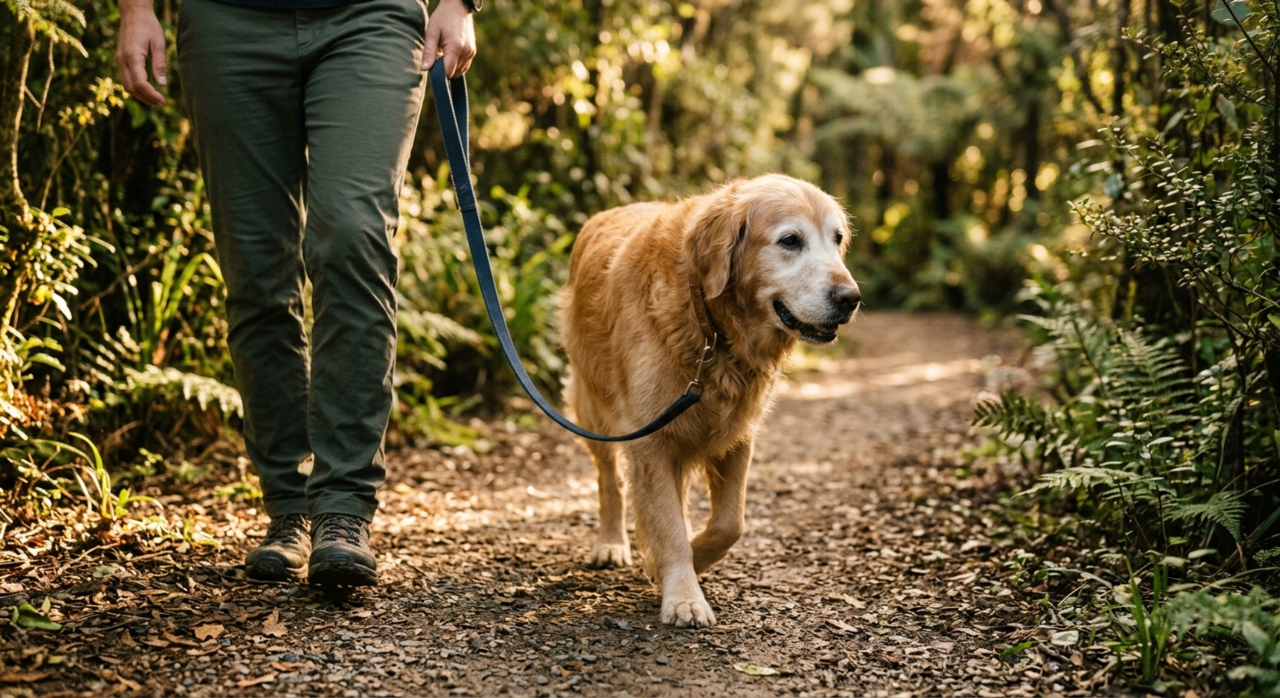
Slow, sniffy walks where your dog leads the pace tire them out more than brisk walks at your speed. Ten minutes of focused sniffing is real mental work.
Two shorter, not one longer
An older dog's joints prefer steady regular movement to one big effort. Two 20-minute walks beat one 40-minute walk almost every time.
Warm up first
A few minutes of slow indoor walking before you head out for a brisk walk loosens stiff muscles. Don't head straight from the warm couch into a cold fast walk.
Mental enrichment counts
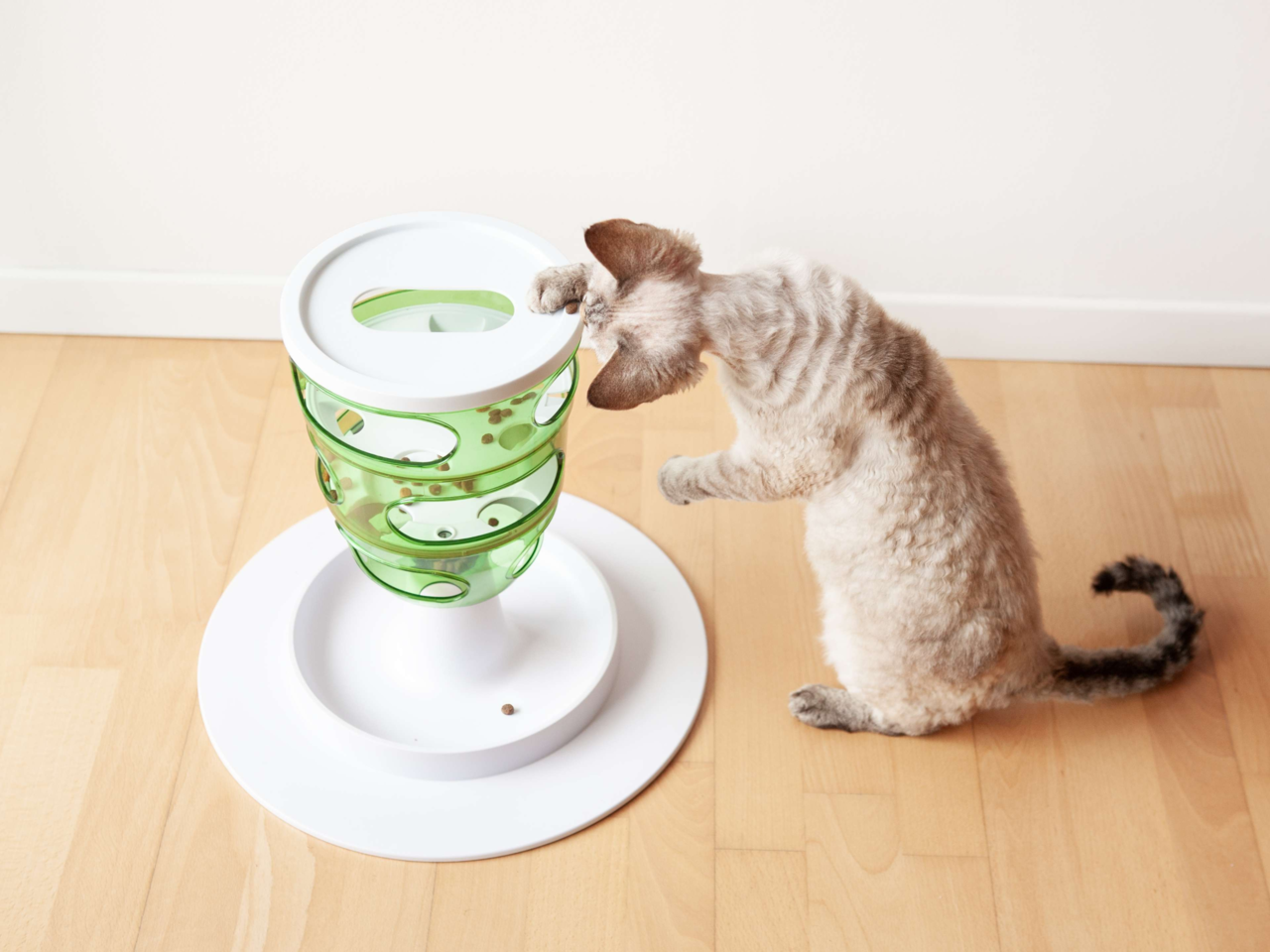
Puzzle feeders, snuffle mats, lick mats, scent games and short training sessions all count toward total daily activity. Especially valuable on rainy NZ winter days.
Skip the jumping
Help them in and out of the car, and consider a ramp or pet steps for the couch. Repeat jumping wears at older joints quickly.
Swimming, when available
If your dog enjoys water, swimming is gentle on joints and a great senior exercise. NZ summers and beach access make this an easy win for some breeds.
Walking Gear That Helps
The right gear takes the stress off both ends of the lead. Older dogs often benefit from a chest harness rather than a collar (no pressure on the neck), a shock-absorbing lead for steadier walks, and a longer training lead for sniffy off-grass exploring.
Mental Enrichment: The Quiet Workout
For senior dogs whose physical exercise is dialled back, mental enrichment is what fills the gap. It tires them in a different way and is gentle on joints. A daily 15-20 minute session usually shows up as a calmer, settled dog in the afternoon.
For more on building this into a daily routine, the blog Mental Enrichment for Senior Pets goes deeper.
Joint Support That Helps Recovery
If your senior dog is doing the right amount of exercise but still pulling up stiff, a daily joint supplement is the most popular at-home support. Give every day for at least 4 to 6 weeks before judging, these work over time, not on the day.
Many of these are great with Autodeliver since they work best when given consistently. Our full guide is at Joint Health for Senior Dogs.
A Realistic Senior Dog Day
Pulling it together, here's what a balanced day looks like for a typical 11-year-old medium-size dog:
- Morning: 20-25 minute sniffy walk after a few minutes of indoor warm-up. Slow pace, lots of stops.
- Mid-morning: stuffed lick mat or puzzle feeder breakfast for 15 minutes of mental work.
- Afternoon: short play session (a few rounds of low-toss fetch, or a snuffle mat) for 10-15 minutes.
- Evening: 15-20 minute calm walk, ideally before dinner. Dry off properly if it's wet.
- After dinner: settled chew time on a comfortable bed.
Total: roughly 40-50 minutes physical, 15-25 minutes mental. Adjust up or down based on size, condition and how they're recovering.
Frequently Asked Questions
How long should I walk my 12-year-old dog?
For most 12-year-old dogs, 30-45 minutes of total walking per day, split into two shorter walks, is a sensible starting point. Scale up for healthy small breeds and down for giant breeds or any dog with joint issues. Watch how they recover the next day for the real answer.
Is one long walk a day okay for a senior dog?
Two shorter walks almost always works better than one long walk. Joints prefer steady regular movement to a single big effort, and most senior dogs settle better when they have something to look forward to in the afternoon.
How do I tell if my senior dog is getting enough exercise?
Signs that they probably are: they're settled and content at home, sleeping well, maintaining a steady weight, and still keen to go out when the lead comes off the hook. Signs they might not be: weight gain, restlessness, anxious behaviour, destructive chewing or pacing in the evening.
Can I take my senior dog hiking?
Some senior dogs love a gentle hike with their family. The keys are matching the route to their fitness, building up gradually, plenty of water and rest stops, and watching them carefully through the rest of the day for signs of overdoing it. Steep, rocky or long-distance routes are best left for younger dogs.
What's the best exercise for an arthritic senior dog?
Gentle, regular, low-impact activity. Slow sniffy walks on flat ground, swimming if they enjoy it, and plenty of mental enrichment that doesn't require physical effort. Avoid jumping, fetch on hard ground, and long bursts of running. Daily routine matters more than intensity.
Can mental enrichment really replace a walk?
Not entirely, since walks also provide bladder relief, environmental stimulation and joint movement. But on a wet NZ winter day when a walk isn't going to happen, 20 minutes of focused mental work is a much better alternative to nothing. Most days a senior dog benefits most from both, in smaller doses.
My senior dog still wants to play like a puppy. Should I let them?
Match the play to what their body can handle, not what their brain wants. Short, controlled, low-impact play sessions with breaks are great. Long, repetitive, high-jumping or hard-running play can leave them sore for days even if they seem keen at the time. You're allowed to call time on a session.
How much exercise do small senior dogs need?
Small senior dogs (under 10kg) usually do well on 20-40 minutes a day in two short sessions. Many small breeds stay quite active well into their senior years, so don't assume they need much less than they used to. The recovery test still applies, match the level to how they handle the day after.
What if my senior dog refuses to go on walks?
That's worth paying attention to. A senior dog who's actively refusing usually has a reason: pain, fatigue, or fear of something on the route. Try a different time of day, a different route, or a much shorter session. If the refusal continues, it's worth getting checked at your clinic.