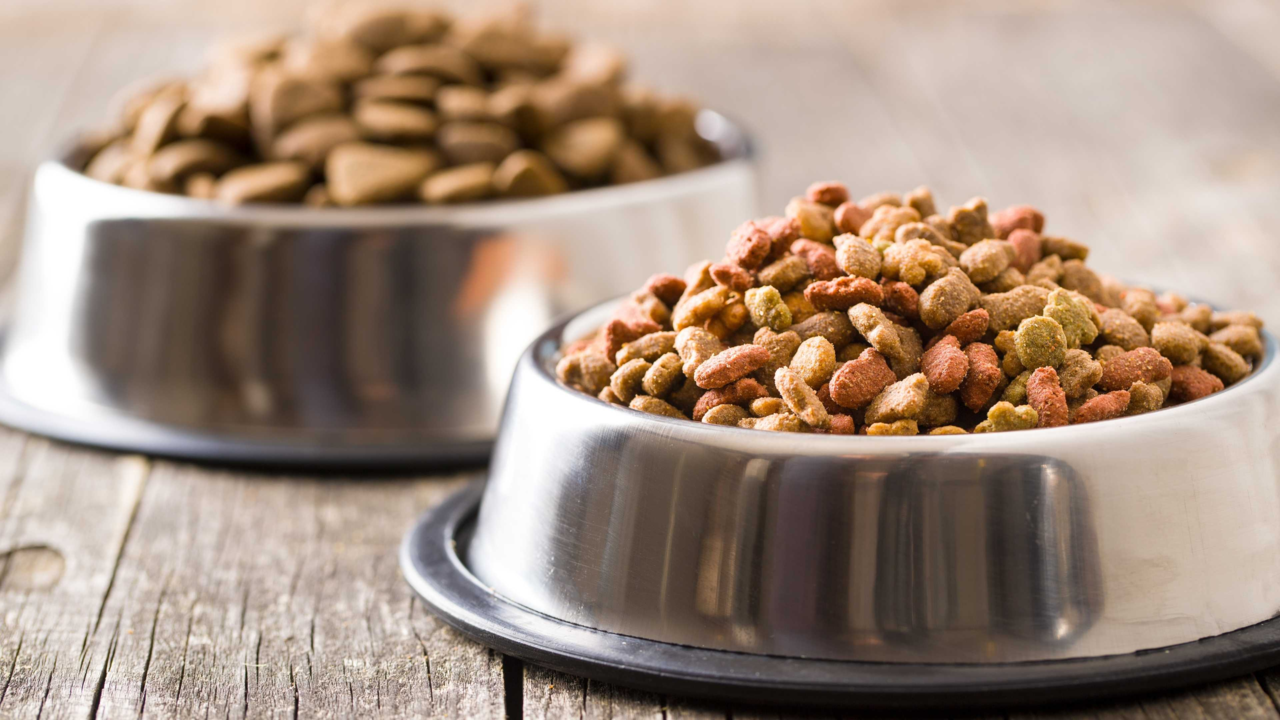
Freeze-dried and air-dried pet foods can look similar on the shelf. Both remove moisture to create a concentrated, shelf-stable food, and both are often made with a high proportion of animal ingredients. The important difference is how that moisture is removed.
Freeze-drying uses very low temperatures and a vacuum, while air-drying uses circulating warm air. That changes the texture, serving style and sometimes the price, but the processing method alone does not tell you whether a food is right for your dog or cat. The recipe, nutritional adequacy, food-safety controls and feeding guide matter just as much.
Quick answer
Choose freeze-dried food if you want a light, crumbly texture that can often be served dry or rehydrated. Choose air-dried food if you prefer dense, chewy pieces that pour and store more like dry food. For everyday feeding, check that the pack says the recipe is complete and balanced for your pet's life stage. If it is labelled as a topper, mixer or treat, use it alongside a complete diet rather than as the whole meal.
Freeze-dried vs air-dried pet food at a glance
Both methods make food lighter and more convenient than fresh or frozen food. Here is the practical difference most pet parents will notice.
| What to compare | Freeze-dried food | Air-dried food |
|---|---|---|
| How moisture is removed | Food is frozen, then moisture leaves as vapour under a vacuum | Warm, moving air gradually evaporates moisture |
| Texture | Light, dry and crumbly | Dense, soft-chewy or jerky-like |
| Serving | Often served dry or rehydrated, depending on the label | Usually served straight from the bag |
| Portion size | Small-looking portions because the food is concentrated | Also concentrated, with dense pieces and modest serving sizes |
| Convenience | Easy to crumble as a topper, but rehydrating adds a step | Easy to scoop, travel with and use as a training reward |
| Food safety | Low moisture limits growth, but freeze-drying alone is not a reliable pathogen kill step | Uses warmth, but safety still depends on validated processing and quality control |
What is freeze-dried pet food?
Freeze-drying begins by freezing the prepared food. It is then placed under a vacuum so the frozen water changes directly from ice into vapour. This is called sublimation. Because the process avoids the higher heat used in many other drying methods, it can help preserve the original shape, aroma and some heat-sensitive nutrients.
The finished pieces are very light and porous. Many can soak up warm water quickly, which makes freeze-dried food useful for pets that enjoy a softer meal. Rehydration can also add fluid to the bowl, although you should always follow the brand's serving directions.
Why pet parents choose it
- Strong aroma and meaty texture can appeal to selective eaters.
- Lightweight pieces are simple to portion, crumble or pack for travel.
- Some recipes can be fed as a complete meal, while others work as toppers.
- Adding water can create a softer texture and increase moisture at mealtime.
Popular options include K9 Natural Lamb & King Salmon Feast Freeze Dried Dog Food, Feline Natural Chicken & Lamb Feast Freeze Dried Cat Food and Animals Like Us RawMix33 with Cage-Free Chicken Freeze Dried Dog Food. The last option combines kibble with freeze-dried raw pieces, which can suit households wanting a middle ground rather than a fully freeze-dried meal.
What is air-dried pet food?
Air-drying uses controlled warmth and circulating air to remove moisture over time. The pieces generally stay denser than freeze-dried food and often have a soft-chewy, jerky-like feel. They are usually ready to serve straight from the pack, with no soaking required.
Heat can affect some heat-sensitive nutrients, but that does not automatically make air-dried food less nutritious. Reputable manufacturers formulate the finished recipe to meet its nutritional target. Look at the complete product, not one processing claim.
Why pet parents choose it
- Dense pieces are easy to scoop and do not crumble as readily in the bag.
- Many pets enjoy the chewy texture and concentrated aroma.
- The pieces can be convenient for travel or occasional training rewards.
- It offers a high-meat style of feeding without freezer storage or rehydration.
Examples include ZIWI Peak Chicken Air Dried Dog Food, ZIWI Peak Chicken Air Dried Cat Food and The NZ Natural Pet Food Co Woof Wild Venison Air Dried Dog Food.
Is freeze-dried food more nutritious than air-dried food?
Not necessarily. Freeze-drying uses less heat, which may help retain some heat-sensitive compounds. Air-drying uses gentle warmth, but manufacturers can account for expected processing changes when they formulate the finished recipe. Ingredient quality, formulation, testing and how the food is stored all affect the final nutritional value.
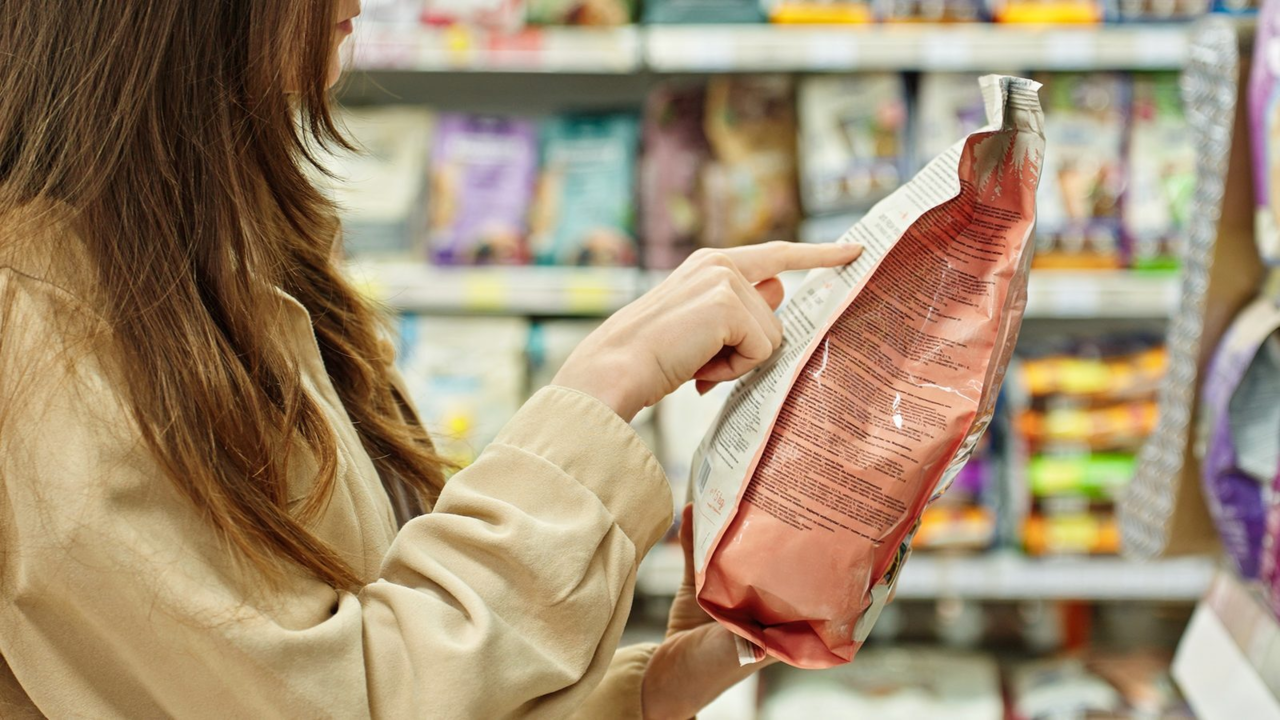
The most useful check is the nutritional adequacy statement. A complete and balanced food is designed to provide the nutrients your dog or cat needs when fed according to the guide. A complementary food, topper or treat is not intended to replace the whole diet, even if the ingredient list looks impressive.
Read the feeding guide carefully
These foods contain very little water, so nutrition and kilojoules are concentrated into smaller portions. A bowl can look surprisingly light compared with kibble or wet food. Weigh the daily amount where possible and include toppers and training pieces in your pet's overall intake.
Food safety and handling
Removing moisture makes food shelf-stable because bacteria need available water to multiply. It does not mean the food is sterile. Freeze-drying can leave bacteria dormant, so it should not be treated as a guaranteed kill step for raw ingredients. Air-drying uses warmth, but the time, temperature and validated safety controls vary between manufacturers.
Choose reputable brands that explain their food-safety process and follow the storage instructions on the pack. Wash your hands, utensils and bowls after handling the food. Keep the bag sealed in a cool, dry place and use it within the stated period after opening.
Take extra care after adding water
Once freeze-dried food is rehydrated, it is no longer a dry shelf-stable meal. Prepare only what your pet will eat, discard leftovers promptly and wash the bowl. Do not leave a rehydrated raw-style recipe sitting at room temperature for long periods.
Which type is right for your pet?
Choose freeze-dried if
You want a light food that can often be crumbled or softened with water, your pet likes a strong aroma, or you want a convenient topper with a raw-style texture.
Choose air-dried if
You want a ready-to-serve, dense food with a chewy texture, less mess in the bag, and pieces that may also be convenient for travel or rewards.
Choose based on the label if
Your pet has a specific life stage, calorie target or dietary need. The adequacy statement, ingredient list and feeding guide are more important than the drying method alone.
For pets with a diagnosed health condition, a history of food reactions or a prescribed diet, check with your clinic before changing foods. A product that suits one pet may not suit another, even when both are made using the same drying method.
How to change to freeze-dried or air-dried food
- Check whether the new product is a complete food or a complementary topper.
- Work out the correct daily amount from the pack rather than matching the volume of the old food.
- Introduce a small amount alongside the current food and increase it gradually over about seven to ten days.
- Watch appetite, stools, skin comfort and body condition during the change.
- Keep fresh drinking water available, especially when feeding a low-moisture diet dry.
Some pets need a slower transition. If your dog or cat develops ongoing digestive upset, stops eating or seems unwell, pause the change and contact your clinic.
Common questions
Do I have to add water to freeze-dried pet food?
Not always. Some recipes can be served dry or rehydrated, while others have specific preparation directions. Follow the label. If you add water, treat the meal as fresh food and remove leftovers promptly.
Is air-dried food the same as kibble?
No. Kibble is usually cooked and shaped through extrusion, while air-dried food has moisture removed by warm circulating air. Both can be complete and balanced, so compare the individual recipes rather than assuming one format is always better.
Can I use either food as a topper?
Yes, provided you adjust the main meal so the extra food does not add too many kilojoules. A complete food can be used as part of the daily ration. A topper or treat should remain a smaller addition.
Which one lasts longer after opening?
It depends on the recipe, packaging and storage instructions. Keep the bag tightly sealed, protect it from heat and moisture, and use the food within the manufacturer's recommended period.
Explore dried pet food
Compare complete meals, toppers and different textures for your dog or cat. Check the feeding purpose on each pack before choosing.
Shop dog foodShop cat food