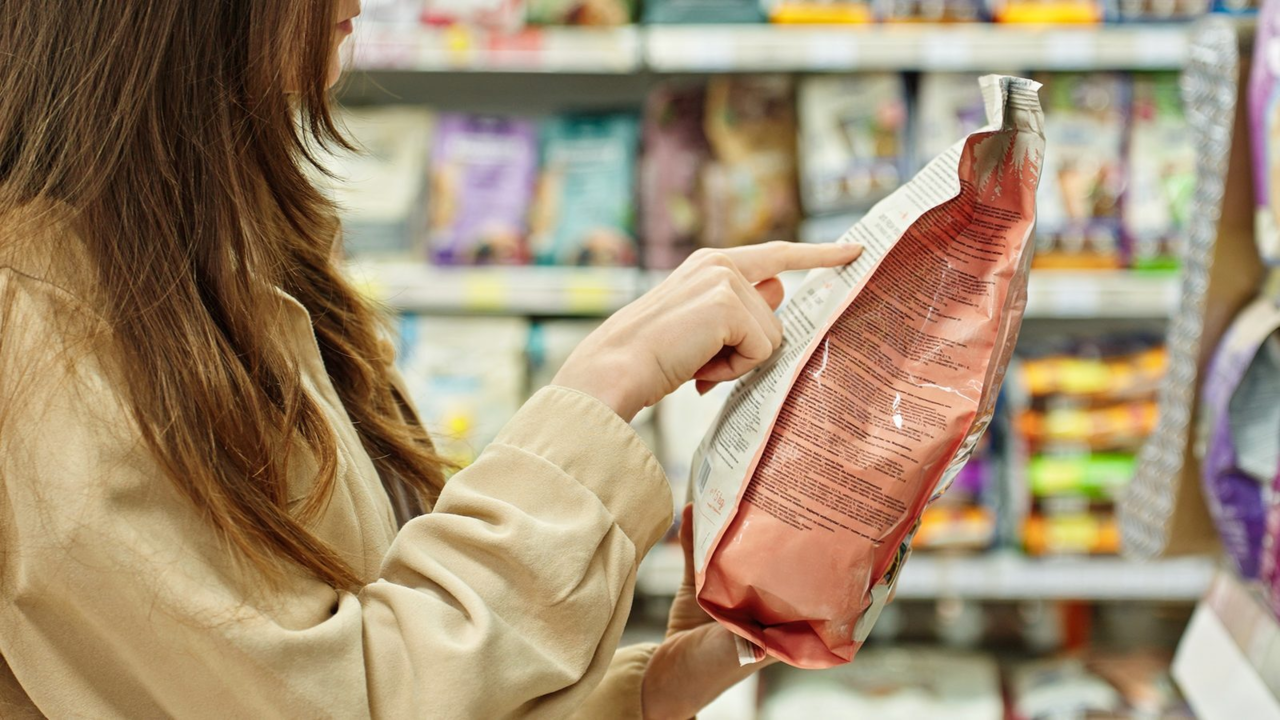
That tiny date printed on a pet food bag, can or pouch carries useful information, but it does not tell the whole freshness story. The wording matters, the date generally assumes the pack is unopened, and storage after purchase can make a big difference. Learning what to check helps you buy the right amount, reduce waste and serve food with more confidence.
Quick answer
Check the exact wording beside the date, then read the manufacturer's storage instructions. A best-before date usually refers to the unopened product's expected quality when stored correctly. Once the pack is opened, air, warmth, moisture and handling affect freshness, so mark the opening date, keep the batch details and follow the pack's after-opening directions.
Where to find the date and batch details
Pet food dates can be printed, stamped, embossed or laser-marked. On dry food bags, check the back panel, top seal and bottom gusset. On cans, look at the base or lid. Pouches and trays often carry the date along a sealed edge or on the back panel.
Nearby, you may see a batch or lot code. Keep that code as well as the date. It links the food to a particular production run and is useful if the manufacturer needs to investigate a quality concern or identify affected stock.
Photograph the label
Before recycling a large bag or outer carton, take a clear photo showing the full product name, date, batch code and barcode. If you decant dry food, keep the original bag or place the entire bag inside your storage container.
Best-before, use-by and expiry: what is the difference?
Start with the words that actually appear beside the date rather than treating every printed date as identical. Brands may use wording such as best before, best by, use by or expiry date. Check the manufacturer's explanation if the meaning is unclear.
A best-before date is generally about the expected quality of an unopened product stored as directed. It is not a promise that opened food will stay fresh until that date. Opening the pack exposes food to oxygen, humidity, kitchen heat, utensils and other environmental factors.
A use-by or expiry statement should be treated more strictly. Do not assume a smell test overrides the printed instruction. If the date is unreadable, the seal is damaged or you are unsure how the food has been stored, ask the manufacturer before feeding it.
How the date changes once food is opened
| Food type | What the printed date usually assumes | What to do after opening |
|---|---|---|
| Dry food and treats | The original pack is sealed and stored in a cool, dry place. | Reseal tightly, keep the food dry, write down the opening date and follow the brand's directions. |
| Cans, pouches and trays | The package is unopened, intact and stored as instructed. | Cover and refrigerate leftovers promptly, then use within the timeframe stated on the label. |
| Freeze-dried food | The pack remains sealed and protected from moisture. | Close the pack firmly and follow separate instructions for dry and rehydrated portions. |
| Frozen or chilled food | The required cold chain has been maintained. | Follow the storage, thawing and discard directions on that specific product. |
Dry food
Dry food may look unchanged even when its fats have begun to oxidise. Fold or zip the bag closed after each use and store it away from sunlight, steam and damp floors. If you use a lidded bin, placing the whole bag inside preserves the manufacturer's protective packaging and keeps the identifying information with the food.
Wet food
Once a can, pouch or tray is open, refrigerate unused food promptly in a covered container or with a suitable lid. Do not leave a large portion sitting in a warm room for later. Use the pack's after-opening timeframe and throw away leftovers if you cannot confirm how long they have been out or refrigerated.
Freeze-dried, frozen and chilled food
These formats need their own instructions. Rehydrated freeze-dried food can have different handling requirements from the dry product. Frozen and chilled foods depend on correct temperatures before and after opening. Avoid applying a rule from kibble or canned food to these formats.
A simple storage routine that protects freshness
Five habits to use with every new pack
- Inspect the packaging before purchase and avoid packs with tears, leaks, swelling, heavy dents or broken seals.
- Check that your pet is likely to finish the food comfortably within the label's guidance after opening.
- Write the opening date on the pack with a marker or removable label.
- Use clean, dry scoops and bowls, and wash storage containers before adding a new bag.
- Finish the older pack before opening another one, rather than topping new food onto old crumbs.
Choose a cool, dry cupboard away from the oven, hot-water cupboard, sunny windows and humid laundry areas. Heat and moisture can affect both safety and nutrient quality. Secure food so pets cannot help themselves, especially where different animals eat different diets.
How to buy a pack size you can finish
The largest bag is not automatically the best value if it stays open for too long. Check the feeding guide for your pet's approximate daily amount, then compare that with the pack weight. For example, divide the bag's weight in grams by the grams fed per day to estimate how many days it may last. Allow for more than one pet, mixed feeding and treats.
Feeding guides are starting points, so use your pet's actual portion rather than the biggest number in the table. A dedicated scoop and digital scale can make daily portions more consistent and help you estimate when to reorder.
Signs pet food should not be served
Do not rely on the date alone. Stop and inspect the food if the package is damaged or the contents look, smell or feel different from normal. Warning signs include:
- a sour, rancid or unusually strong smell
- mould, insects, webbing or unexpected moisture
- oiliness, clumping, fading or a major colour change
- a swollen or leaking can or pouch
- a broken seal, torn bag or water-damaged carton
- a foreign object in the food
- sudden refusal from a pet who normally eats it readily
If your pet becomes unwell
Stop feeding the suspect product and keep the packaging, remaining food, date and batch details. Contact your local clinic promptly if your pet develops vomiting, diarrhoea, marked tiredness, pain or another sudden change after eating it. The manufacturer may also ask for photos and purchase details.
What to do with out-of-date or questionable food
Follow the strictest instruction printed on the pack. If food is past a use-by or expiry date, or if there are spoilage or packaging concerns, do not feed it. Seal it securely so pets and wildlife cannot reach it, then dispose of it according to local waste guidance.
If a newly purchased product has a date problem, contact the retailer or manufacturer before discarding the packaging. Do not donate food that you would not confidently feed to your own pet. If the date is approaching but the pack is still sealed and sound, plan to use it first while staying within the manufacturer's directions.
Frequently asked questions
Is best before the same as expired?
Not necessarily. Best-before wording generally relates to expected quality, while use-by or expiry wording should be treated more strictly. Read the exact label and ask the manufacturer if it is unclear.
Can opened dry food last until the best-before date?
The printed date commonly assumes the pack is unopened and stored correctly. Once opened, freshness depends on the product, packaging, storage and handling. Follow the brand's after-opening guidance.
Should I pour kibble into a plastic container?
The simplest option is to place the whole original bag inside a clean, dry, lidded container. If you decant it, keep the date and batch information and wash and dry the container fully between bags.
Can I mix a new bag with the last of the old one?
Finish the older food first and clean the container before adding a new bag. Topping up can leave old fats and crumbs against the container and makes batch tracking harder.
How long can wet pet food stay in the bowl?
Room temperature, food type and the manufacturer's directions all matter. Serve an appropriate portion, refrigerate unused food promptly and discard bowl leftovers if you are unsure how long they have been sitting out.
What if I cannot read the date?
Do not guess. Keep the pack and contact the manufacturer with the product name and batch details. If neither the date nor safe storage history can be confirmed, choose a replacement.
Choose food that fits your pet and your routine
Compare formats and pack sizes, then use the label and storage instructions to keep every meal at its best.
SHOP CAT AND DOG FOODRelated reading
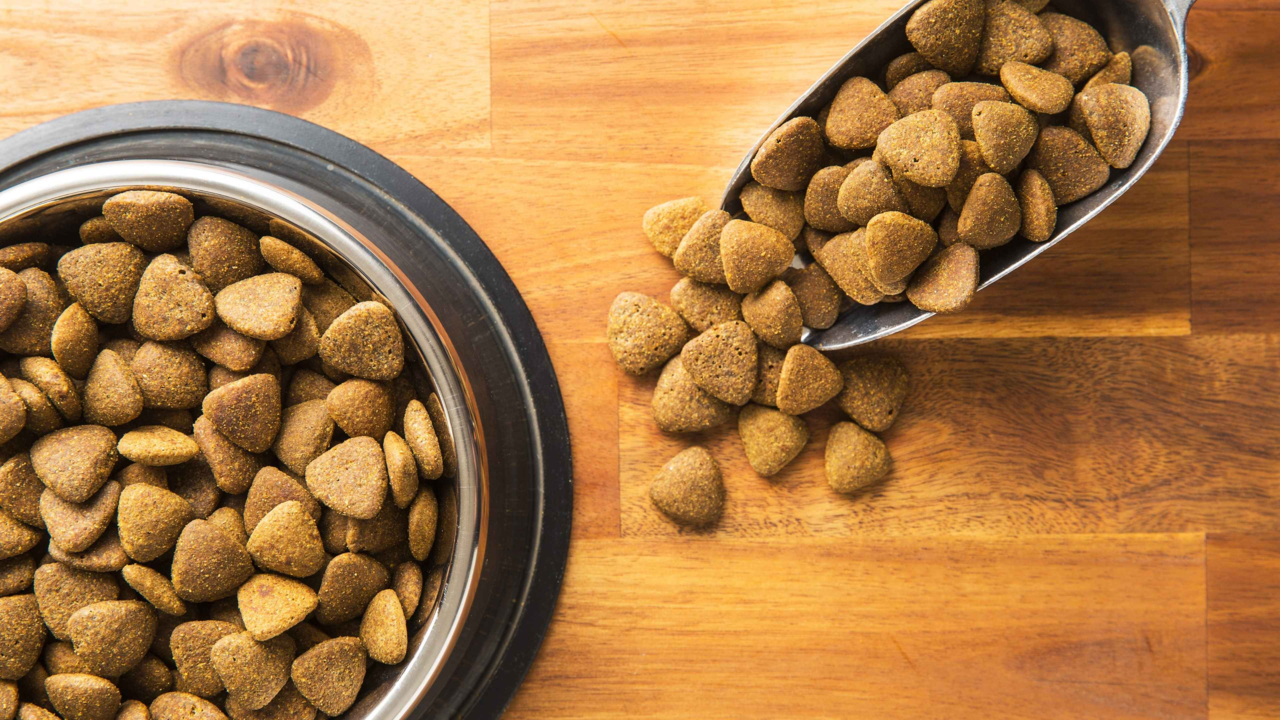
How to Store Pet Food Properly: Keep It Fresh, Safe and Nutritious
How to Read Pet Food Labels: a Guide for NZ Pet Parents
How to Safely Switch Dog Food Without Causing Tummy Upset
Wet vs Dry Cat Food: Which Is Healthier for Your Cat?

Best Dog Food for Sensitive Stomachs in NZ

Best Cat Food in New Zealand