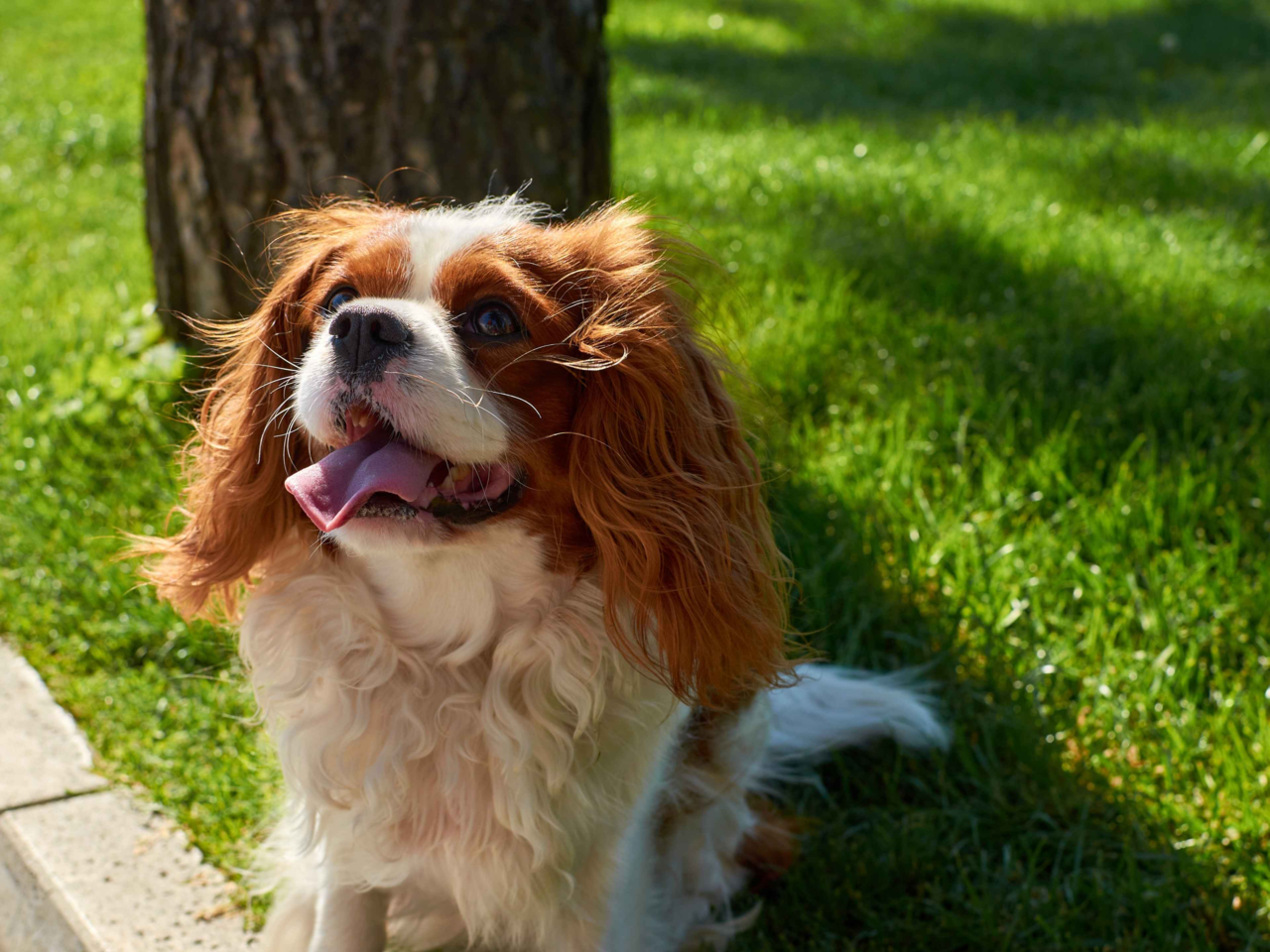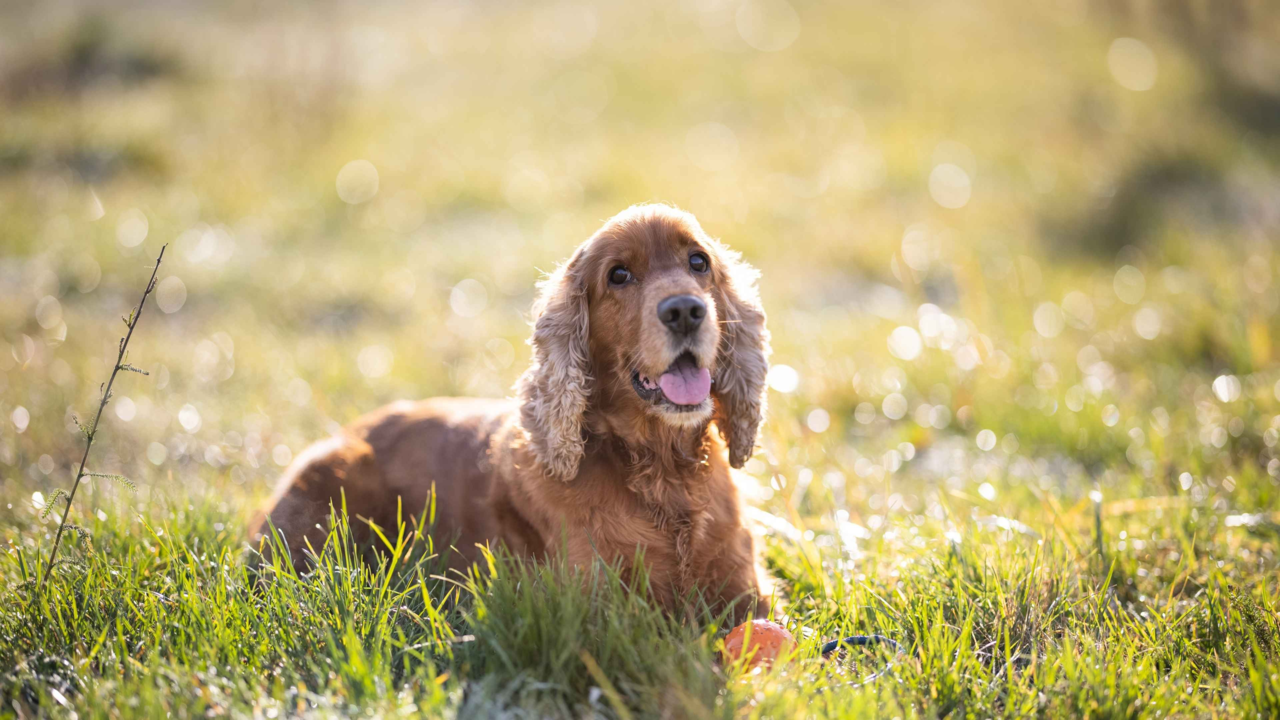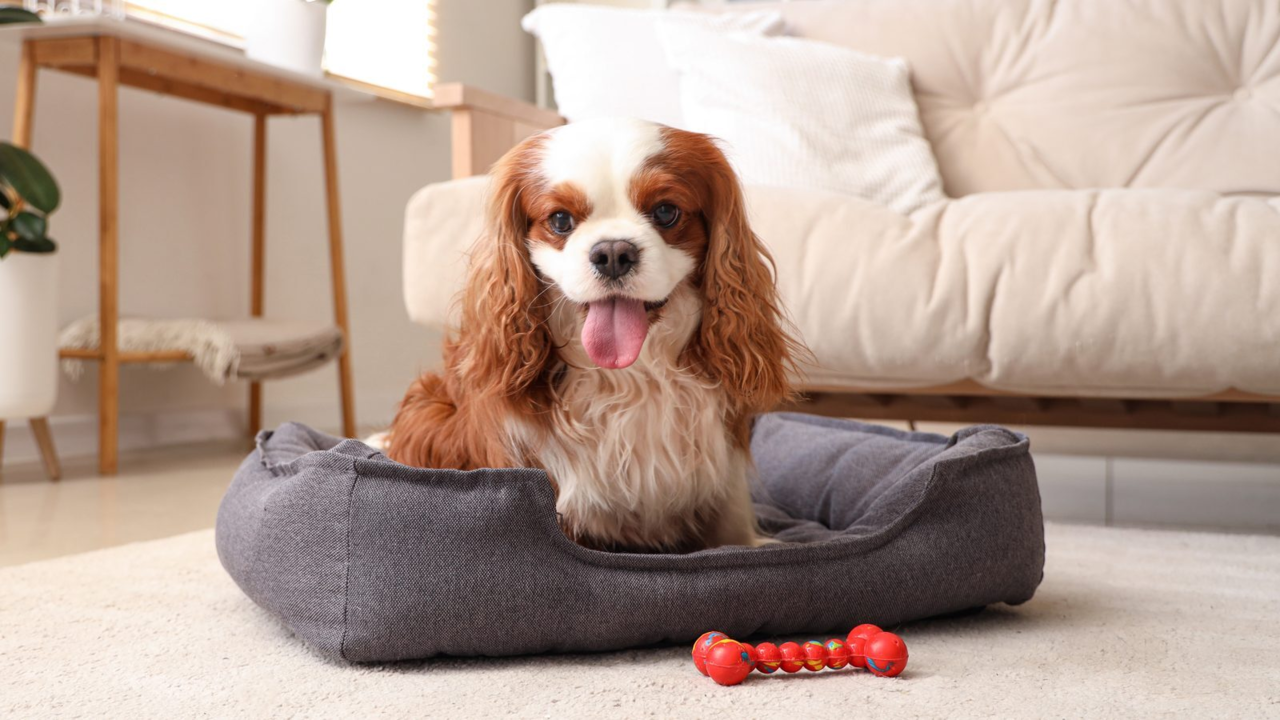
With their silky ears, gentle expression and cheerful nature, the Cavalier King Charles Spaniel is easy to adore. These small companion dogs are playful enough for family adventures and cuddly enough for a quiet afternoon on the sofa.
Cavaliers are adaptable, but they are not ornaments. They need daily exercise, regular coat and ear care, kind training and plenty of companionship. Understanding that mix is the key to helping one thrive in a Kiwi home.
Quick answer
Cavalier King Charles Spaniels are affectionate, social and eager to please. Most adults suit around one hour of daily activity, split between walks, play and sniffing. Their silky coat needs brushing several times a week, their long ears need regular checks, and gradual alone-time training helps prevent them becoming overly dependent on constant company.
Cavalier King Charles Spaniel at a glance
The Cavalier is a toy spaniel with the heart of an active little dog. Breed standards give a useful guide, although individual dogs can sit outside these averages.
| Trait | Typical range | What it means at home |
|---|---|---|
| Height | About 30 to 33 cm | Compact enough for smaller homes, with room still needed for play and rest. |
| Weight | About 5.4 to 8 kg | A small dog whose weight can climb if portions and treats are not measured. |
| Lifespan | Around 12 to 15 years | A long-term companion whose needs will change from puppyhood to senior life. |
| Coat | Long and silky with feathering | Regular brushing helps prevent tangles around the ears, chest, legs and tail. |
| Temperament | Gentle, social, playful and people focused | They usually enjoy close family life and can find long periods alone difficult. |
What is a Cavalier's temperament like?
Cavaliers were bred for companionship, and that history still shows. Many are affectionate with familiar people, welcoming with visitors and keen to be involved in whatever the household is doing. Their soft nature can make them responsive to calm guidance, but harsh corrections may worry them or reduce their confidence.
With children
Well-socialised Cavaliers can be lovely family dogs. Teach children to give them space while eating or sleeping, and supervise play so a small dog is not accidentally overwhelmed.
With other pets
Many live happily with other friendly dogs and cats after thoughtful introductions. Their spaniel instincts can make birds and fast-moving outdoor animals especially interesting.
When left alone
They often prefer company and may struggle if independence is never practised. Build calm alone time in tiny steps, starting when they first arrive home.
Build independence early
Let your Cavalier relax in their own bed while you move around the house, reward quiet settling and practise brief departures that end before they become distressed. The goal is confidence, not simply tiring them out before you leave.
How much exercise does a Cavalier need?
Many adult Cavaliers enjoy about one hour of activity each day. This can include two walks of 20 to 30 minutes, a play session and time to sniff. Puppies need shorter, gentler outings while they grow, while older dogs may prefer several easy sessions rather than one long walk.
A strong scent drive can send a Cavalier after birds or an interesting smell, so use secure areas for off-lead freedom and keep recall practice rewarding. A well-fitted Y-shaped harness can help avoid pressure on the neck while allowing comfortable shoulder movement. Check the fit carefully and choose a design suited to your dog's shape.
Walk for connection
Mix steady walking with opportunities to sniff. A walk does not need to be fast to be enriching.
Play in short bursts
Try gentle fetch, food searches or simple toy games. Stop before excitement turns into frantic behaviour.
Adjust to the day
Heat, age, fitness and comfort all matter. On quieter days, replace some distance with indoor training or scent games.
Training a Cavalier with kindness
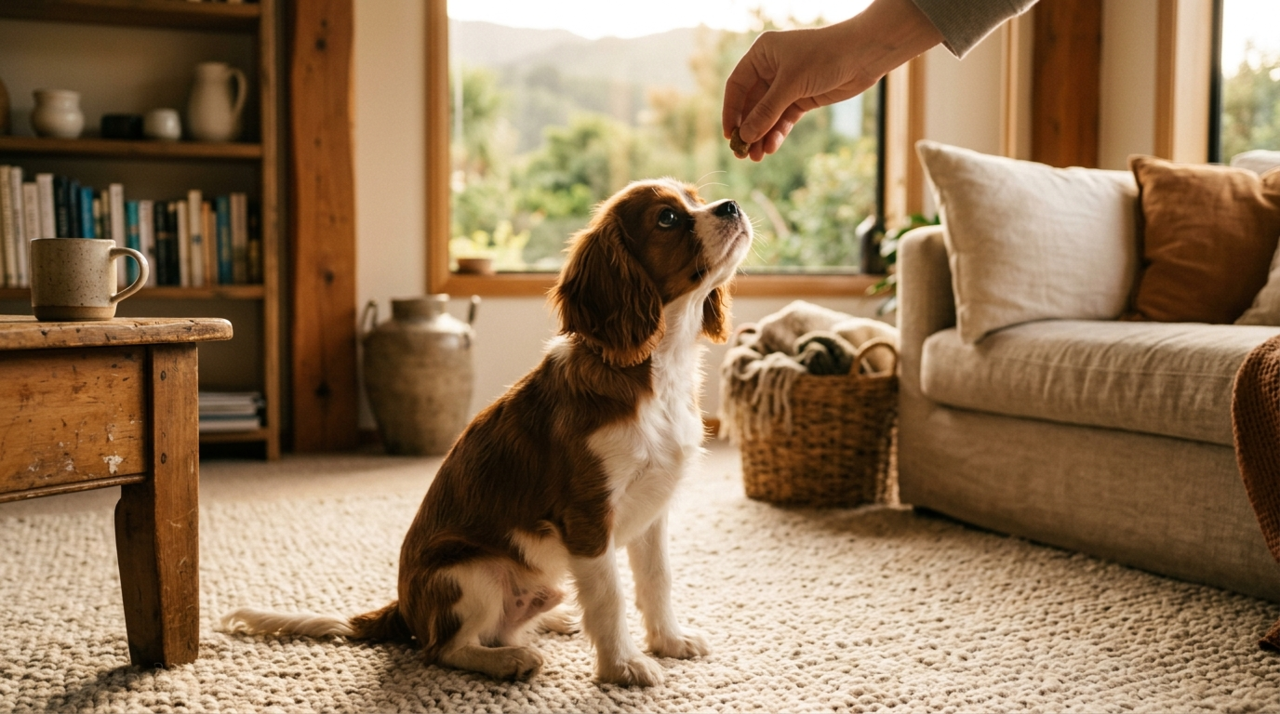
Cavaliers are generally bright, food motivated and eager to please. Short sessions with clear cues and immediate rewards tend to work well. Start with name response, recall, loose-lead walking, a calm settle and a reliable leave cue.
Some Cavaliers go through a more distractible stage at around six to eight months. Keep expectations consistent and make the right choice easy rather than assuming earlier learning has disappeared. For a full skill plan, see our guide to training a Cavalier King Charles Spaniel.
Recall needs extra care
Spaniel curiosity can beat a half-learned recall. Practise on a long line in safe places, reward generously and avoid calling when you already know the distraction is too difficult.
Feeding and healthy weight
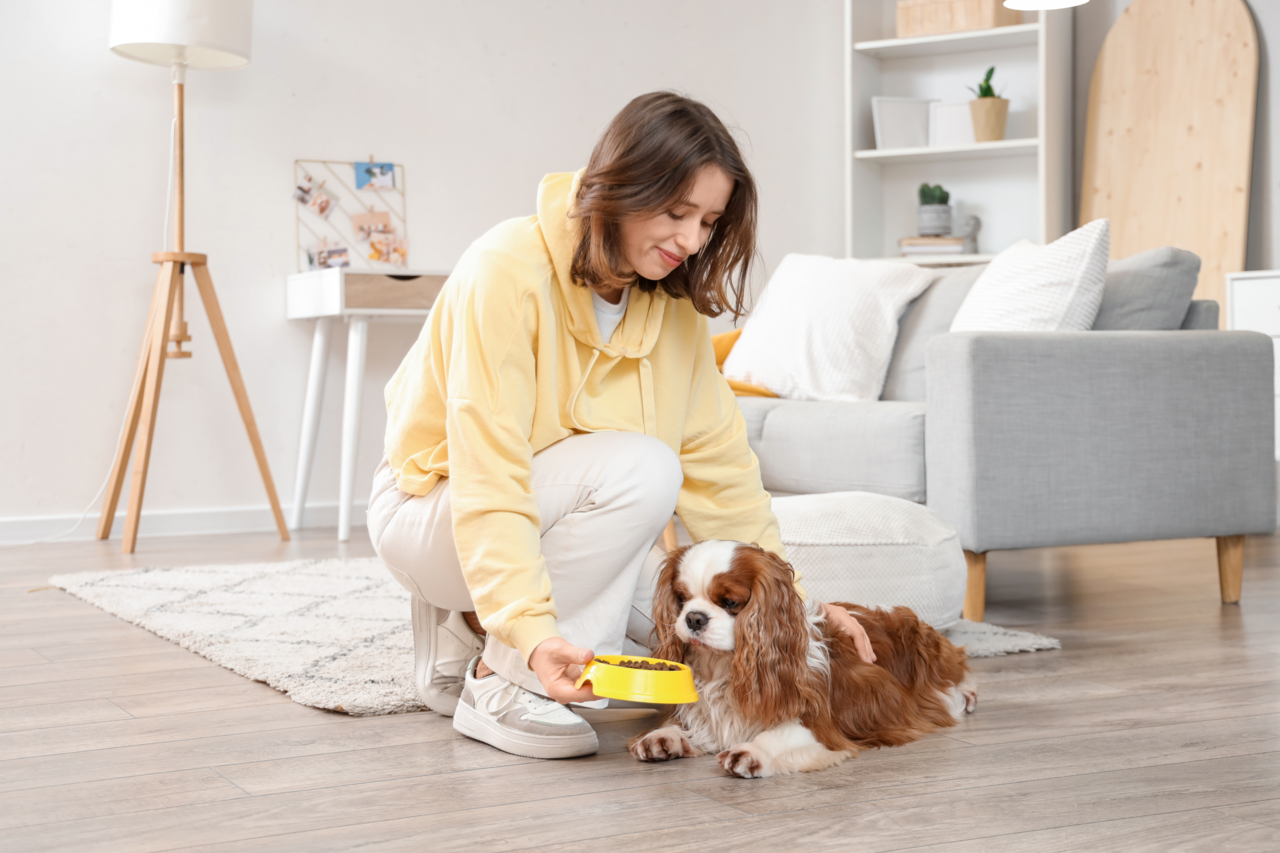
Choose a complete and balanced food for your Cavalier's life stage, then use the pack guide as a starting point. Body condition, activity and treat intake help determine the right amount for the individual dog. Because a Cavalier is small, even modest extras can make a noticeable difference over time.
Puppies commonly eat three to four smaller meals a day before moving towards two daily meals as adults. Small dogs generally reach adulthood from around 10 months, but follow the feeding guidance for the food you choose. Our Cavalier feeding guide explains meal frequency and portion checks in more detail.
- Measure meals rather than filling the bowl by eye.
- Count training rewards as part of the day's food.
- Check that you can feel the ribs under a light covering and see a waist from above.
- Reassess portions after desexing, a change in activity or a move into a new life stage.
Grooming a Cavalier's coat and ears
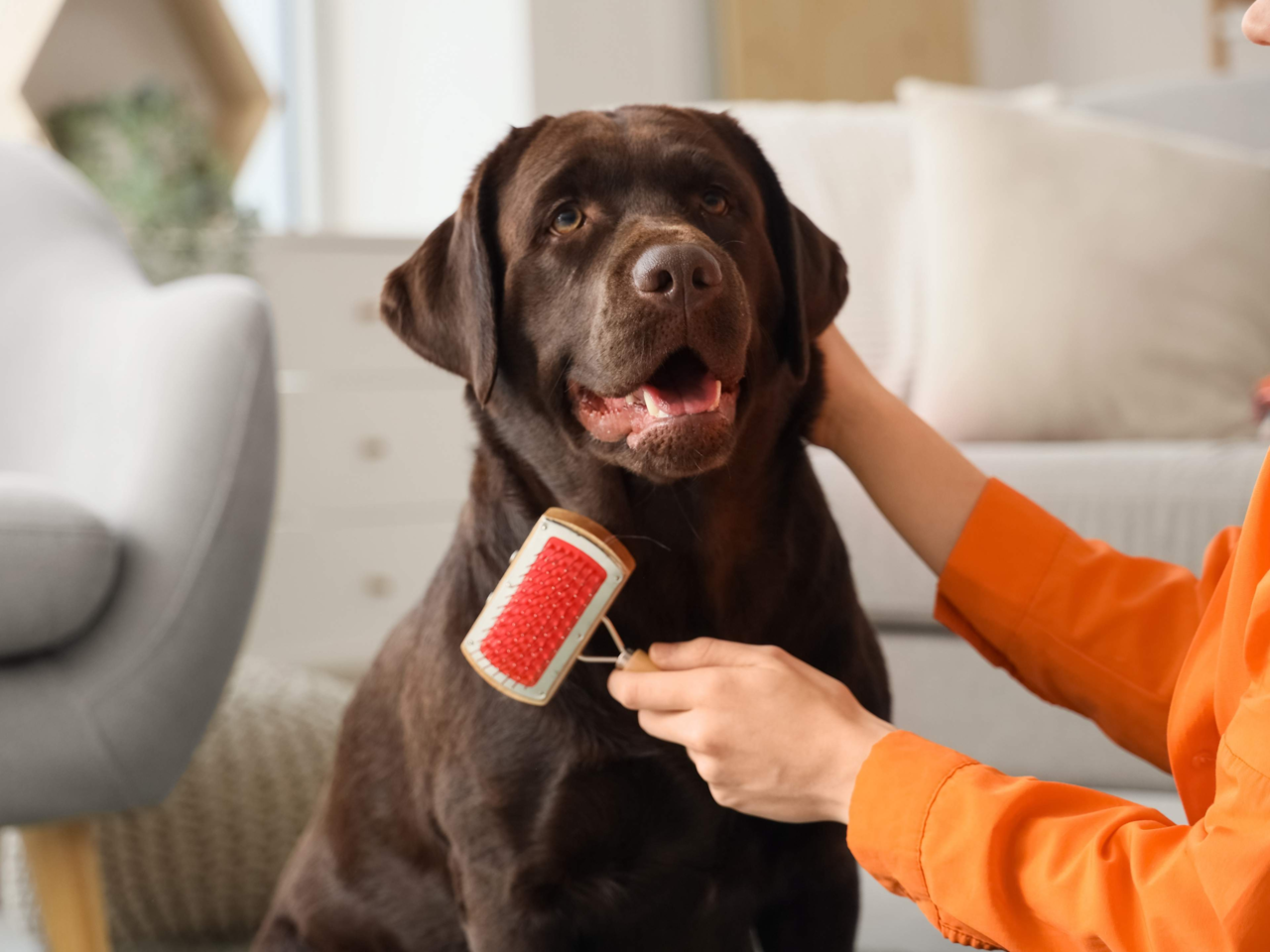
The Cavalier's silky coat sheds and can tangle where feathering rubs together. Brush three or four times a week, paying close attention behind the ears, under the legs, across the chest and around the tail. A monthly bath suits many dogs, with extra bathing only when needed and with a dog-appropriate product.
Check the ears weekly and after swimming because the long ear flaps can hold warmth and moisture. Keep the outer ear clean and dry, and do not push anything into the ear canal. Nails also need regular checks, especially if daily walks are mostly on grass.
Brush in sections
Work from the ends of the feathering towards the skin. Support the hair above a tangle so you are not pulling at the skin.
Keep sessions calm
Pair handling with small rewards and finish before your dog becomes restless. Frequent short sessions are easier than tackling heavy tangles.
Check hidden areas
Look between paw pads, behind the ears and under harness contact points for knots, debris or rubbing.
Health considerations to know
Cavaliers can be affected by inherited conditions, so good breeding decisions and lifelong observation matter. Mitral valve disease, syringomyelia, eye problems, ear infections and hip dysplasia are among the concerns associated with the breed.
Learn what is normal for your own dog. Changes in breathing, stamina, movement, comfort, head or neck sensitivity, scratching, hearing, eyesight or behaviour should not be dismissed as simply getting older. Keeping your Cavalier lean, choosing sensible exercise and recording changes over time can make patterns easier to notice.
Choosing a puppy
Ask the breeder which health screening has been completed for both parents, what the results were and how closely related dogs have aged. Clear records and open answers are more useful than vague assurances that the family line has always been healthy.
A realistic daily routine
Cavaliers often settle best when activity, rest and companionship are spread through the day. The exact timing can change, but a predictable rhythm helps a young or sensitive dog understand what comes next.
Morning
Toilet break, measured breakfast, a walk with sniffing, then a calm rest while the household gets on with the day.
Midday
Toilet break, a few minutes of training or a food search, followed by another period of independent rest.
Evening
A second walk or play session, dinner, grooming or handling practice, then quiet family time before bed.
Useful Cavalier essentials
Choose gear for your dog's measurements, comfort and routine rather than buying by breed name alone. These practical options cover food, walking, training and coat care.
Food and walking
Royal Canin Cavalier King Charles Adult Dry Dog Food is a breed-specific adult formula with tailored kibble, while the EzyDog Formfit Mesh Harness offers a breathable option for everyday outings. Always check the food suits your dog's life stage and fit the harness to the individual dog.
Training
The finger-mounted EzyDog Command Dog Clicker can make reward timing clearer during short sessions. Introduce the sound gently and pair each click with something your dog values.
Coat care
Use the Yours Droolly Shear Magic Dog Slicker in gentle strokes, and consider Yours Droolly Dog Detangling Conditioner when the coat needs extra slip and moisture.
Ear care
PAW Dog Gentle Ear Cleaner is made with purified hydrolysed oats and contains no alcohol or harsh acids. Follow the product directions and keep routine ear checks calm.
Frequently asked questions
Are Cavalier King Charles Spaniels good family dogs?
They often are. Many Cavaliers are gentle, playful and eager to be near their people. Supervise young children and teach respectful handling because Cavaliers are small and can be hurt by rough play.
Can a Cavalier live in an apartment?
Yes, provided their exercise, toilet breaks, enrichment and company needs are met. They are compact, but boredom or distress can still lead to barking and unsettled behaviour.
How much exercise does a Cavalier need?
Many healthy adults enjoy about one hour a day, split between walks, play and sniffing. Adjust the amount for age, fitness, weather and comfort.
Do Cavaliers shed?
Yes. Their silky coat sheds through the year and needs brushing several times a week. Regular grooming also helps stop the feathering from tangling.
Can Cavaliers be left alone?
They can learn to spend time alone, but their strong companion nature means independence should be built gradually. Avoid going straight from constant company to long absences.
Are Cavaliers easy to train?
They are generally eager to please and respond well to rewards. Recall around birds and scents can take extra practice, and gentle consistency is more effective than harsh correction.
How often should a Cavalier be groomed?
Brush the coat three or four times weekly, check the ears every week and assess nail length regularly. Many Cavaliers suit a bath about once a month.
When is a Cavalier considered senior?
Cavaliers fall within the small-dog size band, so senior care commonly begins from around eight years. Start paying closer attention to mobility, body condition, sleep, senses and recovery before obvious age-related changes appear.
Build a routine your Cavalier can enjoy
From measured meals and comfortable walks to grooming and reward-based training, the right daily essentials make good care easier to keep consistent.
Shop dog essentials