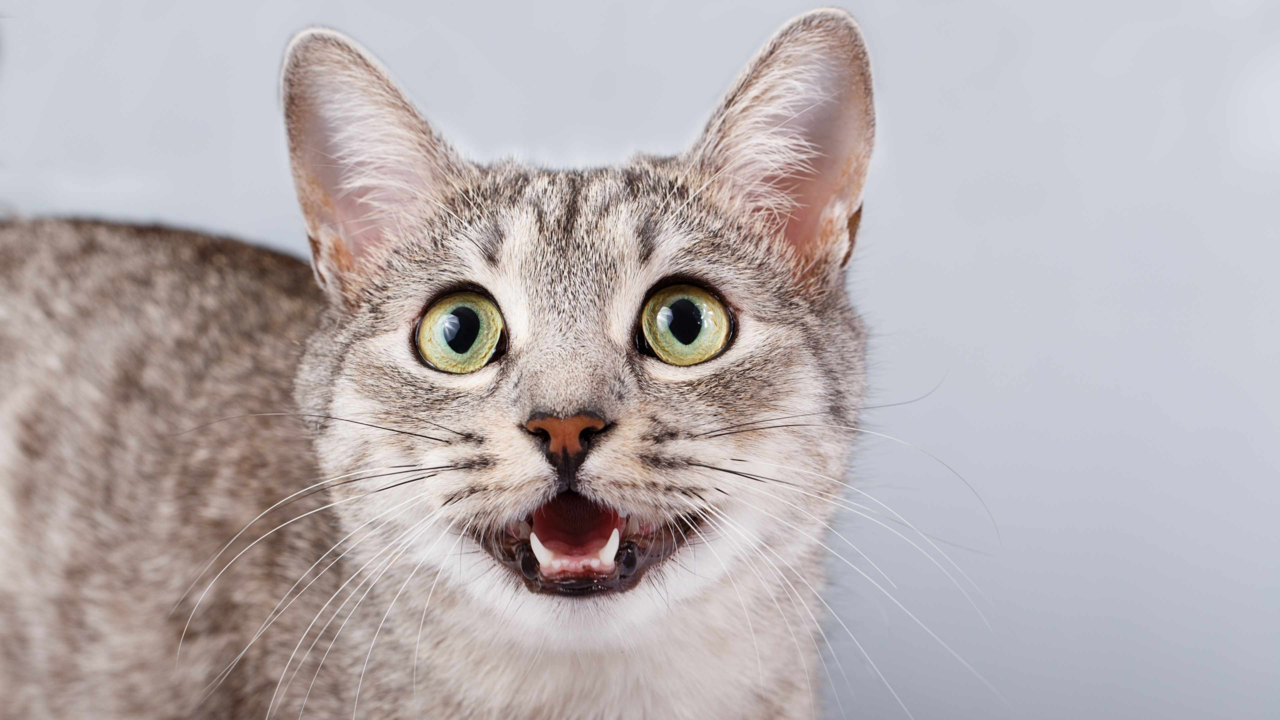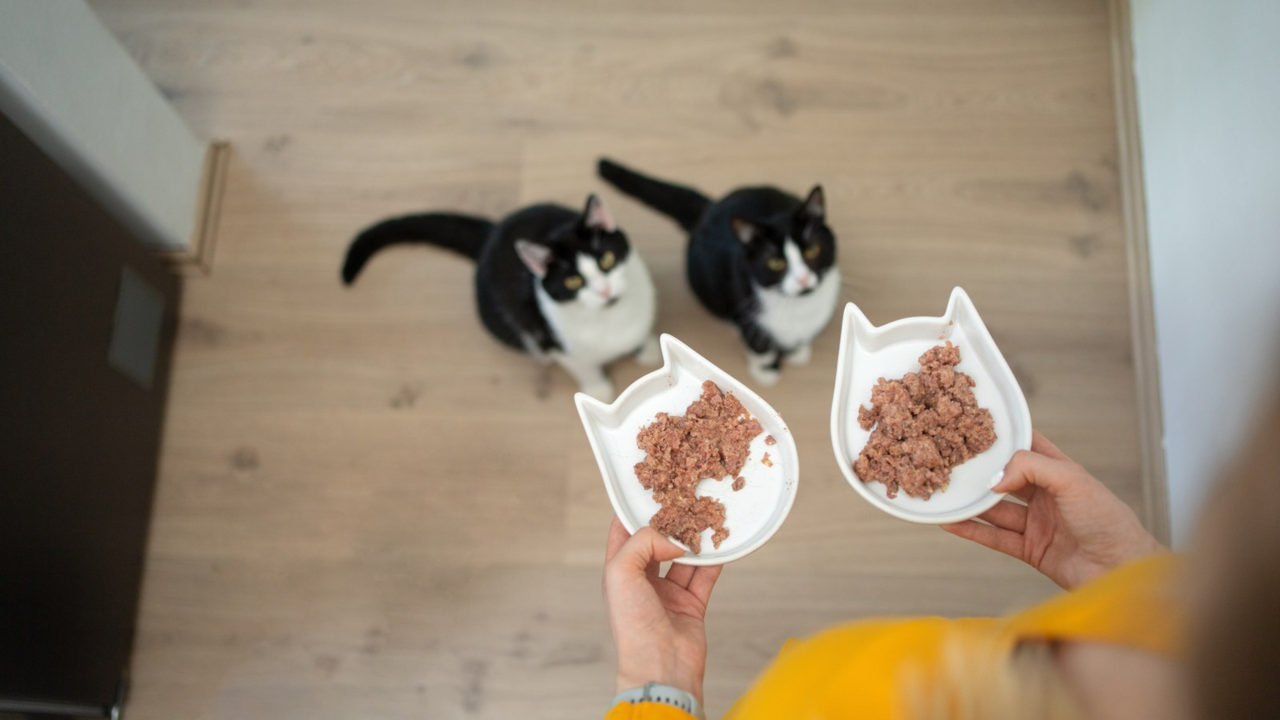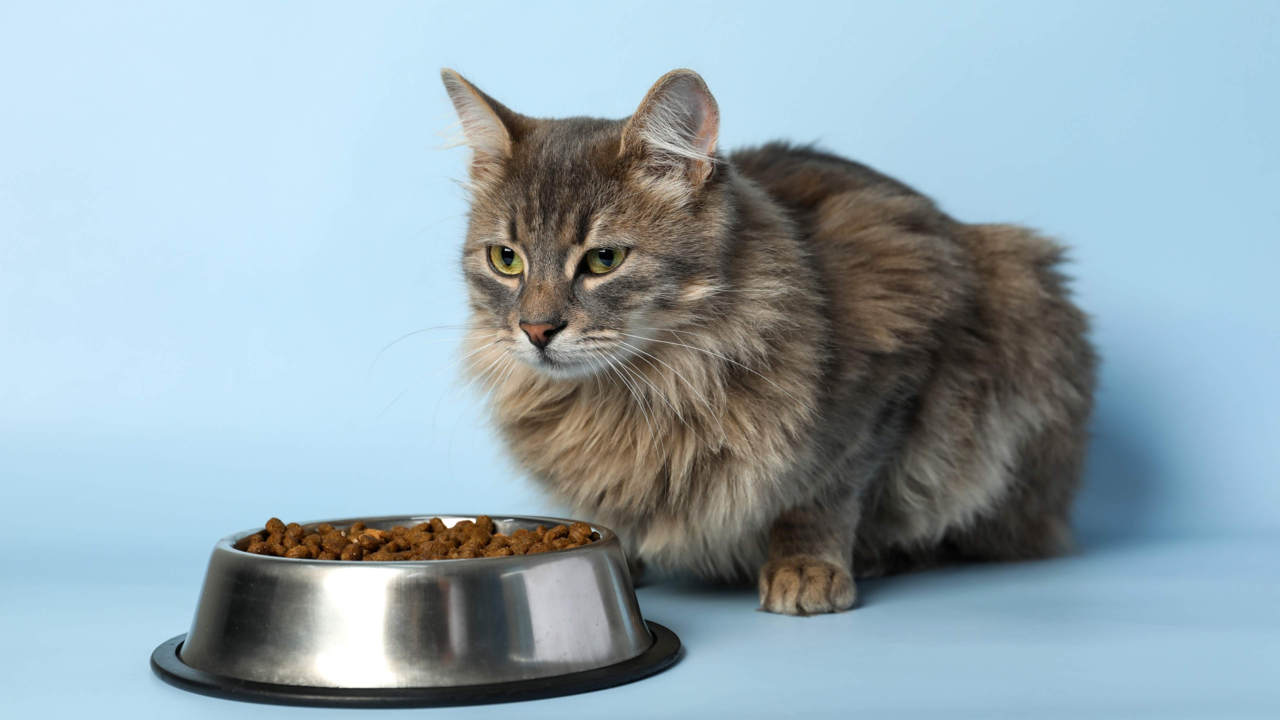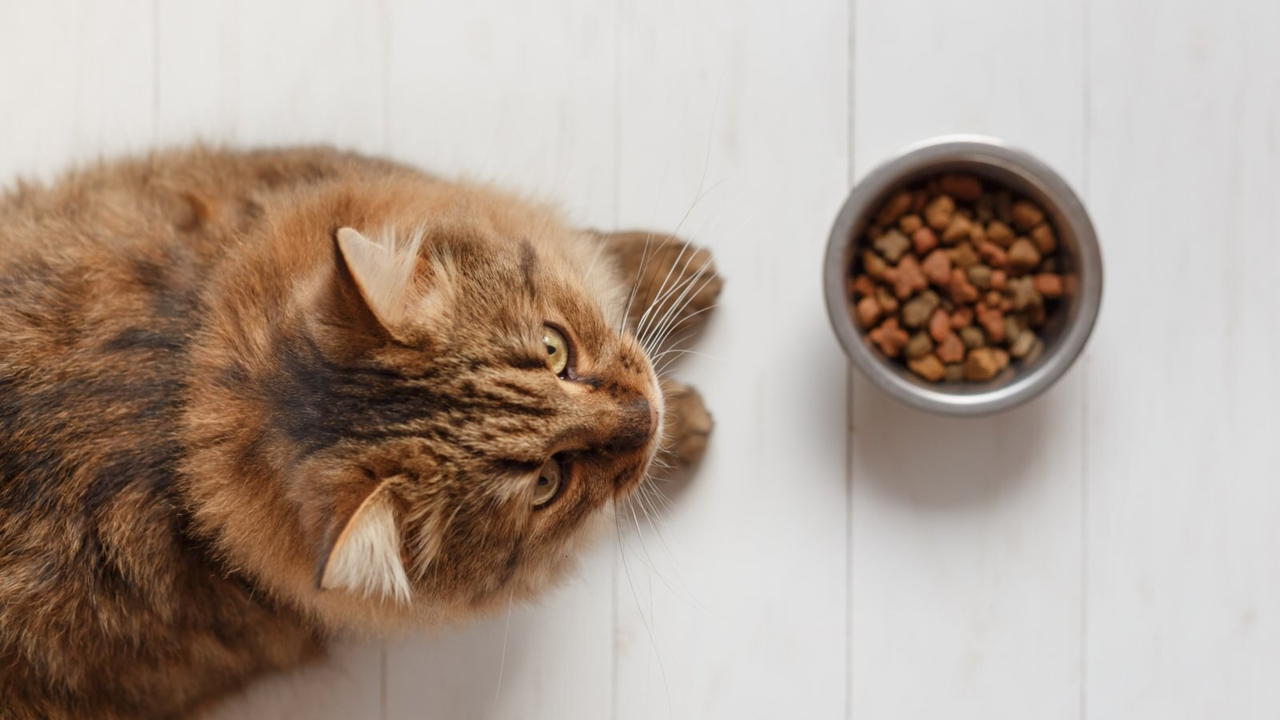
If your older cat has started serenading you the moment you head for the kitchen, you are far from alone. Many cats become noticeably chattier around mealtimes as they age, calling, trilling and following you from room to room until the bowl is down. Some of this is simply an older cat leaning more on the routines and the person they trust. Some of it is a gentle nudge that their needs around food are changing. If your cat is 7 or older, a little more mealtime conversation is usually nothing to worry about, but it is worth knowing what is behind it and when a change in the noise is worth a closer look.
This guide walks through why senior cats often get more vocal at mealtimes, what counts as normal, and the calm, practical ways you can settle the routine. We are not a clinic, so think of this as a starting point for understanding your cat at home rather than a diagnosis.
Quick answer
From around 7 years of age, cats often become more vocal at mealtimes as routines matter more, hunger signals shift, and a fading sense of smell makes them keener to be served. Steady, predictable mealtime chatter is usually normal. A sudden, marked increase in yowling, especially alongside weight loss, more drinking, or eating much more or less than usual, is worth a vet check rather than putting down to age alone.
Why senior cats get more vocal at mealtimes
An older cat's mealtime habits are shaped by lots of small changes happening together. Most of these are a normal part of ageing, and most can be supported gently at home.
Routine becomes an anchor
Senior cats lean into predictability. Mealtimes are a highlight of the day, and a more vocal cat is often simply asking you to keep the routine running on time, every time.
A fading nose, a louder voice
Cats use smell to find and judge food. As that sense softens with age, some cats hover and call near the bowl rather than tucking straight in, waiting for warm or aromatic food to arrive.
Smaller, more frequent meals
Many older cats prefer to graze in little amounts through the day. If the bowl runs empty between servings, a hungry senior will happily let you know it is time for the next one.
Bonding and reassurance
Older cats often grow more attached to their people and more talkative in general. Mealtimes bring you together, so the calling can be as much about company as it is about food.
What is normal, and what is worth watching
The pattern matters more than any single noisy morning. Cats get chatty when they are excited, bored or simply keen for breakfast. Use this as a rough guide, and always weigh it against what is usual for your own cat.
| You might notice | Usually normal | Worth watching |
|---|---|---|
| When it happens | Predictable calling in the lead-up to set mealtimes | Constant or frantic yowling at all hours, or a sudden new intensity |
| Appetite | Asking keenly, then eating a steady, slightly smaller amount | Crying for food then eating little, or wolfing down far more than usual |
| Weight | Holding steady, or a very gradual change over months | Noticeable weight loss while seeming hungrier than ever |
| Thirst | Steady drinking, a little more in warm weather | A clear, ongoing increase in drinking alongside the extra vocalising |
| Time of day | Most chatter around morning and evening meals | Loud, disoriented night-time calling, as if lost or confused |
Keep meals satisfying
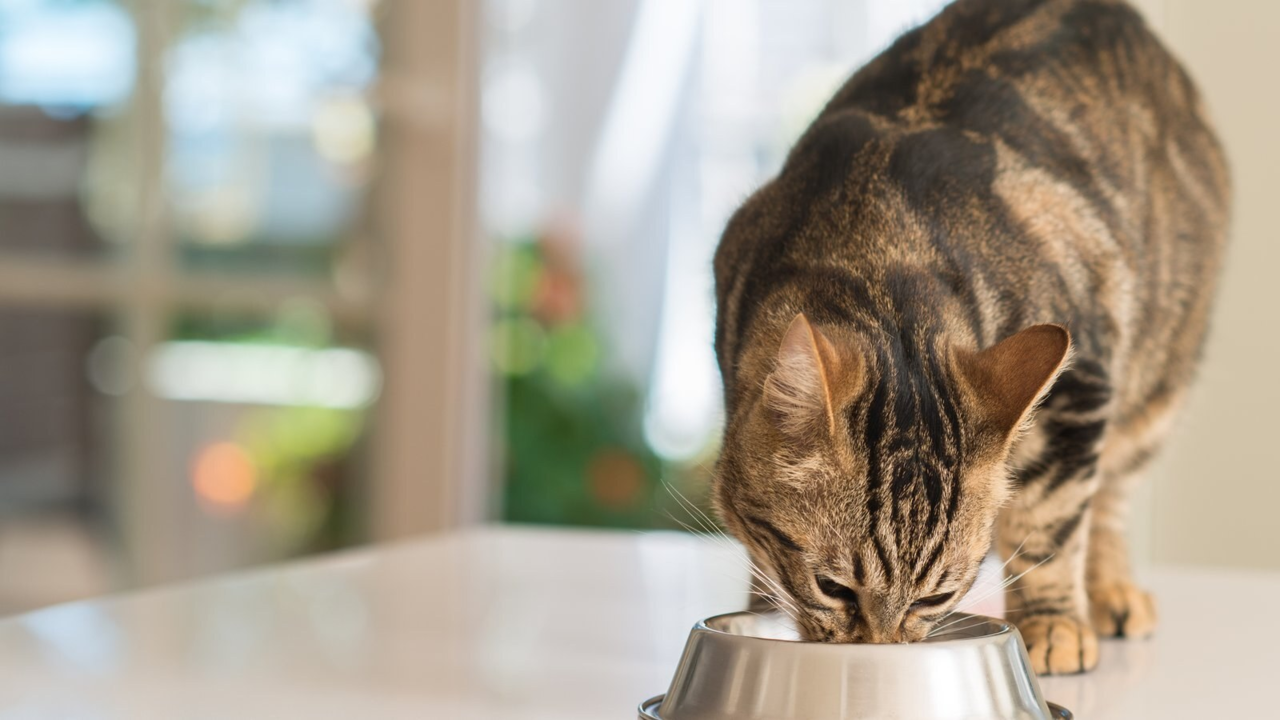
A cat that calls hard at mealtimes is often telling you they want food that is easy and rewarding to eat. Warming wet food slightly and choosing softer, aromatic textures both help when a cat's sense of smell has faded. Senior-specific wet foods are formulated to be easy to eat and easy to digest, which can leave a senior feeling more satisfied between meals.
A small, aromatic topper or treat can also redirect a vocal cat into a positive moment rather than a standoff at the bowl. A spoonful of something tempting over their usual food is often enough to get a hesitant senior started.
Take the guesswork out of timing
If the calling is really about hunger between meals, a scheduled feeder can quietly solve it. Setting small, regular portions to release through the day means your cat is fed on a reliable rhythm, even when you are out or having a lie-in, and there is less reason to come and ask. For multi-cat homes, a microchip feeder keeps each cat to their own bowl.
A slow feeder or lick mat works in the other direction, stretching a meal out so a cat that bolts their food and then begs for more stays busy and satisfied for longer.
Settle the mood around the bowl
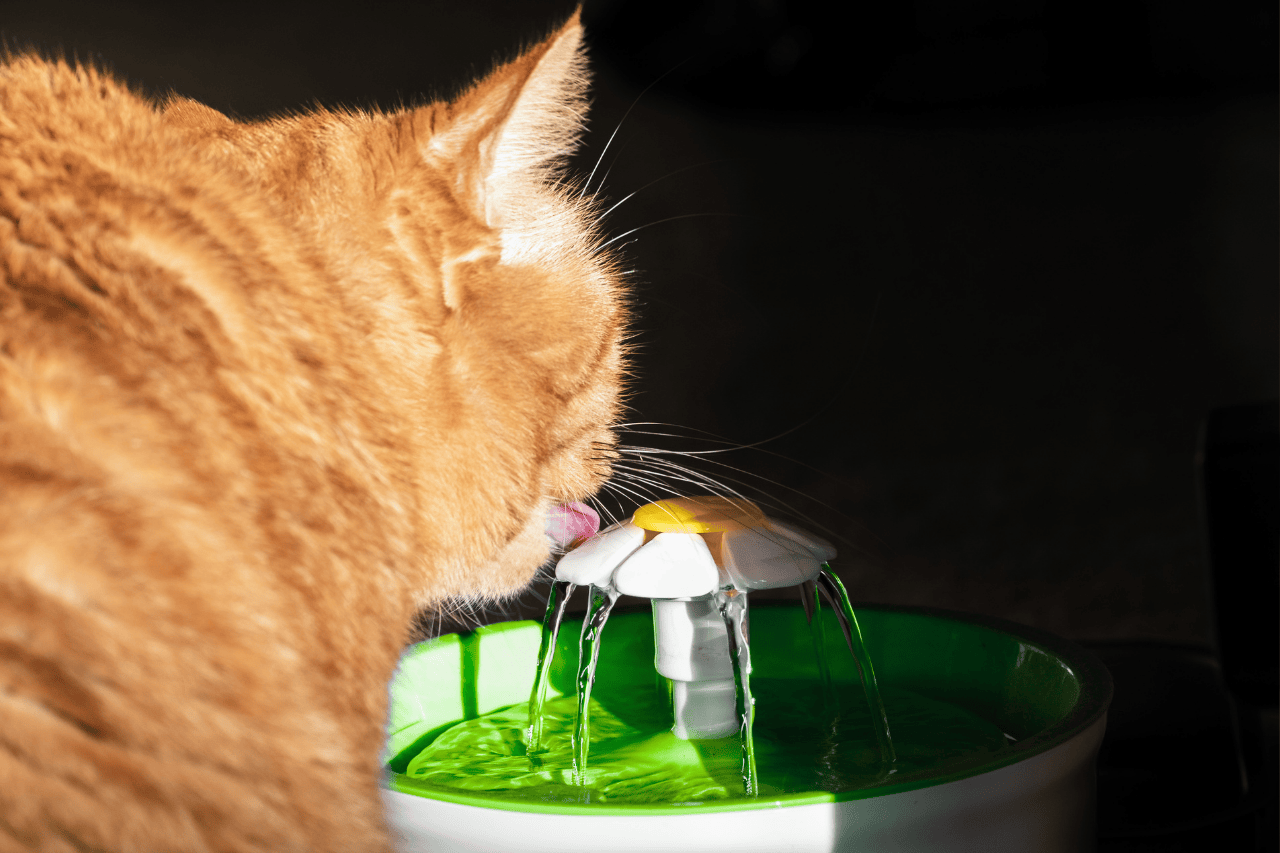
Sometimes the vocalising is less about hunger and more about feeling unsettled. Good hydration supports a healthy appetite, and many cats drink more readily from moving water, so a fountain placed away from the food bowl encourages steady sipping. A calming diffuser can ease a cat who feels anxious at a busy feeding spot, and joint support keeps an older cat comfortable enough to settle.
When to check in with your vet
A sudden change in how much your senior cat vocalises can be one of the first signs that something medical is going on, and a few conditions common in older cats can drive both extra noise and a bigger appetite. Book a check if you notice any of the following, especially more than one together:
- A marked increase in yowling that has come on quickly, or loud night-time calling
- Crying for food but eating far more or far less than usual
- Weight loss despite seeming hungrier than ever
- More vocalising alongside increased thirst, vomiting, or changes in the litter tray
- Calling that seems confused or disoriented, as if your cat has forgotten where they are
A simple at-home routine
A little structure goes a long way with a vocal senior. Predictable timing and calm responses make mealtimes smoother for both of you.
Feed to a set rhythm
Small meals at the same times each day, or a scheduled feeder, give your cat a routine to rely on so there is less reason to ask.
Reward calm, not noise
Try to serve when your cat is settled rather than at the peak of the crying, so mealtimes are not learned as a reward for the loudest miaow.
Make food easy and appealing
Warm wet food gently, offer softer textures, and keep the feeding spot quiet and easy to reach for older joints.
Watch the pattern, not the meal
A chatty morning now and then is normal. A clear, lasting change in the noise is the thing to act on.
Frequently Asked Questions
At what age is a cat considered senior?
Cats are generally considered senior from around 7 years of age. There is no overnight change, so you will usually see habits like mealtime vocalising shift gradually rather than all at once.
Is it normal for an older cat to meow more at mealtimes?
A gentle increase in mealtime chatter is common and usually normal, especially when it is predictable and tied to set feeding times. What is worth a closer look is a sudden, marked rise in yowling, particularly alongside weight or appetite changes.
Why does my senior cat cry for food then barely eat?
A fading sense of smell can leave a cat keen to be served but underwhelmed once the food is down. Warm, soft and aromatic options often help. If the pattern continues, or comes with weight loss, it is worth a vet check, as sore teeth or other issues can be behind it.
Will a scheduled feeder stop the begging?
Often, yes. Small, regular portions released through the day mean your cat is fed on a reliable rhythm, which removes a lot of the reason to call. It also helps cats who wake you early by separating the alarm clock from the food bowl.
Should I feed my cat every time they miaow?
It is best not to, as feeding at the peak of the noise can teach a cat that crying louder works. Aim to feed to a set routine and serve when your cat is calm, so mealtimes stay settled rather than turning into a contest.
Could the extra noise mean something is wrong?
It can. A few conditions common in older cats can increase both appetite and vocalising. If the change is sudden or marked, or comes with weight loss, more drinking, or night-time confusion, check in with your vet rather than waiting it out.
Make senior mealtimes calm and easy
Stock up on senior-friendly wet food, toppers, feeders and fountains and save on the essentials you reorder with Autodeliver. Up to 20% off Autodeliver orders. Members also get everyday savings with Pet Perks.
SHOP SENIOR CAT FOOD