Cats cough less often than dogs, and when they do, owners notice. The pose alone is striking: hunched low, neck stretched out, tummy contracting, that little wheeze and pause. It looks alarming, and most of the time it's resolved within seconds with a small hairball or no result at all. But every now and then a cat cough is the early sign of something worth understanding properly, and the trick is knowing which is which.
Here's a friendly NZ guide to why cats cough, what the different patterns usually mean, and how to handle it. We're not a clinic, so anything sudden, persistent, or coming with breathing changes is worth a chat with your local clinic.
Quick answer
Most cat coughs aren't really coughs in the dog sense. They're hairball heaves: hunched, neck out, tummy contracting, often with a small fur wad or nothing at the end. Real coughs in cats most often come from feline asthma, an upper respiratory infection (cat flu) that's gone deeper, environmental irritants (smoke, perfumes, scented candles, dusty litter), allergies, or in older cats sometimes heart-related changes. The single most useful detail to track is whether your cat is breathing harder, faster, or with their mouth open. Those are the signs that turn "watch and wait" into "go now". Most mild hairball-style coughs settle with brushing, hairball control food and a low-dust environment. Anything wheezy, repeated, or paired with breathing changes needs the clinic.
Important: when to skip the home steps
If your cat is breathing with their mouth open, breathing fast and shallow, has bluish or pale gums, or is crouched in a "praying" posture (front low, head extended) and struggling to breathe, that's an urgent situation. Don't wait it out. Cats almost never breathe through their mouths unless something is seriously wrong, so phone your clinic or an after-hours service straight away.
Is It Really a Cough, or a Hairball Heave?
This is the single most useful thing to figure out before doing anything else. They look quite similar, but the cause and the action are completely different.
Hairball heave
Hunched low, neck stretched out and pointing forward, tummy visibly contracting in waves, "huk huk huk" sound, ends in either a small fur wad or nothing. Cat usually walks away normally afterwards.
Usually means: the cat is trying to bring up swallowed fur. Common in long-coats and indoor cats. Manage with grooming and hairball products rather than treating as a respiratory issue.
True cough
Sharp, dry, repeated, often paired with a soft wheeze or whistle. The cat doesn't usually crouch as dramatically. May come on suddenly during play or activity, or appear at certain times of day. Nothing comes up.
Usually means: something in the airway, lungs or upper respiratory tract. Worth getting checked, especially if it's recurring.
Wheezy or laboured cough
Audible whistle or rattle on the breath in or out, sometimes paired with mouth-breathing or open-mouth panting. Cat may sit very still and hunched. This is the one that worries clinicians most.
Usually means: feline asthma, severe upper respiratory infection, or other lower-airway issue. Get it checked promptly. Don't wait this one out.
Sudden, choking-type cough
Strong gagging or coughing fit that started without warning, sometimes with pawing at the mouth or distress. Often happens during eating or after playing with string-like toys.
Usually means: a foreign object in the throat or upper airway. Don't try to look or remove anything yourself. Go straight to the clinic.
If you can, take a 30-second video of the coughing on your phone before you go. Cats almost always stop doing the thing the moment they walk into the consult room, and a video shows your clinic exactly what you've been seeing.
The Most Common Causes of Cat Coughing
1. Hairballs (the most common "cough" in cats)
By a comfortable margin, this is what most owner-reported cat coughs actually are. The hunched, retching posture is the classic giveaway, and the cause is swallowed loose fur the cat is trying to bring up. Long-coated breeds and indoor-only cats are most affected.
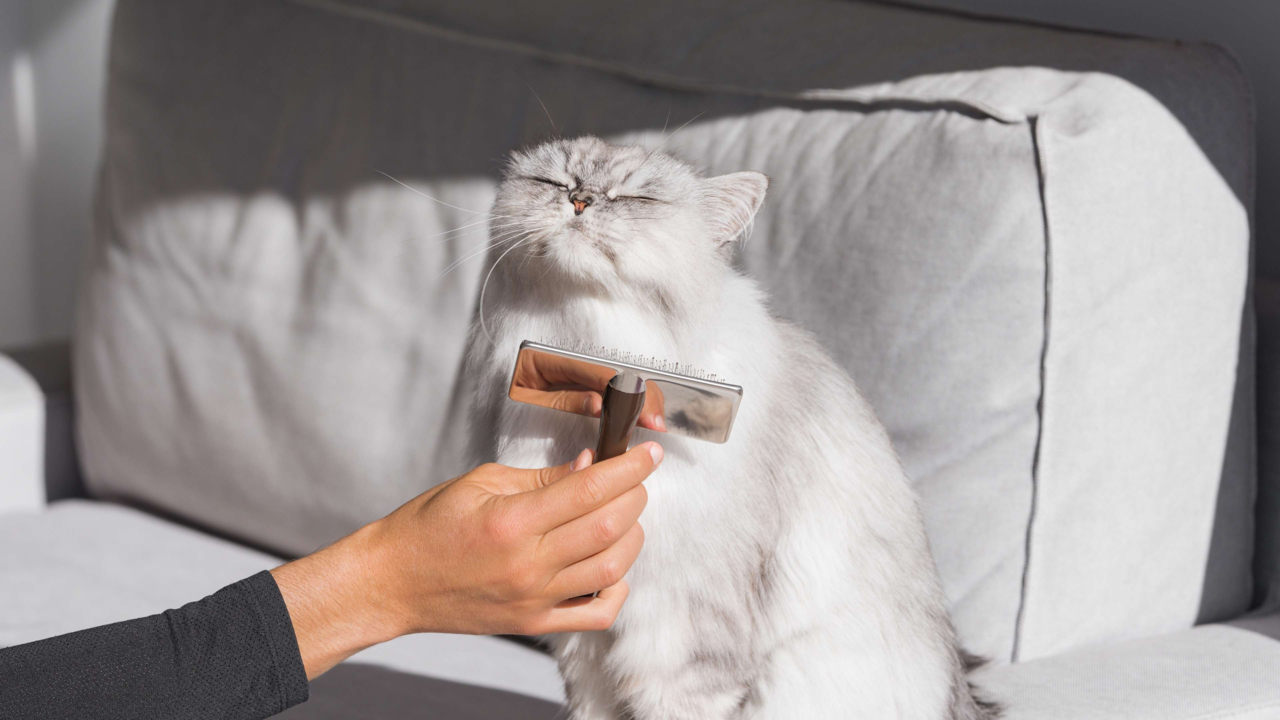
What helps: daily brushing for long-coats and twice-weekly for short-coats, a hairball-control food, and a hairball supplement or paste. Most cats need 4 to 6 weeks of consistent management before you'd see fewer episodes.
2. Feline asthma
Yes, cats get asthma. It's more common than people realise, and it shows up as a wheezy, dry cough often with a hunched "elbows out" posture, occasional mouth-breathing, and sometimes pauses where the cat just stops still and concentrates on breathing. Triggers are usually environmental: dusty litter, smoke, perfumes, scented candles, plug-in fresheners.
What helps: get it checked. Asthma is genuinely manageable but needs a proper diagnosis and a treatment plan from your clinic. In the meantime, switch to a low-dust litter, retire scented home products, and reduce environmental irritants.
3. Upper respiratory infection (cat flu)
Cat flu is more famous for sneezing and runny nose, but a deep or recurring infection can produce a real cough as it moves further down the airway. Often paired with eye discharge, reduced appetite, and a quieter cat than usual.
What helps: get it checked, especially if eating drops or breathing changes. Annual vaccinations are the main prevention. Our blog Why Is My Cat Sneezing? goes into the URI side in more detail.
4. Environmental irritants
Cats live closer to the floor than people, and indoor air settles. Cigarette smoke, vape vapour, scented candles, plug-in air fresheners, perfume sprays, dust from clay-based litter, fireplace smoke, even strongly perfumed cleaning sprays. Any of these can trigger coughing in a sensitive cat.
What helps: switch to a low-dust cat litter, retire scented home products from rooms your cat uses, never smoke near your cat, and ventilate after cleaning. Many "occasional cougher" cats stop within a couple of weeks of these changes.
5. Allergies
Cat allergies usually show up as itchy skin or sneezing, but sometimes the airway is the affected route. Pollens, dust mites, mould and household dust can all trigger an allergic cough, often seasonal (worst in spring), often paired with sneezes or watery eyes.
What helps: wash bedding weekly, vacuum and dust more often through allergy season, and brush long-coats more often through high-pollen weeks. An ongoing immune-support supplement can help allergy-prone cats over time.
6. Heart-related changes (more often in older or breed-prone cats)
Coughing is a much rarer sign of heart issues in cats than in dogs, but it does happen. The pattern is usually a soft cough at rest, often when lying down, sometimes with reduced exercise tolerance, or just "off" behaviour. Some breeds (Maine Coon, Ragdoll, British Shorthair) carry a higher rate of inherited heart conditions.
What helps: if your cat is over 8, particularly if they're a breed-prone breed, and has developed a new soft cough or seems to tire faster, get them checked. Cat heart issues respond well to early management.
7. Foreign object in the airway
String, ribbon, a small piece of toy or plant material can lodge in the throat or further down. The cough is sudden, dramatic, often choking-type, and may include pawing at the mouth or distress.
What helps: get it checked the same day. Don't try to look down the throat or remove anything yourself, you can push it deeper or get scratched. Keep string-like toys put away when you're not playing.
8. Lungworm (less common, more in outdoor cats)
A parasitic infection that affects the lower airway. More common in outdoor cats who hunt and eat small prey. Pattern is usually a persistent dry cough that doesn't respond to environmental changes.
What helps: a current monthly flea-and-worm preventive that includes lungworm cover (most modern combination products do). If your outdoor cat has a persistent unexplained cough, mention lungworm specifically when you call your clinic.
Easy Home Wins to Try First (For Mild Coughs)
For mild, occasional coughing with no breathing changes, work through the simple environmental fixes before assuming the worst. They cost very little and they sort a surprising number of cases.
1. Identify hairball vs cough
Watch the next episode carefully. Hunched, neck out, tummy waves, ending with a fur wad or nothing = hairball. Sharp, dry, with a wheeze and no posture change = cough. Different fix.
2. Swap to a low-dust litter
Recycled paper, wood pellets, tofu and low-dust crystal options all throw up much less airborne dust than standard clumping clay. The single highest-return change for cough-prone cats.
3. Move scented products away
Plug-in air fresheners, scented candles, perfume, aerosols. Move them out of rooms your cat eats, sleeps and uses the litter tray. Air fresheners and asthma in cats are a very common combination.
4. Brush more often (especially long-coats)
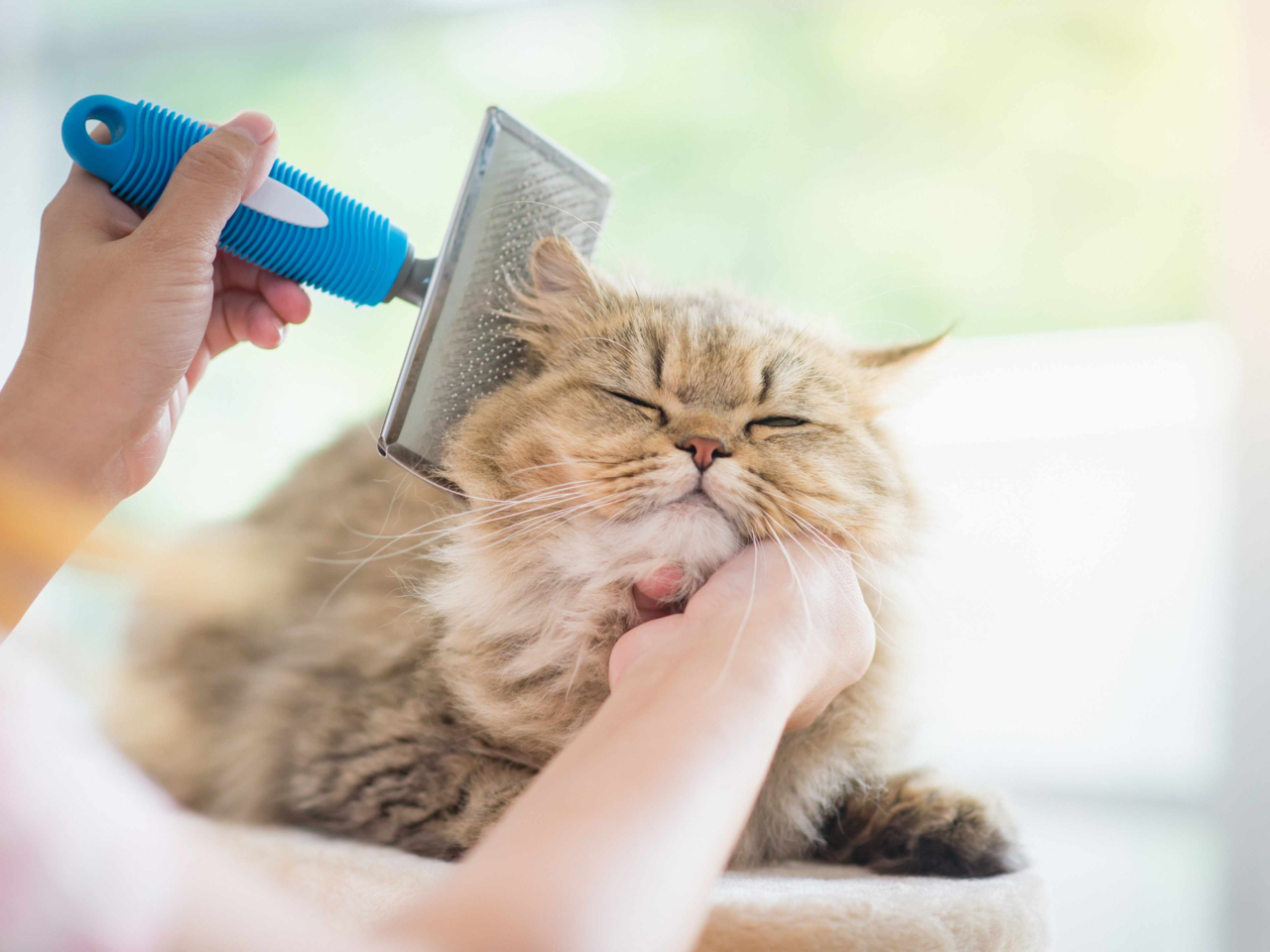
If most of your cat's "coughs" are hairball heaves, the prevention is upstream: less swallowed fur. Brush daily for long-coats, twice a week for short-coats. Even 5 minutes done consistently is better than a long session once a fortnight.
5. Try a hairball control food or supplement
Hairball-control foods include added fibre to help fur pass through rather than build up. Pair with a hairball paste or supplement for a few weeks if your cat is hairball-prone.
6. Don't smoke near your cat
Including vape vapour. Cats are smaller and breathe closer to settled air. Second-hand smoke is one of the genuine known triggers for feline asthma.
Hairball Control Foods and Supplements
If most of your cat's coughing is hairball-style, this is the lever. A hairball-control food has added fibre to help swallowed fur pass through, and a paste or supplement can speed things along while you're getting on top of it.
Give a new food at least 4 to 6 weeks of consistent feeding before judging. Most of these are available on Autodeliver for ongoing savings.
Low-Dust Cat Litters and Calm Environment Support
For coughs that flare with the litter tray, with cleaning, or in stressed cats, switching to a low-dust litter and adding a calming diffuser are the two most reliable home moves. Pair with a daily omega-3 supplement to support the airway lining over time.
Daily supplements work best given consistently. Most cats need 4 to 6 weeks before you'd judge whether they're helping.
When to Get It Checked
Use the home steps for mild, occasional, hairball-style coughing in an otherwise normal cat. Book a clinic visit if any of these apply:
- Your cat is breathing with their mouth open or panting (almost always urgent)
- Breathing is faster than normal, shallow, or laboured
- Gums are bluish, pale, or grey rather than pink
- The cough is wheezy, dry and recurring
- Coughing has lasted more than 5 to 7 days
- Your cat is eating or drinking less, or has stopped
- The cough comes with discharge from nose or eyes that's yellow or green
- You suspect a foreign object (string, ribbon, plant matter)
- Your cat is over 8 and has a new soft cough at rest, especially in a breed prone to heart issues
- An outdoor cat has a persistent unexplained cough (lungworm worth ruling out)
And again, mouth-breathing in a cat is almost always urgent. Don't watch and wait on that one.
Frequently Asked Questions
How can I tell if my cat is coughing or just bringing up a hairball?
Hairball heaves are hunched, with the neck stretched out and the tummy clearly contracting in waves. They end in either a fur wad or nothing, and the cat usually walks off normally afterwards. A real cough is sharper, drier, often with a faint wheeze, doesn't have the hunched posture, and nothing comes up. The fix is different for each, so it's worth taking a moment to identify which.
Can cats really get asthma?
Yes. Feline asthma is more common than most owners realise. The classic signs are a wheezy dry cough, occasional crouched posture with elbows out, sometimes mouth-breathing or pauses where your cat stops still and concentrates on breathing. It's manageable with proper treatment, but needs a clinic diagnosis. Reducing environmental triggers (dusty litter, smoke, scented candles, perfumes) is part of the long-term management.
Why does my cat cough at night?
Several possibilities. Lying flat can make breathing slightly more effortful for cats with mild airway issues. Indoor air is often staler at night. Some heart-related coughs in older cats appear more at rest. If the night cough is recurring, especially in a cat over 8, it's worth getting checked.
My cat coughed once, should I worry?
A single cough with no other signs is usually nothing. A bit of dust, a swallowed-wrong piece of food, a tiny tickle. The thing to pay attention to is whether it's repeating, whether breathing is changing, and whether anything else is off (eating, energy, weight). If those are all normal, give it a few days.
Can dusty cat litter cause coughing?
Yes, and it's an underrated cause. Some clay-based clumping litters release fine particles every time the cat scratches around, and that dust goes straight into the airway. If your cat coughs mostly in or right after the litter tray, switch to a low-dust litter (recycled paper, wood pellets, tofu, or low-dust crystal). Many "occasional litter cougher" cats stop within a week.
Is it true that cats can be triggered by perfume and candles?
Yes, particularly cats prone to airway sensitivity or asthma. Aerosols, plug-in air fresheners, scented candles, perfume sprays and strongly perfumed cleaning products all settle into the air your cat breathes. Indoor cats get a higher dose because they spend so much time at floor-level. Switching to fragrance-free home products is one of the most useful changes for a cough-prone cat.
Should I worry if my cat is mouth-breathing?
Yes. Cats almost never breathe through their mouths unless something is seriously wrong. Mouth-breathing, panting, or "praying" posture (front low, head extended, struggling) is an urgent situation. Don't wait. Don't try to make them more comfortable at home first. Phone your clinic or an after-hours service straight away.
How long should I try home steps before going to the clinic?
For mild, occasional, hairball-style coughing in an otherwise well cat, give the basics (low-dust litter, fragrance-free home products, more brushing, hairball food) 1 to 2 weeks. If it isn't easing, go. For anything wheezy, recurring, paired with breathing changes, with a kitten, or in an older cat with a new cough, skip the home steps and go sooner.
Does an omega-3 supplement help?
For airway and skin health generally, yes, often. Omega-3 supports the natural lining of the airway and is part of long-term management for some allergic and asthmatic cats. Give it consistently every day for 4 to 6 weeks before judging. It pairs well with environmental changes rather than replacing them.
Cat Coughing Support Essentials
Find hairball control foods, low-dust cat litters, calming diffusers and skin and airway support in one place. Save with Autodeliver on food and supplements, and enjoy everyday member pricing as part of Pet Perks.
SHOP CAT FOOD