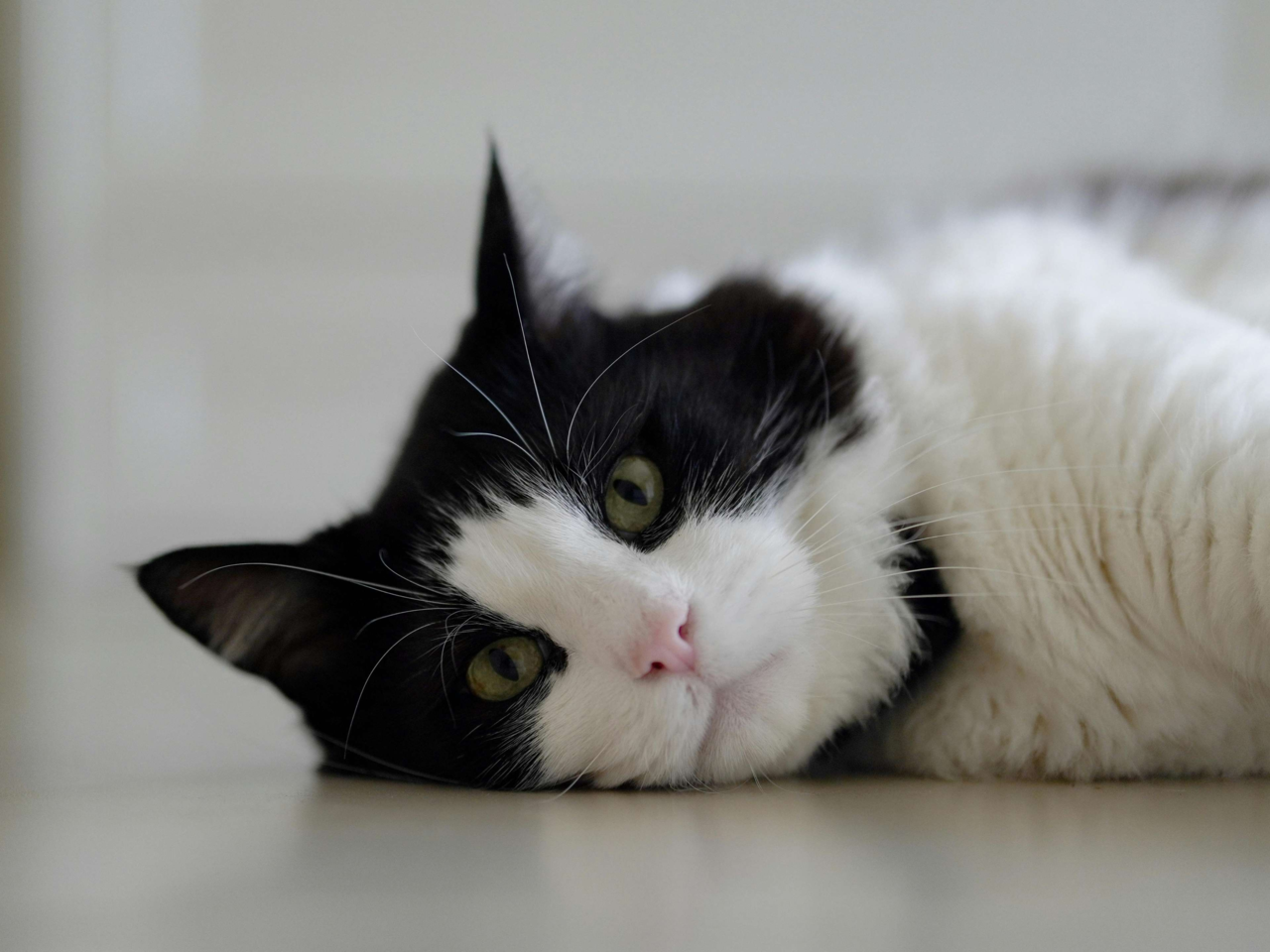
If you live with an indoor cat, chances are you’ve cleaned up the occasional (or frequent!) hairball. While hairballs are a fairly common part of feline life, they can be unpleasant for both you and your kitty—and in some cases, a sign something’s not quite right. The good news? With a few simple changes, you can help minimise hairballs and keep your whiskered friend feeling purrfect. In this guide, we’ll walk you through how to prevent hairballs in indoor cats using expert-backed, easy-to-implement tips that suit Kiwi cat families.
What Causes Hairballs In Cats?
Hairballs are formed when your cat grooms herself and ingests loose fur, which then accumulates in the digestive tract. Most of the time, this fur passes through without issue, but in some cases, it clumps together and gets vomited up—resulting in that classic, cylindrical hairball surprise. Cats with long coats, those who overgroom due to boredom or stress, and older cats with slower digestion are more prone to hairballs.
Indoor cats are particularly at risk because they live in tidy, enclosed environments, which means:
- Fur shed indoors is more likely to be reclined on and re-groomed
- They might not get as much exercise, slowing digestion
- Limited outdoor stimulation can lead to stress grooming
Brush Up On Grooming
Regular brushing is your first line of defence. It helps remove loose fur before your cat can ingest it and reduces overall shedding. For long-haired cats, daily grooming is ideal. Short-haired kitties still benefit from a weekly brush.
Choose the right grooming tools such as cat brushes and combs that suit your cat’s coat length. If your cat is unsure about grooming, try building the routine gradually with gentle strokes and tasty cat treats as rewards.
Feed A High-Fibre, Hairball-Control Diet
Specialised hairball-control cat foods are designed with extra fibre, which helps move fur through the digestive tract naturally. These diets can be a game-changer for chronic hairball coughers.
Look for high-quality options from trusted brands such as Hill’s Science Diet, Royal Canin, or Pro Plan. You can also explore cat food options enriched with prebiotics and digestive support for an added boost.
Hydration Helps With Digestion
Well-hydrated cats have healthier digestion, which means they’re better equipped to pass swallowed fur. Encourage your cat to stay hydrated by offering clean, fresh water at all times. Many cats prefer running water, so a cat water fountain is a great hydration hack for indoor pets.
Wet food is another sneaky way to boost hydration—so mix it into their meals or offer it as a tasty treat. Check out our range of wet cat food for moisture-rich options to keep digestion purring along smoothly.
Support Skin And Coat Health
Healthy skin and a glossy coat means less loose fur to lick up in the first place. Omega fatty acids, found in premium skin and coat supplements, help reduce shedding and support overall coat condition.
These can be added to your cat’s diet via cat supplements or integrated into hairball control foods. Brands like ZIWI and Feline Natural offer natural, NZ-made options that support both diet and digestive health.
Keep Your Cat Engaged And Moving
Indoor cats benefit from regular playtime and mental enrichment to prevent stress-grooming. A bored cat is more likely to overgroom and shed excessively. Keep their paws and minds busy with interactive cat toys, scratching posts, and puzzle feeders.
Incorporating vertical spaces, such as cat trees and shelves, satisfies their instinct to climb and perch. Check out our selection of cat scratchers for functional furniture that’s fun and fur-friendly.
When To See Your Vet About Hairballs
Occasional hairballs are usually no cause for concern. However, if your cat is gagging frequently, losing weight, or has changes in appetite or litter box habits, it’s time to check in with your vet. These symptoms could signal a more serious blockage or underlying health issue.
If prescribed, your vet may recommend a vet diet for cats specifically targeting digestion and hairball control.
Help Your Cat Hack The Hairball Problem
Hairballs might be a normal part of cat life, but that doesn’t mean you can’t minimise them. From better grooming and nutritional support to keeping your indoor cat active and hydrated, these simple changes can make a big difference.
At Petdirect, we understand your cat is more than just a pet—they’re family. That’s why we only stock expert-recommended products and offer helpful advice tailored to Kiwi pet parents. Join our Pet Perks loyalty programme, and enjoy peace of mind with Autodeliver.
Explore our full range of cat care essentials today, because at Petdirect, We Get Pet.