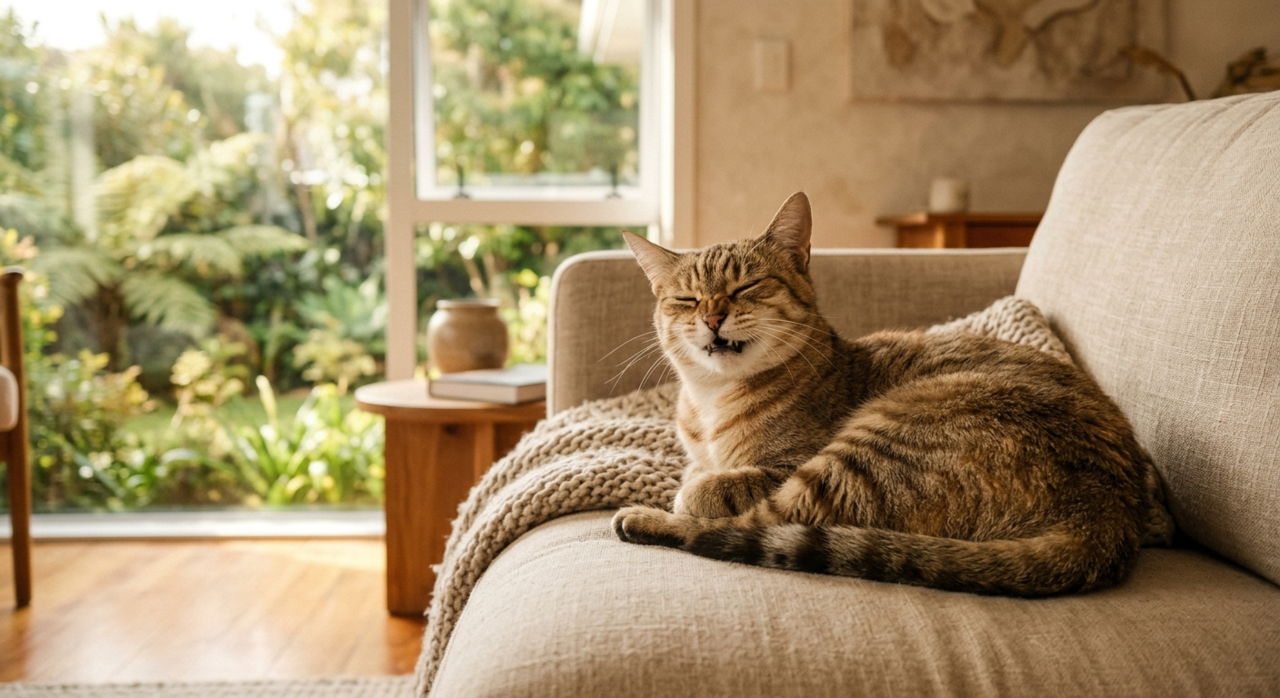
Cats sneeze. Sometimes it's an adorable little "tisshoo" mid-grooming, sometimes it's a small flurry of three or four in a row, and sometimes it's the kind that makes you stop scrolling and properly look at them. The trick is knowing which is normal cat life and which is worth a closer look. The good news: most sneezing is mild and easy to sort. The slightly less good news: a few causes are worth catching early.
Here's a friendly NZ guide to why cats sneeze, what the different patterns usually mean, and how to handle it. We're not a clinic, so anything sudden, persistent, or coming with discharge or behaviour changes is worth a chat with your local clinic.
Quick answer
An occasional single sneeze is completely normal. Repeated sneezing fits, sneezing with discharge from the nose or eyes, or sneezing alongside a behaviour change usually point at one of four things: cat flu (a feline upper respiratory infection), an irritant in the air (dusty litter, perfume, smoke, scented candles), an allergy, or a foreign object up the nose. Less commonly it can be dental, nasal polyps, or in older cats more serious. Switching to a low-dust litter, removing scented home products near the cat's space, and keeping vaccinations current sorts the majority of mild cases. Anything with green or yellow discharge, lasting longer than a few days, or in a cat who's stopped eating needs the clinic.
What the Sneeze Pattern Tells You
The single most useful thing you can do before reaching for Dr Google is pay attention to the pattern of the sneezing. The same cat sneezing once a day vs ten times in a fit means very different things. Match what you're seeing to one of the four below.
Single sneezes, here and there
One small sneeze in the morning, one as they wake up from a nap, one mid-grooming. No discharge, normal behaviour, eating fine, breathing clear.
Usually means: normal cat life. A bit of dust, a whisker tickle, the litter tray puff. Nothing to act on.
Repeated sneezing fits
Three to ten sneezes in a row, multiple times a day. Often paired with a runny nose or watery eyes. Your cat seems mostly fine in between but the fits are obvious.
Usually means: an irritant (dusty litter, perfume, candles, cleaning sprays) or an allergy. Try the easy environmental fixes first before assuming infection.
Sneezing with coloured discharge
Yellow, green or thick discharge from one or both nostrils, often with watery eyes too. Your cat may be a bit quieter, less interested in food, or breathing through the mouth a bit.
Usually means: cat flu (feline upper respiratory infection) or a secondary bacterial infection on top. Worth getting checked rather than waiting it out.
One nostril only, sudden onset
Strong sneezing fits coming from just one side, sometimes with pawing at the face or rubbing one side of the nose along the floor. Often started without warning.
Usually means: a foreign object (a grass seed is the classic NZ summer/autumn culprit), a dental issue, or a polyp. Get it checked, don't try to look or fish anything out at home.
The pattern matters as much as the sneeze itself. Add three more details to make a clinic visit really useful: how long has it been happening, are eyes also weeping or red, and is your cat eating, drinking and behaving normally otherwise. Those three answers narrow the picture down quickly.
The Most Common Causes of Cat Sneezing
1. Cat flu (feline upper respiratory infection)
The most common cause of repeated sneezing with discharge in cats. "Cat flu" is the everyday name for a few different viruses that cause cold-like symptoms: sneezing, runny eyes and nose, sometimes a sore mouth, sometimes a fever. It's especially common in kittens, unvaccinated cats, multi-cat households and rescues. Once a cat has had it, the virus can stay dormant and flare up under stress.
What helps: keep vaccinations current, reduce stress where you can, and get your cat checked at the first sign of discharge. Mild cases settle in 7 to 10 days; anything dragging on longer or affecting eating needs the clinic.
2. Dusty cat litter
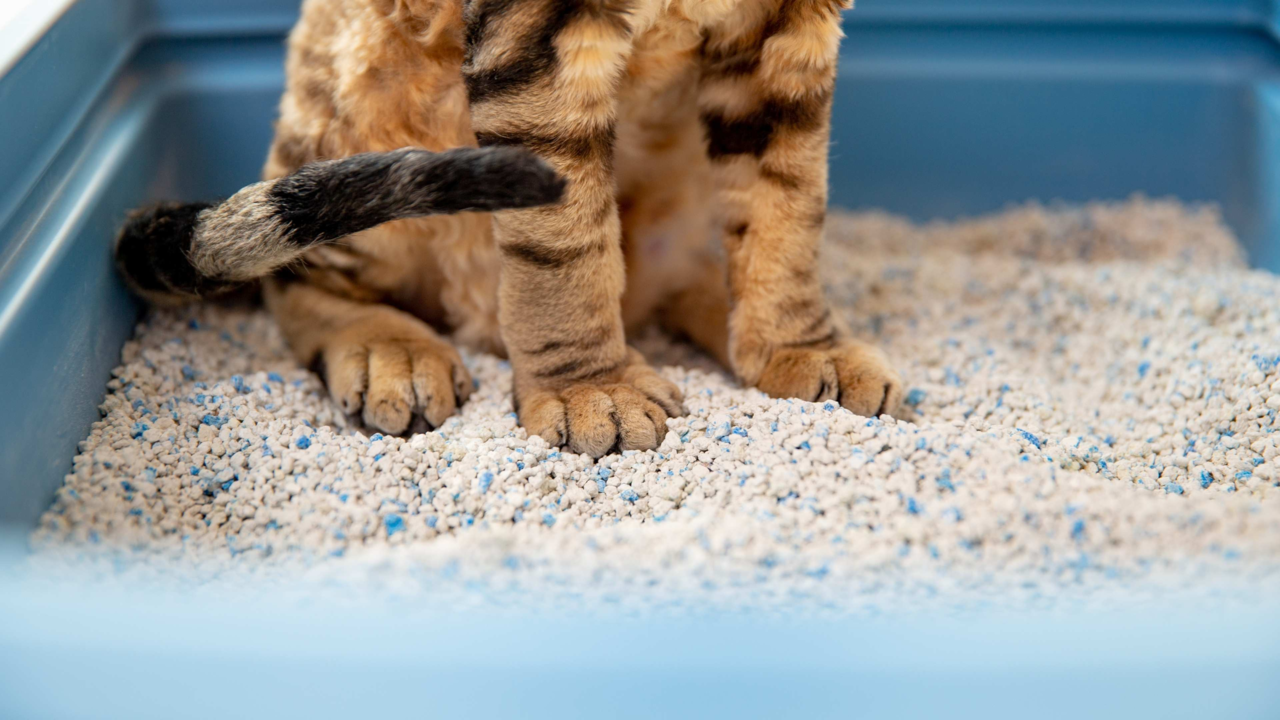
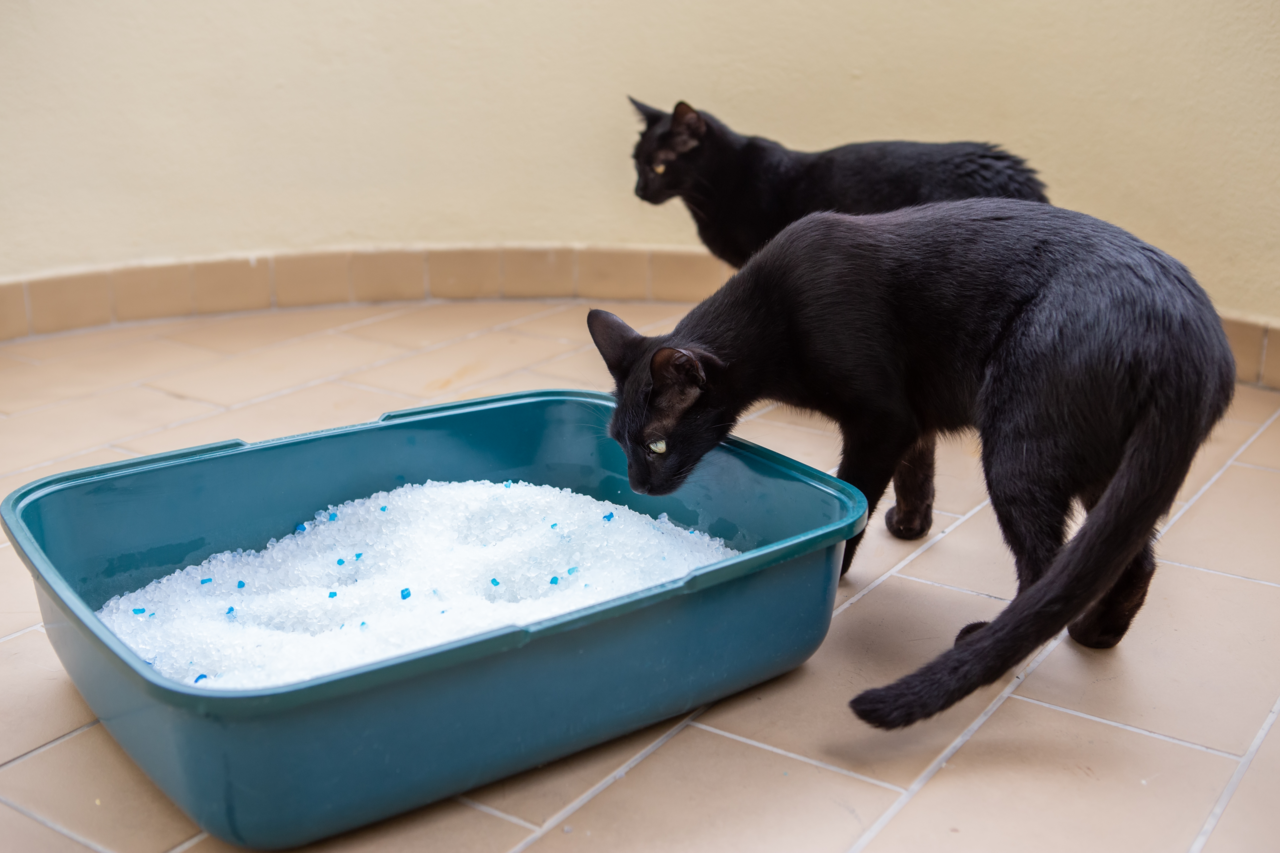
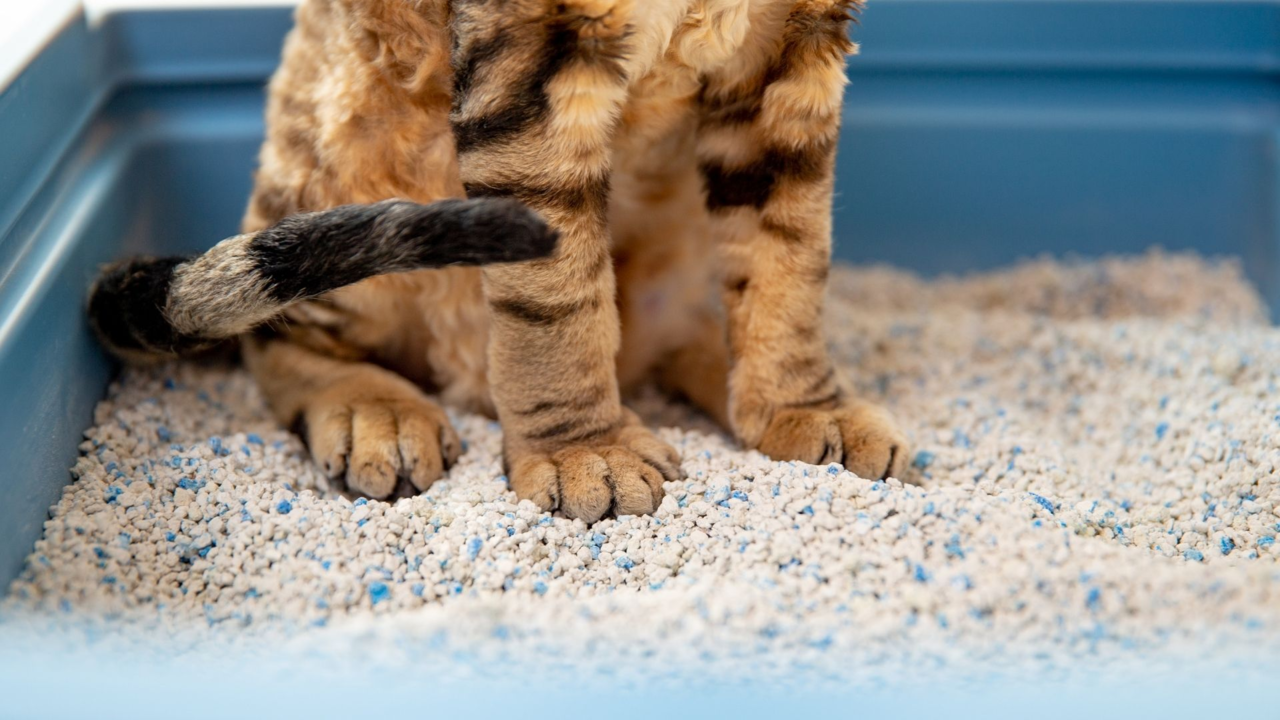
One of the most underrated causes of cat sneezing. Some clay-based clumping litters throw up a fine dust every time a cat scratches around, and that dust gets straight into the airways. If your cat sneezes mostly in or right after the litter tray, the litter is the prime suspect.
What helps: switch to a low-dust or dust-free litter (recycled paper, wood pellets, tofu, or low-dust crystal options all work). Many owners notice fewer sneezes within a week of changing.
3. Perfumes, sprays and scented candles
Cats live closer to the floor than people do, so household sprays settle right where they breathe. Aerosols, plug-in air fresheners, scented candles, perfume, even some cleaning sprays can trigger sneezing fits, especially in indoor cats.
What helps: swap to fragrance-free home products in rooms where your cat spends time. Don't spray air freshener near the litter tray, food bowls or sleep spots. Open a window after cleaning to let things settle before letting your cat back in.
4. Environmental allergies
Cats can react to pollen, dust mites, mould and house dust. Allergic sneezing tends to be seasonal (worst in spring), often comes with watery eyes, and may pair with the occasional itchy ear or skin patch. Indoor cats can still develop allergies, since pollen drifts in through open windows.
What helps: brush more often through high-pollen weeks (especially long-coated cats who carry pollen into the bed), wash bedding and blankets weekly, vacuum more frequently. A general immune-support supplement can help an allergy-prone cat over time.
5. Foreign object (grass seed in NZ summer and autumn)
A grass seed, dust ball or piece of plant material lodged in a nostril produces sudden, intense, one-sided sneezing. It's much more common in cats who go outside, and grass seeds in particular are a known NZ summer-autumn culprit. Don't try to look up the nose or remove anything yourself, the lining tears easily and you can push the object further in.
What helps: get it checked. The clinic will look up the nose properly with the right gear.
6. Dental issues
Cat upper teeth roots sit very close to the nasal passages. A bad tooth or a tooth root infection can show up as sneezing on one side, occasional one-sided discharge, and your cat being a bit "off" with food. This one is often missed because the mouth issue isn't always obvious from outside.
What helps: if the sneezing is one-sided and persistent, a clinic dental check is worth booking. Daily dental care (water additives, dental treats) can help prevent it in the long run.
7. Stress
Stress doesn't directly cause sneezing, but it can wake up dormant cat-flu viruses in cats who've had it before. A house move, a new pet, building work nearby, even a guest staying. If a previously settled cat starts sneezing during a stressful period, this is often why.
What helps: calm routine, predictable feed times, a quiet retreat space, and a calming diffuser for the spaces your cat uses most.
8. Nasal polyps or growths (less common, more often in older cats)
A persistent one-sided sneeze in an older cat that's slowly getting worse can occasionally be a polyp or growth in the nasal passage. Less common than the rest of this list but worth ruling out for a sneeze that doesn't behave like infection or irritant.
What helps: get it checked if the sneeze pattern doesn't fit anything else, isn't responding to litter/spray changes, and your cat is over 10.
Easy Home Wins to Try First
Before assuming the worst, work through the simple environmental fixes. They cost nothing and they sort a surprising number of mild cases.
1. Swap to a low-dust litter
Recycled paper, wood pellets, tofu and low-dust crystal options all throw up much less airborne dust than standard clumping clay. Easy first move.
2. Move scented products away
Plug-in air fresheners, scented candles, perfume, aerosols. Move them out of the rooms where your cat eats, sleeps and uses the litter tray.
3. Open a window after cleaning
Cleaning sprays settle. Letting the air clear for 20 to 30 minutes before your cat goes back into the room reduces what they breathe in.
4. Vacuum more, dust more, wash the bedding
House dust and dust mites are a quiet trigger. Wash cat bedding weekly, vacuum bedrooms and lounges more often through allergy season.
5. Reduce stress where you can
If a stressful event is happening (move, new pet, building work), set up quiet retreat spaces and consider a calming diffuser. Cat flu virus flares are often stress-triggered.
6. Keep vaccinations current
The annual vaccine for cats covers the main cat flu viruses. If your cat is overdue, that's the single most useful preventive step you can take.
Low-Dust Cat Litters Worth Trying
If your cat's sneezing is mostly around the litter tray, the litter is the prime suspect. The options below are the lower-dust picks across recycled paper, wood pellets, tofu and low-dust crystal.
If you're thinking of switching, do it gradually. Mix the new litter in with the old over a week so your cat doesn't reject the change. Our guide Best Cat Litter Types in NZ goes deeper on which type suits which cat.
Immune Support, Calming and Everyday Health
For a cat who's prone to cat flu flares (especially after stress) or generally a bit reactive in the nose and eyes, ongoing immune support and a calmer environment can make a real difference. None of these replace getting an active infection checked, but they're the long-term tools.
Daily supplements work best given consistently. Most cats need 4 to 6 weeks before you'd judge whether they're helping. These are great with Autodeliver for that reason.
When to Get It Checked
Most mild sneezing settles within a few days of an environmental change. Book a clinic visit if any of these apply:
- The discharge is yellow, green, thick or bloody
- Sneezing is one-sided and persistent
- Your cat has stopped eating or is drinking less
- Breathing seems laboured, mouth-breathing, or there's wheezing
- Eyes are weeping, red or partially closed
- A kitten under 12 weeks is sneezing repeatedly
- Sneezing has lasted more than 5 to 7 days
- Your cat seems unusually quiet or hidden alongside the sneezing
- You suspect a foreign object up the nose
Cat flu in particular can knock the appetite back, and a cat who isn't eating for more than a day needs the clinic regardless.
Frequently Asked Questions
Is it normal for my cat to sneeze occasionally?
Yes. The odd single sneeze, with no discharge and otherwise normal behaviour, is just cat life. A bit of dust, a whisker tickle, a puff from the litter tray. The thing to pay attention to is patterns, not occasional sneezes.
Why does my cat sneeze in the litter tray?
Almost always the litter dust. Some clay-based clumping litters release fine particles every time the cat scratches around, and that dust goes straight up the nose. Switch to a low-dust option (recycled paper, wood pellets, tofu, or low-dust crystal) and most "litter tray sneezers" stop within a week.
Can my indoor cat catch cat flu?
Yes. Cat flu viruses can hitchhike in on people, on shoes, or through open doors and windows. Indoor cats also still get cat flu flares from a virus they've been carrying since kittenhood, often triggered by stress. Annual vaccinations are the main prevention.
Should I worry about a kitten that sneezes a lot?
Kittens are more vulnerable to cat flu and dehydrate faster than adult cats. Repeated sneezing in a kitten under 12 weeks, especially with discharge or any drop in appetite, is worth a clinic visit sooner rather than later.
What does "cat flu" actually mean?
It's the everyday name for a few different viruses (mostly feline herpesvirus and feline calicivirus) that cause cold-like upper respiratory illness in cats. Symptoms include sneezing, runny nose, watery eyes, sometimes a sore mouth, sometimes a fever. Mild cases settle in a week or so, but it can be more serious in kittens, older cats, or cats with other health issues.
Does L-lysine actually help a sneezing cat?
L-lysine is one of the most commonly used supplements for cats prone to cat flu flares. It's typically used as ongoing immune support rather than a treatment for an active infection. Give it daily for at least 4 to 6 weeks before judging whether it's helping. It pairs well with a calm routine and a calming diffuser for stress-triggered flares.
Can allergies cause cat sneezing?
Yes. Cats can react to pollen, dust mites, mould and household dust. Allergic sneezing is often seasonal, comes with watery eyes, and may pair with itchy ears or skin. Brushing more often through high-pollen weeks, washing bedding weekly, and vacuuming more frequently usually helps.
Why does my cat sneeze on one side only?
One-sided sneezing is the pattern that points most strongly at a foreign object (grass seed is a common NZ culprit), a dental issue, or, less commonly, a nasal polyp or growth. It's the sneeze pattern most worth getting checked. Don't try to look up the nose at home.
How long should I wait before going to the clinic?
For mild sneezing with no discharge and normal behaviour, give the easy fixes (litter swap, fragrance-free products, less dusting around them) a few days. If discharge appears, breathing changes, eating drops, or the sneezing is in a kitten, go sooner. Anything still going at the 5 to 7 day mark is worth getting checked.