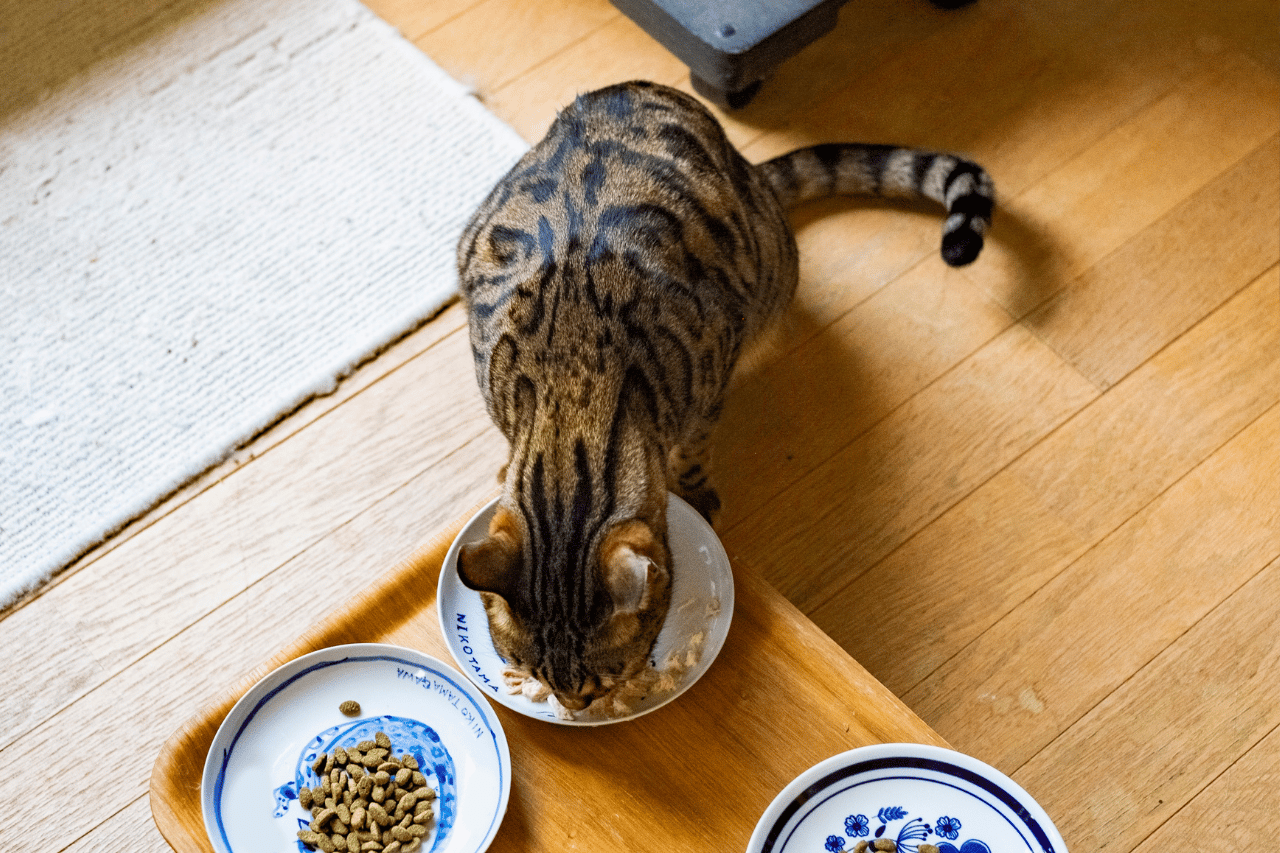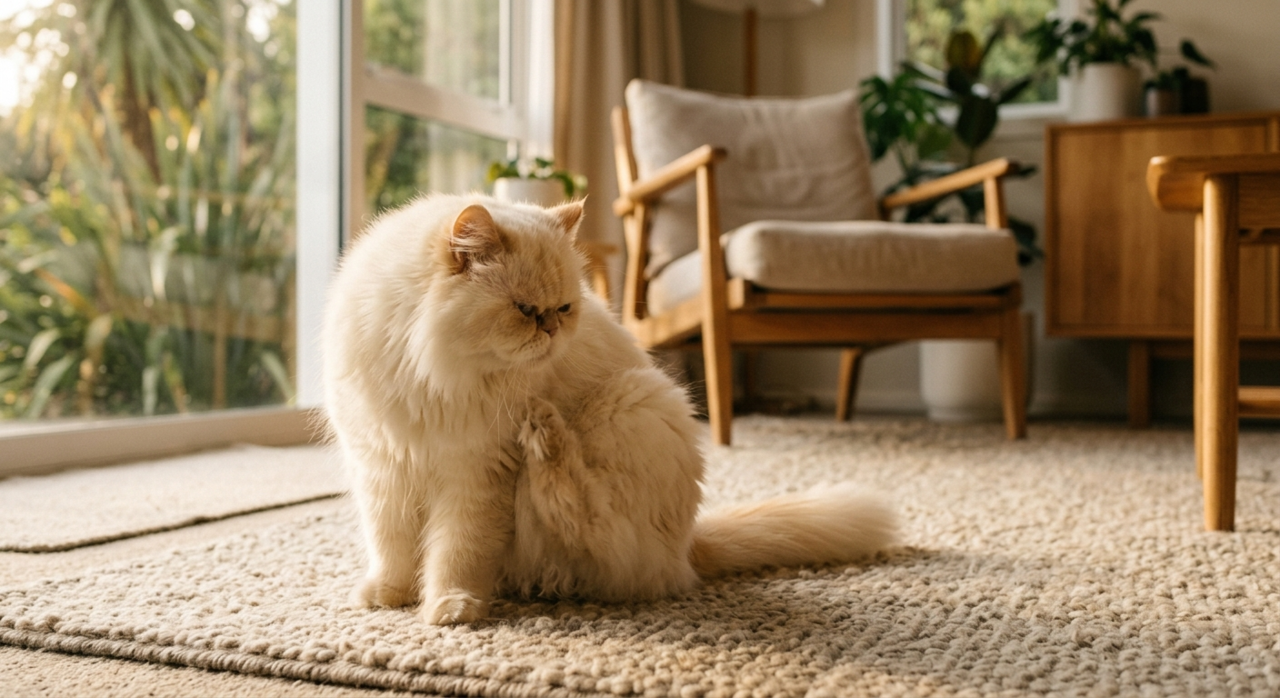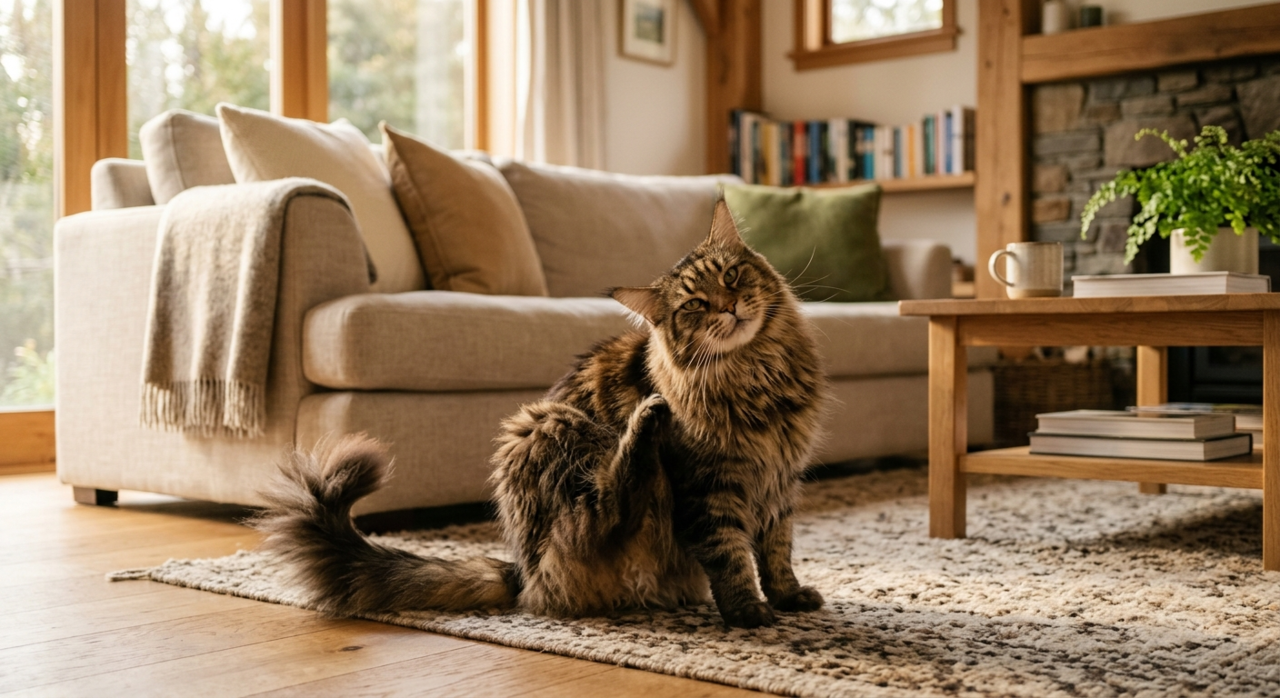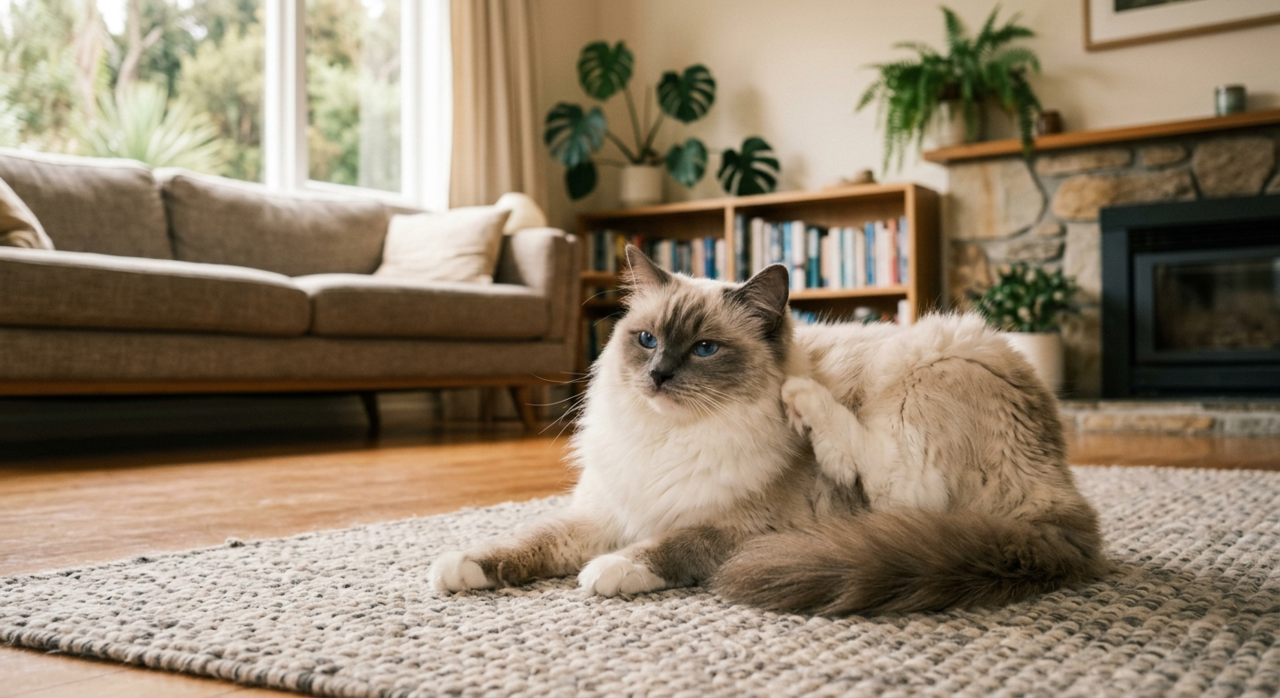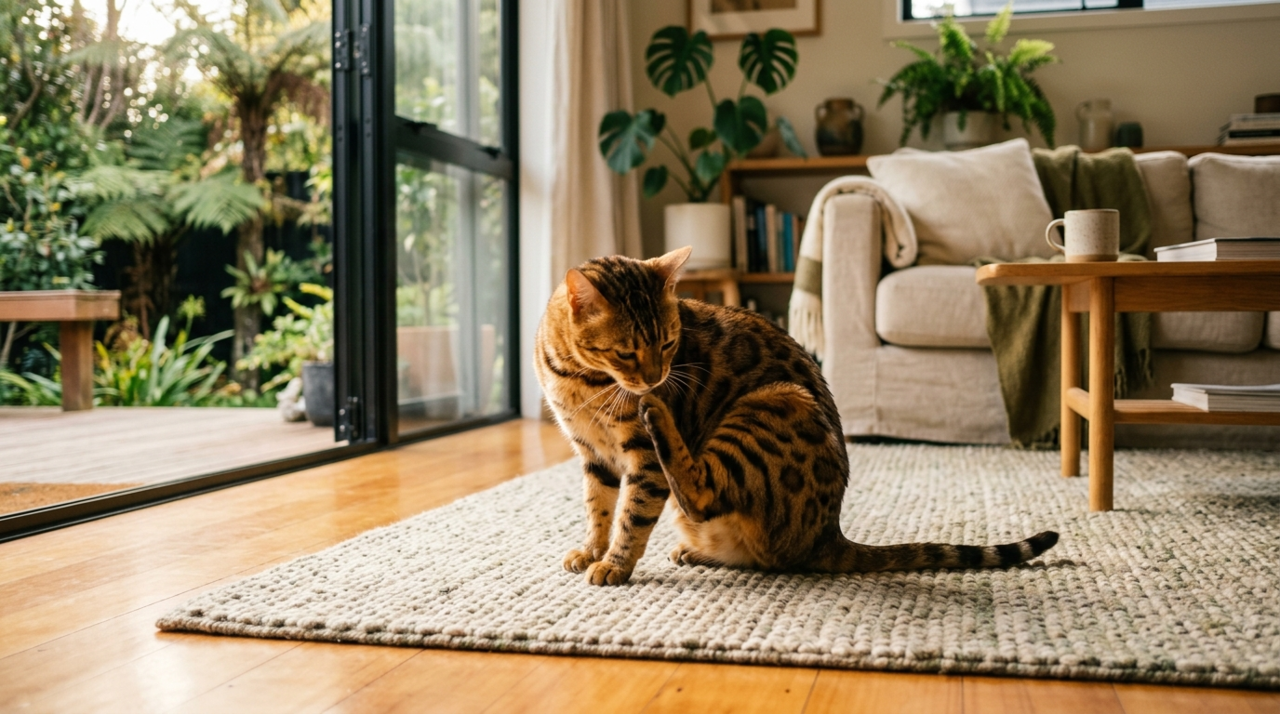
Bengals are athletic, busy, and almost always doing something. They climb cat trees, run laps of the lounge at midnight, hunt invisible prey from the back of the sofa, and have plenty of opinions on whatever you're doing in the kitchen. So when a Bengal starts scratching more than usual, it doesn't look like a quiet cat slowly worrying at a spot, it looks like a busy cat suddenly stopping mid-zoom to dig at their flank with a back foot.
Here's a friendly NZ guide to why Bengal cats can become itchy, what's worth trying at home, and when something needs a closer look. We're not a clinic, so anything getting worse, looking raw, or coming with a behaviour change is worth a chat with your local clinic.
Quick answer
Bengals scratch for breed-specific reasons that look quite different to long-coated cats. The short, dense coat shows skin issues fast (you'll see a tiny scab the same day it forms), they often have indoor and outdoor exposure so the trigger pool is wide, and they're known for being more food-sensitive than the average cat. Add a high energy level that turns mild boredom into over-grooming, and you've got the typical Bengal itch story. Most cases settle with a regular grooming routine, current flea cover, a sensitive-skin food trial and enough mental enrichment to keep an active brain busy. Anything raw, weeping or spreading needs the clinic.
Why Bengal Itch Is Different
Bengals aren't just "short-haired cats". The breed's energy level, coat type and known sensitivities create a fairly specific itch profile that doesn't always match what works for other breeds.
The coat shows everything quickly
Short, dense and shiny is great for spotting skin changes early. A tiny scab, a flake of dandruff, a thin patch from over-grooming, you'll see it within a day or two. That's actually a plus, since you can address things before they spread.
Indoor and outdoor exposure stacks up
Many Bengals split their time between indoors and the back garden. That means the allergen pool is wide: grass pollen and dust mites, laundry detergent and scented candles, plus whatever they roll in outside. Working out the trigger can take a bit of detective work.
Food sensitivities are common
Bengals are one of the breeds where food allergies show up more often than average. Year-round itch (not seasonal), face or belly grooming, and the occasional gut upset often points here before anything else. Chicken, beef and grain proteins are the more frequent triggers.
Energy level matters more than you'd think
Bengals need a lot of stimulation. A bored Bengal will groom themselves into a thin patch in a week or two, and the over-grooming looks identical to skin itch. The clue is usually a clean, defined patch on a front leg or a flank, often paired with restless behaviour at home.
The Most Common Causes of Bengal Cat Scratching
1. Environmental allergens (indoor and outdoor)
The most common reason Bengals scratch. Indoor triggers include laundry detergent residue, fabric softener, scented candles, plug-ins, perfume, cleaning sprays, and dust mites. Outdoor triggers are grass, pollen, and irritants picked up from the garden. The classic Bengal pattern is general body itch with intermittent scratching at the head and ears, and the itch often gets worse seasonally.
What helps: swap laundry detergent for a fragrance-free option, retire scented candles and plug-ins from rooms your cat uses, wipe coats down with a soft pet wipe after outdoor adventures, and vacuum and wash bedding weekly. Most Bengals show improvement within 2 to 3 weeks of these changes.
2. Food sensitivities (often chicken or beef)
Bengals are among the breeds where food allergies show up regularly. Chicken and beef proteins are the more common offenders, and grain-based fillers can also trigger reactions. Food itch is typically year-round (not seasonal), often shows up around the face and belly, and may pair with the occasional loose stool or gut upset.
What helps: a sensitive-skin or limited-ingredient cat food, given strictly for 6 to 8 weeks before judging. No other treats or table scraps in the trial period. Many Bengals do well on novel-protein options like lamb, hoki or salmon-based foods.
3. Fleas (the classic short-coat blind spot)
Short-coated cats can hide flea problems for surprisingly long. The dense Bengal coat looks too clean to have fleas, but a small infestation can run for weeks before scratching becomes obvious. Look for scratching mostly around the base of the tail, the back end, and the back of the neck.
What helps: a current monthly preventive, and a fine-toothed flea comb run through the back of the neck and base of the tail to verify. A flea comb pulls up tiny dark "flea dirt" specks even when the fleas themselves are hard to spot. Indoor-only Bengals still need flea cover, since fleas hitchhike in on people, on other pets, and through open doors and windows.
4. Boredom-driven over-grooming
Bengals are intelligent, active and quick to invent things to do when they aren't given enough stimulation. Over-grooming is one of the things they invent. The give-away is a clear, defined patch in the coat, often on a front leg, the belly, or one flank. The patch will usually appear without any obvious skin irritation underneath.
What helps: more enrichment. Interactive toys, food puzzles, climbing space, supervised garden access, and a daily play session with a wand toy. A tired Bengal is a calmer Bengal. If your cat has been alone more than usual recently, this is often the cause.
5. Stress from environment changes
Bengals are sensitive to disruption. A new pet, a house move, a builder coming and going, a long holiday with a new feeder, or even rearranging the furniture can tip an active cat into anxiety-grooming. The licking and pulling looks identical to itchy skin.
What helps: reinforce the routine, set up a quiet retreat space, and add a calming diffuser to the rooms your cat uses most. A sensitive Bengal usually settles within 2 to 4 weeks once the routine returns.
6. Dry skin (especially in winter heating)
NZ winters are gentle but home heating dries the air, and short-coated breeds show dryness sooner than you'd expect. The Bengal coat can lose some of its shine before flakes appear. Dry skin itches generally rather than in one spot, and often gets worse from May through August.
What helps: a daily omega-3 supplement, and dialling back the heating intensity in spaces where your cat sleeps. Most cats need 4 to 6 weeks of supplementation before you'd notice the change in coat condition.
7. Grass and pollen reactions from outdoor time
Bengals who spend time outdoors pick up plant matter, pollen and grass irritants on their coats. For sensitive cats, this can trigger localised itch around the belly, paws and chin, where contact is most consistent. This pattern is often seasonal, peaking in spring and summer.
What helps: a quick wipe-down with a pet-safe wipe after garden time, especially around the belly and paws. Brushing every few days to remove embedded debris. If you can identify a specific plant that triggers reactions, consider fencing it off.
8. New household products or fabrics
Indoor-active Bengals react to changes in their home environment fairly obviously. A new sofa fabric, a new rug, a recently shampooed carpet, even a new brand of cleaning spray can trigger a sensitive cat. The give-away is timing: itch starts within a week or two of the change.
What helps: if you can pinpoint a recent home change, try removing or covering the source. Wash a new fabric a couple of times before your cat sleeps on it. Air new furniture out for a few days where possible.
Grooming Tools That Genuinely Help a Bengal
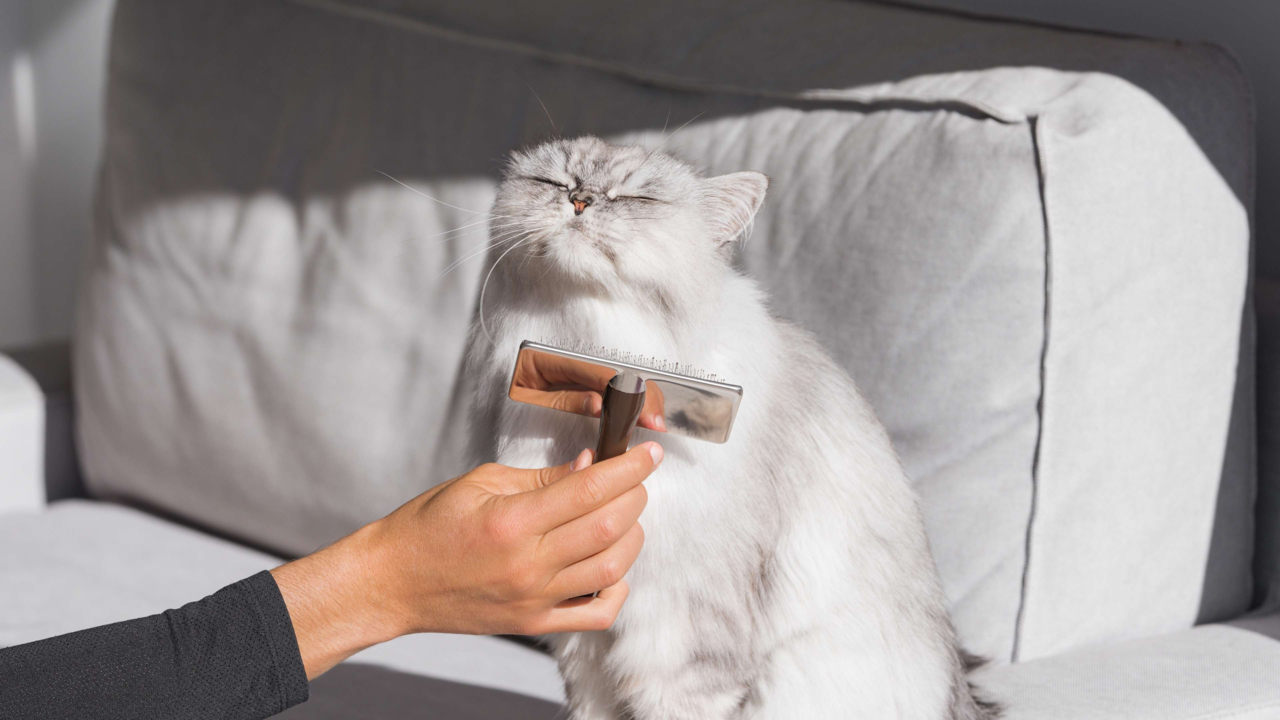
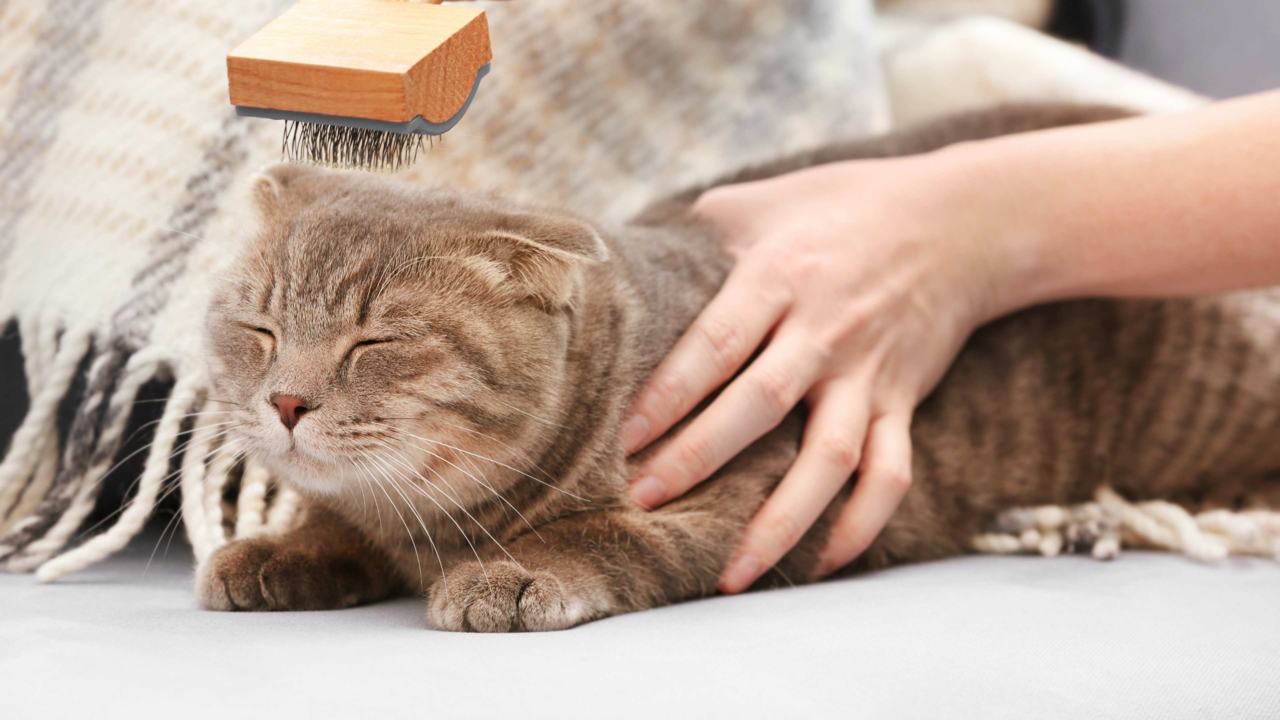
Bengals are easy to groom, in fact most enjoy it, since the short dense coat doesn't tangle and a slicker brush feels good against their skin. A weekly grooming session is plenty for most, with a flea comb on hand for spot-checks.
For an itchy Bengal: slicker brush or deshedding tool once a week through the body, antibacterial pet wipes after outdoor adventures for the belly and paws, flea comb every fortnight through the back of the neck and base of the tail.
Cat-Safe Washes for Itchy or Reactive Skin
Most Bengals don't need bathing as a regular part of their routine, but a gentle bath every few months during a reactive period can help. Use a cat-safe oatmeal-based shampoo and follow with a conditioner so the coat doesn't tangle.
Foods Worth Considering for Sensitive Bengals
If the itch is generalised, year-round, around the face and belly, or paired with occasional gut upsets, food is the lever to pull. Sensitive-skin, hairball or hair and skin formulas are popular starting points, with novel-protein options helping where a chicken or beef sensitivity is suspected.
Give a new food at least 6 to 8 weeks of strict feeding (no other treats or table scraps in the trial period) before judging. Most of these are available on Autodeliver for ongoing savings.
Calm, Skin Support and Flea Cover
Three quiet ongoing supports work well together for sensitive Bengals: a calming diffuser to take the edge off household stress, an omega-3 supplement to support the skin barrier, and a current flea preventive regardless of whether your cat goes outside.
Supplements work best given consistently every day. Most cats need 4 to 6 weeks before you'd notice the coat improving.
Enrichment to Stop Boredom-Grooming
This is where Bengals really stand apart from other breeds. A bored Bengal often shows up as an itchy Bengal. Daily play sessions, food puzzles and climbing space all help take the edge off the energy that would otherwise go into over-grooming.
A 10 to 15 minute wand-toy play session twice a day plus a food puzzle to slow meal time is enough for most Bengals to take the edge off. If your cat has recently had less interaction than usual (new baby, work change, holiday), upping enrichment for a couple of weeks often sorts a mild over-grooming pattern on its own.
When to Get It Checked
Most mild Bengal itch settles within a couple of weeks of a better routine, fragrance-free home products, sensitive-skin food and an omega supplement. If any of these apply, it's worth booking your local clinic:
- The skin is broken, raw, weeping or has a smell
- Hair is coming out in patches, or there are bald spots
- Your cat is licking or scratching one specific spot constantly
- Eating, drinking, toilet habits or behaviour have shifted alongside the scratching
- The over-grooming pattern is widening (started on one leg, now both, then the belly)
- You've worked through the basics for 4 weeks and the itch isn't easing
- You've spotted fleas or "flea dirt" and a preventive hasn't sorted it within 4 weeks
Frequently Asked Questions
Why does my Bengal scratch more than my other cats?
Bengals are higher-energy than the average cat, often have indoor and outdoor allergen exposure, and the breed has a higher rate of food sensitivity (especially to chicken and beef). The short, dense coat also shows skin changes within a day or two, which makes the scratching look more dramatic than it might on a long-coated cat. Most Bengal itch is settled with a regular grooming routine, current flea cover, enough enrichment, and a sensitive-skin food trial.
Could it be the food?
Quite possibly. Chicken, beef and grains are the more common triggers in food-sensitive cats, and Bengals are among the breeds where food allergies show up regularly. The classic pattern is year-round itch (not seasonal), face and belly grooming, and occasional gut upsets. A 6 to 8 week trial on a chicken-free novel-protein food (lamb, hoki or salmon-based) is the usual way to find out.
Is it boredom or itch?
The pattern usually tells you. Boredom-grooming creates a clear, defined patch in the coat, often on a front leg, belly or one flank, and the skin underneath looks fine. Itch is more generalised, comes with scratching as well as licking, and the skin often shows scabs, redness or flakes. Bengals can do both at once, which is why a sensitive-skin food plus enrichment often works better than either on its own.
How often should I brush my Bengal?
Once a week is the sweet spot for most Bengals. The short, dense coat doesn't tangle, so the goal of grooming is to remove loose fur and let you check for fleas, dander, or skin changes early. Most Bengals enjoy a slicker brush, since it works a bit like a scratch.
Can my indoor Bengal really get fleas?
Yes. Fleas hitchhike in on people, on other pets, and through open doors and windows. The dense Bengal coat hides them well, and a small infestation can be running for weeks before scratching becomes obvious. A monthly preventive plus a periodic flea-comb check is the easiest way to rule fleas in or out.
My Bengal has a thin patch on the inside of one front leg, what is that?
That's the classic over-grooming pattern. A defined patch where your cat licks the same spot repeatedly, often on the inner front leg, the belly or one flank. The hair thins, the skin underneath is usually intact. For a Bengal, the first place to look is enrichment, since boredom is the most common cause. A calming diffuser and predictable feeding times help, and the patch usually recovers within 4 to 6 weeks. If it isn't recovering, get it checked.
Should I bath my Bengal to help with itching?
Most Bengals don't need regular baths, but they tolerate baths better than the average cat. A gentle oatmeal-based shampoo bath every few months can help during a reactive period. Use a conditioner so the coat doesn't get dry, and don't bath more often than every 8 to 12 weeks during an itchy stretch.
How long should I try home steps before going to the clinic?
If you've improved the grooming routine, switched to fragrance-free home products, started monthly flea prevention, increased enrichment, and tried a sensitive-skin food, give it 4 weeks of consistent change before the clinic visit. Sooner if the skin is breaking, smells off, or there are bald spots. Most Bengal itch responds well to environmental and food changes when caught early.
Bengal Grooming and Skin Support Essentials
Find slicker brushes, gentle shampoos, sensitive-skin food, omega supplements, calming diffusers and enrichment toys in one place. Save with Autodeliver on food, supplements and flea treatments, and enjoy everyday member pricing as part of Pet Perks.
SHOP CAT GROOMING