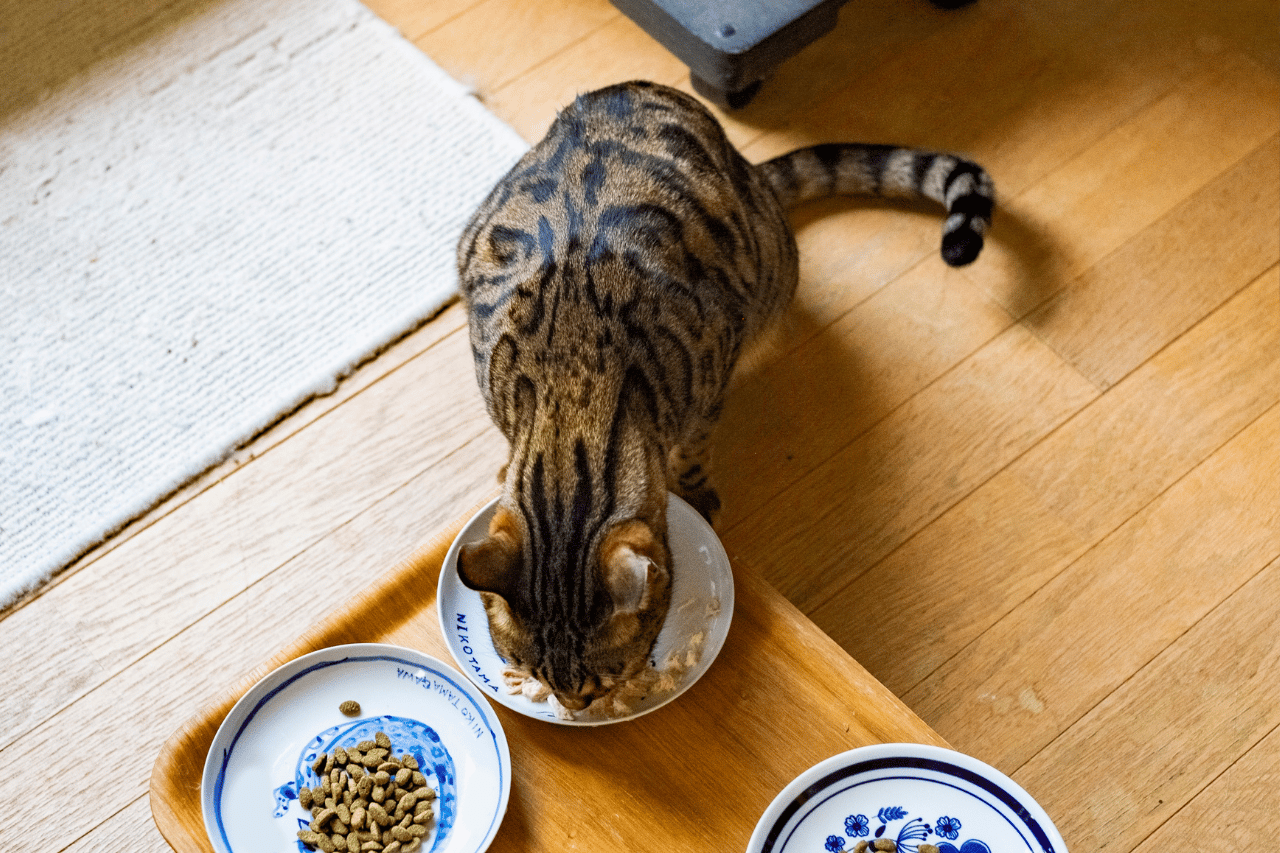
Bengal cats aren't your average lap cat. Athletic, muscular, endlessly curious and powered by what feels like an unlimited fuel tank, they have nutritional needs that match their lifestyle. Feed them like a couch-potato moggie and you'll either end up with a frustrated cat tearing up your blinds, or a chubby Bengal who's lost their athletic edge.
This guide covers what to feed your Bengal cat in NZ, what to look for on the label, and the products that fit the bill, from premium dry foods to high-protein wet meals and air-dried options that mimic a more natural diet.
Quick answer
Feed your Bengal a high-protein, meat-first diet built around quality animal protein, healthy fats and minimal fillers. A mix of premium dry food (look for 35 percent+ protein), wet food, and the occasional air-dried or freeze-dried meal works well for most Bengals. Pair with plenty of fresh water, daily play, and portion control to keep them lean.
What Makes Bengal Cats Different
Athletic and muscular
Bengals are leaner and more muscular than most domestic cats, with a wild ancestor (the Asian Leopard Cat) in their bloodline. They need protein to support that muscle mass.
High-energy by nature
They climb, jump, run, hunt and play far more than the average cat. That activity burns through calories and demands a nutrient-dense food.
Highly intelligent
Bengals get bored quickly. Mealtime can (and should) double as enrichment, with puzzle feeders and slow feeders helping them work for their food.
Often sensitive stomachs
Some Bengals have sensitive digestion and don't tolerate sudden food changes well. Slow transitions and watching for grain or filler reactions matters.
Prone to boredom eating
If they're not getting enough mental and physical stimulation, Bengals can overeat or eat the wrong things. Portion control plus enrichment is the answer.
Love variety
Many Bengals do better on rotational diets that include different proteins (chicken, beef, fish, venison) over time, mimicking what their wild ancestors would have eaten.
What to Look for in Bengal Cat Food
Animal protein first
The first ingredient should be a named meat like chicken, lamb, beef, fish or venison, not a meat by-product or vague "meat meal". Look for protein content of 35 percent or higher in dry food.
Real meat content
Higher-quality foods list real meat and organ percentages on the bag. Aim for at least 60 to 70 percent meat content for a Bengal where possible.
Healthy fats
Bengals need fat for energy. Look for chicken fat, fish oil, salmon oil and other named fat sources. Omega-3s help support coat shine and joint health.
Minimal fillers
Avoid foods loaded with corn, wheat or soy. Some grains are fine, but they shouldn't be the bulk of the food. Bengals do best on grain-free or limited-grain diets.
Taurine
An essential amino acid for cats, supporting heart and eye health. All quality cat foods include it. Just make sure it's on the label.
Moisture matters
Cats are notoriously poor drinkers. Wet food, raw or air-dried options that are reconstituted with water all help your Bengal stay properly hydrated.
High-Protein Dry Food Options
Premium dry food is the backbone of most Bengal diets. These options all lead with named meat and run high on protein, making them well-suited to active cats. Talk to your clinic about portion sizes for your specific cat.
Orijen Original is one of the highest-protein dry cat foods available in NZ, with around 40 percent protein from chicken, turkey and fish. ACANA's Highest Protein range (Wild Prairie, Pacifica, Grasslands) sits just below at around 37 percent and offers great variety for rotational feeding.
Wet Food Options for Bengals
Wet food adds moisture, variety and a satisfying meal experience. A Bengal eating one wet meal a day plus high-protein dry is a balanced setup that works well for most active cats.
ZIWI's meat-first cans (typically 92 percent meat, organs and seafood) are some of the highest-quality wet foods on the market. Feline Natural's NZ-made canned and pouch range is another excellent option, with single-protein recipes that suit cats with sensitivities.
Air-Dried and Freeze-Dried Options
Air-dried and freeze-dried foods bridge the gap between dry and wet. They're nutrient-dense, made mostly of meat, and many Bengals love them. Use them as a complete diet or as a meal topper to lift the protein in a regular dry food.
ZIWI's air-dried range is around 96 percent meat, organs and seafood, which is about as close to a natural diet as commercial cat food gets. Just keep portions small as it's calorie-dense.
How Much to Feed a Bengal Cat
Bengals are typically larger than the average cat, weighing 4 to 7kg (males) or 3 to 5.5kg (females). Daily portions vary based on age, weight, activity level, and the food you're using.
Kitten (0 to 12 months)
Free feeding or 4 to 5 small meals a day, on a kitten-specific high-protein diet to support rapid growth. Always check the bag for breed/weight portions.
Adult (1 to 7 years)
2 meals a day, with portions calculated to weight and activity. Most adult Bengals eat 60 to 90g of dry food a day, or a mix of wet and dry. Always follow the bag guide.
Senior (7+ years)
Activity slows down, but Bengals stay active longer than many breeds. Switch to a quality senior food when activity drops, and watch portion sizes closely.
Always read the feeding guide on your specific food and adjust based on body condition. You should be able to feel ribs but not see them, and your cat should have a defined waist when viewed from above.
Mealtime Enrichment for Bengals
Because Bengals are so smart and active, mealtime is a perfect chance for enrichment. Working for food keeps them mentally engaged and slows down speed-eaters.
The Catit Senses 2.0 Food Tree turns dry food into a paw-and-tilt puzzle. The PETKIT Eversweet Solo SE is a quiet, filtered fountain that taps into a Bengal's natural attraction to running water (great for hydration).
Common Bengal Feeding Mistakes
Feeding low-quality dry food
Cheap supermarket food is loaded with grain fillers and low on real meat. A Bengal on this kind of diet usually shows it in coat condition and energy levels.
Free feeding without portion control
Leaving a bowl of dry food out 24/7 works for some cats, but Bengals can overeat from boredom. Measured portions plus mealtime enrichment is usually a better fit.
Not enough variety
Many Bengals get bored of the same food and start refusing it. A rotation across 2 to 3 protein sources usually keeps them interested.
Sudden food switches
Bengals can have sensitive digestion. Always transition new food over 7 to 10 days by mixing with their current food.
Skipping wet food
Dry-only diets put Bengals at risk for low hydration and urinary issues. Even one wet meal a day makes a real difference.
Treats taking over
Bengals love treats and will absolutely manipulate you for them. Keep treats to under 10 percent of daily calories.
When to Talk to Your Clinic
Reach out if you notice:
- Sudden weight loss or gain
- Coat going dull, dry or greasy
- Frequent vomiting or loose stools
- Allergies, itchy skin or hot spots
- Unusual thirst or toilet habits
- Refusing food for more than 24 to 48 hours
Bengals can mask issues well, so any unusual change is worth a quick check. Your clinic can also help with portion advice for your specific cat's age, weight and activity level.
Frequently Asked Questions
How much protein does a Bengal cat need?
Adult Bengals do well on diets with 35 percent or higher protein in dry food, ideally from named animal sources. Kittens need even more (around 40 percent+) to support rapid growth and muscle development.
Can Bengals eat regular cat food?
They can, but they thrive on premium, high-protein, meat-first diets. Regular supermarket cat food often doesn't have the protein content or quality a Bengal needs to look and feel their best.
Should Bengals eat dry or wet food?
Most Bengals do best on a mix of both. Dry food provides convenience and dental benefits, wet food provides moisture and variety. A typical schedule is one wet meal and dry food available for grazing, or two measured meals of dry plus wet topper.
Are Bengals prone to obesity?
Bengals are typically lean and athletic, but indoor Bengals without enough enrichment can put on weight. Measured portions, daily play, and puzzle feeders help keep them at a healthy weight.
Can Bengals eat raw food?
Some owners choose to feed raw or freeze-dried raw diets. If you go this route, work with your clinic to make sure the diet is balanced. Air-dried and freeze-dried options are convenient alternatives that offer similar benefits without the prep work.
What food do Bengal breeders recommend?
Reputable breeders typically recommend high-protein, grain-free or low-grain diets with named meat as the first ingredient. Specific brands vary, but Orijen, ACANA, ZIWI and Feline Natural are commonly mentioned by NZ breeders.
How often should I feed my Bengal?
Adults: typically two measured meals a day plus access to fresh water and the occasional treat. Kittens: 4 to 5 smaller meals a day. Some owners do well with smaller, more frequent meals to match a Bengal's natural hunting pattern.
Shop Premium Cat Food for Bengals
From high-protein dry food to NZ-made wet meals and air-dried options, find a diet that fuels your Bengal's energy. Save with Autodeliver on their regular food and enjoy everyday member pricing with Pet Perks.
SHOP CAT FOODRelated Reading
Best Wet Cat Food in NZ: A Complete Buyer's Guide
Orijen Dog & Cat Food NZ: Biologically Appropriate Nutrition
How Much to Feed Your Cat: Guide for Kittens, Adults & Seniors

Best Cat Toys in NZ: The Ultimate Guide for Every Cat
Cat Toy Buying Guide NZ: How to Choose the Right Toy
How to Choose the Right Toy for Your Cat's Personality