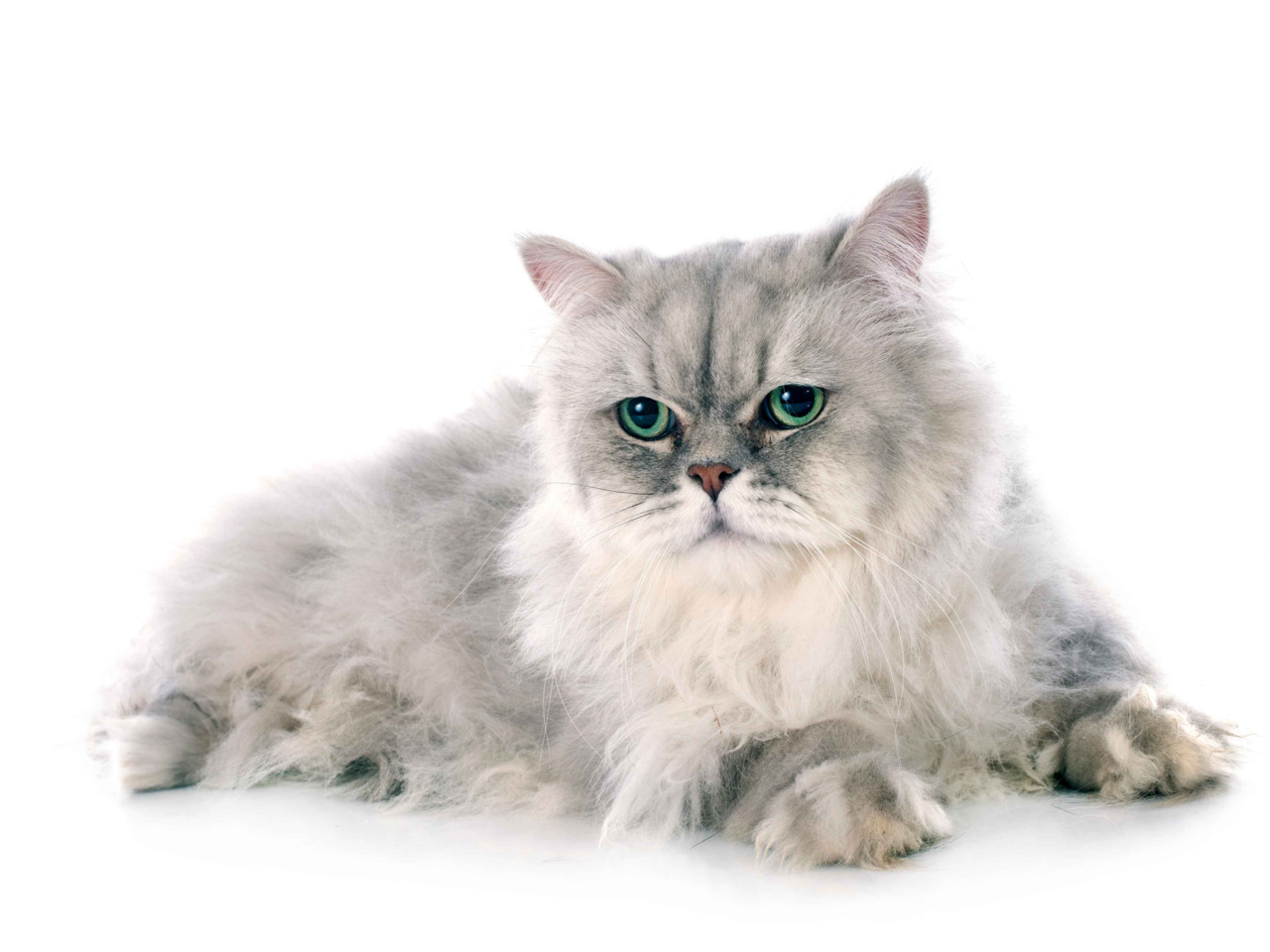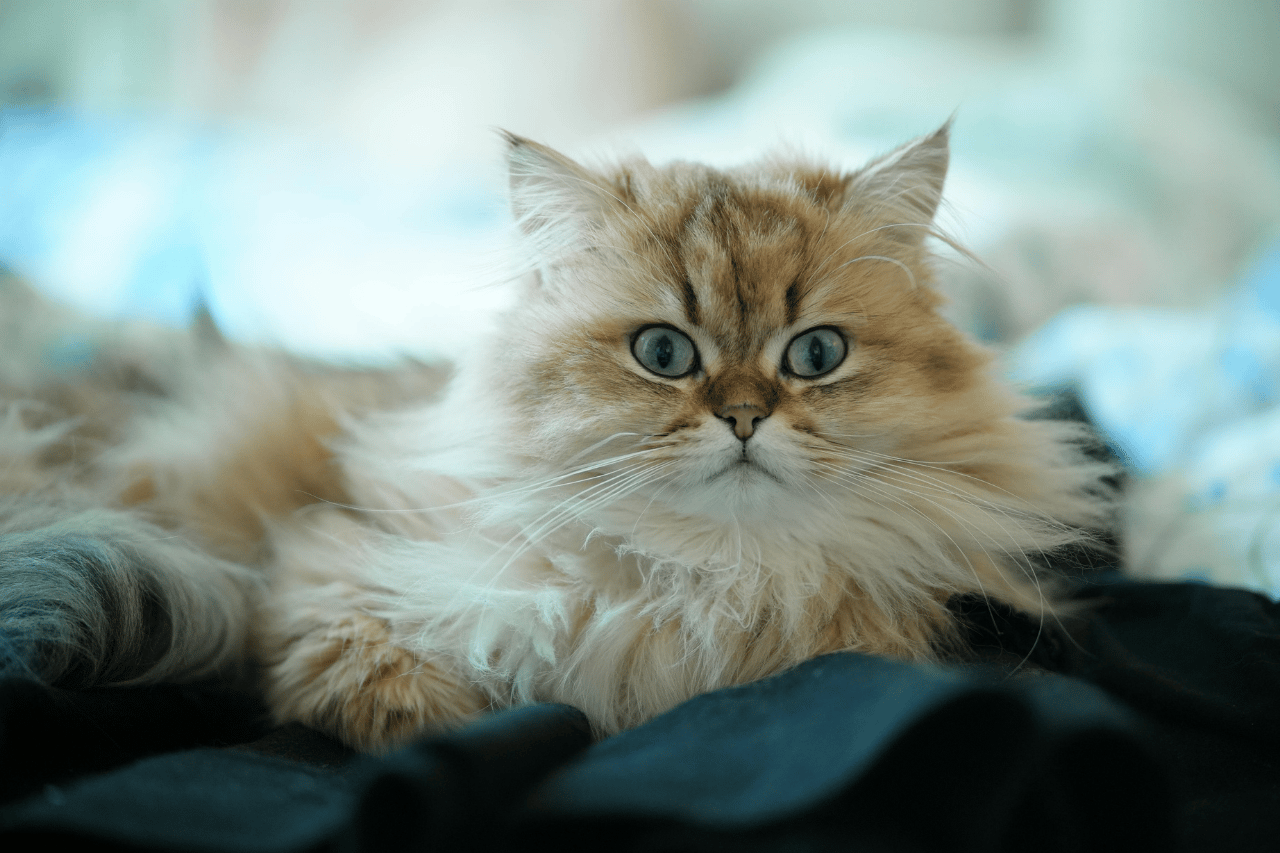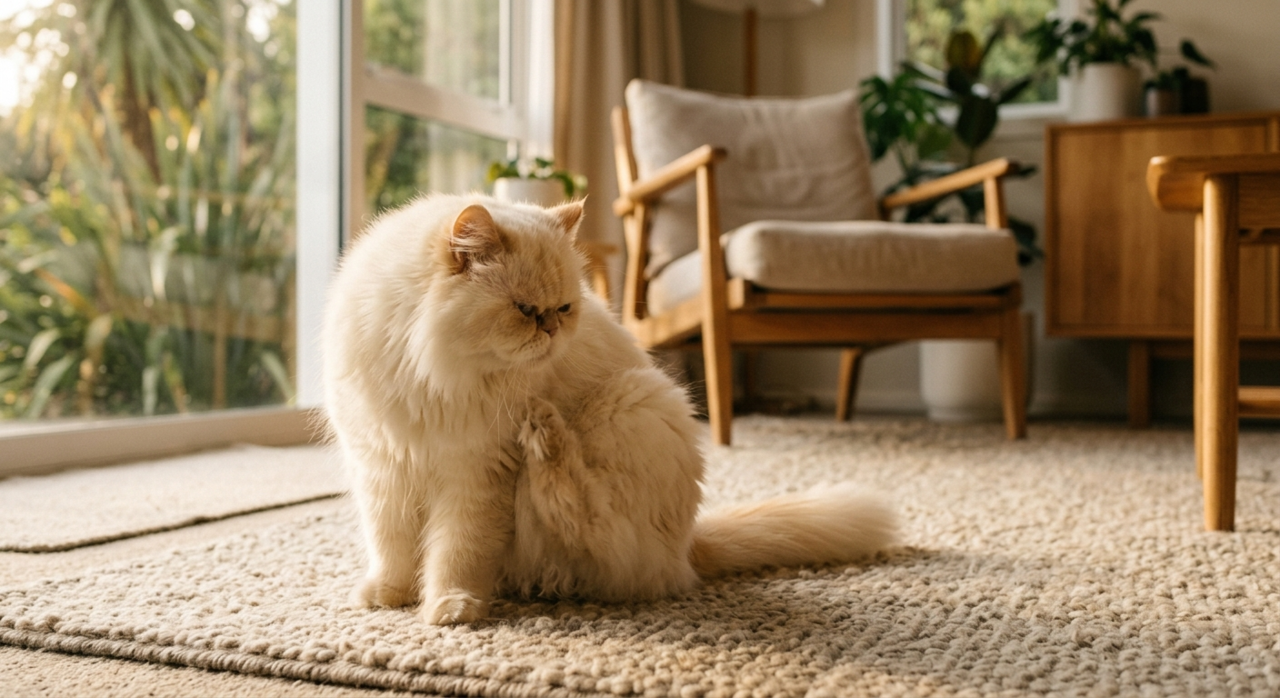
Persians are gorgeous, gentle and a bit high-maintenance, and the long luxury coat that makes them so striking is also the reason scratching can sneak up quickly. If you've noticed your Persian cat scratching more than usual, pawing at their face, or doing more "pulling" than grooming when they wash, you're not imagining it. There are a handful of reasons Persians scratch in ways that other cats don't, and most of them are very fixable once you know what you're looking at.
Here's a friendly NZ guide to why Persian cats can become itchy, what's worth trying at home, and when something needs a closer look. We're not a clinic, so anything that's getting worse, looks raw, or comes with a behaviour change is worth a chat with your local clinic.
Quick answer
Persian cats scratch more than the average cat for breed-specific reasons: their long, dense coat traps allergens and tangles close to the skin, their flat face means tear staining and eye discharge can irritate the surrounding fur, and their skin tends to sit on the sensitive end. The most common culprits are matted coat, fold dermatitis around the face, environmental allergies (dust, pollen, cleaning products), food sensitivities and the everyday two: fleas and dry skin. A regular grooming routine, gentle face wipes, sensitive-skin food and an omega supplement together fix the majority of mild cases. Anything that's getting worse, raw, or smells off needs a clinic visit.
Why Persian Cats Itch Differently to Other Cats
Most short-haired cats can sort their own grooming out. Persians can't. Their coat works against them in three quiet ways, and once you know what's happening it's easier to spot the trouble before it becomes a real itch problem.
The coat traps everything
That dense undercoat catches dust, pollen, dander and household particles and holds them right against the skin. In a short-haired cat, those would shake off. On a Persian, they sit there, and sit there, and sit there.
Mats pull at the skin
Even small tangles tug constantly when your cat moves. A bigger mat behind the ear, under the armpit or along the belly is essentially a low-grade pull on the skin all day. That gets uncomfortable fast and looks a lot like itchiness.
The flat face has its own issues
Persian eyes drain a little more than most, and that moisture sits in the fur right under the eye and along the nose folds. Damp fur next to skin is irritation waiting to happen, and many "Persian scratching" issues are actually face fold issues.
The skin is on the sensitive side
Persians are one of the breeds more likely to react to common allergens (food, pollen, dust mites). Combine a sensitive skin baseline with a coat that traps allergens, and small triggers turn into bigger reactions.
The Most Common Causes of Persian Cat Scratching
1. Matted or tangled coat
By far the most common reason a Persian suddenly seems itchy. Mats can form anywhere but the usual spots are behind the ears, under the armpits and around the back end. Tangles pull at the skin every time your cat moves, and the skin underneath can become red, sore and even broken.
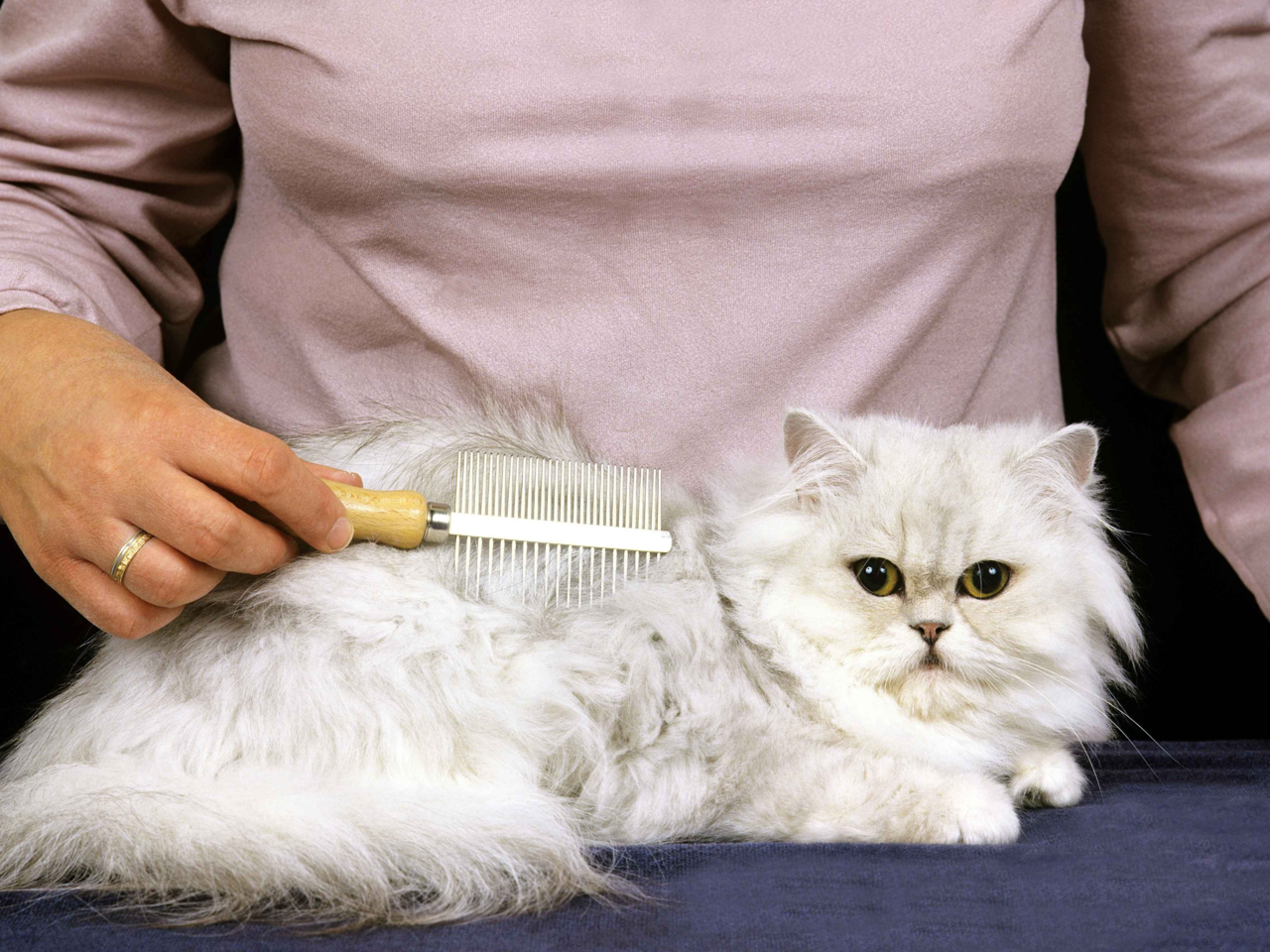
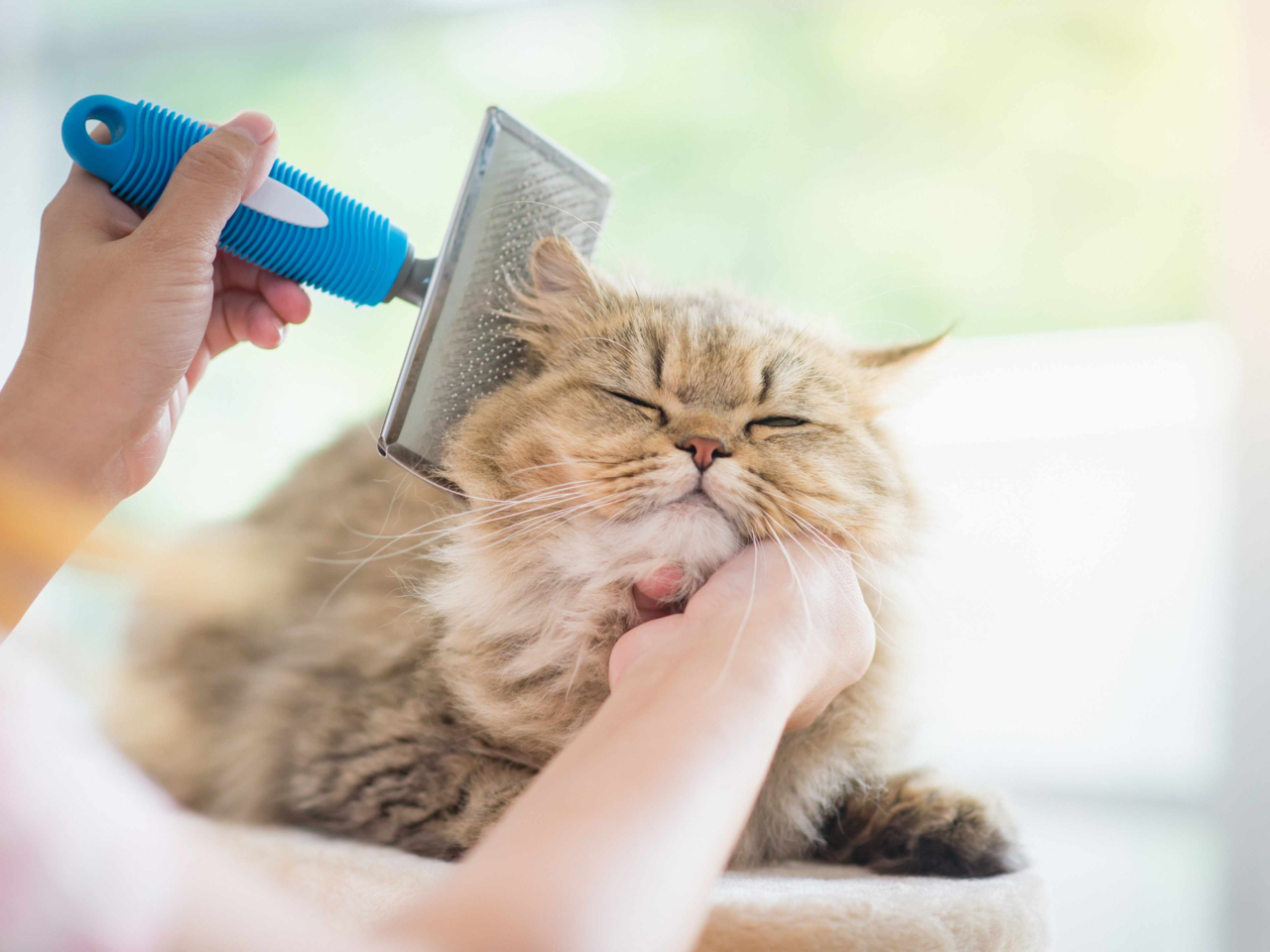
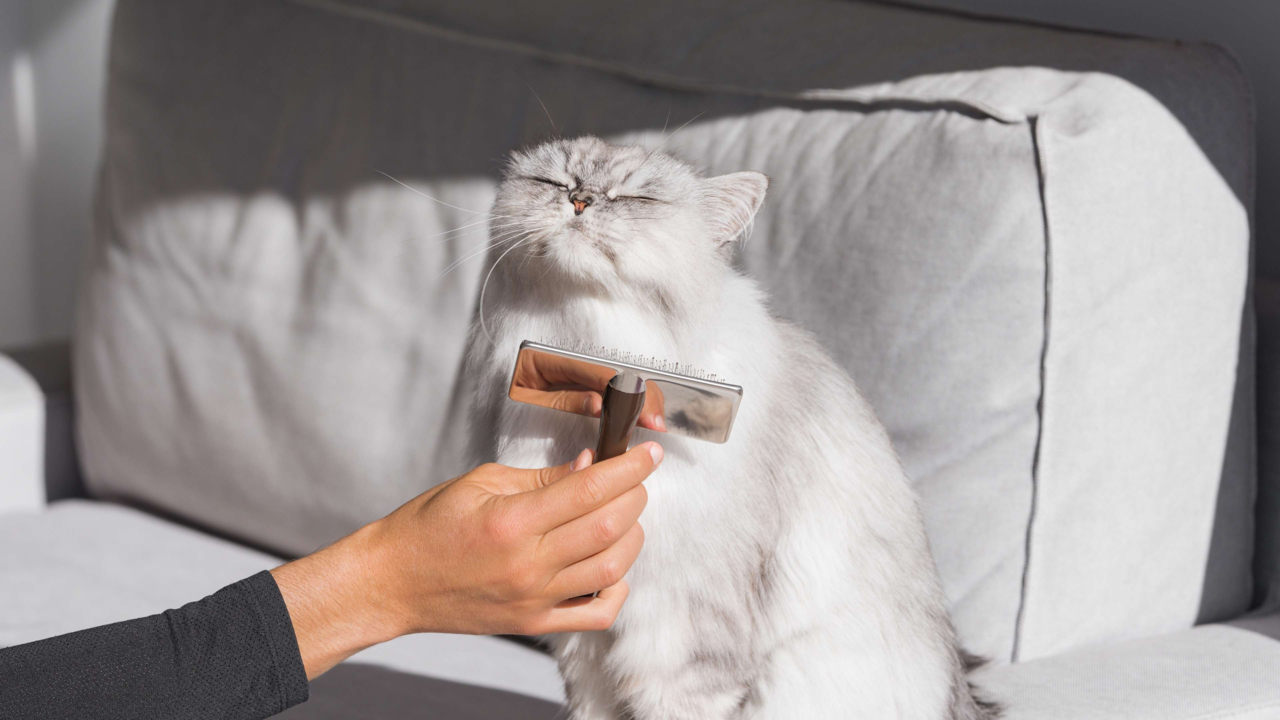
What helps: daily brushing with a slicker brush and a deshedding tool worked through gently. Never try to cut a mat out with scissors close to the skin, the skin lifts more than you'd expect.
2. Tear staining and face fold irritation
Persian eyes naturally produce more discharge, and the flat face means it sits in the fur and skin folds rather than draining away. Damp fur next to skin breeds yeast and bacteria, and the area gets red, smelly and itchy. Lots of owners assume their Persian is "just scratching" when really they're trying to relieve the face folds.
What helps: daily wipe of the face folds and under the eyes with a soft, fragrance-free wipe. Keep the area dry. If it's red, raw or smelly, get it checked.
3. Environmental allergies
Dust, pollen, mould, household cleaning sprays, scented candles, perfumes. Indoor cats spend their lives close to all of them, and the long coat catches them and holds them. Allergic itch is usually generalised, often shows up around the head and ears, and gets worse seasonally.
What helps: brush more often during high-pollen weeks, vacuum and wash bedding more frequently, switch to fragrance-free home products, and a gentle hypoallergenic wash to rinse the coat.
4. Food sensitivities
Persians are one of the breeds where food allergies show up more often. Common triggers are chicken, fish or grains, but it varies cat to cat. Food itch is usually all-year-round (not seasonal) and often shows up around the face, ears and belly.
What helps: a sensitive-skin or limited-ingredient cat food, and patience: it usually takes 6 to 8 weeks of strict change before you'd judge whether it's helping.
5. Fleas (yes, even on indoor Persians)
An indoor Persian is not flea-proof. Fleas hitchhike in on people, on other pets and through open doors and windows. The dense coat hides them well. If your Persian is scratching mostly around the base of the tail, the back end or the back of the neck, fleas are the first thing to rule out.
What helps: a current flea treatment, and a thorough comb-through with a fine-toothed flea comb to check.
6. Dry or oily skin
Persian skin can swing either way. Some Persians get genuinely dry, especially in winter when home heating dries everything out. Others build up oil under the dense coat and develop a "greasy" feel that's its own irritation. Either extreme tends to itch.
What helps: an omega-3 supplement for dry skin, and a gentle cat-safe shampoo or waterless wash for oily build-up. Keep bath frequency low, once every 4 to 6 weeks at most for most Persians.
7. Hairball-related grooming overdrive
If your Persian is over-grooming because they're trying to bring up a hairball, the constant licking and pulling can look exactly like itchiness. Persians swallow more loose fur than any other cat, just because they have so much of it.
What helps: a hairball-control food or treat, and more frequent brushing so less loose fur ends up in the stomach. Our guide How to Prevent Hairballs in Longhaired Cats goes deeper.
Grooming Tools That Genuinely Help
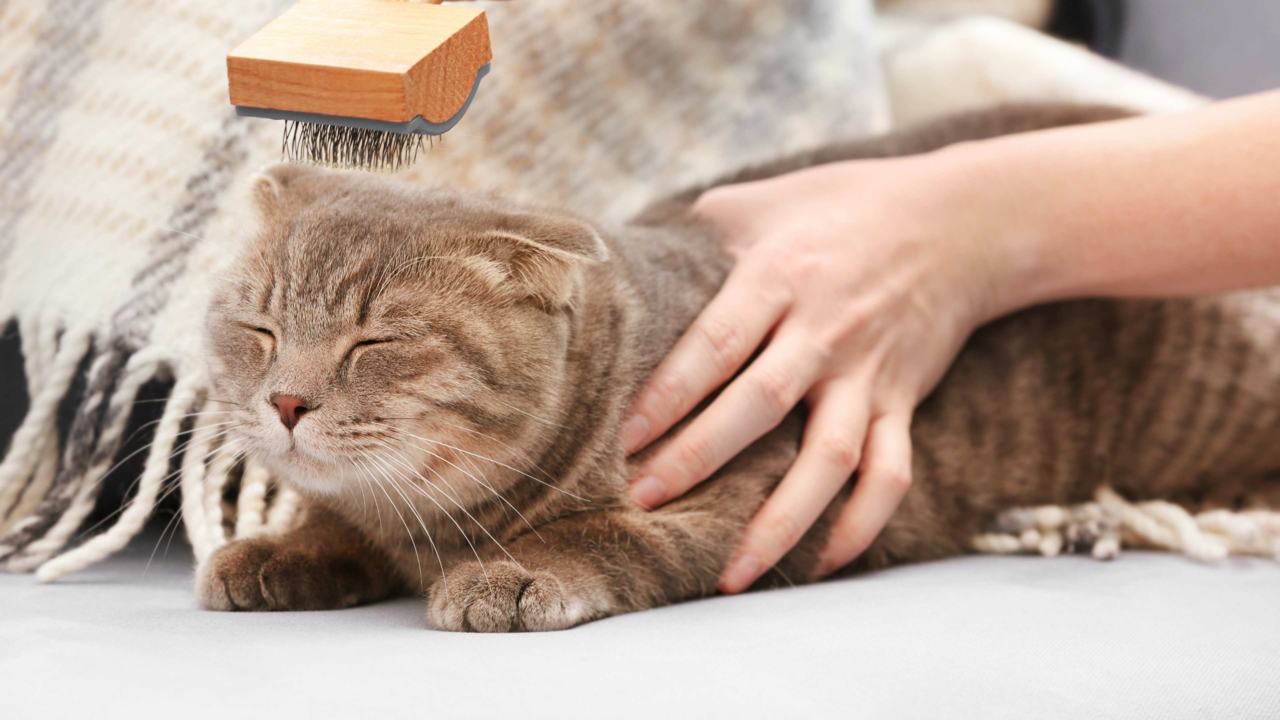
For a Persian, your brush kit is not a nice-to-have, it's the actual treatment for most coat-related itch. Daily brushing prevents mats, lifts trapped allergens out of the coat, and stops the loose fur turning into a hairball problem later.
For an itchy Persian: brush daily (slicker first, then deshedding tool to lift the undercoat). Wipe the face fold and under the eyes daily with a fragrance-free wipe. A waterless cat shampoo is handy for the days a wet bath isn't realistic.
Cat-Safe Washes for Itchy Skin
Most Persians need an actual bath every 4 to 6 weeks, more often if they're allergic. The right shampoo and conditioner makes a big difference: oatmeal-based products soothe sensitive skin, and a follow-up conditioner stops that just-washed coat tangling straight back into mats.
Foods Worth Considering for Sensitive Persians
If the itch is generalised, all-year-round, or shows up around the face and belly, food is one of the levers worth pulling. A sensitive-skin formula, a hairball-control food, or both, depending on what your Persian is showing.
Give a new food at least 6 to 8 weeks of strict feeding (no other treats or table scraps in the trial period) before you'd judge whether it's helping. Most of these are available on Autodeliver for ongoing savings.
Skin and Hairball Support From the Inside
Sometimes the food isn't quite enough on its own. A daily omega-3 supplement helps build skin and coat health from the inside, and a hairball-specific supplement helps the loose fur pass through rather than getting groomed up and swallowed.
Supplements work best given consistently every day. Most cats need 4 to 6 weeks before you'd notice a coat change.
When to Get It Checked
Most mild Persian itch settles within a couple of weeks of a better grooming routine, a sensitive-skin food and an omega supplement. If any of these apply, it's worth booking your local clinic:
- The skin is broken, raw, weeping or has a smell
- Hair is coming out in patches, or there are bald spots
- Your cat is licking or scratching one specific spot constantly
- The face folds look red, weepy or smell off
- Eating, drinking, toilet habits or behaviour have shifted alongside the scratching
- You've worked through the basics for 4 weeks and they're not improving
- The scratching is keeping them, or you, awake at night
Frequently Asked Questions
Why does my Persian cat scratch so much more than my other cats?
The long, dense coat traps allergens against the skin, mats pull at the skin all day, the flat face produces more eye and fold moisture than other breeds, and Persian skin tends to sit on the sensitive end. All four together mean Persians genuinely do itch more than the average cat. The fix is mostly a better grooming routine, gentle face wipes and a sensitive-skin food.
How often should I brush my Persian to stop them itching?
Daily, ideally. A 5 to 10 minute brush every day keeps the coat untangled, lifts trapped allergens out, and stops loose fur ending up as hairballs. A few short sessions are easier on both of you than one long one. Start with a slicker brush, then go through with a deshedding tool to lift the undercoat.
Can I bath my Persian to stop the itching?
You can, and most Persians benefit from a bath every 4 to 6 weeks. Use a cat-safe oatmeal-based shampoo and follow with a conditioner so the coat doesn't tangle straight back into mats. Don't bath more often than that without a clinic recommendation, you'll dry the skin out further. Waterless cat shampoo is a useful in-between option.
Could it be food allergies?
It could. Persians are one of the breeds where food sensitivities show up more often. Food itch is typically year-round (not seasonal) and often shows up around the face, ears and belly. A sensitive-skin or limited-ingredient cat food, given strictly for 6 to 8 weeks, is the usual way to find out.
My indoor Persian has fleas, how is that possible?
Fleas come into the house on people, other pets, or through open doors and windows. Once they're in, the dense Persian coat is a perfect hiding spot. An indoor Persian still needs flea prevention, especially in summer and autumn. A fine-toothed flea comb through the back of the neck, base of the tail and back end will tell you quickly.
Is the scratching face-area only, or all over?
This is a really useful detail. Face-only scratching is more often face fold or eye-related. Around-the-tail-end is more often fleas. Generalised scratching is more often allergies (environmental or food). Belly and armpit is often a mat or skin reaction. Telling your clinic which area is the worst saves a lot of guessing.
Does an omega-3 supplement actually help?
For dry-skin itch, yes, often. Omega-3 supports the skin barrier and the coat's natural oils. Give it consistently every day for 4 to 6 weeks before judging. It pairs well with a sensitive-skin food rather than replacing it.
Should I clip my Persian short to stop the itching?
A "lion clip" or shorter cut is sometimes used for Persians who can't tolerate brushing or have very heavy matting. It's a reasonable option if grooming has truly become unmanageable, but it's not usually the first answer. Better grooming gear and a regular routine handles most cases without changing the coat.
How long should I try home steps before going to the clinic?
If you've improved the grooming routine, started a face fold wipe, switched to a sensitive-skin food and the itch isn't easing in 2 to 4 weeks, get it checked. Sooner if the skin is breaking, smells off, or there are bald spots. Skin issues in Persians can escalate fairly quickly if there's an underlying cause.
Persian Cat Grooming and Skin Support Essentials
Find slicker brushes, deshedding tools, gentle shampoos, sensitive-skin food and omega supplements in one place. Save with Autodeliver on food and supplements, and enjoy everyday member pricing as part of Pet Perks.
SHOP CAT GROOMING