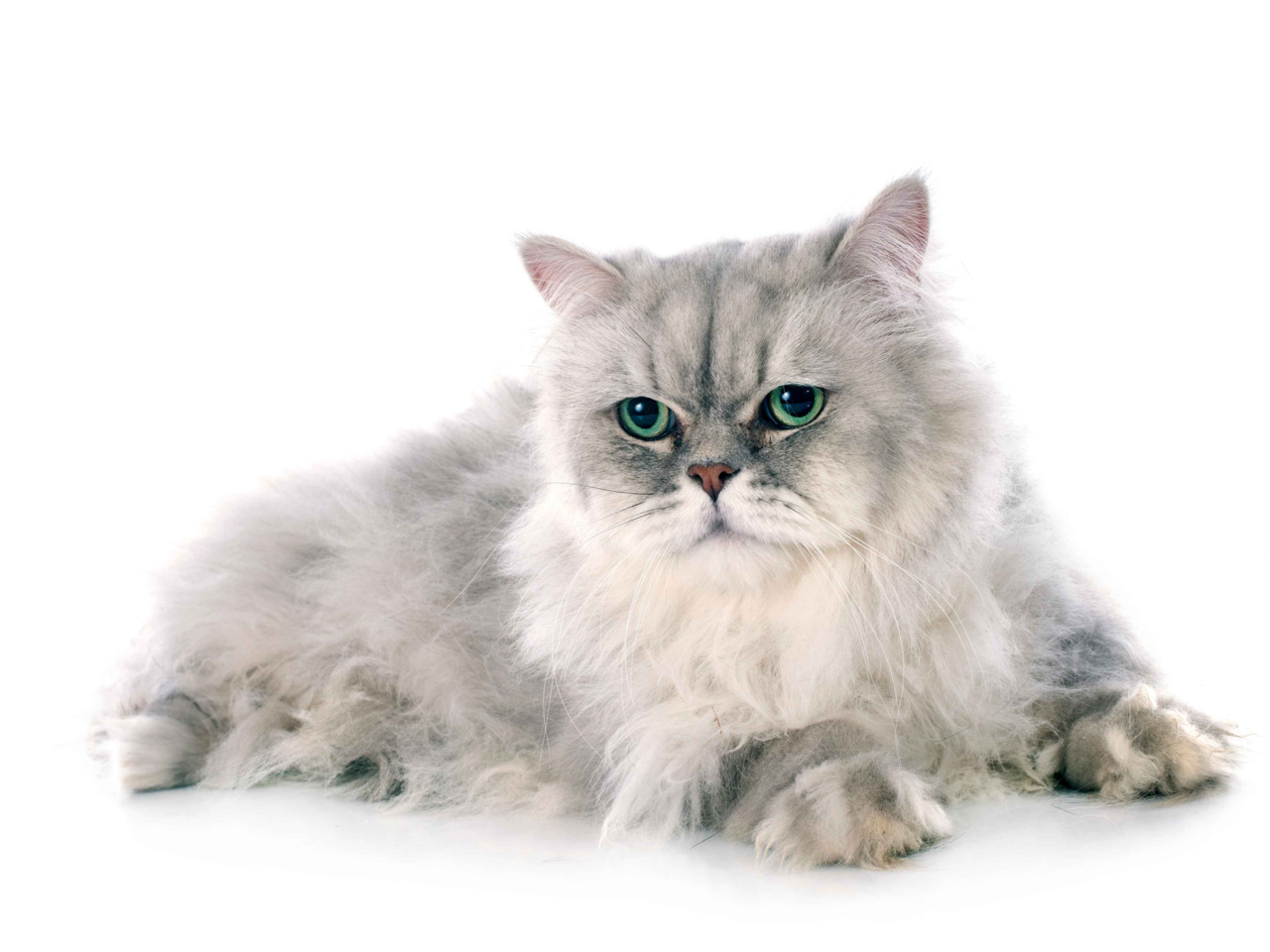
Persian cats are calm, gentle and famously laid-back. They're also long-haired, indoor-leaning, and naturally less active than many other breeds. That mix means feeding them well takes a slightly different approach to feeding the average cat. Get the portions right and you'll have a healthy, sleek-coated Persian. Get them wrong and weight gain or hairball issues can creep in fast.
This guide covers how much to feed a Persian, how to space their meals, and the products best suited to their needs at each life stage.
Quick answer
Most adult Persian cats need around 50 to 65g of dry food a day, or a mix of around 30 to 40g of dry plus one wet pouch. Split into two measured meals. Persians are prone to weight gain, so accurate portioning, breed-appropriate food, and consistent meal times are essential. Always follow the feeding guide on your specific food.
What Makes Persian Feeding Different
Calmer, less active
Persians burn fewer calories than active breeds. Feeding them like an athletic cat usually leads to weight gain, so portion control matters more for this breed than most.
Flat-faced (brachycephalic) shape
Persians can struggle with standard kibble. Breed-specific Persian formulas use almond-shaped or specially designed kibble that's easier for them to pick up and chew.
Long-haired and prone to hairballs
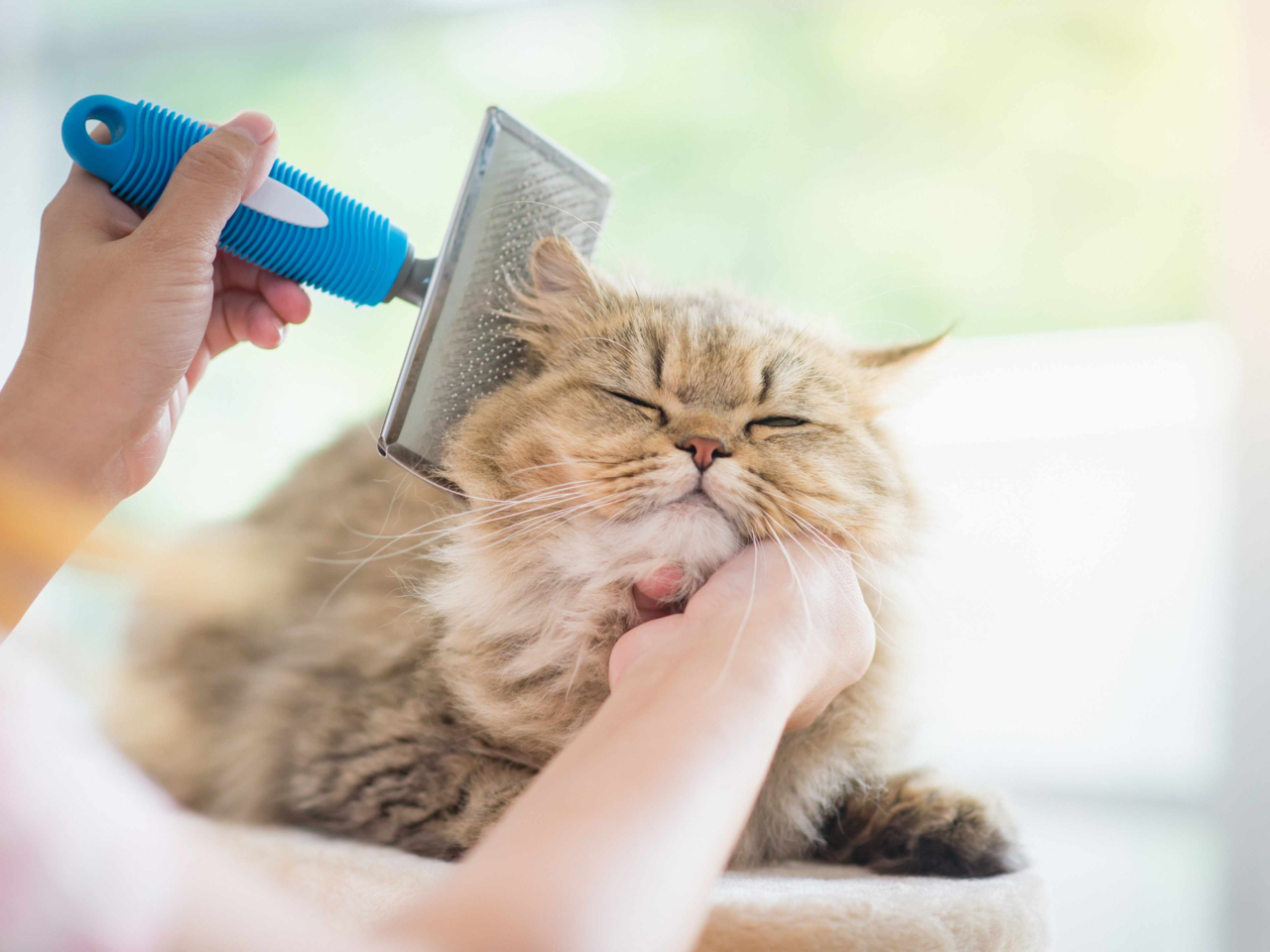
That gorgeous coat means more grooming time and more swallowed hair. Foods with added fibre or hairball control help move hair through their digestive system more comfortably.
Mostly indoor cats
Persians are typically kept indoors for safety. That means less spontaneous exercise and a higher chance of weight gain, especially with free-fed dry food.
Sensitive digestion
Some Persians have sensitive stomachs, so slow food transitions and consistent meal times help avoid upset.
Coat health needs nutritional support
Healthy skin and coat depend on omega fatty acids, quality protein and steady hydration. The right food makes a real difference to coat condition over time.
How Much to Feed a Persian Cat
Daily portions vary based on age, weight, neuter status, activity level and the food you're using. Always read the feeding guide on the bag, but here's a useful starting point.
| Life stage | Typical weight | Approx. daily food | Meals per day |
|---|---|---|---|
| Kitten (0 to 12 months) | Growing | Free-feed kitten food, or 4 small meals | 3 to 4 |
| Adult lean (1 to 7 years) | 3.5 to 5kg | 50 to 60g dry, or 30g dry + 1 wet pouch | 2 |
| Adult average (1 to 7 years) | 5 to 6kg | 55 to 70g dry, or 35g dry + 1 wet pouch | 2 |
| Adult on weight management | Above ideal weight | Reduced portions per clinic advice | 2 |
| Senior (7+ years) | Stable weight | Switch to senior food, follow bag guide | 2 |
These are guideline ranges. Always weigh your Persian regularly and adjust portions based on body condition. You should be able to feel ribs without pressing hard, and they should have a defined waist when seen from above.
Feeding Schedule for a Persian Cat
Two measured meals a day
Most adult Persians do best on two meals at consistent times, morning and evening. Avoid free-feeding, which often leads to weight gain in this breed.
Mix wet and dry
A typical pattern is one small wet meal plus a measured dry portion split across the day. Wet food helps with hydration; dry helps with portion control and dental support.
Use a slow feeder or puzzle
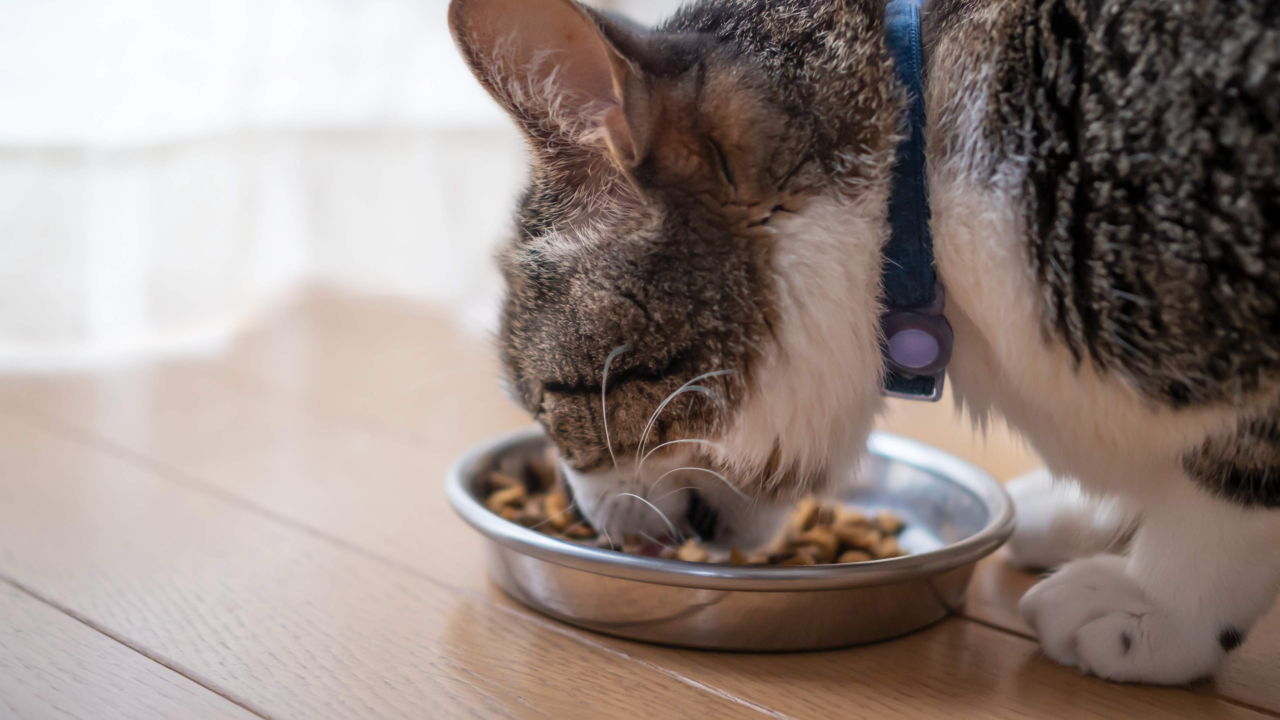
Persians can be fast eaters. A slow feeder bowl, lick mat or basic puzzle feeder turns mealtime into a longer, more satisfying experience.
Fresh water always available
Persians don't always drink enough on their own. A pet water fountain often gets them drinking more, especially if they're on mostly dry food.
Consistent meal times
Persians do better with routine. Same time each day, same place, same bowl. It supports digestion and reduces begging behaviour.
Treats under 10 percent of calories
Treats add up fast, especially for a less active breed. Keep them small and use them as occasional rewards.
Foods Suited to Persian Cats
Breed-specific kibble shape, hairball control, and skin and coat support are the three things to look for when choosing a Persian cat food.
Royal Canin Persian is the only breed-specific Persian formula stocked, with kibble designed for their face shape. The Royal Canin Hair & Skin and Hairball Care ranges are great alternatives that target the same key issues. Hill's Adult Hairball Control and Hill's Indoor are well-regarded for daily Persian feeding too.
Hairball Support Options
Hairballs are a common Persian issue thanks to their long coats and indoor lifestyle. A combination of brushing, hairball-control food and gentle supplements can help keep things moving comfortably.
Common Persian Feeding Mistakes
Free-feeding dry food all day
Leaving a full bowl out 24/7 works for some active cats, but Persians tend to overeat from boredom and put on weight quickly.
Using regular kibble
Persians can struggle to pick up flat or round kibble due to their face shape. Breed-specific or specially shaped kibble makes mealtimes easier.
Not adjusting for activity level
An indoor Persian doesn't burn anywhere near as many calories as an active outdoor cat. Match portions to their reality, not the average bag guide.
Ignoring hairball signs
If your Persian is coughing up hairballs more than once a fortnight, the food, supplements or grooming routine probably needs adjusting.
Treats taking over
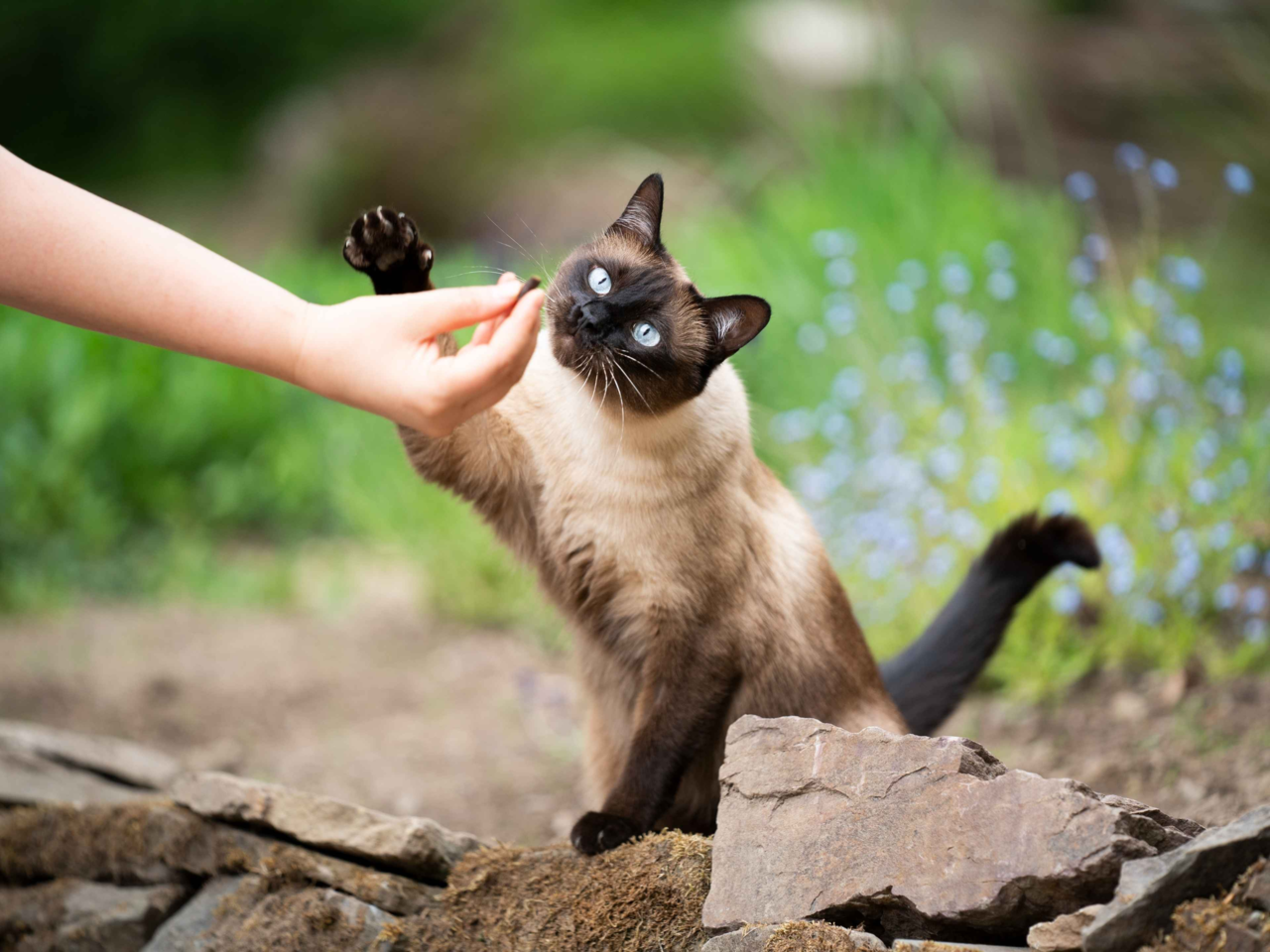
Persians are masters of the slow blink for treats. Keep daily treats small and account for them in their daily food total.
Skipping wet food entirely
Dry-only diets can mean low hydration. Even one small wet meal a day makes a noticeable difference, especially for kidneys and urinary health.
When to Talk to Your Clinic
Reach out if you notice:
- Weight changes (gain or loss) of more than 5 percent
- Coat going dull, matted or greasy
- Persistent hairballs or vomiting
- Loss of appetite or changes in eating habits
- Difficulty picking up kibble or chewing
- Drinking more or less water than usual
Your clinic can also help with portion advice tailored to your specific Persian's age, weight and lifestyle.
Frequently Asked Questions
How much food does a Persian cat need a day?
Most adult Persians need around 50 to 65g of dry food a day, or a mix of dry and wet food totalling a similar calorie count. Always check the feeding guide on the bag, weigh your cat regularly, and adjust based on their body condition.
Should I feed my Persian wet or dry food?
A mix of both works well. Wet food helps with hydration, which Persians often don't get enough of, and dry food makes portion control easier. A typical pattern is one small wet meal a day plus measured dry food.
Why does my Persian struggle with regular kibble?
Persians have a flat (brachycephalic) face shape, which can make picking up standard kibble harder. Breed-specific Persian formulas use almond-shaped or specially designed kibble for easier eating.
How often should I feed my Persian?
Adults: two measured meals a day at consistent times. Kittens: 3 to 4 small meals a day to support growth. Avoid free-feeding, especially with adult Persians who are prone to weight gain.
What's the best food for a Persian cat?
The breed-specific Royal Canin Persian range is a popular choice because the kibble is shaped for their face. Hairball-control formulas and hair-and-skin support foods are also well-suited. The right food depends on your cat's age, activity level and any sensitivities.
How can I stop my Persian from getting overweight?
Stick to measured portions (no free-feeding), feed at consistent times, mix in wet food for satisfaction without too many calories, and use a slow feeder or puzzle bowl. Daily play also helps, even short sessions of wand toys or puzzle feeders.
How do I know if my Persian is at a healthy weight?
You should be able to feel their ribs without pressing hard, and they should have a defined waist when seen from above. If you're unsure, your clinic can give you an honest assessment and a target weight.
Shop Persian Cat Food and Hairball Support
From breed-specific kibble to hairball-control wet food, find food and supplements made for your Persian. Save with Autodeliver on regular orders and enjoy everyday member pricing with Pet Perks.
SHOP CAT FOOD