Toxic Algae and Dogs in NZ: Safer River Swims This Summer
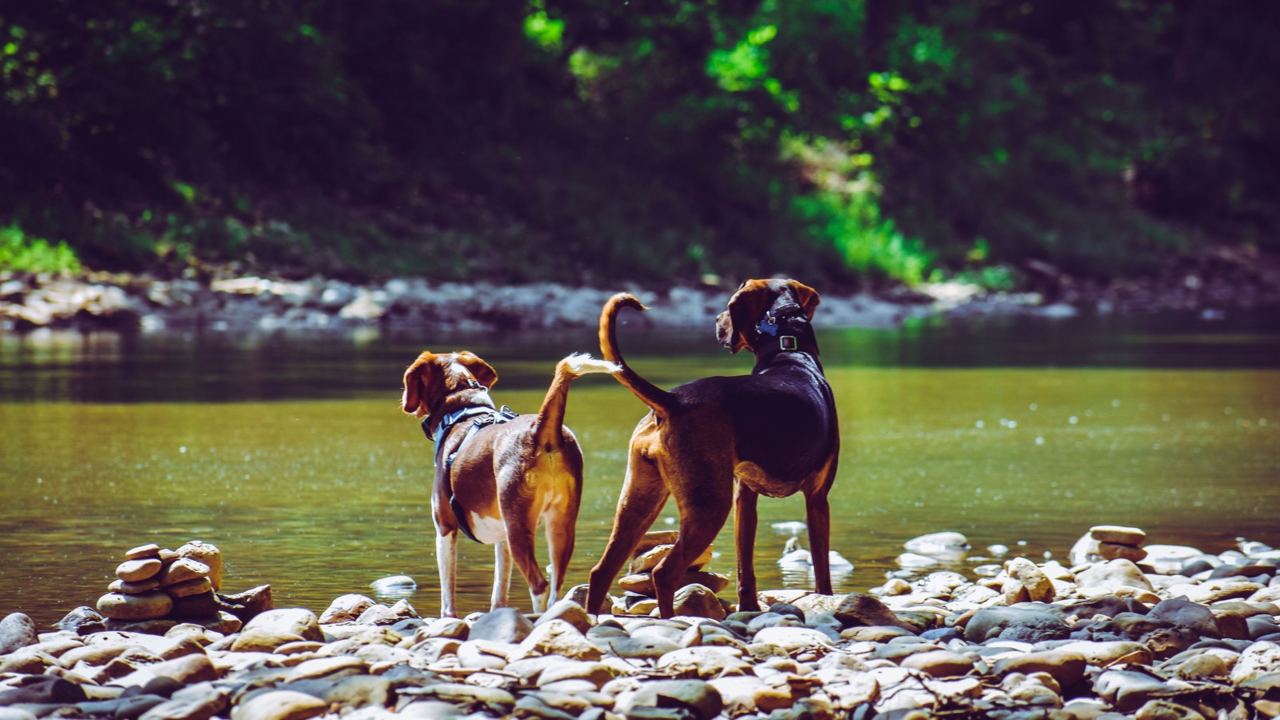
Summer river days can be a wonderful way to get outside with your dog. They also need a little planning. Toxic algae can grow in rivers, lakes and other waterways, and some blooms are harmful to dogs if they lick or swallow them.
This guide explains what to look for, how to check a swim spot before you go, and what to pack for a safer outing. It is not a reason to avoid every waterway, but it is a reason to pause and check.
Quick answer
Before your dog enters a river or lake, check current local health warnings and scan the waterline for dark, slimy or velvety mats, floating rafts or unusual discolouration. If you see signs of algae, keep your dog away. Use a lead near the water, carry fresh drinking water, and rinse your dog with clean water after a swim where you have checked the current site information and found no visible signs of algae. If your dog becomes unwell after contact with a waterway, contact a vet immediately.
Why toxic algae matters to dogs
Some cyanobacteria can produce toxins that seriously harm dogs and other animals. Dogs may be drawn to the musty smell of algae mats and investigate by licking, chewing or swallowing them. Even a small amount can cause serious illness.
Possible signs after waterway contact include unusual panting, lethargy, muscle tremors, twitching or convulsions. These signs need urgent veterinary attention. Do not wait to see whether your dog improves, and do not encourage drinking from the waterway.
What toxic algae can look like
River algae may grow as thick dark brown or black mats attached to rocks and gravel. It can look slimy or velvety, detach and collect as floating rafts, or wash up along the edge. Once it dries, it may look light brown or white, like dried leaves or animal droppings.
In lakes, ponds and lagoons, algae may be mixed through the water rather than attached to the riverbed. Water can look cloudy or discoloured, but there may be no obvious visual sign. That is why a clear-looking surface is not a substitute for checking current warnings.
Make checking the first step
- Look up the latest health warning for the specific river, lake or swimming spot.
- Check the water and shoreline when you arrive.
- If you are unsure, choose another place and keep your dog out of the water.
Keep your dog close at the water’s edge
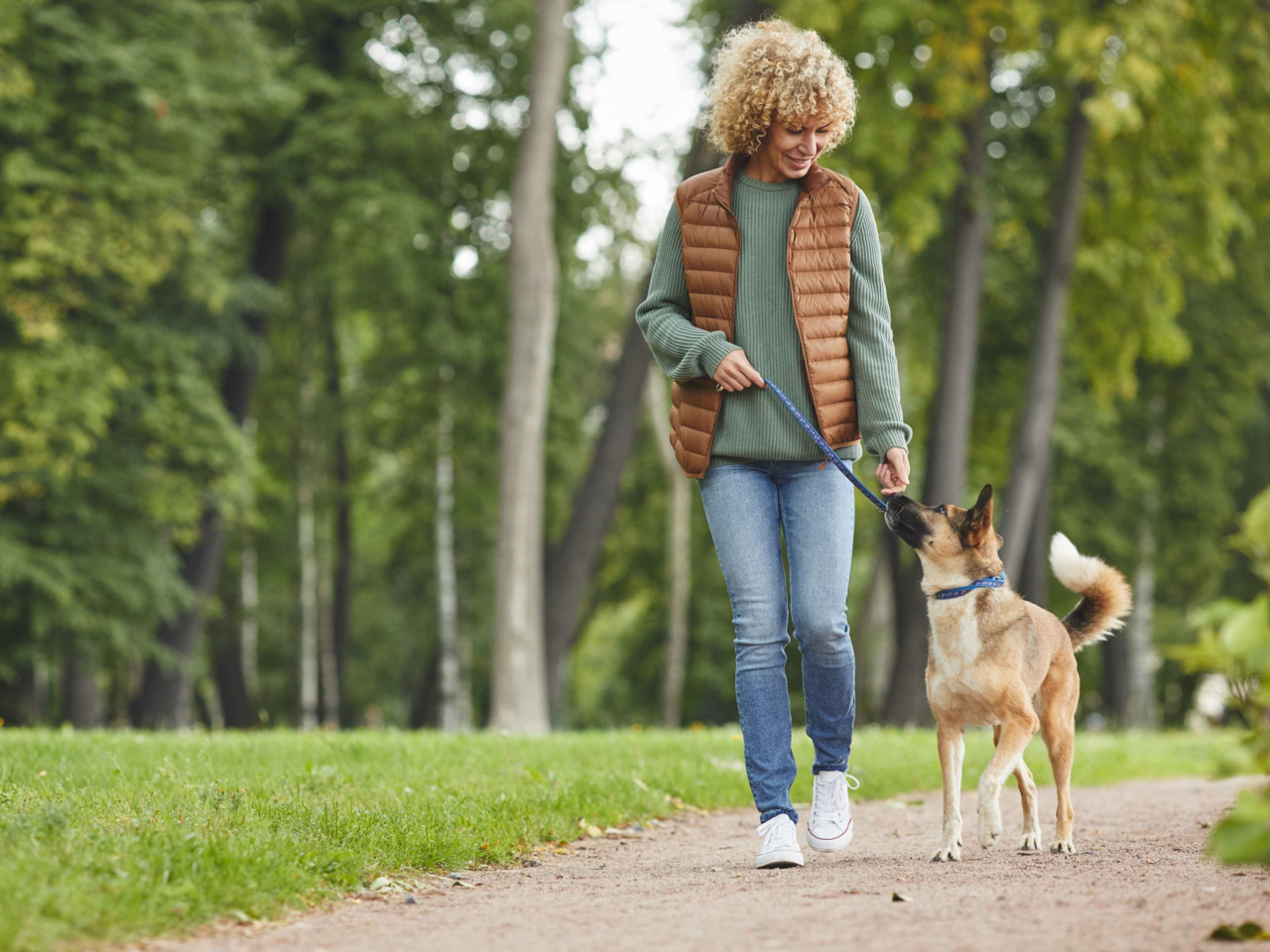
A lead gives you more control while you inspect the water and helps prevent a quick dash towards a suspicious mat. Choose a comfortable lead that gives you enough reach for your dog to sniff and explore without letting them enter before you are ready.
The EzyDog Essential Adjustable Lead and M-PETS Gentle Dog Leash offer different options for keeping your dog close at the water’s edge. A life jacket can add buoyancy for suitable water activities, but it does not replace supervision or a check for water hazards.
Pack clean drinking water
Never rely on a river or lake for your dog’s drinking water, even when the water looks clean. Bring enough fresh water for the trip and offer it regularly. A travel bottle or bowl also makes it easier to give your dog a drink away from the water’s edge.
The ThirstyDog Original Smart Dog Water Bottle is designed for drinking on the go, while the M-PETS On the Road 3-in-1 Dog Utility Travel Bottle combines travel-water functions in one product.
Rinse your dog after a swim
If your dog has been in water after you have checked the current site information and found no visible signs of algae, rinse their coat and paws with clean water when you get home. This helps remove river water, grit and natural material before your dog grooms themselves. Keep the rinse gentle and follow the product directions for any shampoo you use.
For a simple wash routine, the WashBar Manuka Dog Shampoo Bar, WashBar Horse & Dog Shampoo Bar and WashBar Neem Fresh Natural Dog Shampoo can help with a simple clean-up routine. A towel can make the trip home more comfortable, especially when the weather changes quickly.
Know what to do if your dog becomes unwell
If your dog may have licked or swallowed algae, move them away from the water and contact a vet immediately. Tell the vet where your dog was and what you noticed. If your dog is showing symptoms such as panting, weakness, tremors, twitching or convulsions after waterway contact, treat it as urgent.
Do not force food or water, and do not wait for symptoms to become more obvious. Keep other pets away from the area until you have checked the latest local warning information.
FAQs about toxic algae and dogs
Can dogs swim in rivers during summer?
Only consider a swim after checking current information for the exact site and finding no visible signs of algae. If you cannot confirm the site is suitable, keep your dog out of the water because conditions can change.
What does toxic algae look like in a river?
It may appear as dark brown or black slimy or velvety mats attached to rocks and gravel. Mats can break away, float or collect on the shore, then dry lighter brown or white.
Can toxic algae be present when the water looks clear?
Yes. Some algae in lakes and ponds may not have obvious visual signs, so checking current health warnings is important even when the surface looks normal.
Why should I check warnings before a river walk?
Warnings and water conditions can change, and not every recreational site is monitored. Checking before you leave helps you decide whether to keep your dog away from that waterway.
Should I rinse my dog after swimming?
After a swim where you checked the current site information and found no visible signs of algae, rinse your dog with clean water to remove river water, grit and natural material from the coat and paws. Keep your dog away from any waterway with signs of algae.
What should I do if my dog shows symptoms after swimming?
Move your dog away from the water and contact a vet immediately, especially if you notice unusual panting, lethargy, muscle tremors, twitching or convulsions.
Can a life jacket make a river safe for my dog?
No. A life jacket may support buoyancy during appropriate, supervised activities, but it cannot protect your dog from toxic algae, fast water, submerged hazards or unsafe conditions.
Plan safer summer outings
Pack fresh water, a lead and a clean-up kit, then check local conditions before setting off.
Explore summer essentials