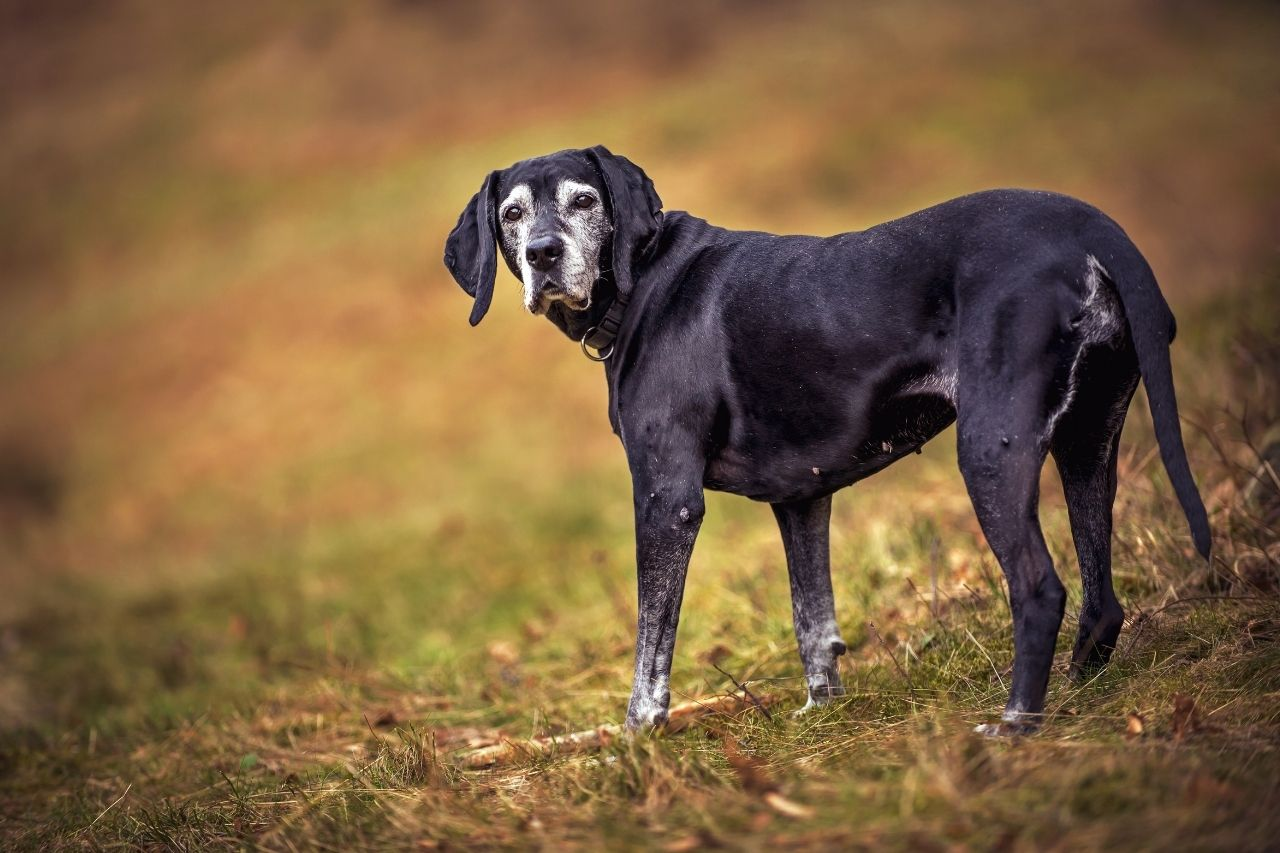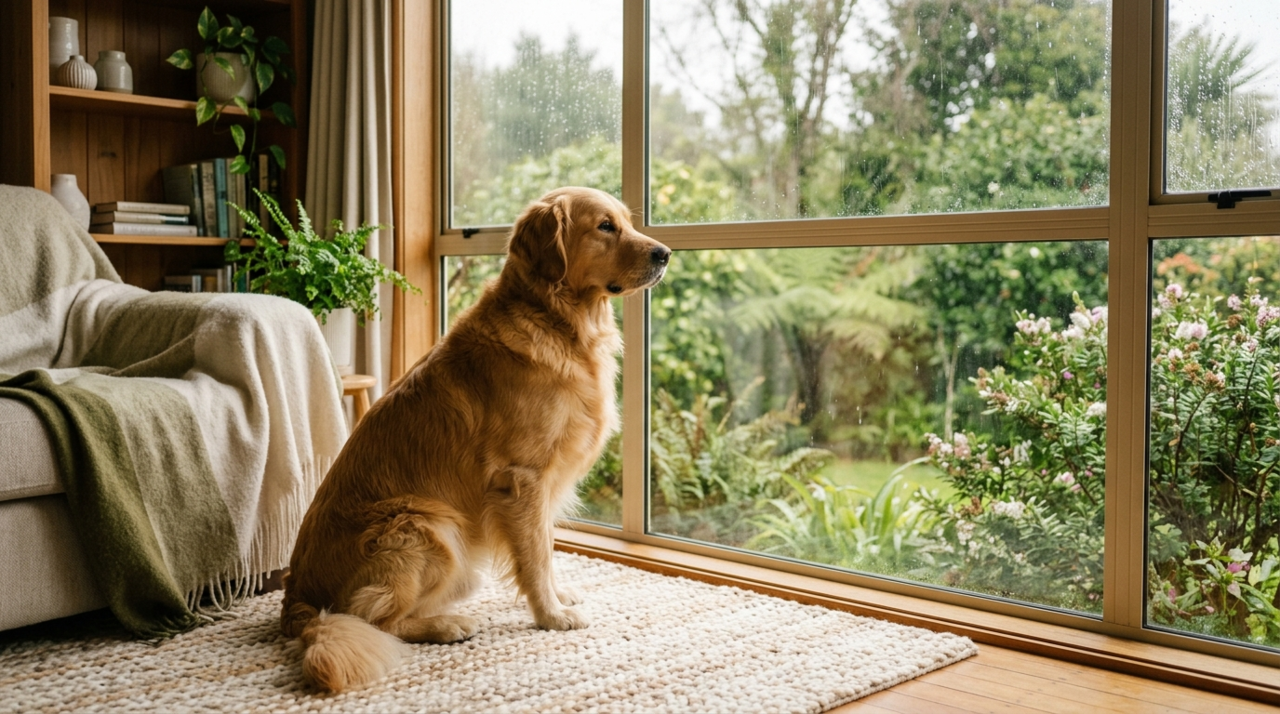
Your older dog hasn't stopped having favourite things. The puppy chaos is gone, the teenage zoomies have eased off, and what's left is a dog who knows exactly what they like and lights up when you offer it. The whirlwind walks have become long happy mooches. The toy collection has shrunk to the three or four favourites that have stood the test of time. Dinner is a real event.
Here's a celebration of the activities and small adventures senior dogs still genuinely love, and how to set their days up around them.
Quick answer
Senior dogs love the same things they always have, just at a different pace. Sniff-led walks instead of long marches. Brain games and snuffle mats instead of high-energy fetch. Slow tug, gentle fetch and short bursts of play. A daily food puzzle that turns dinner into a 10-minute event. A car ride. A pet from someone they love. The quieter version of their younger life is often the version they love most.
What Older Dogs Actually Love
Sniffing
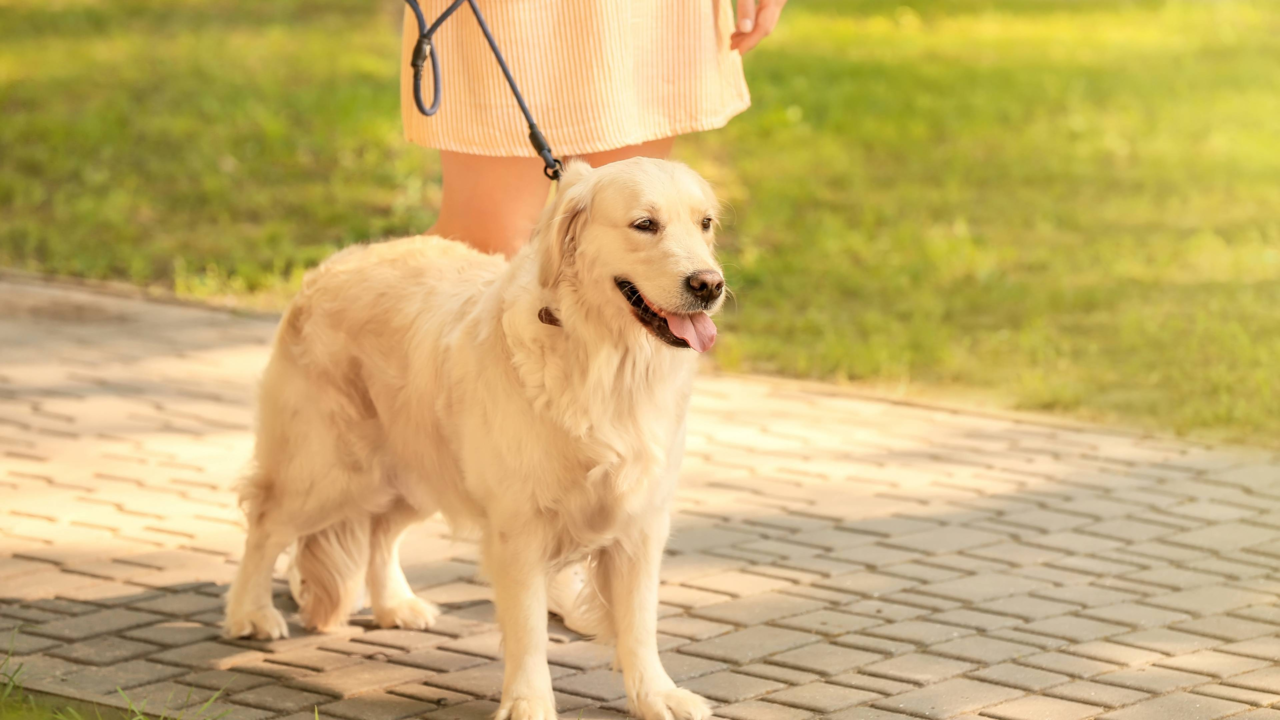
If there's one thing senior dogs love more than ever, it's sniffing. The walk that's half the speed but four times the stops is the walk they'll choose every time. Sniffing is enriching for the brain, satisfying for the senses, and tires them out beautifully without putting load on stiff joints.
Routine
Older dogs love knowing what comes next. The morning walk at the same time. Dinner at six. The cuddle on the sofa after the news. Routines aren't boring for a senior dog, they're comforting, and worth building deliberately.
Their people
Most older dogs become more attached to their humans, not less. They sit closer, follow you between rooms, want to be near rather than off doing their own thing. Time with you is genuinely one of their favourite activities.
Food, made interesting
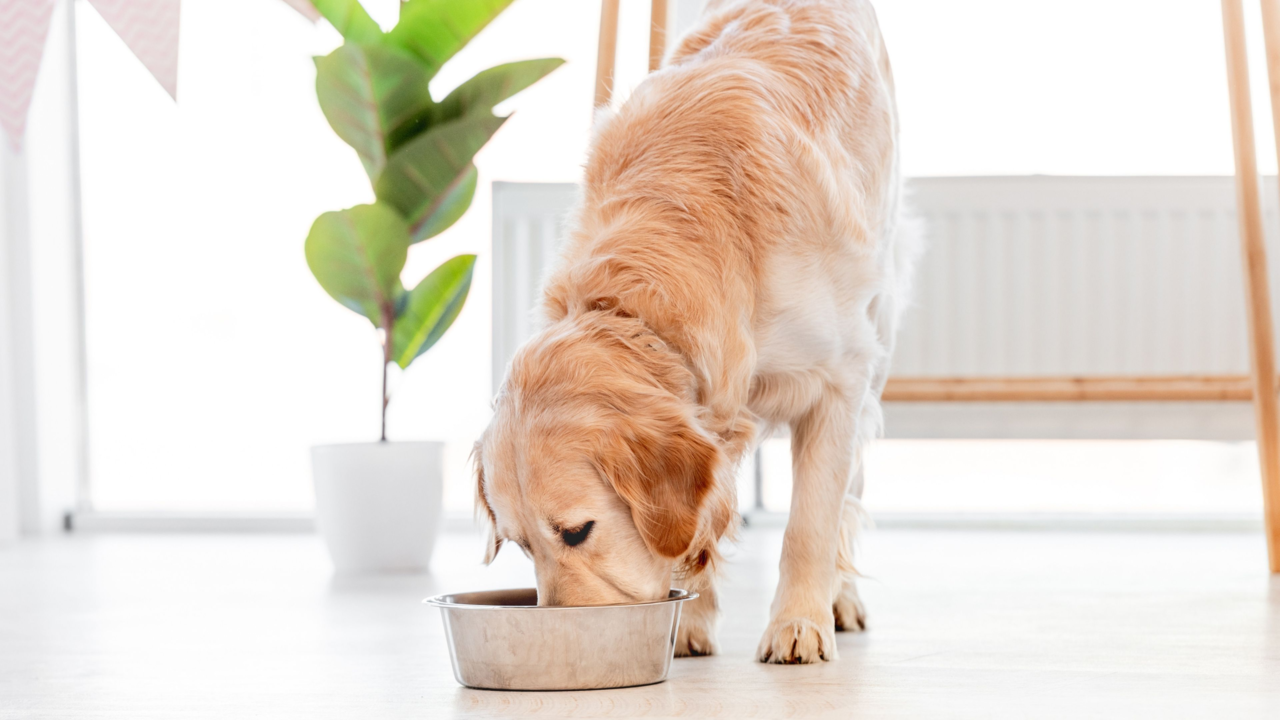
A senior dog's enthusiasm for food rarely fades. What changes is they appreciate slower, more interesting meals. A slow feeder, a stuffed lick mat, a puzzle feeder turns dinner from a 30-second event into a satisfying ritual.
Short, low-impact play
The long fetch sessions might be off the menu, but 10 minutes of gentle tug, a soft squeaky toy, or a slow rolling ball still genuinely makes them happy. Match the play to their pace, keep it short, end on a win.
New places, in small doses
A short trip to a different park, a slow walk along a beach at low tide, a sniff around a new neighbourhood. Older dogs aren't done with adventure, they just want it in smaller, gentler doses.
The Sniff Walk: The Senior Dog's Favourite
What a good sniff walk looks like
Forget pace, forget distance. A sniff walk is about giving them time to read the world. Let them lead, stop when they stop, and don't pull them off interesting spots. 20-30 minutes of sniffing is often more tiring than an hour of brisk walking, and far kinder on senior joints.
Where to go for great sniff walks
- Quiet residential streets. Front-garden hedges, letterboxes, and the corners where other dogs have been are gold-tier reading.
- The local park at off-peak times. Mid-morning on a weekday is calm, low-stress and full of yesterday's smells.
- A beach at low tide. Soft sand is gentle on joints, and there's an unending parade of new smells.
- A bush track with the gentle gradient. Choose flat or mildly rolling. Avoid steep climbs.
- Somewhere new, but not too far. A short drive to a different suburb gives them a whole new map to explore.
Gear that helps
A well-fitted Y-shaped harness lets them stop and turn freely without collar pressure. A longer (3-5m) lead gives them sniffing room without you needing to follow every zig and zag. WashBar Paw Balm helps with dry winter pads when you're back from the walk.
Brain Games: The Tiring Kind of Fun
Snuffle mats and search games
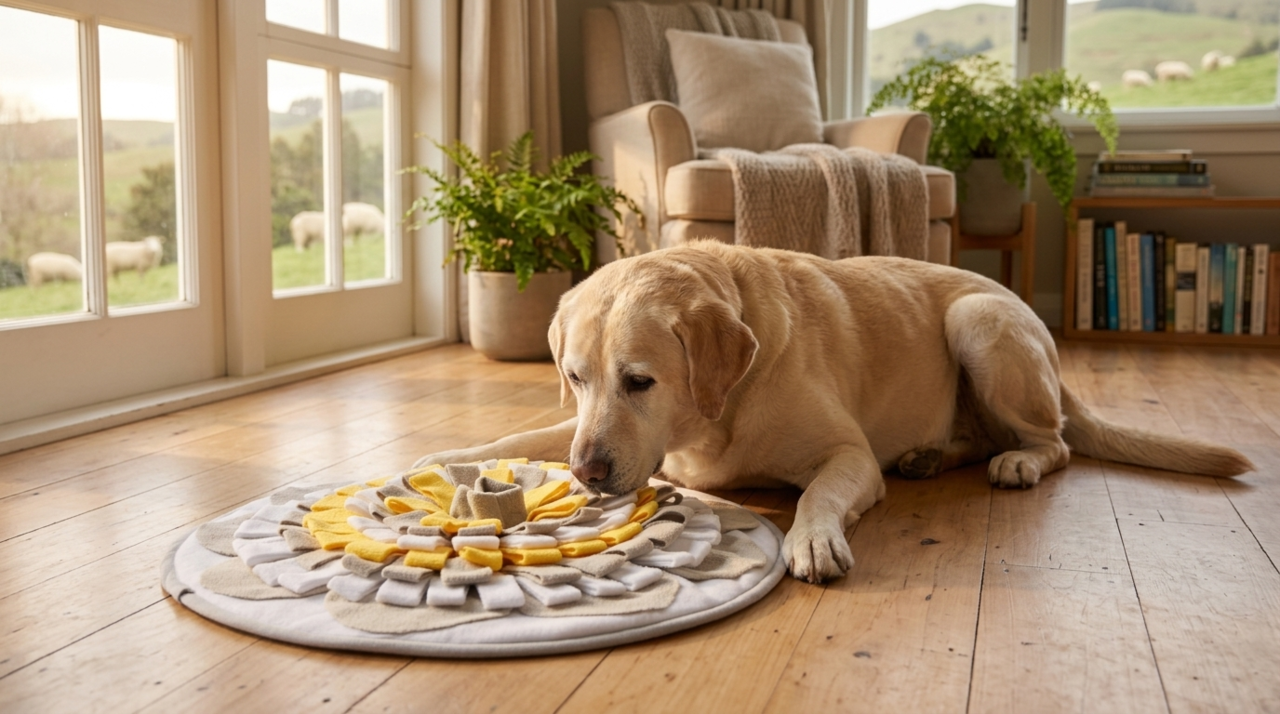
A snuffle mat scattered with kibble or small treats is a senior dog's idea of a brilliant 10 minutes. The PawzNDog Snuffle Mat is sturdy, NZ-made and machine washable. "Find it" games where you hide treats around a room work the same magic without any gear at all.
Lick mats and slow feeders
Spreading wet food, pâté or a homemade topper across a lick mat turns mealtime into a calming, focusing activity. Brilliant for older dogs who eat too quickly, or as an afternoon wind-down ritual after a walk. The LickiMat range covers every shape and size of senior preference.
Classic stuffable toys
A KONG Classic stuffed with their dinner mix and frozen takes a senior dog 20-30 lovely minutes. Particularly good for rainy days when the walk was cut short, or as a settled activity while you work from home.
Gentle Fetch and Play
The short, low-impact version
If your dog loved fetch as a younger dog, they probably still love it. The fix is to keep it short, soft and low-impact. A few rolls of a ball across a grassy lawn, two or three throws and then a rest. End before they're tired, not after.
Glow-in-the-dark fetch for winter twilight
The light drops fast in winter, but it doesn't have to end the fetch ritual. Glow balls and frisbees charge in daylight and stay visible at dusk, which is when many senior dogs do their gentlest, most-satisfying play.
Food as a Daily Highlight
Make dinner an event
Senior dogs notice food more than younger ones, not less. A few small tweaks make every meal feel like a real moment. Warm wet food slightly to body temperature for 30 seconds in a warm-water bath, add a spoonful of pâté or gravy, or use a topper or food oil to boost the smell.
Senior-friendly mealtime tweaks
- Warm slightly. Body-temperature wet food smells stronger and is more inviting.
- Raise the bowl for tall or stiff dogs.
- Add a topper or oil like Omega Plus King Salmon Oil or Fourflax Senior. Skin, coat, joint benefits and a more enticing meal.
- Slow it down. Slow feeder or lick mat for an event rather than a 30-second meal.
- Non-slip mat under the bowl. Old hips on a slippery floor isn't a great combo.
Small Adventures They'll Still Light Up For
A short car ride
Most senior dogs still love going for a drive. A 10-minute trip to a different park, the beach, or a cafe with a water bowl out front becomes a real outing. Pack a folded blanket for the boot, water, and a stuffed lick mat for the journey home.
A new beach
Soft sand is kind on joints, smells are endless, and the gentle pace of a low-tide walk suits an older dog perfectly. Keep them on lead, take it slow, and rinse paws afterwards.
Meeting a calm friend
A short visit with a familiar human or a calm canine friend is gold. Most senior dogs are sociable in small doses. The key is calm energy, not boisterous puppy chaos.
A new sniff route
Walk the same loop in the opposite direction, or try a different suburb. Senior dogs notice and enjoy the variation, and you get a fresh appreciation of the daily walk too.
Cafe trips
Many NZ cafes welcome dogs at outside tables. A senior dog enjoying a quiet morning under your chair, watching the world go by, is a real activity. A puppuccino is optional, but very popular.
A sunny patch in the garden
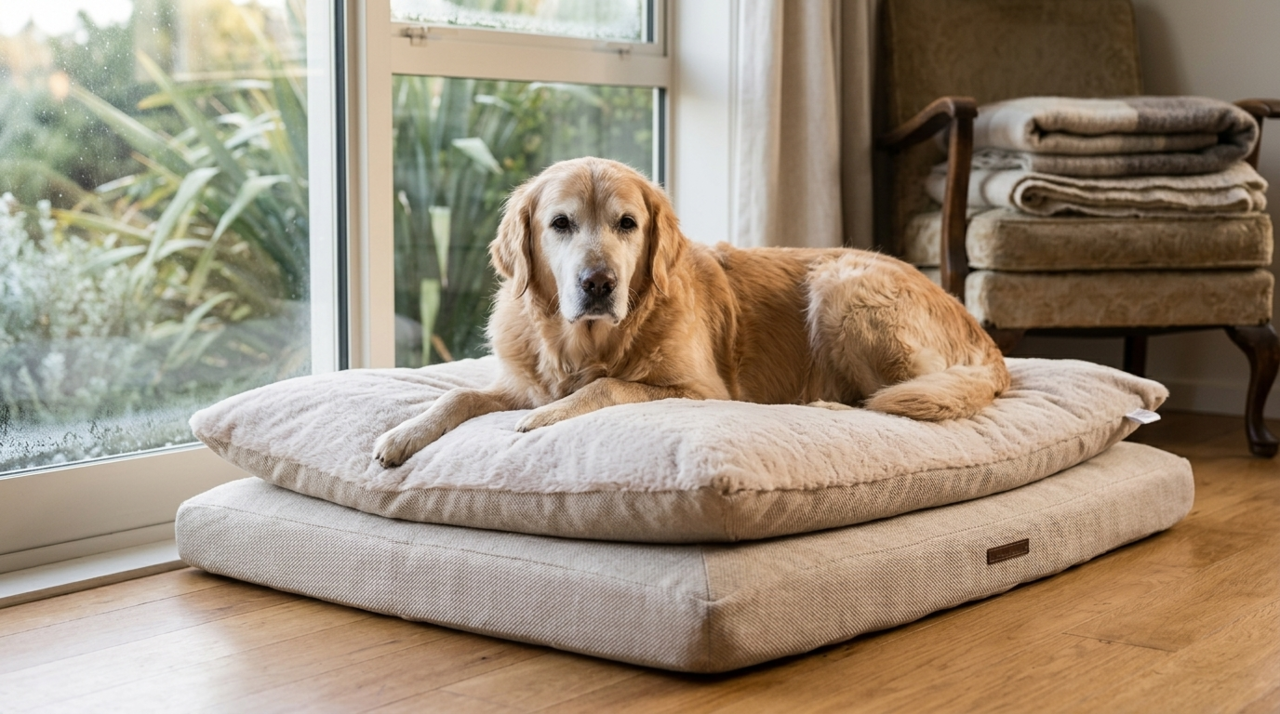
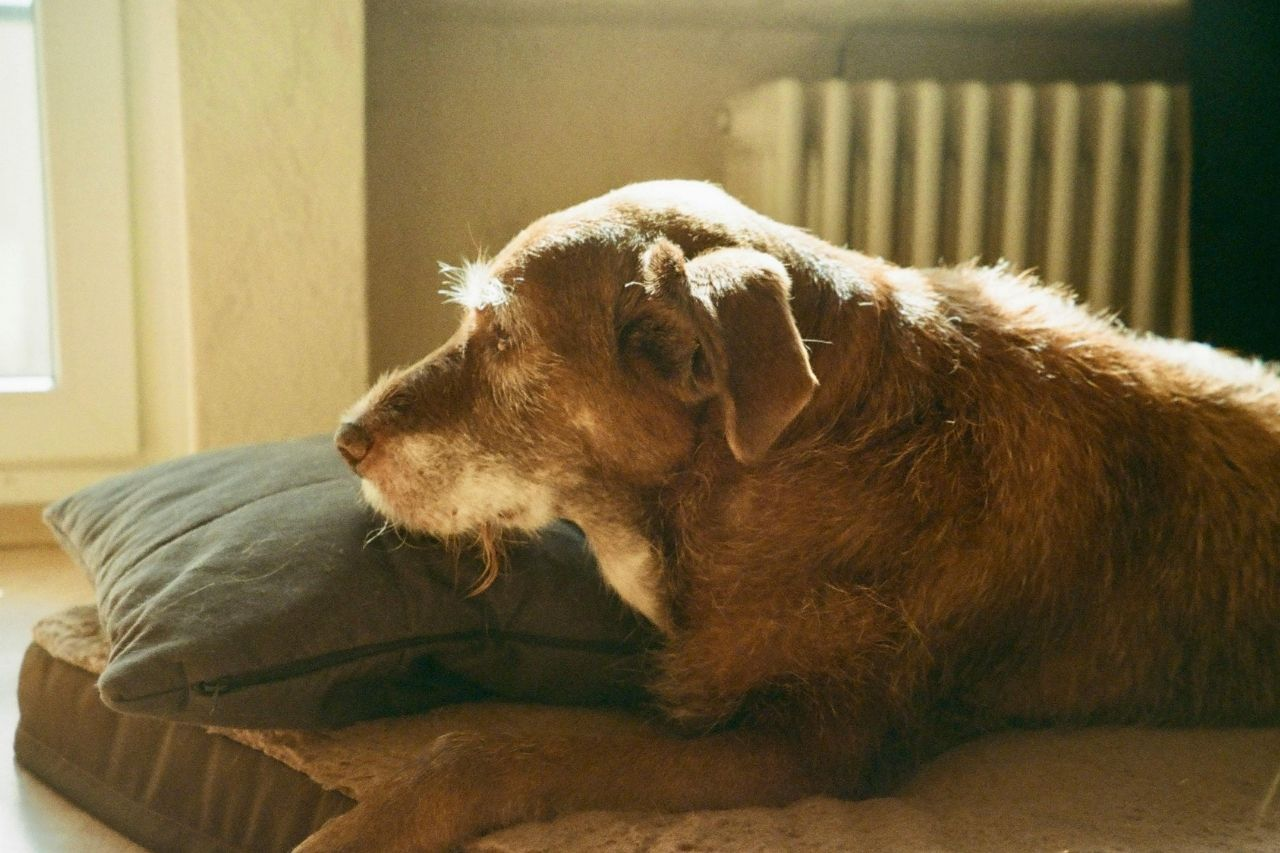
Don't underestimate the joy of letting them lie in a sunbeam for 20 quiet minutes. A folded blanket in the warm spot, water nearby, and you on the deck doing your own thing. That counts as a full activity.
Trick Training and Gentle New Learning
Yes, old dogs can absolutely learn new tricks
Trick training is brilliant for a senior dog: low impact, builds confidence, deepens the bond with you. Choose gentle ones (touch a target, spin slowly, paw, hold a soft toy, place on a mat). Five-minute sessions, two or three times a day, and you'll see them light up the moment you reach for the treats.
Gentle tricks that suit senior dogs
- Touch. They press their nose to your hand for a treat. Easy starter, builds engagement.
- Find it. Hide a treat in a corner, send them to find it. Sniffing plus brain work.
- Spin. Slow circle with a treat-lure. Gentle stretch, low impact.
- Settle on the mat. A target-bed cue is genuinely useful and easy on the joints.
- Hold. They gently hold a soft toy in their mouth, then drop it. Build duration over time.
Frequently Asked Questions
How much exercise does a senior dog actually want?
Most senior dogs want about 30-60 minutes a day, but the quality matters more than the duration. Two 20-minute sniff walks beat one 60-minute fast walk for a senior dog every time. Watch their pace, not the clock.
My senior dog doesn't seem interested in their old toys, why?
Often it's not the toy, it's the energy. Try the same toy at a calmer pace, in a quieter setting, or with you down on the floor with them. Many senior dogs reconnect with old favourites when the energy of play is dialled down to suit them.
Is brain work really tiring for an older dog?
Yes, often more tiring than a walk. 10 minutes on a snuffle mat or a Nina Ottosson puzzle can leave a senior dog happily snoozing for the next hour. It's a brilliant low-impact way to fill the day on rainy weeks.
Can older dogs still do training?
Absolutely. The old saying about old dogs and new tricks isn't true. Senior dogs are often more focused than puppies, food-motivated, and genuinely enjoy the engagement. Keep sessions short and positive.
How do I know my dog is enjoying an activity?
Loose body, soft eyes, tail in a relaxed position, choosing to keep going. The clearest signal is them coming back for more when you pause. If they sit, lie down, or wander off, that's the polite "I'm done" cue. End the activity there.
Should senior dogs still play fetch?
If they enjoy it and they're not in obvious discomfort, yes. Keep it short, low and gentle. Roll the ball rather than throw it, three to four reps and then a rest. End before they're tired, not when they're already done.
What's the best single thing I can do for my senior dog's day?
Add 10 minutes of sniff time to their walk. Slow your pace, let them lead, and don't pull them off interesting spots. It costs nothing, it suits them perfectly, and they'll be a different dog for the rest of the day.
Gear for the Quieter Years at Petdirect
Browse snuffle mats, slow feeders, gentle fetch toys, well-fitted harnesses, food toppers and the rest of the senior-dog favourites. Save with Autodeliver on everyday items, and enjoy everyday member pricing as part of Pet Perks.
SHOP DOG ESSENTIALS