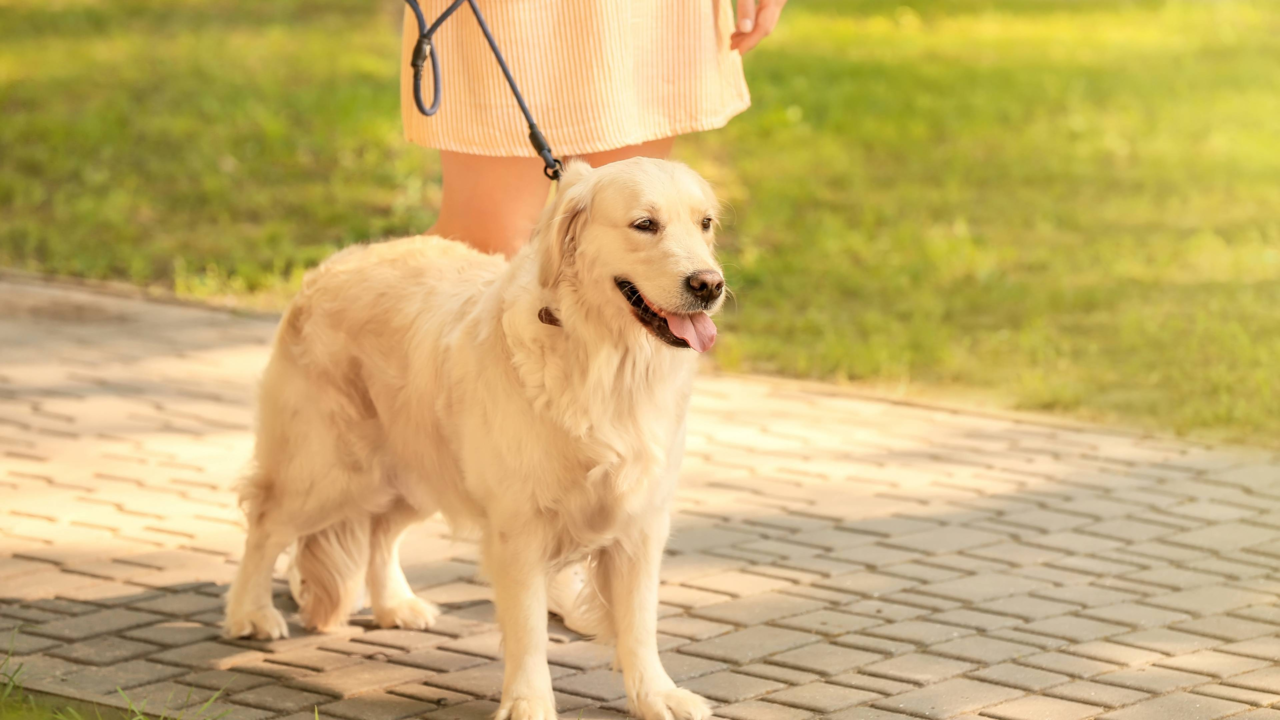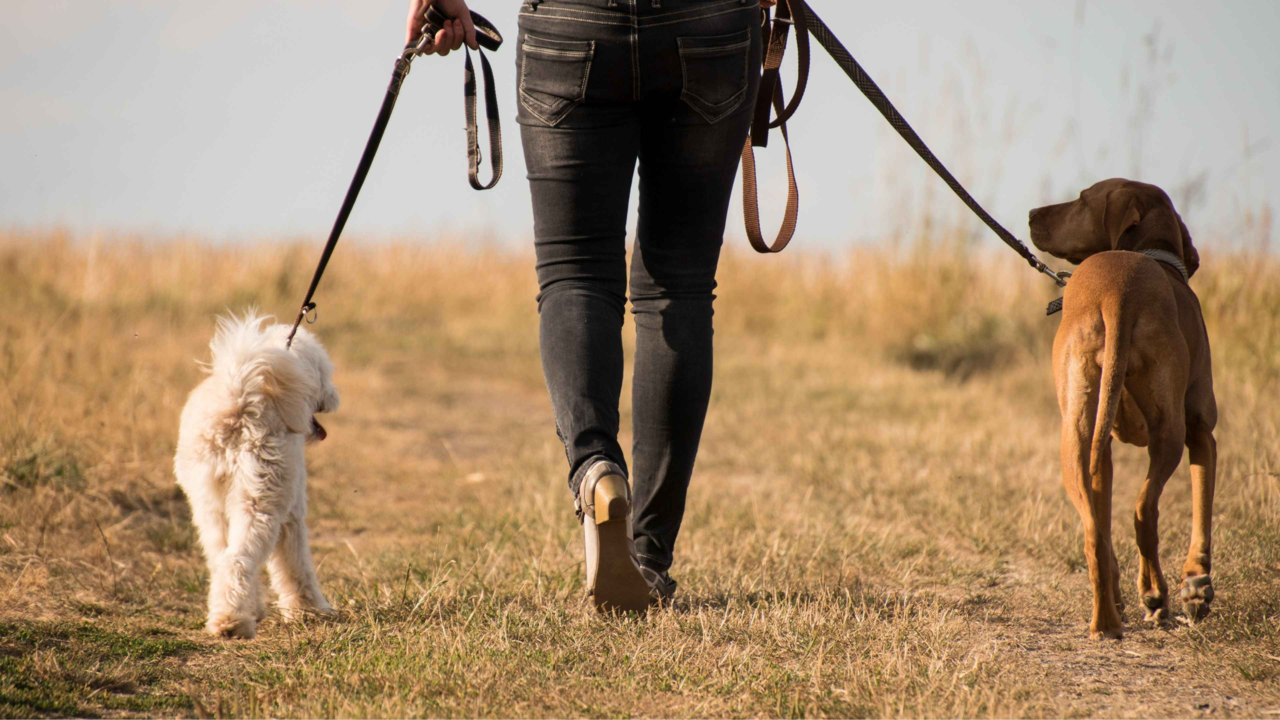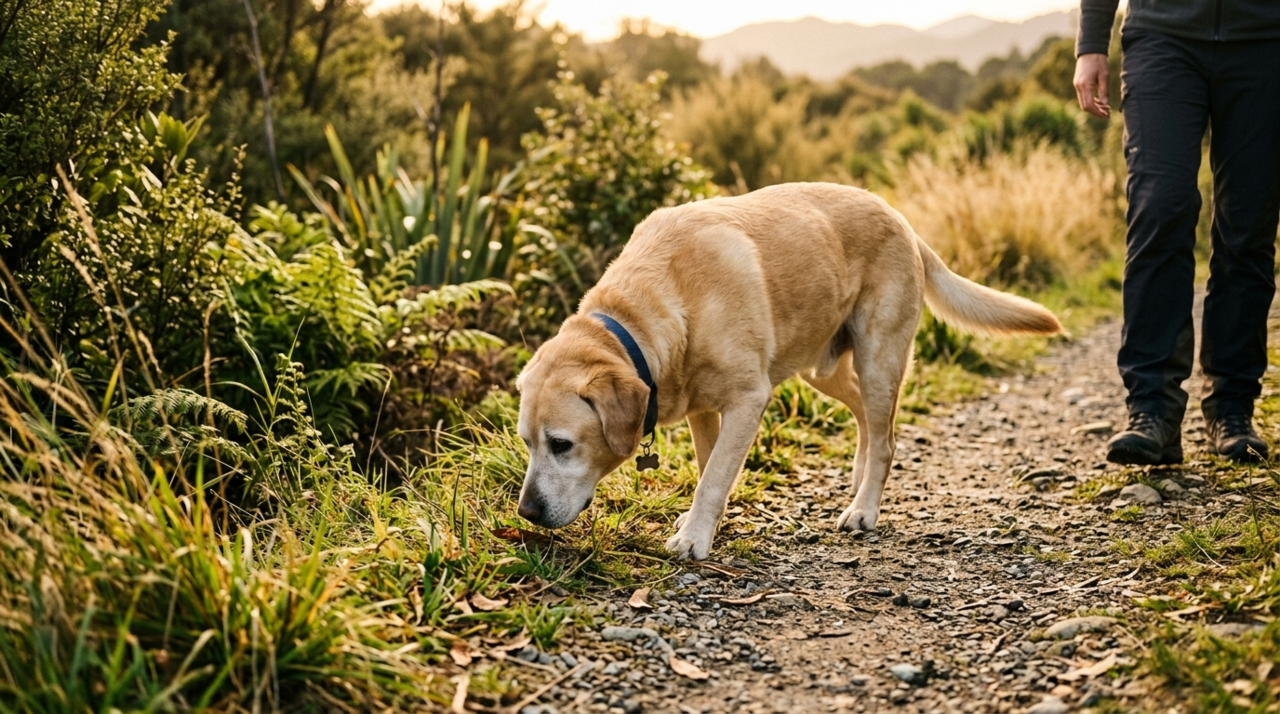
Senior dogs don't want a four-kilometre power walk anymore. What they want, and what they'll thank you for over and over, is the long, slow, sniff-led wander where they get to read the morning paper of the neighbourhood. The lamp post, the fence corner, the spot where the cat sat yesterday. That walk is the gold standard for an older dog, and it costs nothing to deliver.
Here's a guide to slow-walking sniff adventures with your senior dog in NZ, including where to take them, the gear that helps, and how to turn a 30-minute walk into something genuinely satisfying for them and for you.
Quick answer
For a senior dog, a sniff walk is less about distance and more about time spent reading the world. Pick gentle terrain, slow your pace right down, let them lead, and don't pull them off interesting spots. Twenty to thirty minutes of sniffing is more tiring than an hour of brisk walking, kinder on stiff joints, and one of the simplest enrichment wins you can give your older dog.
Why Sniff Walks Are Perfect for Senior Dogs
The nose works as well as ever
While joints stiffen, hips slow down and eyes might get a bit cloudy, a dog's sense of smell stays remarkably sharp into the senior years. Sniffing keeps the bit of them that's still in their prime engaged and busy.
Mentally tiring, physically gentle
Twenty minutes of focused sniffing tires a dog the way an hour of running used to. The brain works hard processing all those smells, but the body barely moves. Perfect for stiff hips and tired old legs.
Lower the heart rate, not raise it
Senior dogs do better with steady, calm exercise than with high-intensity bursts. A slow sniff walk keeps them moving without pushing their heart or breathing into a stress zone.
Stress-reducing
Sniffing is genuinely calming for dogs. It's a self-regulating activity that lowers cortisol and helps anxious or unsettled dogs feel more themselves. Older dogs sometimes carry a bit more anxiety, and a daily sniff walk helps settle that.
Adaptable to any day
Stiff joints today? A 10-minute loop is plenty. Feeling fresh? A longer wander with two or three rest spots works too. The sniff walk shape is flexible in a way a structured 5km route just isn't.
You get to enjoy it too
The biggest underrated benefit. A sniff walk is a slow, present, mindful sort of walk. You notice things. You breathe. You're not on a mission. Many owners find their morning walk with a senior dog becomes one of their favourite parts of the day.
The Anatomy of a Good Sniff Walk
Slow your pace before you set off
The biggest mistake is starting at a normal walking pace and expecting your dog to keep up. Senior dogs need a slower start. Step out of the house calmly, give them a moment to take in the air, and then move at their pace, not yours.
Let them lead at sniff spots
When your dog stops to sniff, stop with them. Don't pull on the lead, don't tap their bum, don't tell them to "come on". Sniffing is the point of the walk, not an interruption to it. Wait until they're ready to move, then continue.
Aim for steady direction, not speed
You're still making forward progress, just slowly. A meandering loop through a quiet suburb beats a brisk out-and-back on the same path. Variety is part of the enrichment.
Include a few sits
A short rest on a park bench or low wall every 10-15 minutes is generous to a senior dog. They can watch the world go by, sniff the air, and you can both have a quiet moment.
End on a positive note
Try to head home while your dog still has energy, not when they're exhausted. A senior dog who's ready for more next time is a senior dog who's getting it right.
The Best NZ Sniff Walk Spots for Senior Dogs
Your local residential streets
Genuinely the best sniff walk available. Letterboxes, hedges, front gardens, fence corners. Decades of dog history written into the pavement. The fact that it's familiar to your dog is part of the appeal: they're not navigating, they're enjoying.
The local park at off-peak
Mid-morning on a weekday is gold. Quiet, calm, full of yesterday's smells from the busier weekend. Choose grassy paths over hot pavement in summer.
A beach at low tide
Soft sand is kind on joints, and the smells along a tide line are endless. Keep them on lead in case of seabirds, take it slow, and rinse the paws when you get home.
A flat bush walk
NZ has some great gentle bush tracks. Choose flat or mildly rolling rather than steep climbs. Damp leaves, native bird smells, dappled shade. Beautiful for both of you.
A quiet greenway or cycle path
Greenways and shared paths in cities like Auckland, Wellington and Christchurch are usually flat, well-surfaced and full of varied smells. Watch for fast cyclists and keep your dog tucked in close.
Your own back garden
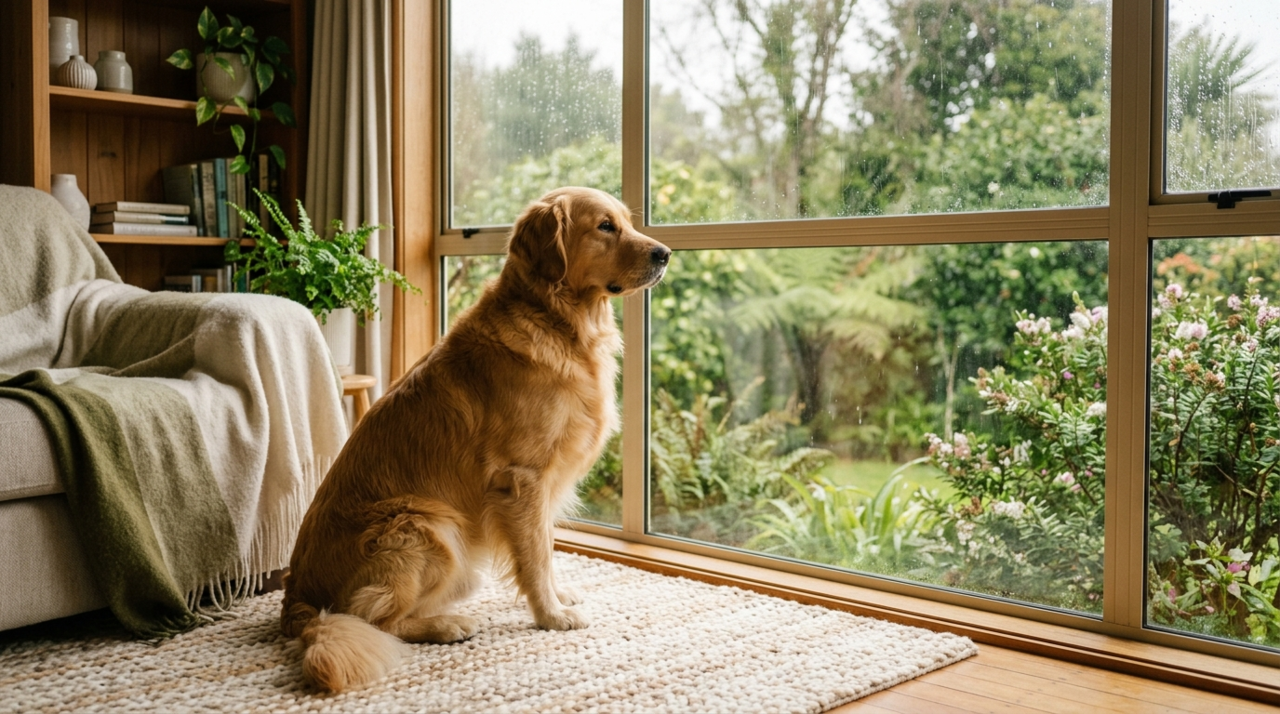
Don't underestimate this. On a wet morning or a stiff-joints day, 20 minutes of nose-led pottering around the back garden with you nearby is a real sniff walk. New planting? A different corner? It all counts.
Where to avoid for senior dog sniff walks
- Busy off-lead dog parks can be too stimulating, especially with younger, bouncier dogs around.
- Steep tracks with rocky descents are hard on hips, knees and toenails.
- Hot pavement in summer (do the seven-second hand test before walking).
- Wet, slippery surfaces like waxed lobbies or wet tile if you're walking through any covered areas.
- Long stretches without rest spots if your dog is older or arthritic. Plan for sit-down moments.
Gear That Helps
A well-fitted Y-shaped harness
A harness lets your senior dog stop, turn, and tuck without collar pressure on the windpipe. Y-shaped harnesses don't restrict shoulder movement, which matters more as joints stiffen. The EzyDog Chest Plate and EzyDog Convert are well-padded options. The EzyDog Formfit Mesh suits smaller-framed seniors.
A longer lead for proper sniff-room
A 1.2m lead is fine on the street. For a real sniff walk, a 2-3m training lead gives your dog room to zig and zag through smells without you needing to follow every step. The Halti Training Lead has adjustable lengths so you can shorten near traffic.
Paw care for tired old pads
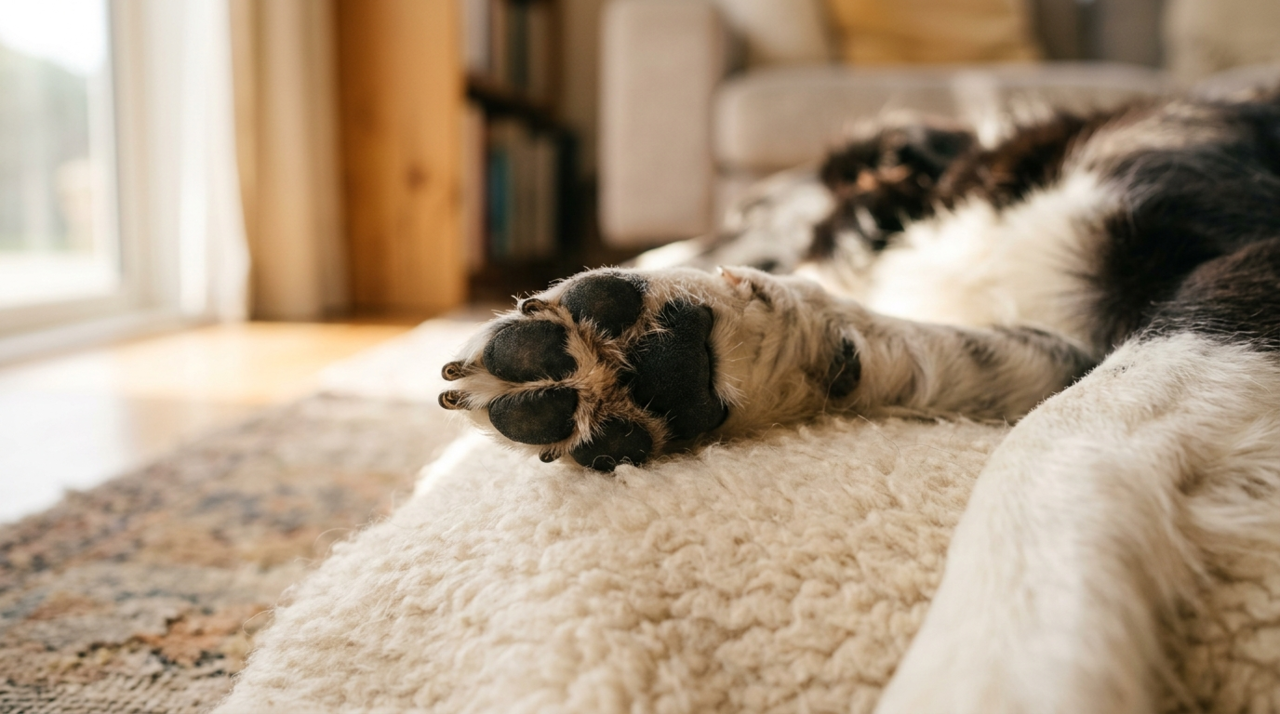
Senior dog paws are often drier and a bit thinner than they used to be. A weekly paw balm conditions the pad and helps with grip on cold surfaces. WashBar Paw Balm is a popular NZ-made option.
Water on the go
Senior dogs are more prone to dehydration on warm days. A travel water bottle with a built-in drinking cup means you can offer them a sip on longer walks. The ThirstyDog Smart Water Bottle is a popular pick.
Poop bags and a treat pouch
The non-glamorous essentials. A pocket of high-value treats means you can reward calm walking, gentle encouragement past a tricky spot, or a successful slow recall. Eco-friendly poop bags keep the walk guilt-free.
Bring Sniff Adventures Home
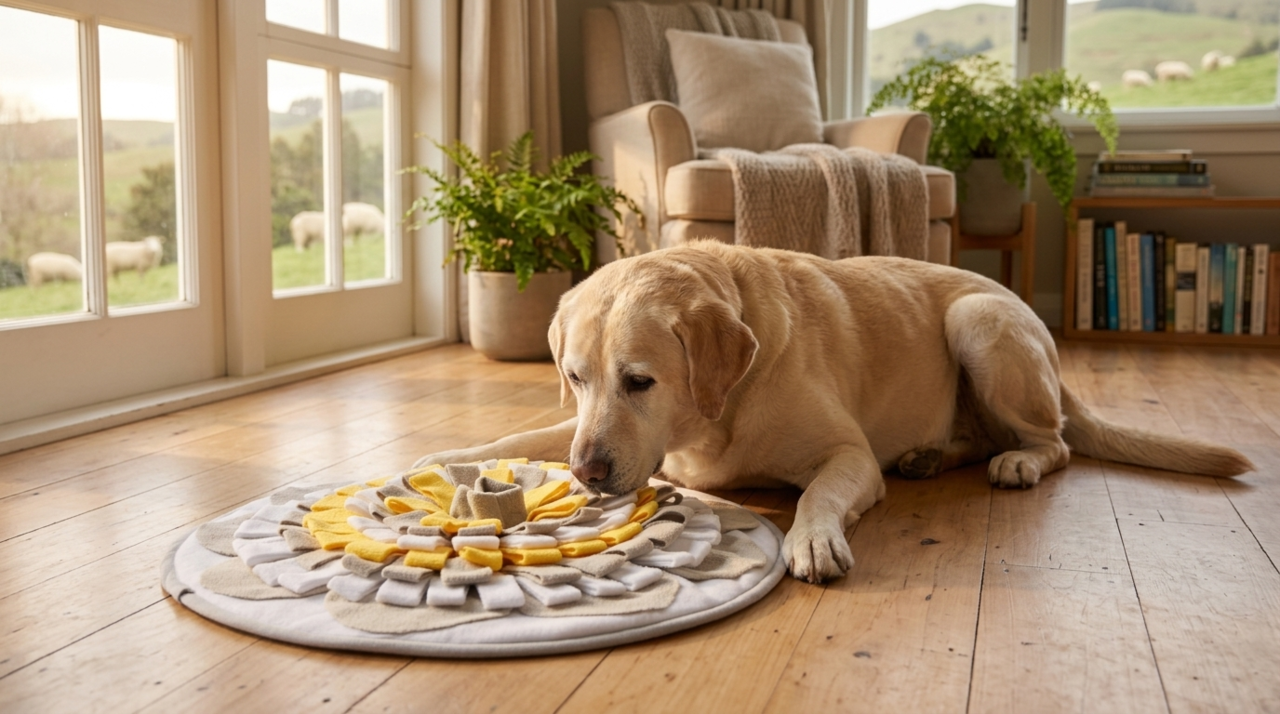
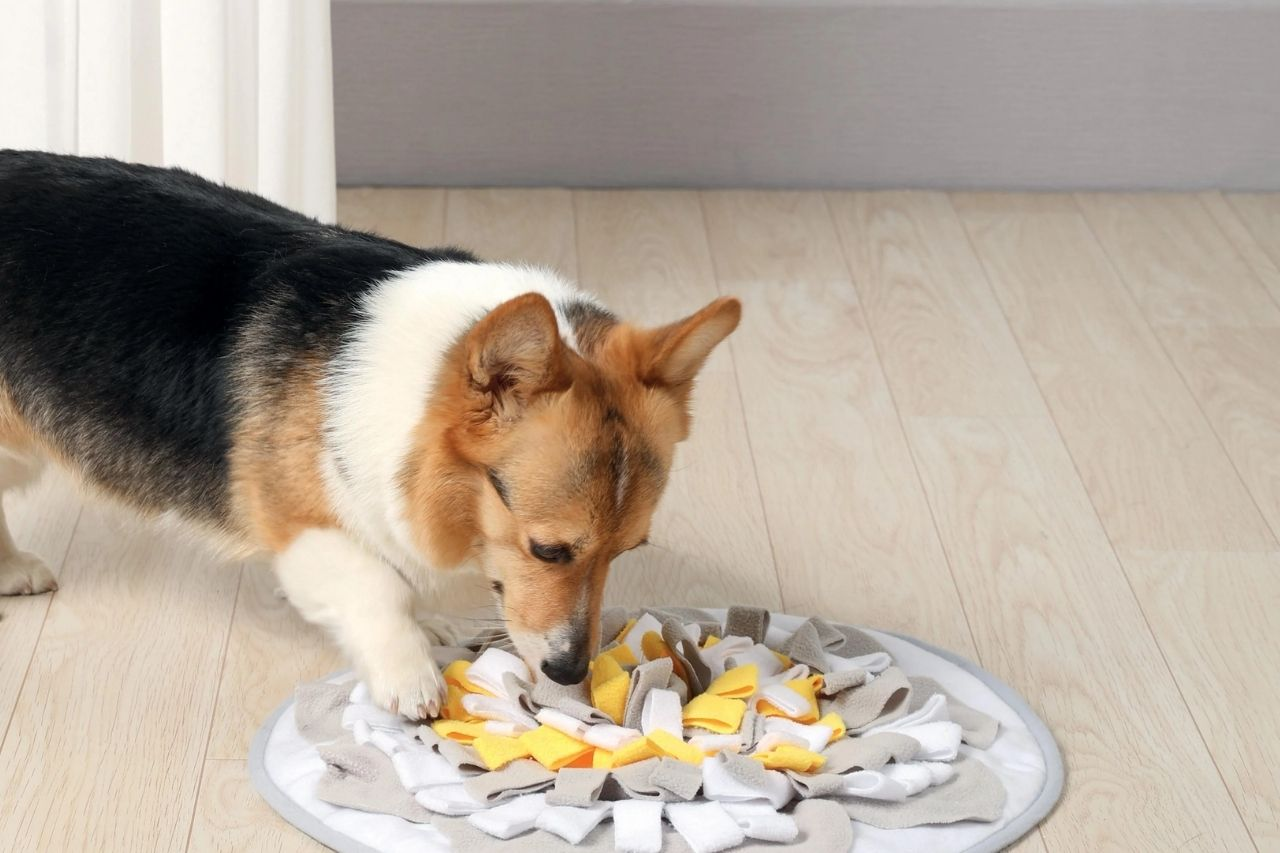
For days when a proper outdoor walk isn't going to happen (wet, cold, achy joints), you can still give your senior dog the sniff-walk experience. Indoor scent games and snuffle mats give them the same satisfying brain workout without leaving the house.
Indoor sniff games for senior dogs
- Find it. Scatter kibble across the lounge, send your dog in to find each piece. Brilliant rainy-day enrichment.
- Snuffle mat hunt. Hide treats in a snuffle mat and let them work through it slowly.
- Towel rolls. Roll a treat into a folded tea towel and let them unwrap it.
- The shell game. Three plastic cups, one treat, scoot them around. They love it.
- New scent in the garden. A used cardboard box from a friend's house, a couple of leaves from a neighbour's garden, anything with new information.
Adjusting the Sniff Walk to Your Dog's Day
The stiff morning
10 minutes of slow flat sniffing close to home. End before they're tired. A blanket-and-warm-lick-mat on return helps with the joint stiffness too.
The bright energetic day
Pick a different route. A 30-minute meander with a longer rest in the middle, plus a short bit on grass if they've got it in them. They'll happily nap for the next two hours.
The rainy weekend
Indoor sniff games, snuffle mat hunts, a slow-feed lick mat. 15 minutes of indoor scent work is genuinely tiring. Then back to the regular walk schedule when the weather lifts.
The hot summer afternoon
Move the walk to early morning or late evening when the pavement is cool. Choose a shaded route, carry water, and watch for any heavy panting that means time to stop.
The cold winter morning
Take a few extra minutes to warm them up before heading out. A sweater for thin-coated dogs, a coat for the rain. Keep the walk shorter and end before paws get too cold.
The "we're having a slow day" day
Sometimes senior dogs just want to potter in the back garden and sniff the planters. That counts as a walk. Don't force the bigger loop if they're saying no.
Frequently Asked Questions
How long should a sniff walk be for a senior dog?
Most senior dogs enjoy 20-30 minutes, but the quality matters far more than the duration. Two 15-minute sniff walks beat one rushed 45-minute walk every time. Watch their pace, not the clock.
Can a sniff walk really tire my dog out?
Yes, often more than a regular walk. The brain works hard during a sniff session, and dogs come home calm, settled, and ready for a long nap. It's one of the most underrated forms of exercise for any dog, especially seniors.
Should I let my senior dog sniff everything?
Within reason, yes. The exceptions are things that might be unsafe (broken glass, dropped food, rubbish), other dogs' poos, and any plant you don't recognise. Otherwise, sniffing is the point of the walk.
What's the right harness for a senior dog?
A well-fitted Y-shaped harness that doesn't restrict the shoulders. The EzyDog Chest Plate is a sturdy, padded all-rounder. The Formfit Mesh suits smaller frames and the Convert is good for dogs who like a vest-style fit.
Are long leads safe for senior dogs?
A fixed 2-3m training lead is a great fit for a sniff walk. Avoid extendable leads where the line can lock, snap or trip a senior dog. The Halti Training Lead is adjustable so you can shorten near roads.
Can I do a sniff walk in the back garden?
Absolutely. On a wet day, a stiff-joints day, or just a quiet afternoon, 20 minutes of nose-led pottering in your own garden is a legitimate walk for a senior dog. Add a new scent (a friend's used bandana, a different planter) and it's even better.
What's the single best change I can make to my senior dog's walk?
Slow down. Let them lead at sniff stops. Don't pull them off interesting spots. That one habit shift turns a routine walk into a genuinely satisfying outing for an older dog, and it costs nothing.
Sniff Walk Gear for Senior Dogs at Petdirect
Browse well-fitted harnesses, longer leads, snuffle mats, water bottles, paw balms and the rest of the gentle walking essentials. Save with Autodeliver on everyday items, and enjoy everyday member pricing as part of Pet Perks.
SHOP WALKING ESSENTIALS