Older dogs are quiet about discomfort. They rarely make a fuss, so the signs that your senior dog is feeling the cold tend to be small and easy to miss: a slower start to the morning, a tighter curl on the bed, a gentle lean toward the heater. Learning to read those signals is one of the kindest things you can do for an ageing companion through a New Zealand winter.
This is a gentle guide to noticing. Rather than a checklist of things to buy, it is about tuning in to what your dog is telling you, understanding what each little cue means, and responding in small, comforting ways that make the cold months easier on them.
Quick Answer
Senior dogs feel the cold more than they used to, and they show it in subtle ways: seeking out warm spots and heat sources, curling up tightly, being slow or reluctant to get up, shivering, or moving stiffly first thing in the morning. The kindest response is to watch for these cues and gently adjust their environment, a warm orthopaedic bed away from draughts, a soft layer for walks, a heat pad or self-heating mat for their favourite resting spot, and a consistent warm routine. If a change in comfort is sudden, marked, or paired with other signs like limping or off food, it is worth a clinic check.
Why Senior Dogs Feel the Cold More
As dogs age, a few things change at once. They tend to be less active, so they generate less body heat through movement. Their coat can thin, and many carry a little less muscle and body condition than they did in their prime. Stiff or sore joints feel noticeably worse in the cold. Put together, that means a dog who happily slept through winters as a youngster may genuinely struggle with the same temperatures now.
When a dog counts as "senior" depends a lot on their size. Small breeds are generally considered senior from around 8 years, medium dogs from about 7, larger dogs from around 6, and giant breeds as early as 5. So a big dog may start feeling winter more keenly at an age when a smaller dog is still very much in their prime. Whatever their size, the shift is gradual, which is exactly why paying attention to the small cues matters.
The Comfort Cues to Watch For
None of these signs are cause for alarm on their own. They are simply your dog communicating. The more familiar you are with your own dog's normal, the easier it is to spot when they are asking for a little more warmth.
Seeking out warmth
Following the sun around the house, pressing into the heater, or settling closer to you than usual. A dog actively hunting for warmth is telling you their usual spot is no longer cosy enough.
Curling up tightly
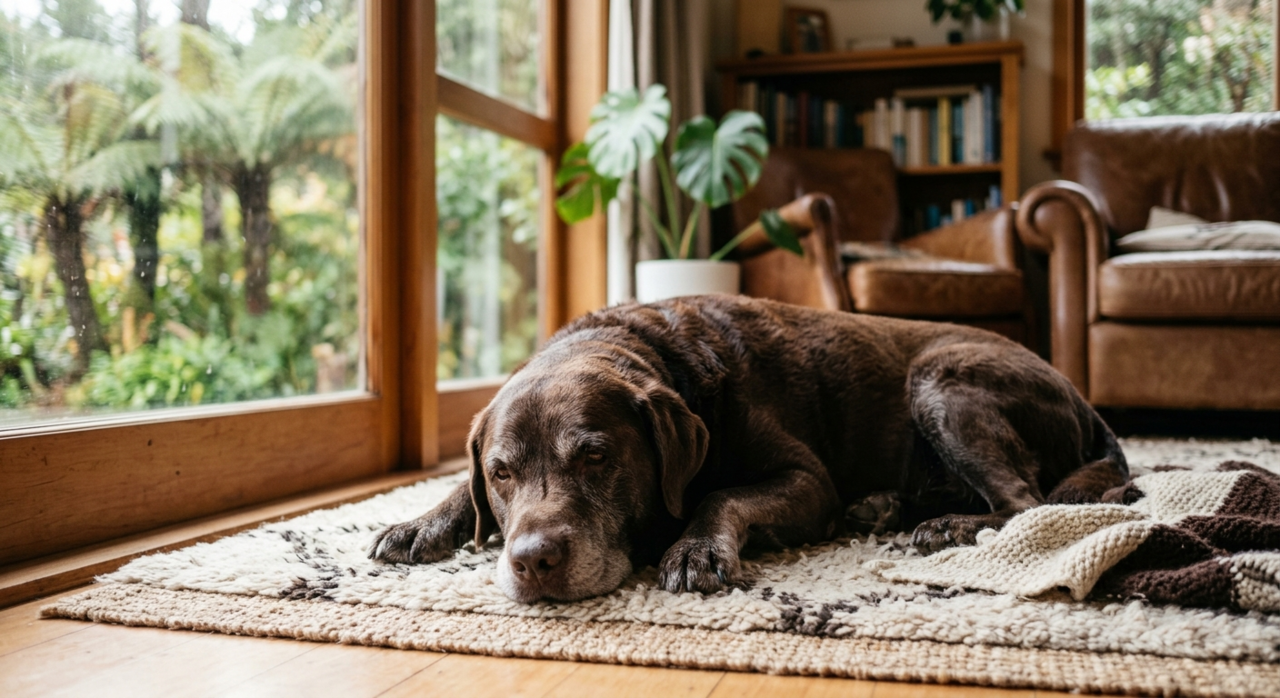
A dog who used to sprawl now tucking into a tight ball, nose under tail. Curling conserves heat, so a consistently tight curl is a quiet sign they are working to stay warm.
Slow or reluctant to get up
Taking longer to rise from bed, hesitating before a walk, or seeming stiff for the first few minutes of movement. Cold makes ageing joints feel tighter, especially first thing in the morning.
Shivering or feeling cool
Visible shivering, or ears, paws and the tip of the tail that feel cool to the touch. These are clearer signals that your dog is genuinely cold and would welcome an extra layer or a warmer spot.
Restless or unsettled at night
Shifting position often, getting up and resettling, or seeming unable to get comfortable. A cold or hard surface can make it hard for an older body to relax into sleep.
Less keen on going outside
Hanging back at the door, cutting walks short, or doing their business quickly and heading straight back in. A senior dog who suddenly finds the outdoors uninviting is often feeling the chill.
Gentle Ways to Respond
Once you have noticed what your dog is telling you, the responses are simple and small. Here is how to meet each cue with a little more comfort.
Warm up their favourite resting spot
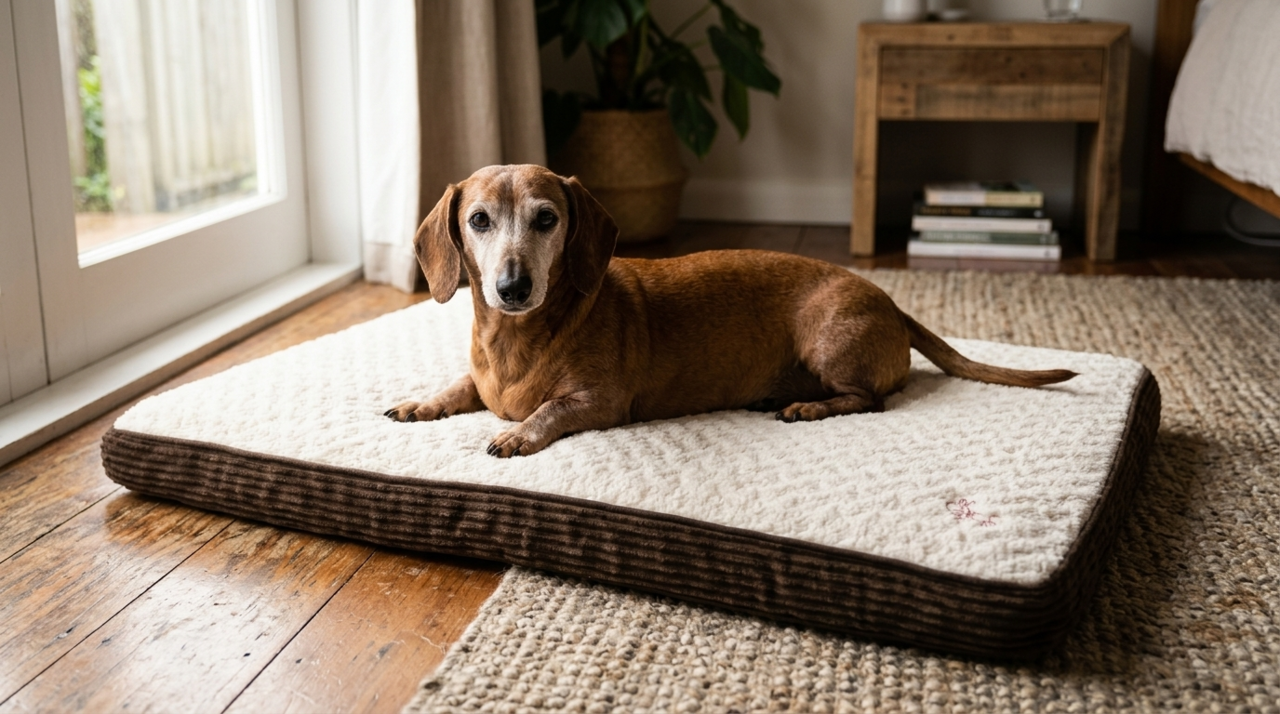
If your dog is hunting for warmth or settling into tight curls, the easiest win is a warm, supportive place to rest. A microwave heat pad or self-heating mat tucked into their bed gives gentle, safe warmth without an electrical cord, and a soft blanket lets them nest and tuck in the way older dogs love to.
Lift them off the cold floor
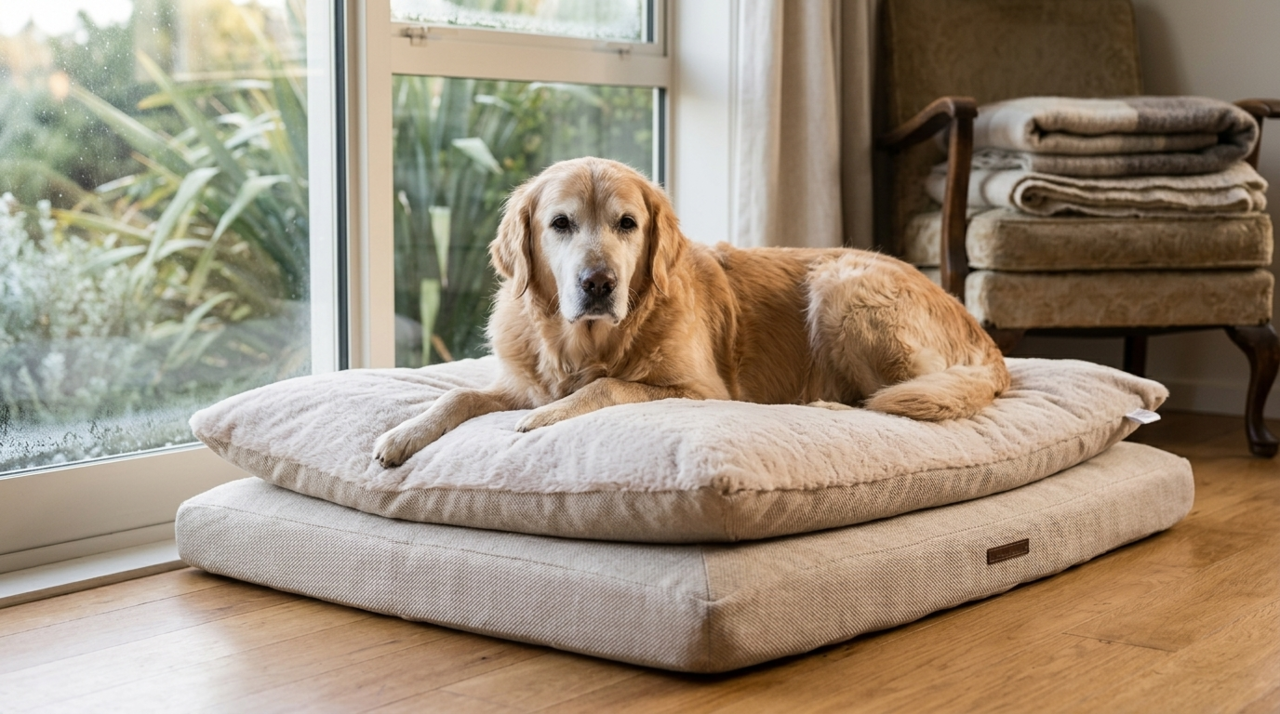
A dog who is restless at night, slow to rise, or moving stiffly will feel the difference from a supportive orthopaedic bed. Memory foam cushions ageing joints and insulates against a cold floor at the same time, so it does double duty through winter. Position it away from draughts and, where you can, somewhere that catches a little daytime sun.
Add a layer for walks and chilly evenings
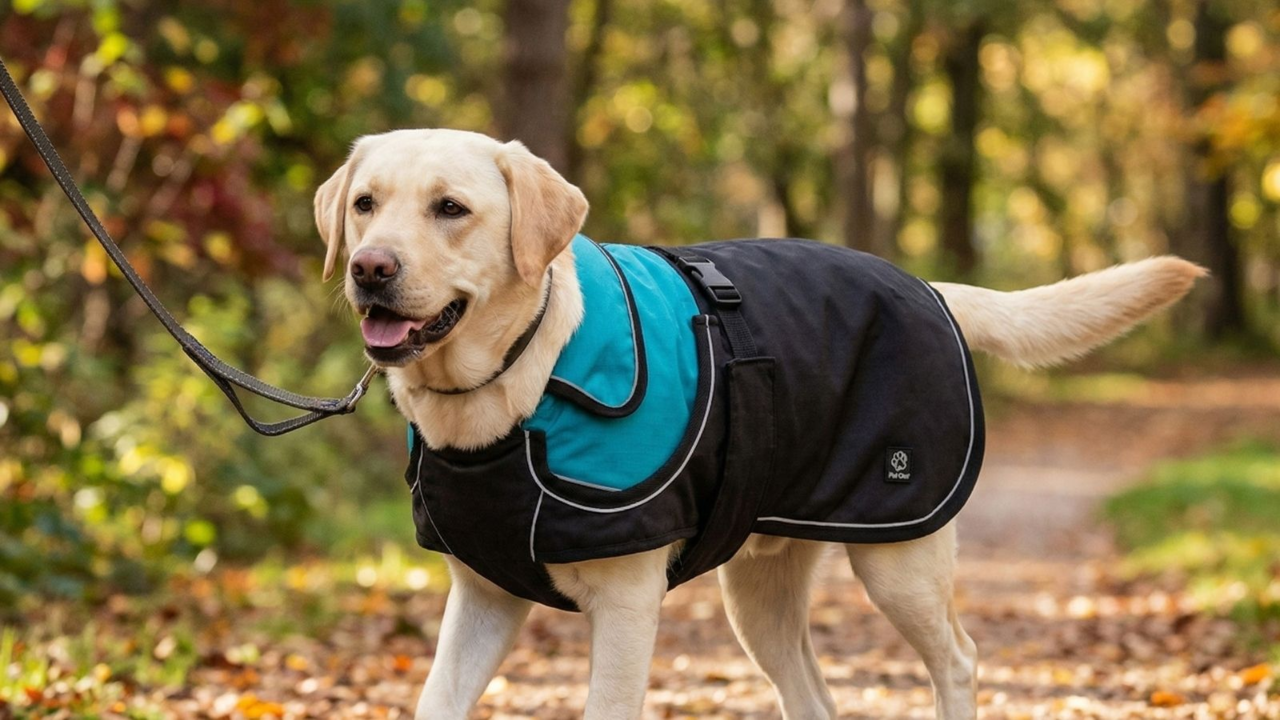
If your dog is shivering, feels cool to the touch, or holds back at the door, a coat or sweater makes a real difference, especially for thin-coated or lean older dogs. A padded coat traps warmth on walks, while a soft knit sweater is lovely for pottering around the house on a cold evening. Look for an easy on-and-off design so you are not asking stiff joints to twist into anything awkward.
Support the joints that feel the cold
Stiffness that shows up in winter often traces back to ageing joints, which feel tighter in the cold. Alongside warmth, a daily joint support supplement can help keep older dogs moving comfortably through the colder months. Pair it with gentle, regular movement so they stay supple without overdoing it.
Build a Warm Daily Rhythm
Senior dogs settle best into predictable, gentle routines. A few small habits keep them comfortable right through the season.
- Give them time in the morning. Let stiff joints loosen before the first walk rather than rushing straight out into the cold. A slow start is kinder on an older body.
- Warm the bed before bedtime. Pop a microwave heat pad in 20 minutes before they settle, so they climb into warmth rather than a cold surface.
- Time walks for the warmest part of the day. Late morning or early afternoon is gentler than dawn or dusk in a NZ winter.
- Dry them off properly. A damp coat after a rainy walk pulls heat away fast. A quick towel-dry makes a big difference.
- Keep the bed out of draughts. Check at floor level for cold air sneaking under doors and windows, and move their spot if needed.
When a change is worth a clinic check
Feeling the cold a little more is a normal part of ageing. But if your dog's comfort changes suddenly or markedly, or the signs come with limping, trouble settling, low energy, or going off their food, it is worth a chat with your clinic. A sudden reluctance to move can sometimes point to pain rather than simply the cold, and it is always best to have it looked at.
Frequently Asked Questions
How do I know if my senior dog is too cold?
Watch for shivering, ears and paws that feel cool to the touch, curling up tightly, seeking out heat sources, and reluctance to go outside. Any of these, especially several together, suggests your dog would welcome more warmth. The best baseline is knowing your own dog's normal, so changes stand out.
At what age does a dog start to feel the cold more?
It depends on size. Small dogs are generally considered senior from around 8 years, medium dogs from about 7, large dogs from around 6, and giant breeds from about 5. From their senior years onward, most dogs become more sensitive to cold as they slow down, lose a little coat and condition, and feel stiffness in their joints.
Should my senior dog wear a coat indoors?
Often a warm bed, a heat pad and a draught-free spot are enough indoors. A light sweater can be a lovely extra for thin-coated or very lean older dogs on especially cold evenings. Outdoors on chilly walks, a proper coat is well worth it for most senior dogs.
Why is my older dog stiff in the morning during winter?
Cold makes ageing joints feel tighter, so morning stiffness is common and tends to ease once your dog warms up and gets moving. A supportive orthopaedic bed, a warm sleeping spot and a daily joint supplement can all help. If the stiffness is pronounced or your dog seems to be in pain, have your clinic take a look.
Are heat pads safe for senior dogs?
Microwave heat pads and self-heating mats are a popular cordless option because there is no electrical element for your dog to chew. Warm the pad to a comfortable temperature rather than hot, wrap it or tuck it under bedding, and always leave your dog able to move off it if they get too warm.
What temperature is too cold for an older dog?
There is no single number, because it varies with size, coat, body condition and health. The more reliable guide is your own dog: if they are showing the comfort cues above, they are telling you it is too cold for them, regardless of what the thermometer says. Respond to the dog in front of you.
Cosy Comforts for Your Senior Dog
From supportive orthopaedic beds and self-heating mats to warm coats and joint support, find everything you need to keep your older dog comfortable this winter. Save with Autodeliver on supplements, and enjoy everyday member pricing as part of Pet Perks.
SHOP COSY COMFORTS