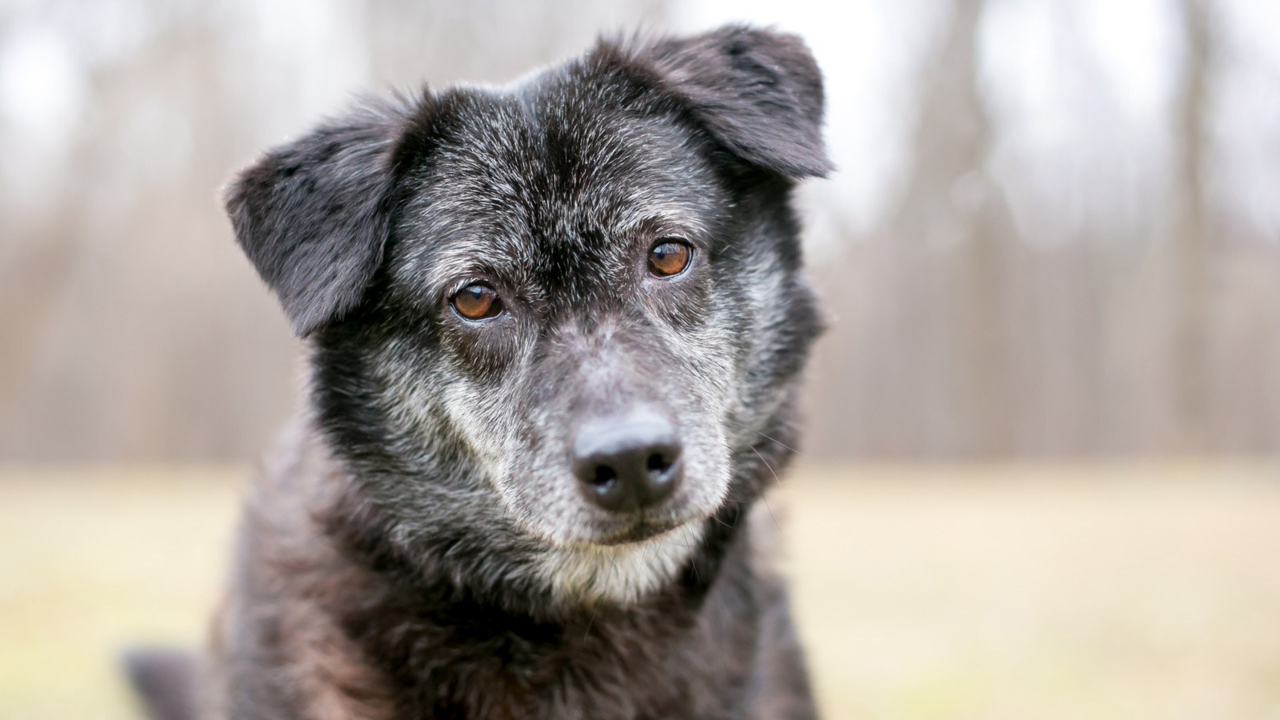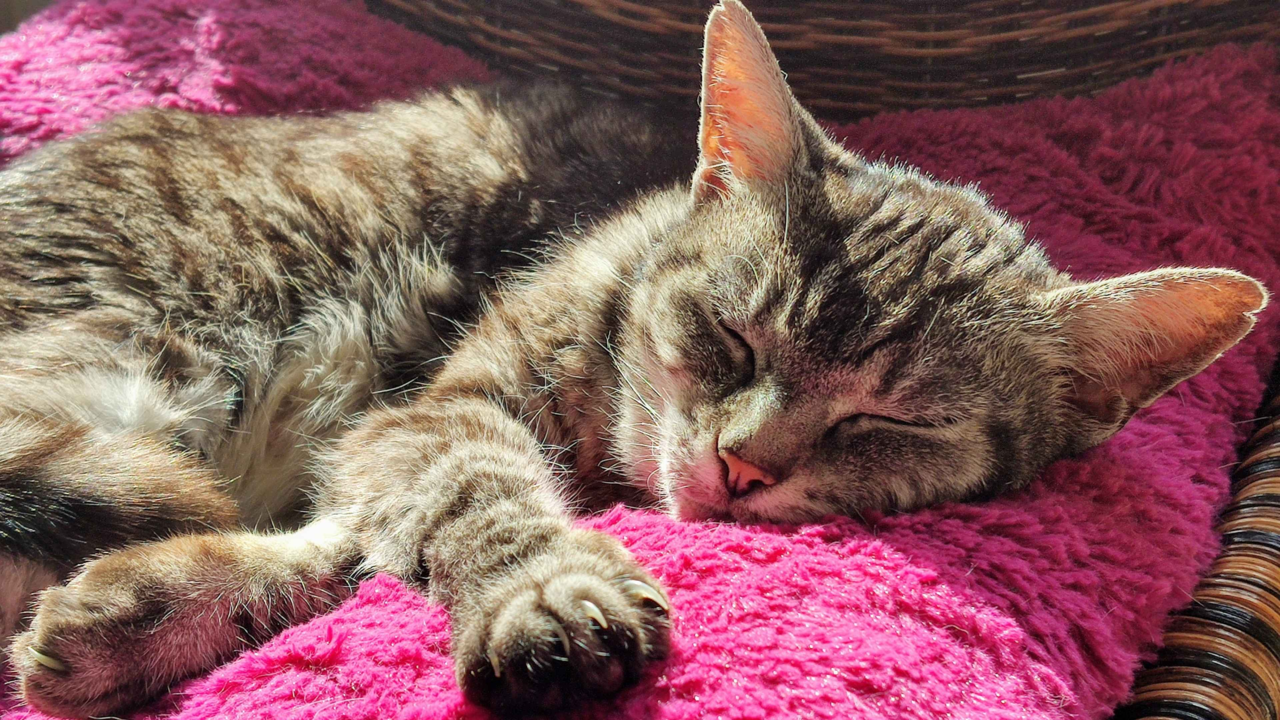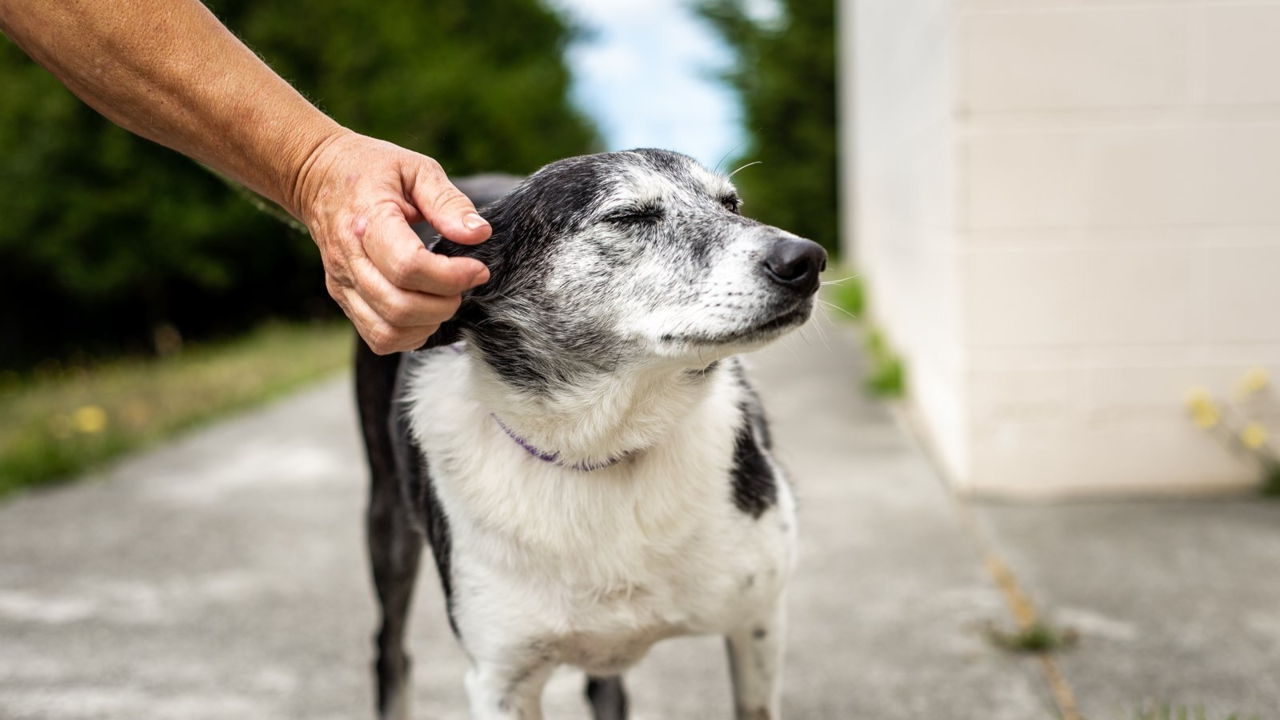
The grey muzzle, the slower mornings, the longer naps in a favourite sunny spot. Watching a dog or cat move into their senior years is one of the quietest, most tender parts of sharing your life with a pet. Most of those years can be genuinely good ones, full of comfort and connection, when you know what to look for and how to gently adjust.
This is a gentle guide to thinking about quality of life as your pet ages, the everyday signs that tell you how they are really doing, the small comforts that make a big difference, and how to have an honest conversation with your vet along the way. It is a starting point for owners, not a substitute for professional advice. Your vet knows your pet, and they are your best partner in these years.
Quick answer
Quality of life in senior pets comes down to a handful of everyday things: comfort and freedom from pain, the ability to move around, a healthy appetite and good hydration, an engaged and settled mind, and clean, dignified toileting. The most useful habit is to watch for changes over time and to keep more, not fewer, conversations going with your vet. Senior pets are often recommended a wellness check around twice a year, and small comforts at home can lift everyday life a great deal.
What "quality of life" really means
Quality of life is not a single test. It is a picture you build from a few different parts of your pet's day. None of these areas matters on its own, but together they help you see how your senior dog or cat is genuinely doing, and they give you and your vet a shared language for the conversation.
Comfort and pain
Are they settled and relaxed, or stiff, restless or reluctant to be touched in certain spots? Pain in older pets is often quiet, showing up as a change in habits rather than an obvious limp.
Mobility
Can they get up, lie down, climb onto the couch or use the stairs without a struggle? Hesitation at a step or a jump they used to take easily is worth noticing.
Appetite and hydration
Are they keen for meals and drinking normally? A lasting change in appetite, thirst or weight is one of the clearest signals that something has shifted.
Mind and engagement
Do they still greet you, seek out company, play gently or enjoy a sniff around the garden? Withdrawal, confusion or pacing can be a sign worth raising with your vet.
Hygiene and toileting
Can they keep themselves clean and reach the toilet, litter tray or garden in time? Accidents or trouble grooming are common in older pets and usually manageable.
Connection and joy
Do they still have good days and things they clearly love, whether that is a warm lap, a favourite person or a gentle wander? The good moments matter as much as the medical ones.
A simple habit helps more than any single observation: notice the trend over weeks, not just one off day. Many owners keep a short note on their phone, so that when something changes they can describe it clearly to their vet.
Comfort and a good night's rest
Older joints and bony bodies feel hard floors and cold nights more than they used to. A supportive, warm bed is one of the kindest and simplest upgrades you can make for a senior pet. Orthopaedic foam spreads their weight and takes pressure off ageing hips and elbows, while a cosy coat helps a thinner-coated dog hold their warmth on winter walks.
Staying mobile and easing stiff joints
Keeping a senior pet moving comfortably is one of the biggest levers on their quality of life. Gentle, regular movement keeps muscle on their frame, while a few practical aids and supplements can take the strain out of the things that have started to feel hard. A ramp saves an arthritic dog the jolt of jumping into the car, and a joint supplement, chosen with your vet, can support cartilage and mobility over time.
A busy, content mind
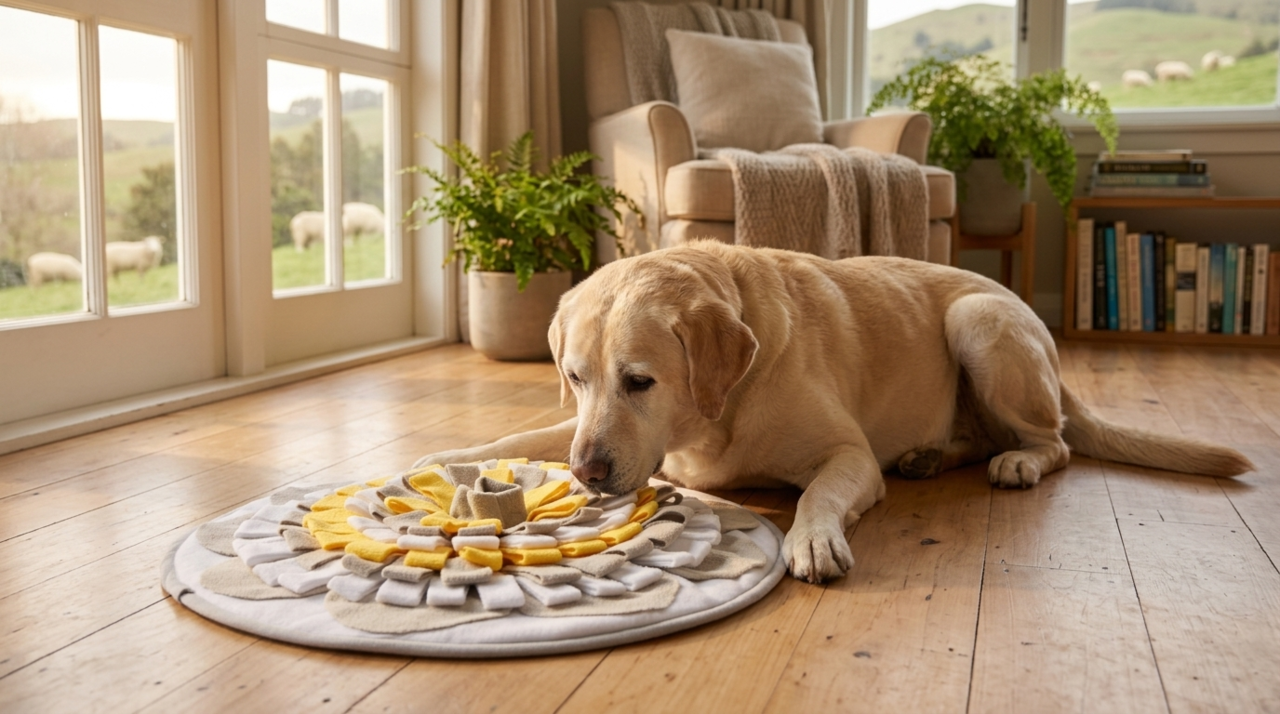
Engagement matters just as much as physical comfort. Gentle enrichment keeps an older brain ticking over and gives the day a little shape, without the strain of a long walk or a high-energy game. Slow feeders and treat puzzles turn a meal into a quiet bit of problem solving, and easy access to fresh water keeps an older dog drinking well on the go.
Calm and reassurance
Senior pets can become more sensitive to change, noise and being left alone, and some develop new anxieties as their sight, hearing or memory shifts. A calmer home helps them feel secure. Pheromone diffusers and sprays send a quiet "all is well" signal in the background, and a predictable daily rhythm does the rest.
Talking to your vet about quality of life
Your vet is the one person who can weigh up your pet's comfort, any medical conditions and the changes you are seeing at home. Quality-of-life conversations are a normal, helpful part of senior care, not only something for the very end. Going in with honest, specific observations, and asking direct questions, helps you make calm, informed choices together rather than rushed ones.
Worth booking a vet check sooner
Some changes deserve a conversation with your vet without waiting for the next routine visit:
- A lasting drop in appetite, or a clear change in thirst or weight
- Trouble standing, walking, or settling that seems painful
- New confusion, pacing, restlessness at night, or withdrawal from the family
- Toileting accidents, straining, or trouble keeping clean
- Laboured breathing, repeated vomiting, or any sudden change you find worrying
- More bad days than good days, or losing interest in the things they have always loved
It can help to track good days and harder days over a couple of weeks before an appointment. A simple record gives your vet a much clearer picture than memory alone, and it reassures you that you are watching the whole trend, not just one quiet afternoon.
Never run out of the essentials
The comforts that keep a senior pet well, from their joint support to their food, work best when they are always on hand. With Autodeliver you can set the senior staples to arrive on a schedule that suits you, save on every repeat order, and skip or change a delivery any time. It is one less thing to remember in years that are already full enough.
EXPLORE AUTODELIVERFrequently Asked Questions
When is my pet considered a senior?
It depends on size. Dogs are generally considered senior from around 8 years for toy and small breeds, 7 years for medium breeds, 6 years for large breeds and 5 years for giant breeds. Cats are usually considered senior from around 7 years. These are guides, not hard lines, so your vet may adjust them for your individual pet.
How often should a senior pet see the vet?
A check around twice a year is often recommended for senior pets, compared with once a year for healthy adults. More frequent visits help catch the slow changes of ageing early, while they are easier to manage. Your vet will suggest a schedule based on your pet's health.
How can I tell if my older pet is in pain?
Pain in senior pets is often subtle. Look for changes in habit rather than obvious limping: reluctance to jump or use stairs, stiffness after rest, irritability when touched, restlessness, or a drop in grooming. If you suspect pain, your vet can assess it and talk through options.
Is it normal for a senior pet to slow down?
Some slowing down is a natural part of ageing. The thing to watch is the pace and pattern of change. A gradual preference for shorter walks and longer naps is expected, but a sudden change, or one paired with other signs like appetite or toileting shifts, is worth raising with your vet.
What small changes at home make the biggest difference?
A supportive orthopaedic bed, warmth in winter, ramps or steps to avoid jumping, raised or easy-access food and water, non-slip mats on slippery floors, and a calm, predictable routine all add up. Small comforts, kept consistent, often lift everyday life more than any one big change.
Should I change my senior pet's food?
Many older dogs and cats do well on a diet formulated for their life stage, which is balanced for ageing bodies and activity levels. The right choice depends on your pet's health, so it is worth confirming with your vet, especially if they have a condition that affects their diet.
How do I know when quality of life has dropped too far?
There is no single number that answers this, and it is one of the hardest questions any owner faces. Tracking good days against hard days over time, and being honest about the things your pet can and cannot still enjoy, gives you a clearer picture. Your vet can help you weigh it all up calmly and without pressure, whenever you need that conversation.