You're stroking your cat one evening and your fingers land on something that wasn't there last week. A small bump near the shoulder, a soft swelling under the chin, or a hard little pea-sized lump along the side. It's a moment most cat owners will have at some point, especially with an older cat, and it almost always feels worse in the first few minutes than it turns out to be.
Here's a calm, owner-focused guide to what new lumps on older cats usually are, what's worth keeping an eye on, and when a lump is worth getting a closer look at.
Quick Answer
Most new lumps on older cats are everyday changes that come with age, like fatty lumps, skin tags, small cysts or a healing scratch. Some lumps need closer attention, especially if they grow quickly, change shape, become firm and rooted, ulcerate, or bother your cat. Note what you find (size, location, feel, when you found it), keep an eye on it, take a photo for comparison, and get it looked at if it changes or you're unsure.
Why Older Cats Get More Lumps and Bumps
As cats age, their skin changes the same way ours does. Fat distribution shifts, skin elasticity drops, healing slows, and the little harmless growths that have been quietly developing for years become more noticeable. Older cats also tend to do less rough-and-tumble, so previously unnoticed scratches, bug bites or healing wounds suddenly become things owners spot during a quiet cuddle.
Cats are also famously good at hiding changes in how they feel. A lump on a senior dog might announce itself with limping or licking. On a cat, the lump is often the first sign that anything has changed at all, which is why a moment of attention during everyday stroking matters more for cats than people sometimes realise.
Common Types of Lumps Owners Notice
You can't tell what a lump is just by feeling it, and this section isn't a diagnostic guide. It's a quick orientation so the lump feels less mysterious. Here are the kinds of things older cat owners most commonly come across.
Fatty lumps
Soft, movable lumps that sit under the skin. Less common in cats than in dogs but they do happen, especially in older cats carrying a bit of extra weight.
Skin tags and warts
Small, often dangly bits of skin in places like the neck, armpits or belly. They tend to appear gradually over years and usually don't bother the cat.
Sebaceous cysts
Small, firm-ish lumps that sit just under the skin and feel like a pea. They form when an oil gland gets blocked. They can rupture and look briefly alarming when they do.
Abscesses
Soft, warm, often painful swellings, usually with a puncture wound nearby. Very common in cats who go outside, often after a scrap with another cat. They can come up quickly, sometimes overnight.
Bug bites and ticks
A swollen bite from a fly or mosquito can look very lump-like for a day or two. A tick attached to the skin can feel like a small bead and is easy to mistake for a growth until you look closely.
Other growths
There are plenty of other things a lump could be, and many of them are harmless. There are also some that aren't. That's why a new lump that's changing is always worth a professional look rather than a guess at home.
What to Do When You Find a New Lump
The most useful thing you can do in the first few minutes after finding a lump is take a clear, calm note of what you've found. It turns "there's a lump" into something you can compare against next week, which makes everything easier.
The 5-point lump note
- Where on your cat the lump is (a quick body sketch on your phone notes is fine)
- How big it is (pea, marble, grape, pinhead)
- How it feels (soft, firm, movable, rooted, warm, painful)
- What it looks like (skin colour, hair pattern over it, any wound or scab)
- When you first noticed it
Take a photo with something for scale next to it (a coin works well) and you've got a real comparison for next week rather than relying on memory. If you're not sure whether the lump is changing, that scale photo will tell you in seconds.
When a Lump Is Worth a Closer Look
Most lumps on older cats are slow-moving, soft and unchanging. The ones that earn a professional look are the ones doing something. Use this as your shortlist:
- Growing quickly (clearly bigger in a couple of weeks)
- Changing in shape, firmness or colour
- Firm, rooted, and doesn't move easily under the skin
- Ulcerated, weeping, bleeding or scabbed over and not healing
- Hot to the touch or painful when handled
- Anywhere on the face, mouth, eyelid or near the mammary area in unspayed cats
- Coming with other changes, like weight loss, off food, hiding more, or grooming less
If none of those apply and the lump has been the same size and feel for weeks, it's usually fine to mention at the next routine visit rather than rush it in. When in doubt, get it looked at, that's always a reasonable call.
How to Find Lumps Early on a Cat
Cats don't sit through formal body checks the way some dogs will, and that's fine. The best lump-finding routine for a cat is the one you're already doing.
Strokes find them
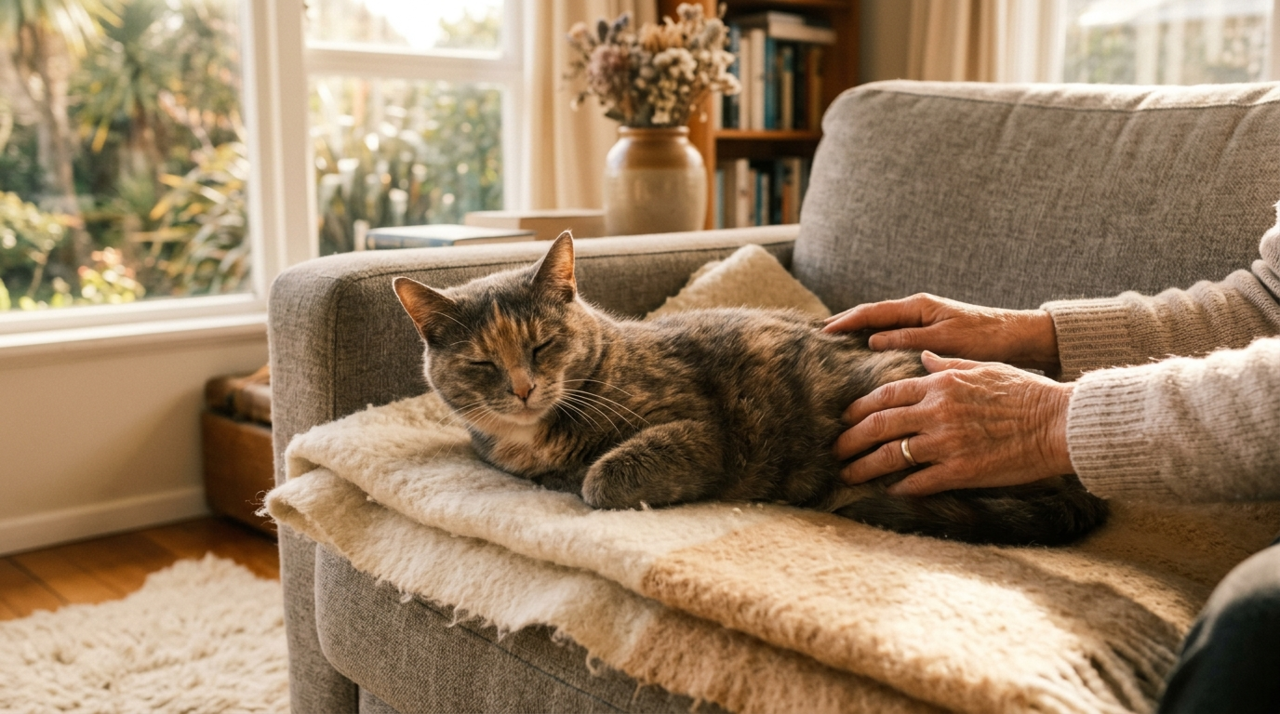
Most lumps on cats are first noticed during a cuddle or a stroke, not during a deliberate check. Run your hand a bit slower than usual when your cat is settled on you, and you'll find changes earlier without making a project of it.
Make brushing routine
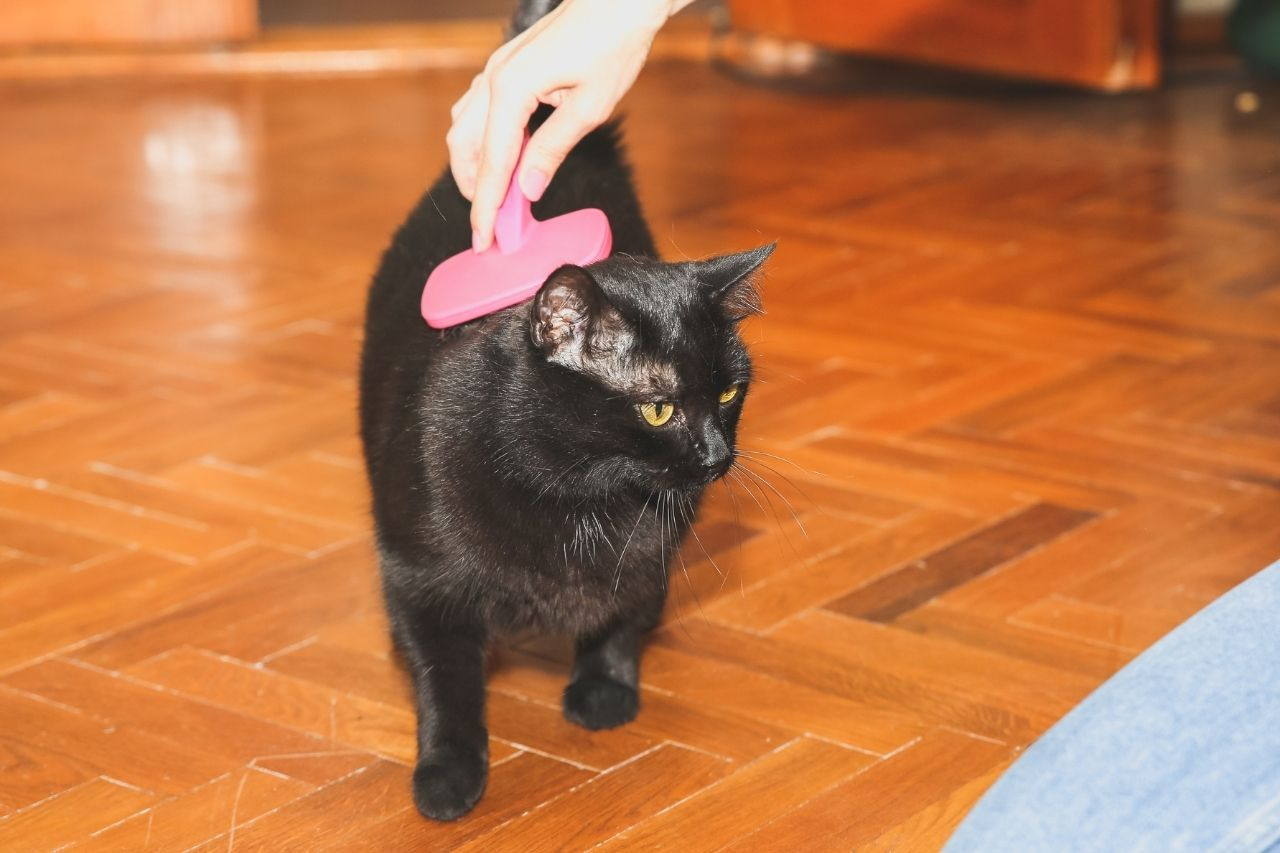
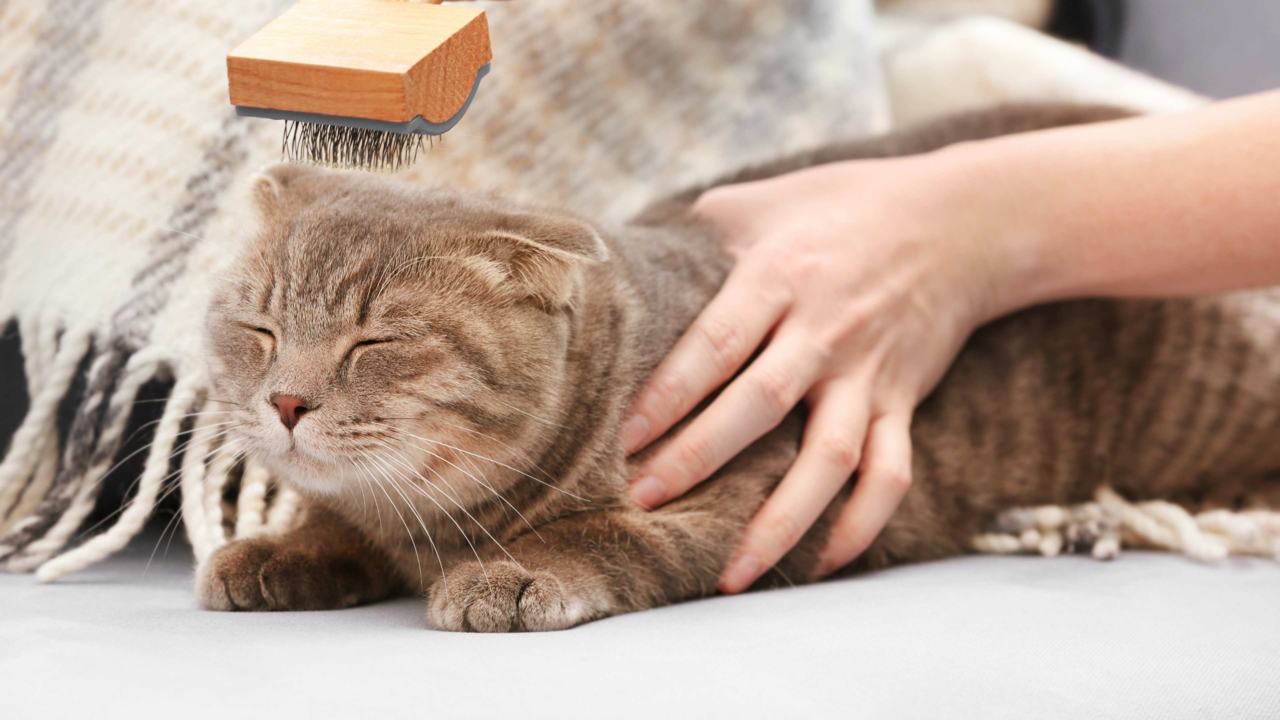
A daily or every-other-day brush is the single best lump-finding tool for an older cat. The brush parts the coat, your hand passes over the body in a pattern, and small changes are obvious. It's also good for the coat, joints, skin and the bond.
Lap time counts
Quiet lap time, especially with an older cat, gives you a relaxed cat and warm-handed access to all the places a lump might hide: under the jaw, along the throat, behind the ears, around the shoulders and down the sides. You don't need a routine, just a slower set of strokes than usual.
Don't hunt
Cats can tell when you're prodding rather than petting, and they'll cut the session short if you go searching. Awareness during normal contact will find more lumps than a deliberate search session, and it's nicer for your cat.
Supporting Skin and Coat Health in Older Cats
You can't stop lumps appearing, they're largely a function of age and genetics. What you can do is keep the skin and coat underneath in good shape so changes are easier to see and the coat itself looks healthy.
A daily omega-3 oil drizzled over food is the most consistent thing you can add for skin and coat support, and most cats take it without fuss. A senior-formulated food and a quality skin support supplement both add to the same goal. For finding lumps, a soft, well-kept coat is the easiest one to feel through.
Looking After an Older Cat Generally
Lumps are one signal among many that an older cat is moving into a stage of life with different needs. Senior-formulated foods help with weight and nutrients, daily omega-3 supports skin, coat, joints and brain, and a calm home environment makes everything easier. A senior cat eating well, drinking well, sleeping well, and being stroked daily is a cat whose lumps will be found early, which is the whole game.
Frequently Asked Questions
Are lumps on older cats always serious?
No. Most lumps on older cats are harmless: fatty lumps, skin tags, small cysts and healing scratches are common with age. The lump that earns a closer look is the one that's growing, changing, or bothering your cat.
How fast is "growing too quickly"?
As a rough guide: if a lump has clearly changed size in a couple of weeks, that's worth a closer look. A lump that's the same size in a month is usually moving slowly enough to mention at the next routine visit. Take a photo with a coin for scale and you'll have a real comparison rather than relying on memory.
Should I be checking my cat for lumps regularly?
Not in a formal way. Cats don't enjoy being prodded and you'll find more lumps during everyday strokes, cuddles and brushing than you ever will during a deliberate check session. Awareness during normal contact is the best approach.
My cat has several small bumps. Is that normal?
For some older cats, yes. Many older cats slowly accumulate skin tags, small cysts and similar harmless changes over the years. As long as none of them are changing, growing fast, ulcerating, or bothering your cat, it's usually fine. It's still worth a mention at the next routine visit so they get added to your cat's notes.
What if the lump appeared overnight?
A lump that came up quickly, especially if it's soft, warm and your cat doesn't want it touched, is most often an abscess from a scratch or bite. That one is worth getting looked at sooner rather than later, since cat abscesses generally need help to clear up properly.
Can I do anything to stop new lumps appearing?
Not really. Lumps are largely a function of age and genetics. What you can do is keep your cat at a healthy weight (which makes lumps easier to feel), support skin and coat health with a good food and a daily omega-3, and stay aware of what's there during everyday strokes and brushing.
Should I try to drain or pop a lump at home?
No. Even if it looks like a small pimple or a cyst, draining or squeezing a lump at home risks infection and making things worse. If a cyst ruptures on its own (some do), keep the area clean and gently protected, and get it looked at.
What if my cat won't let me look at the lump?
Some cats are happy to be inspected, some really aren't. Don't fight it. Get a photo when your cat is settled (on your lap or sleeping), and use everyday strokes to keep a sense of whether it's changing. If the lump needs a closer look and your cat is hard to handle, mention that ahead of the visit so the team can plan for a calm appointment.
Senior Cat Essentials at Petdirect
From soft brushes that help you spot changes during everyday grooming, to omega-3 oils, skin support supplements and senior-formulated foods, find everything you need to look after an older cat in one place. Save with Autodeliver on the routine items, and enjoy everyday member pricing as part of Pet Perks.
SHOP SENIOR CAT FOOD