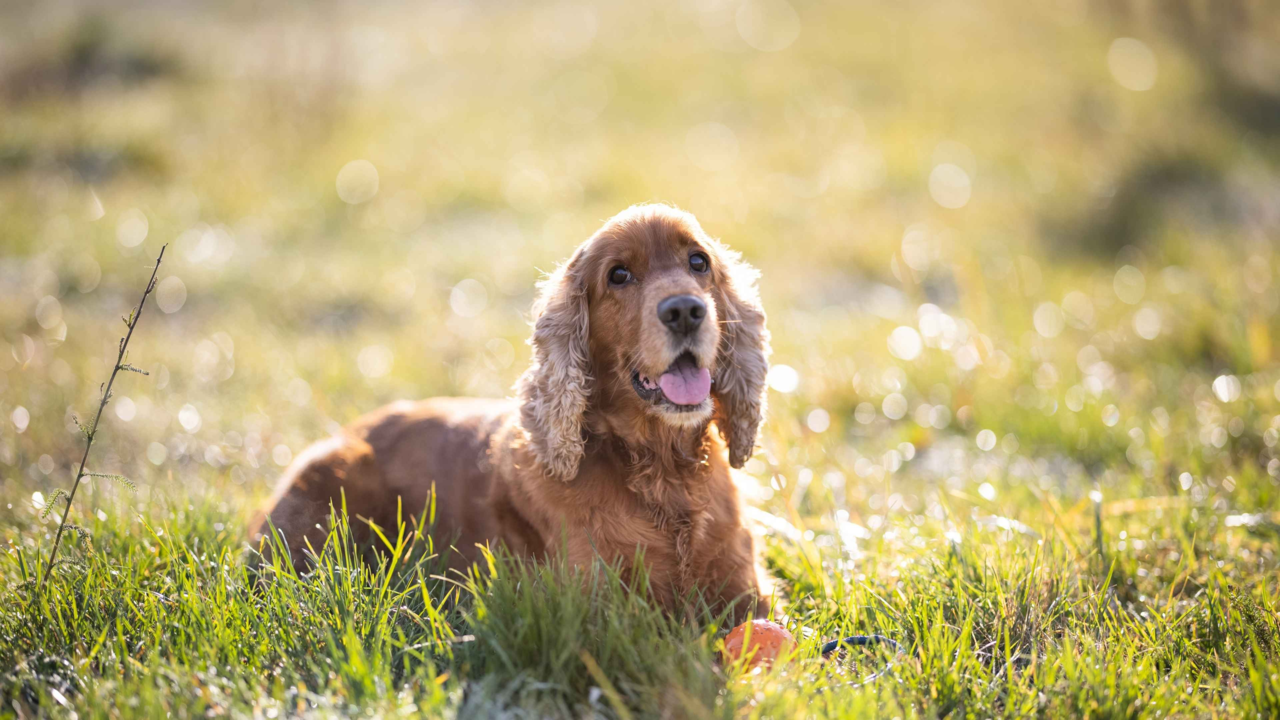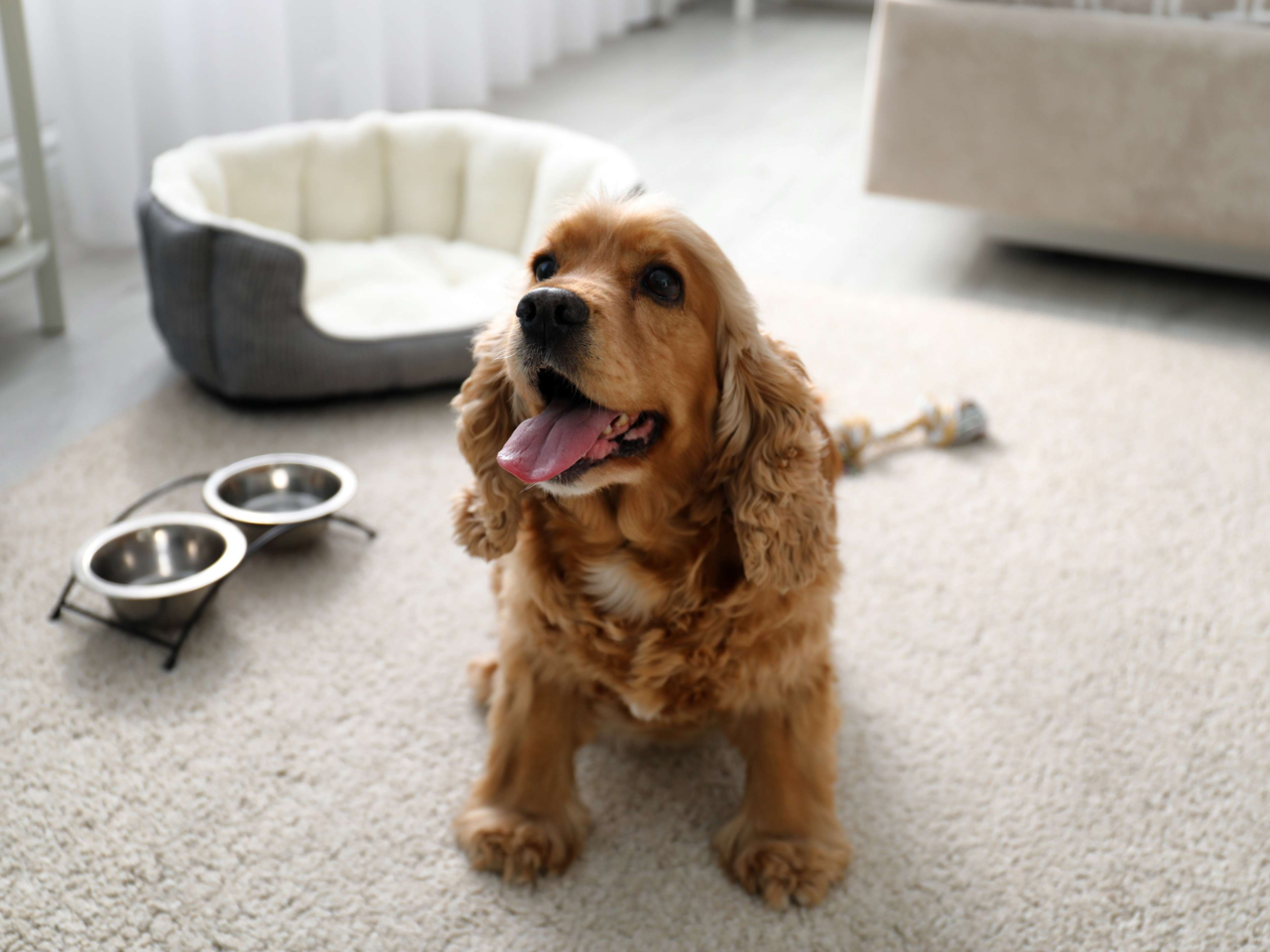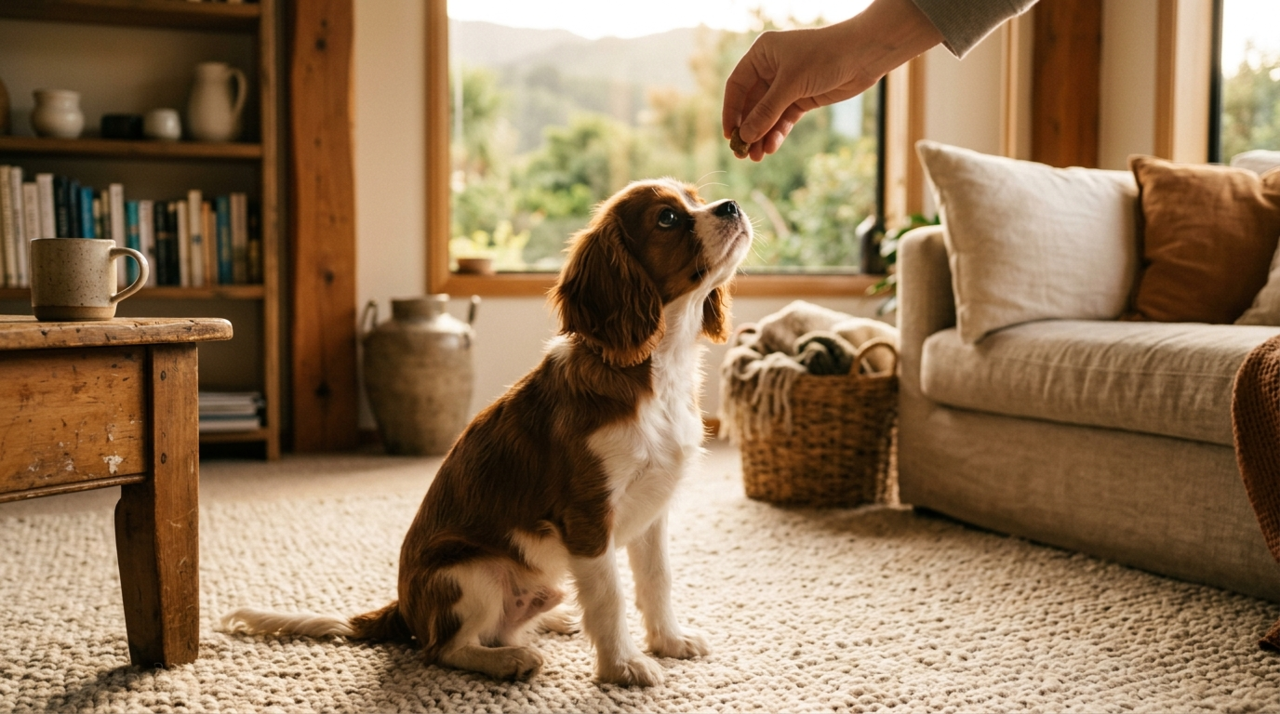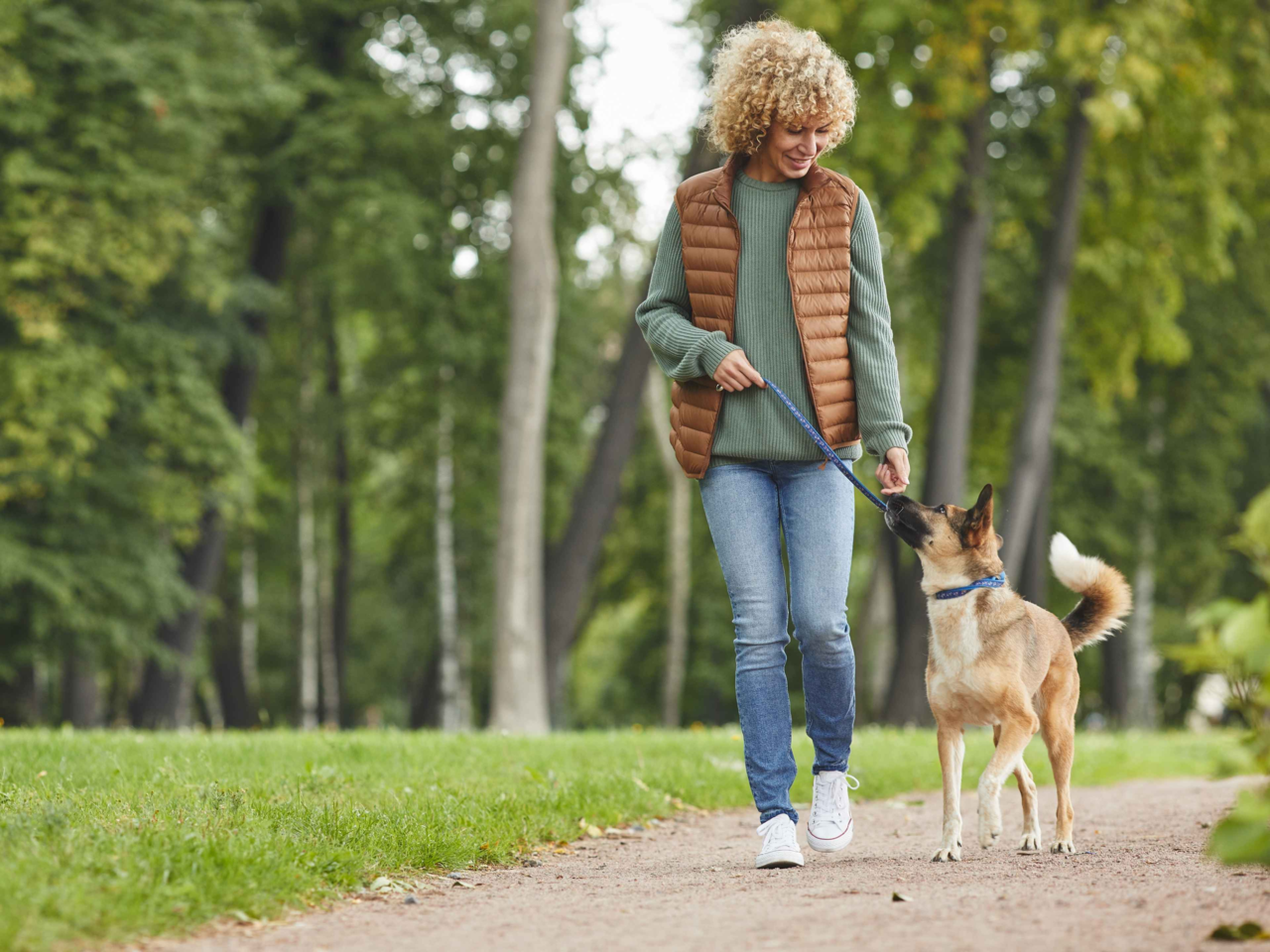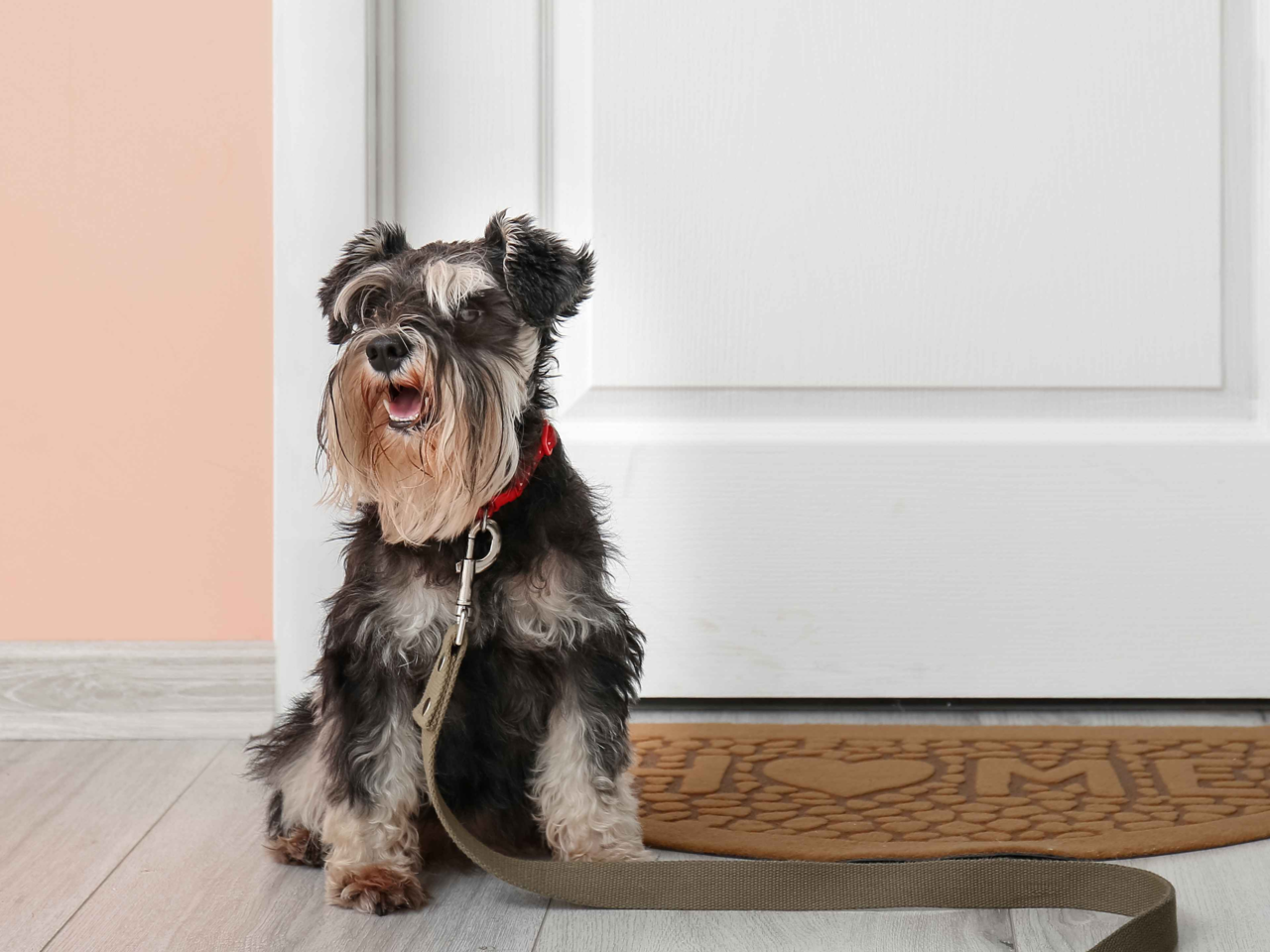
Cocker Spaniels are clever, soft-natured and full of joy. Bred to flush birds in long grass and retrieve gently to hand, they bring a lot to the family home: an eager-to-please brain, a soft mouth, an endless appetite for play, and a heart-on-sleeve emotional intelligence that makes them easy to bond with and easy to teach. Train one well and you've got a gentle, biddable companion for years. Train one without a plan and you'll likely find them outsmarting you while looking incredibly innocent.
Here's a step-by-step guide to training a Cocker Spaniel in NZ, with the breed-specific things to know, the gear that helps, and the routines that bring out the best in this lovely breed.
Quick answer
Cocker Spaniels respond beautifully to positive reinforcement, gentle voices, and short engaging sessions. They're emotionally sensitive, so harsh tones backfire. Lock in recall early because their nose will pull them away once they catch a scent. Channel their energy into daily walks, sniffing time and structured games, and start gentle ear handling from day one so grooming feels normal. Aim for two short training sessions a day, plenty of mental enrichment, and a calm consistent home life.
Understanding the Cocker Spaniel
Bred to use their nose
Cocker Spaniels are scent-and-flush gun dogs. That nose is their main sense, and they're hardwired to follow it. A great scent on a walk can outweigh almost any cue, so recall and lead training need to be solid before they get off-lead time.
Soft, biddable, eager to please
Compared with bullier breeds, Cockers genuinely want to do the right thing. They'll work hard for praise alone, and they read your tone and body language closely. That makes positive reinforcement land beautifully.
Emotionally sensitive
This is the big one. A raised voice, a harsh correction, or a frustrated sigh can genuinely upset a Cocker. They shut down or get anxious, and the bond cools. Keep your tone calm and warm even when correcting.
Bouncy and full of energy
Don't let the soft face fool you. Cockers are athletic dogs who need a proper daily walk plus mental enrichment to be content. An under-stimulated Cocker becomes a vocal, anxious or destructive one.
Mouth-focused but soft
They love carrying things in their mouths (it's the retriever instinct), but they have one of the softest mouths in the dog world. Teaching "hold", "drop" and "fetch" is a joy because it taps directly into what they're built for.
People-bonded velcro dogs
Cockers like to be near their humans. Excellent for bonding and training, can lead to separation distress if not managed from puppyhood. Build up alone-time gradually so they're comfortable with quiet periods.
The Core Training Principles
Start early, start gently
From the moment your Cocker Spaniel comes home (around 8 weeks), you're training them. Where they sleep, how they greet you, where they toilet, how they handle being brushed. All of it is forming habits. Get the foundations right from day one.
Positive reinforcement only
Reward what you want, ignore what you don't. With a Cocker, praise, treats and gentle play are all you'll ever need. Skip harsh corrections, they don't help this breed and often actively set you back.
Short, often, varied
Five to ten minute sessions, two or three times a day, are more effective than one long session. Vary the location, rewards and cues so they stay engaged. Cockers are smart enough to get bored if it's repetitive.
Warm voice, clear cues
Your tone matters enormously with a Cocker. A happy "yes!" is a powerful reward. A gentle "uh-uh" is plenty of correction. They tune in to small voice changes. Don't shout, you don't need to.
Build the bond first
A Cocker who trusts you will learn anything. A Cocker who's been shouted at will tune out. Spend time playing, walking, and being calm together. The training comes more easily when the relationship is strong.
The First Few Weeks: Foundations
Toilet training
Take your puppy out every hour or two, and always after meals, naps and play. Use a cue word ("toilet" or "wee wee") the moment they go. Praise calmly. A treat the second they finish helps too. Cocker puppies often get this within a few weeks if you're consistent.
Name and attention
Say their name, wait for eye contact, reward. Build this up so their name reliably gets their attention even with distractions. That foundation underpins recall and almost every other cue.
Settle and crate
Teach a "settle" on a mat or in a crate from week one. Cockers can be busy little brains, so they need help learning to switch off. A stuffed lick mat or LickiMat in a crate or pen builds positive associations with calm time.
Basic cues: sit, down, come
Start with the three foundation cues. Use treats, hand signals, and a happy voice. Three to five reps per session, multiple times a day. Most Cocker puppies pick these up within a couple of weeks.
Socialisation (Especially Important for a Sensitive Breed)
For an emotionally sensitive breed like the Cocker, the socialisation window between 8 and 16 weeks really shapes their adult confidence. The goal isn't to expose them to everything, it's to expose them to lots of things calmly and positively so "new" feels normal as adults.
The early socialisation checklist
- Different people. Tall, short, kids, men with beards, people in hats, people in hi-vis. Three or four new people a week is a good pace.
- Different surfaces. Grass, concrete, tiles, sand, slippery floors, metal grates. Walk them over each one calmly.
- Different sounds. Vacuums, hairdryers, traffic, kids playing, ride-on lawnmowers. Treat each one as nothing to worry about.
- Different dogs. Calm, friendly, well-socialised adult dogs from people you know are best, before puppy parties or off-lead parks.
- Car rides. Short trips with calm endings. Build up positive car associations early.
- Handling, especially ears. Paws, ears, mouth, brush over body. Daily, calm, rewarded. The ear-handling habit is huge for this breed (they're prone to ear issues, so the more comfortable they are with checks, the better).
Recall: The Most Important Skill For This Breed
Why recall is so critical for Cockers
That nose is the trump card. A Cocker who's caught the scent of a rabbit or a hedgehog can be 100 metres into the bush in 30 seconds with no thought for the cue word they know perfectly well at home. A reliable recall is the difference between freedom and a stressful walk where they're permanently on-lead.
Build recall in three stages
Stage one: at home, on lead, low distraction. Say their name, then "come". Reward generously the second they arrive. Three to five reps a session.
Stage two: in the garden, on a long line. Same cue, same reward, more distance and a few mild distractions.
Stage three: in public, on a long line, with increasing distraction. Only progress to off-lead once recall is consistent at this stage, and even then start in fenced areas.
Recall ground rules for life
- Never punish a recall. If they come to you, that's always a good thing, even if they took ages.
- Make the reward worth it. Plain dry biscuits won't compete with a rabbit. Use real meat or smelly soft treats for recall.
- Don't only call them to put the lead on. Recall, reward, release. Recall, reward, release. Otherwise "come" starts to mean "fun's over".
- Use a long line until you trust recall 9 times out of 10. Not a flexi lead, a fixed-length training line.
- Practise weekly forever. Recall isn't a "got it, done" skill. It needs maintenance for the dog's whole life, especially with a scent-driven breed.
Lead Walking and Loose-Lead Training
Don't let a pulling habit set in
A Cocker who pulls on the lead is following a scent. The earlier you teach loose-lead walking, the easier it'll be. Stop when they pull, reward when they come back to your side, walk on. Repeat until they get it.
Sniff time matters too
Don't make the whole walk a heel session. Cockers need to sniff, and sniffing tires them out more than walking does. Build sniff-permission into your walks with a release cue like "go sniff" and a "let's go" to come back to your side. That way they get the scent satisfaction they need and you get the walking pace you want.
The right gear helps
A well-fitted Y-shaped harness gives you better control without pressure on the windpipe. A front-clip harness or head halter helps during the learning phase. Once they're walking nicely, a standard harness works fine.
Working With the Cocker's Natural Strengths
Retrieve and fetch
Cockers are natural retrievers with soft mouths. Teach a structured "fetch" early. Throw, wait for them to bring it back, calm reward, repeat. Beautifully tiring exercise that taps into their working drive.
Scent games at home
A snuffle mat, a "find it" game with kibble scattered on the lawn, or a hide-and-seek treat hunt around the house. All redirect that nose into something safe and satisfying. Five minutes of scent work tires a Cocker more than a 20-minute walk.
Soft-mouth carrying
Teach "hold" with a soft toy. They naturally enjoy carrying things, and a controlled "hold and release" cue is a great party trick that comes very easily to this breed.
Trick training
Spin, roll over, paw, weave through legs. Cockers love trick training because it combines their love of pleasing you with their love of treats. Brilliant rainy-day enrichment.
Common Cocker Spaniel Training Challenges (and How to Handle Them)
Jumping up on people
Cockers love everyone. Teach a "sit to greet" cue. Reward four-feet-on-the-floor. Ask guests to ignore them until they're calm, then greet. Consistency is the only thing that works.
Pulling on the lead
Stop when they pull, walk on when the lead is slack. Reward generously when they're walking nicely. Build in sniff-permission breaks so they get scent satisfaction during the walk.
Selective deafness on a scent
A Cocker who's caught a scent isn't being naughty, they're being a Cocker. Long line until recall is rock-solid, and high-value treats every recall. Don't ever punish a slow recall.
Separation distress
Velcro breed, so being left alone can be hard. Build up alone-time gradually from puppyhood. Start with 30 seconds, build to 5 minutes, then 30, then an hour. A stuffed and frozen KONG, classical music, or a worn t-shirt of yours helps.
Anxiety and emotional sensitivity
If your Cocker seems anxious, the answer is rarely "more training" and usually "more calm, more routine, more bond-building". Slow walks, predictable schedules, calm home environments, and gentle handling all help.
Vocal Cockers
Some Cockers can be barky, especially when overstimulated or under-exercised. Up the daily walks, add a snuffle mat session, and reward quiet moments more than you correct loud ones. Often the barking resolves on its own.
Ear Handling: A Cocker-Specific Habit
Cocker Spaniels have long, hanging ears that need regular checking and cleaning. The earlier you make this normal, the easier it'll be for the rest of their life. Start in the first few weeks at home.
Building positive ear handling
- Touch one ear gently, treat. Touch the other ear, treat. Repeat daily for the first few weeks. Build to lifting the ear flap, looking inside, treat.
- Once they're comfortable with handling, introduce a gentle ear wipe or cleanser once a week. Make it a calm, slow, treat-rewarded routine, not a wrestle.
- Watch for any signs of discomfort (head-shaking, scratching, smell). Cockers are predisposed to ear issues, so a calm regular check helps you catch anything early.
- Make ear checks part of their grooming routine, alongside brushing. By 6 months they should be fully comfortable with the whole sequence.
Frequently Asked Questions
Are Cocker Spaniels easy to train?
Yes, generally. They're smart, biddable, eager to please and respond beautifully to positive reinforcement. The two things to manage are their sensitivity (no harsh tones) and their strong scent drive (recall needs work). With those in hand, they're a joy to train.
At what age can I start training my Cocker Spaniel?
From the day they come home, usually around 8 weeks. Start with simple things: name, sit, settle, gentle handling. Formal training and puppy classes can start as soon as they've had their first vaccinations and your clinic gives the all-clear.
How long does it take to train a Cocker Spaniel?
Basic cues (sit, down, come) within a few weeks. Reliable recall and loose-lead walking, a few months of consistent practice. Settled, well-mannered adult behaviour, anywhere from 1 to 2 years. Training is a lifelong conversation, not a six-week course.
How much exercise does a Cocker Spaniel need?
Adult Cockers need an hour of active exercise a day plus mental enrichment. Sniffing time counts and matters. Without it, training doesn't stick and behaviour issues appear. Puppies need much less and shouldn't be over-exercised before their joints have developed.
Can a Cocker Spaniel live in an apartment?
Yes, with the right owner. Cockers adapt well to apartment life if they get a proper daily walk plus two or three shorter outings, plus mental enrichment at home. The dealbreaker is being left alone for long stretches, which doesn't suit this breed.
Are Cocker Spaniels good with kids?
Generally yes, especially when raised with children and socialised early. They're affectionate, playful and patient. The thing to manage is their sensitivity, since they can find rough handling or loud play overwhelming.
What's the most important training tip for new Cocker owners?
Keep your tone warm and consistent, and build recall slowly with high-value rewards before you ever trust them off-lead. Those two habits set the whole training relationship up for success with this lovely breed.
Training Essentials for Cocker Spaniels at Petdirect
Browse training treats, long leads, harnesses, snuffle mats, puzzle feeders and the rest of the everyday training kit. Save with Autodeliver on training treats and food, and enjoy everyday member pricing as part of Pet Perks.
SHOP TRAINING ESSENTIALS