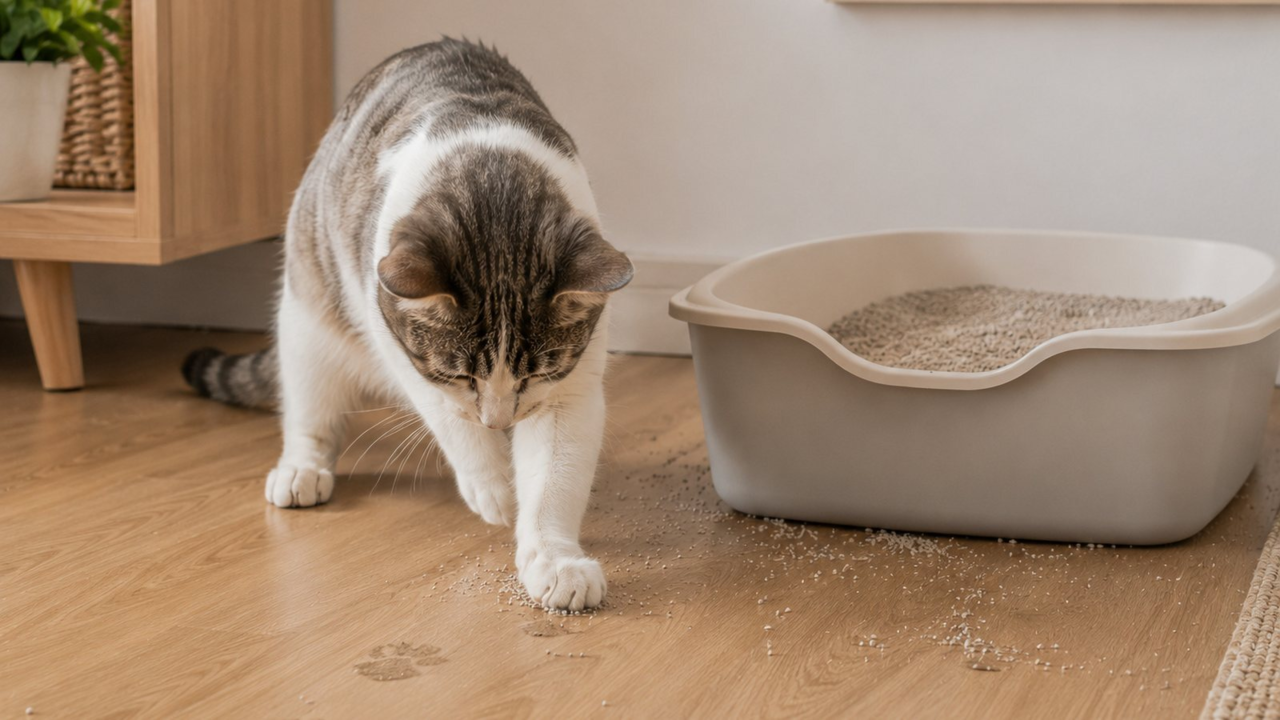
Cat litter has a habit of travelling well beyond the tray. Fine grains cling to paws and fur, then appear across floors, rugs, furniture and sometimes even the bed. The good news is that you can usually cut down litter tracking without making your cat relearn their whole bathroom routine.
The most effective setup combines a suitable litter texture, a roomy tray, a long exit mat and a short daily clean. Start with one change at a time so your cat stays comfortable while you find the combination that works in your home.
Quick answer
To stop cat litter tracking, use a low-tracking litter with larger or heavier pieces, keep the litter layer at a sensible depth, place a trapping mat across the full exit route and choose a tray with enough room and higher sides. Scoop daily, shake or vacuum the mat often, and avoid changing the tray and litter at the same time.
Why cat litter gets tracked through the house
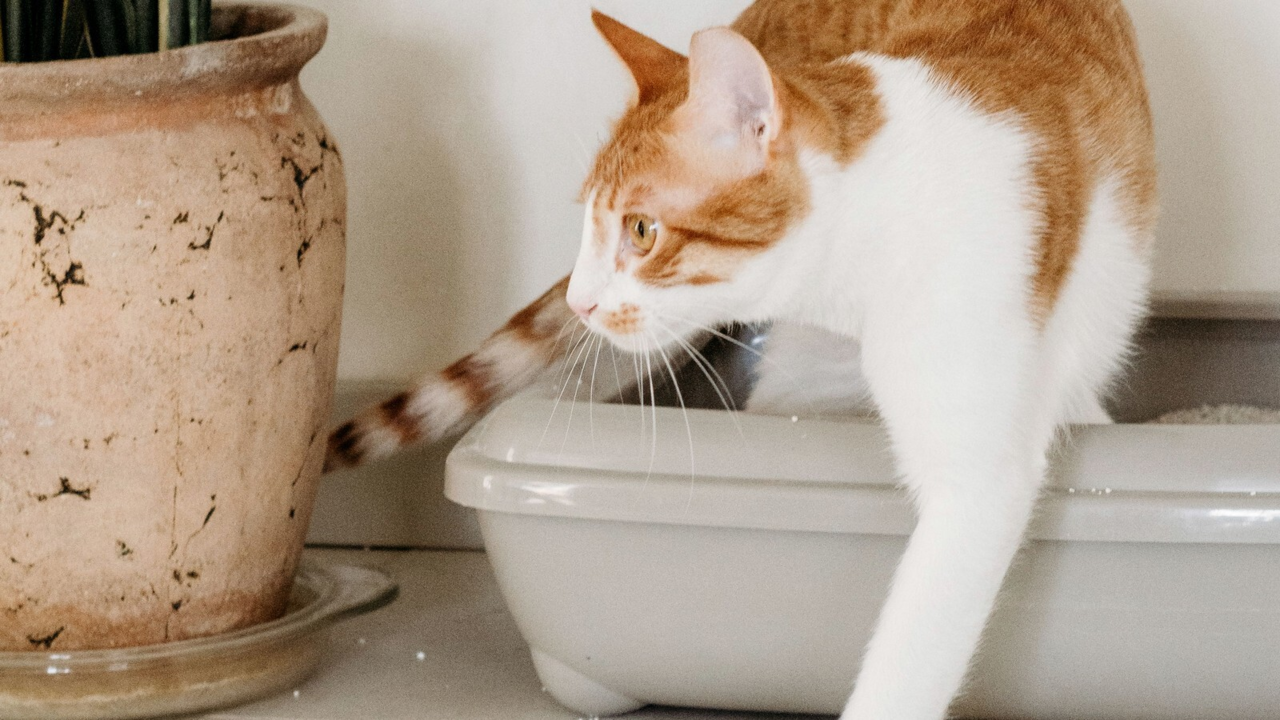
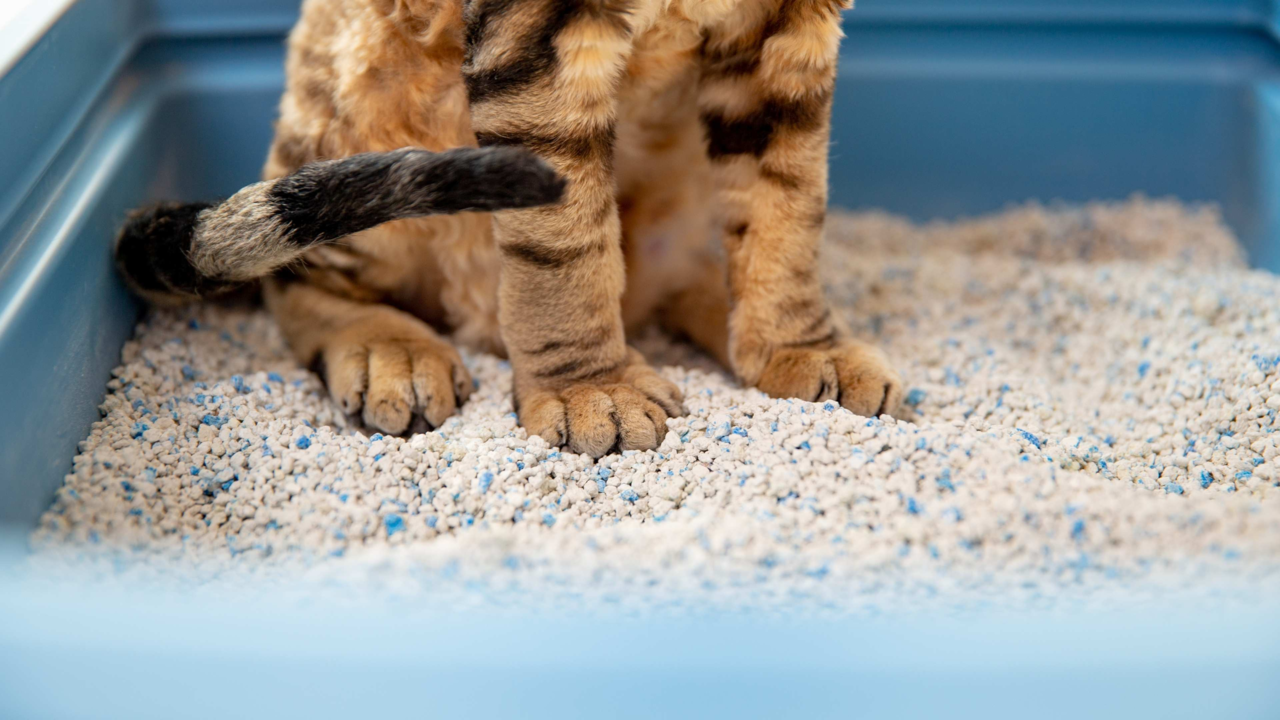
Most tracked litter leaves the tray in one of three ways. It sticks between paw pads, catches in longer fur, or gets kicked over the edge while your cat digs. Lightweight, fine litter tends to travel further because it clings easily and shifts under enthusiastic paws.
The room layout matters too. If your cat can leap straight from the tray onto a hard floor, loose pieces have no chance to fall away before they spread. A short mat placed beside rather than in front of the exit will also miss the main paw path.
| What you notice | Likely cause | First change to try |
|---|---|---|
| Fine grains across several rooms | Light litter clinging to paws or fur | Test a larger, heavier litter texture gradually |
| A pile beside the tray | Digging or an overfilled tray | Reduce the litter depth slightly or add higher sides |
| Litter beyond the mat | The exit path is too short or misses the mat | Turn or extend the mat so every step crosses it |
Choose a lower-tracking litter
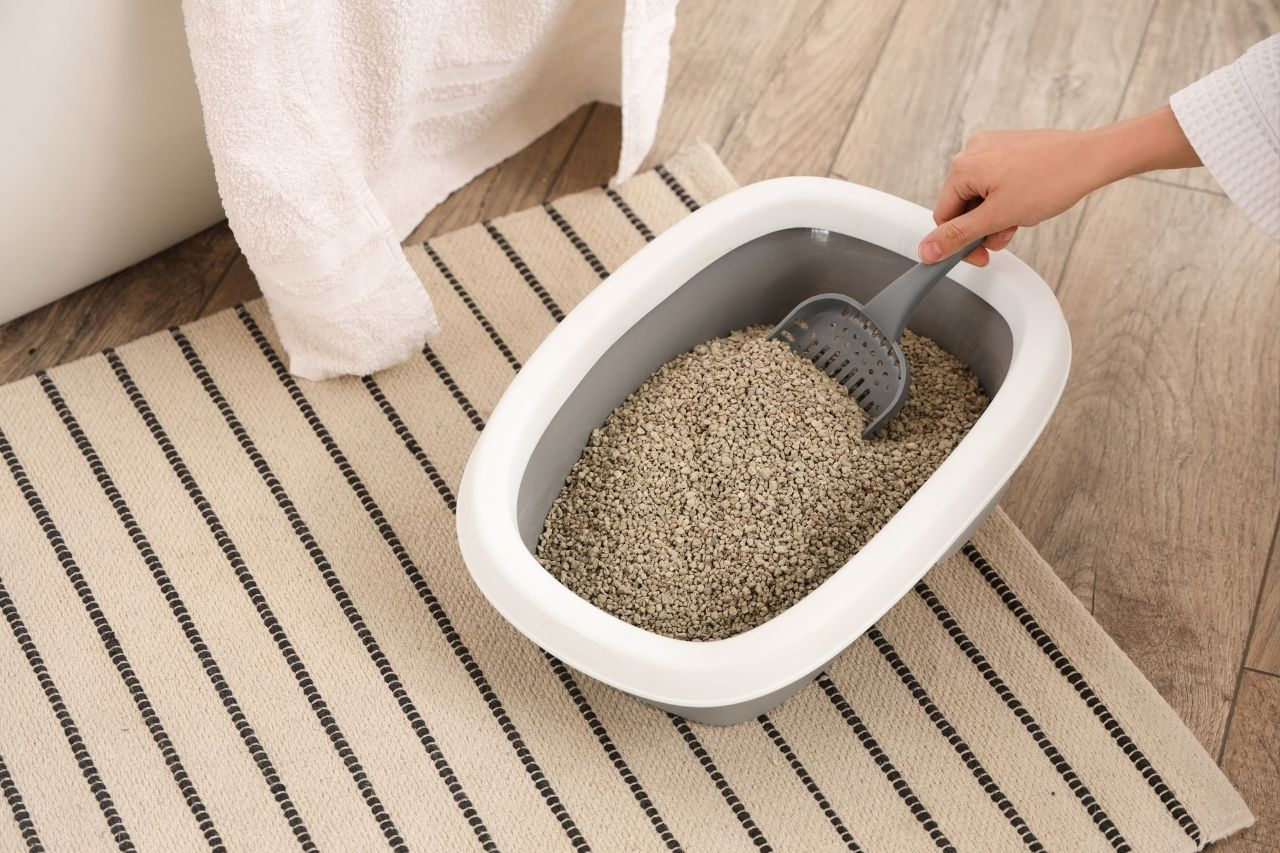
Larger pellets and heavier granules are generally less likely to cling than very fine, lightweight particles. A paper pellet option such as Breeder Celect Recycled Paper Cat Litter can be useful when your main goal is reducing the amount carried away on paws. It also makes escaped pieces easy to see and sweep up.
Texture still needs to suit your cat. Some cats strongly prefer the feel of their current litter, so change gradually by mixing a small amount of the new litter into the old and increasing it over several refreshes. Keep the tray location and style familiar during the transition.
Keep the litter depth practical
Too much litter gives keen diggers more material to throw over the sides. Too little may make the tray less comfortable to use. Start with the product guidance, then make small adjustments based on how your cat digs and where the escaped litter is appearing.
Make the exit path do the work
A litter mat works best when your cat has to take several steps across it. Place it directly in front of the usual exit, with the longer edge running away from the tray. If your cat regularly jumps over it, move the tray so the surrounding wall or furniture creates a calm, obvious route across the mat.
Double-layer and textured surfaces help catch litter as paws open and close. The M-PETS Cat Litter Mat uses a double-layer format, while the All For Paws Go Fresh Cat Litter Trap Mat provides a textured landing area. The PetSafe ScoopFree Cat Litter Mat is another option for creating a dedicated catching zone outside the tray.
Use a tray that contains digging
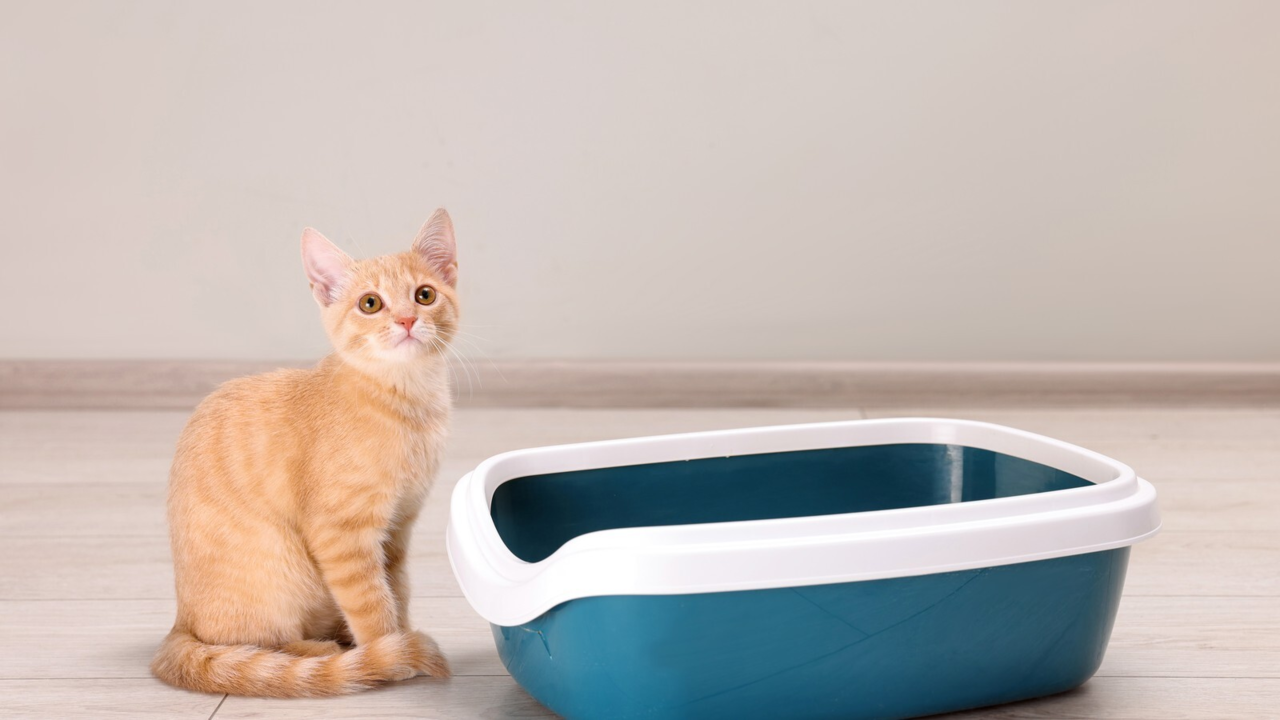
Your cat should be able to enter, turn around, dig and squat without feeling cramped. If litter is being kicked over one particular edge, a larger tray or higher-sided design can contain more of the scatter. The entrance should still be comfortable for your cat to step through.
The M-PETS Siwa Cat Litter Tray helps block litter around the back and sides. For cats that suit an open design, the Tidy Tails Odour Control Stainless Steel Cat Litter Tray provides a roomy, non-porous surface that is straightforward to clean. Pair either tray with a well-positioned mat rather than relying on the tray alone.
Build a five-minute clean routine
Scoop the tray
Remove clumps and waste daily. A tidy surface reduces extra digging and keeps your cat's bathroom area inviting.
Empty the mat
Shake trapped litter back into the tray only if it is clean, or dispose of it. Vacuum textured channels before they fill up.
Catch the first metre
Use a small handheld vacuum or dustpan around the tray. Removing loose pieces here stops them travelling on feet and paws.
Wash the mat and wipe the tray exterior as needed, following the product care instructions. Let everything dry before putting it back so damp litter does not stick to the surface or your cat's paws.
Set up multi-cat homes for less mess
In a multi-cat home, aim for one tray per cat plus one extra, spread across more than one location. Several cats rushing through one bathroom zone can push more litter onto the floor, while a shared mat may fill quickly. Give each tray its own clear exit path and check the busiest areas more often.
Avoid lining every tray up in one tight row. Separate locations give cats more choice and make it easier to see which tray, litter texture or mat position is creating the most tracking.
What to change first
- Move the existing mat into your cat's real exit path.
- Reduce an overfilled tray by a small amount.
- Extend the mat or switch to a stronger trapping texture.
- Try a larger or higher-sided tray if digging is the main cause.
- Transition slowly to a heavier litter if particles still cling to paws.
Give each adjustment a few days before judging it. Changing everything at once makes it hard to know what worked and may make a familiar tray setup feel unfamiliar to your cat.
Cat litter tracking FAQs
What type of cat litter tracks the least?
Larger, heavier pellets usually track less than very fine, lightweight grains. Your cat's preference matters, so transition gradually rather than replacing the full tray at once.
Do cat litter mats actually work?
Yes, when the mat covers the full route out of the tray. A textured or double-layer mat gives paws several chances to release trapped pieces before your cat reaches the floor.
How big should a litter mat be?
Choose a mat long enough for several steps and wide enough to cover the usual exit. If your cat jumps over it, adjust the tray angle or extend the landing area.
Will a covered litter box stop tracking?
A covered box may reduce litter kicked over the sides, but grains can still leave on paws through the doorway. It works best with a mat, and only if your cat is comfortable using a covered design.
Can I put less litter in the tray?
If the tray is overfilled, reducing the depth slightly may help. Keep enough litter for comfortable digging and follow the product guidance as your starting point.
Why does my long-haired cat track so much litter?
Fine pieces can catch in fur around the feet as well as between paw pads. A longer mat and a larger-particle litter can reduce how much travels beyond the tray.
How often should I clean the litter mat?
Empty or vacuum it whenever trapped litter starts building up, which may be daily in a busy home. Wash it as needed according to its care instructions and dry it fully before reuse.
Build a tidier litter setup
Compare trays, mats and litter accessories to create an exit route that catches more litter before it reaches the rest of your home.
Shop litter accessories