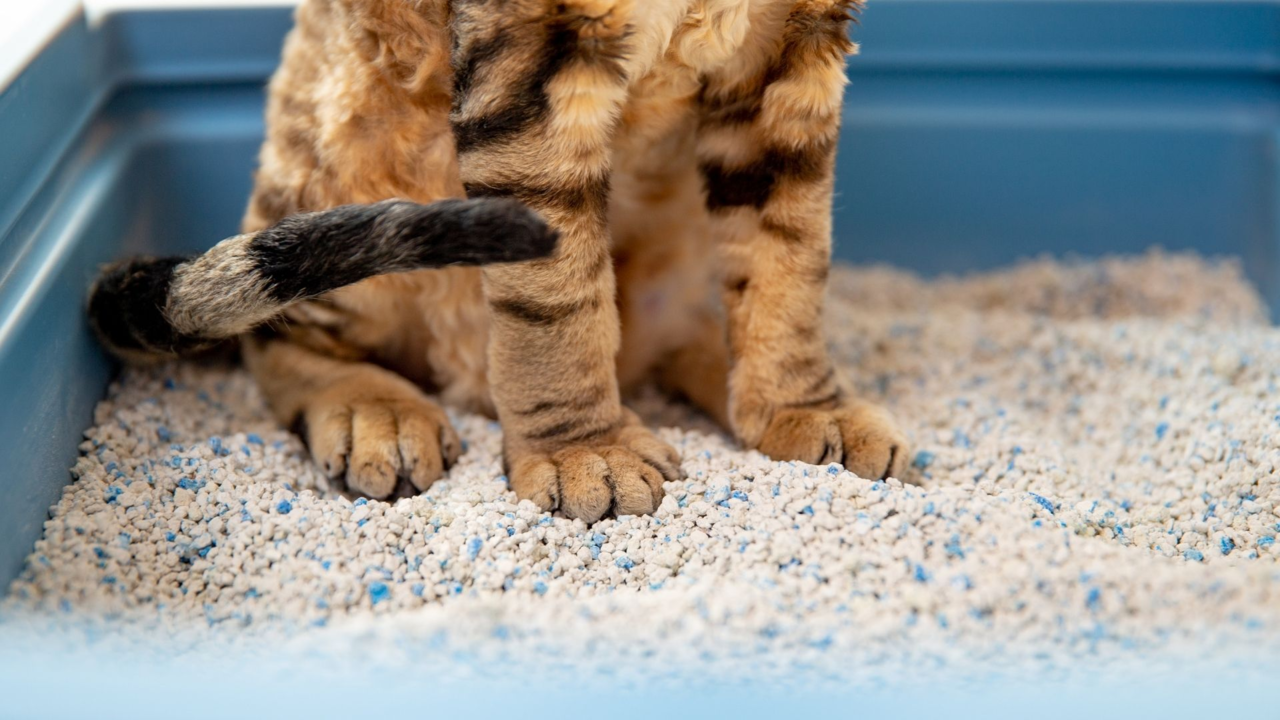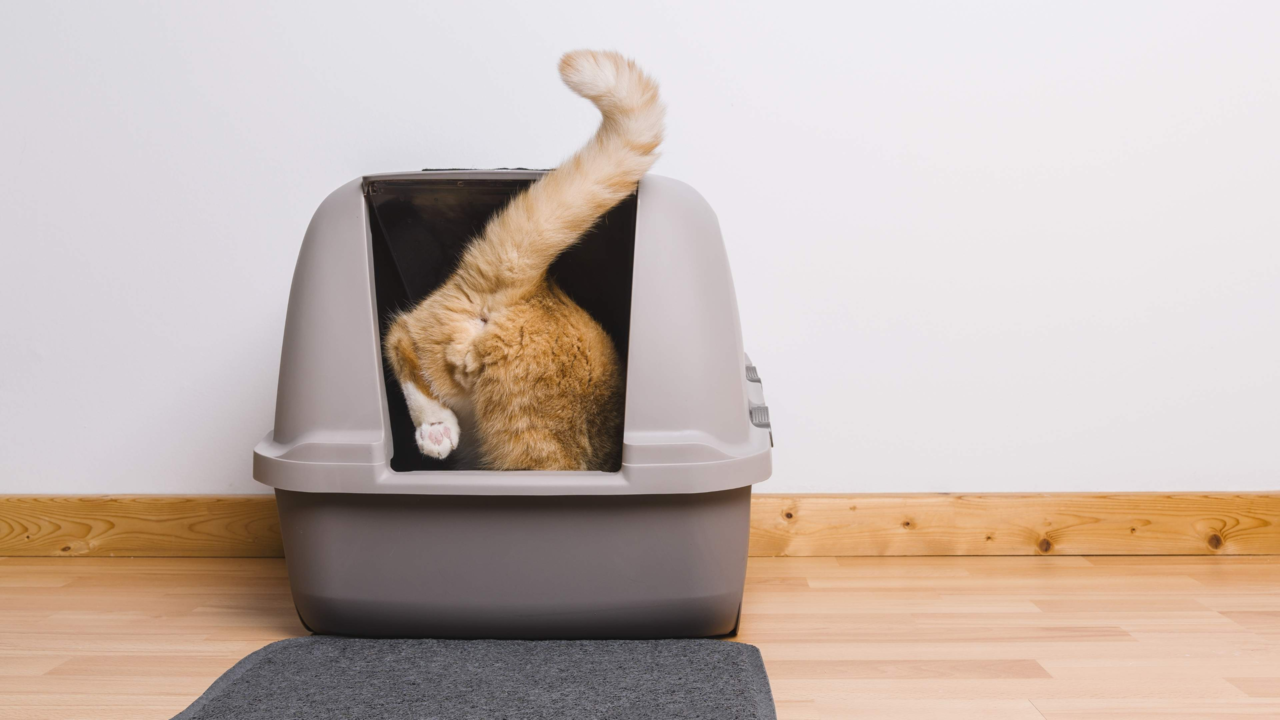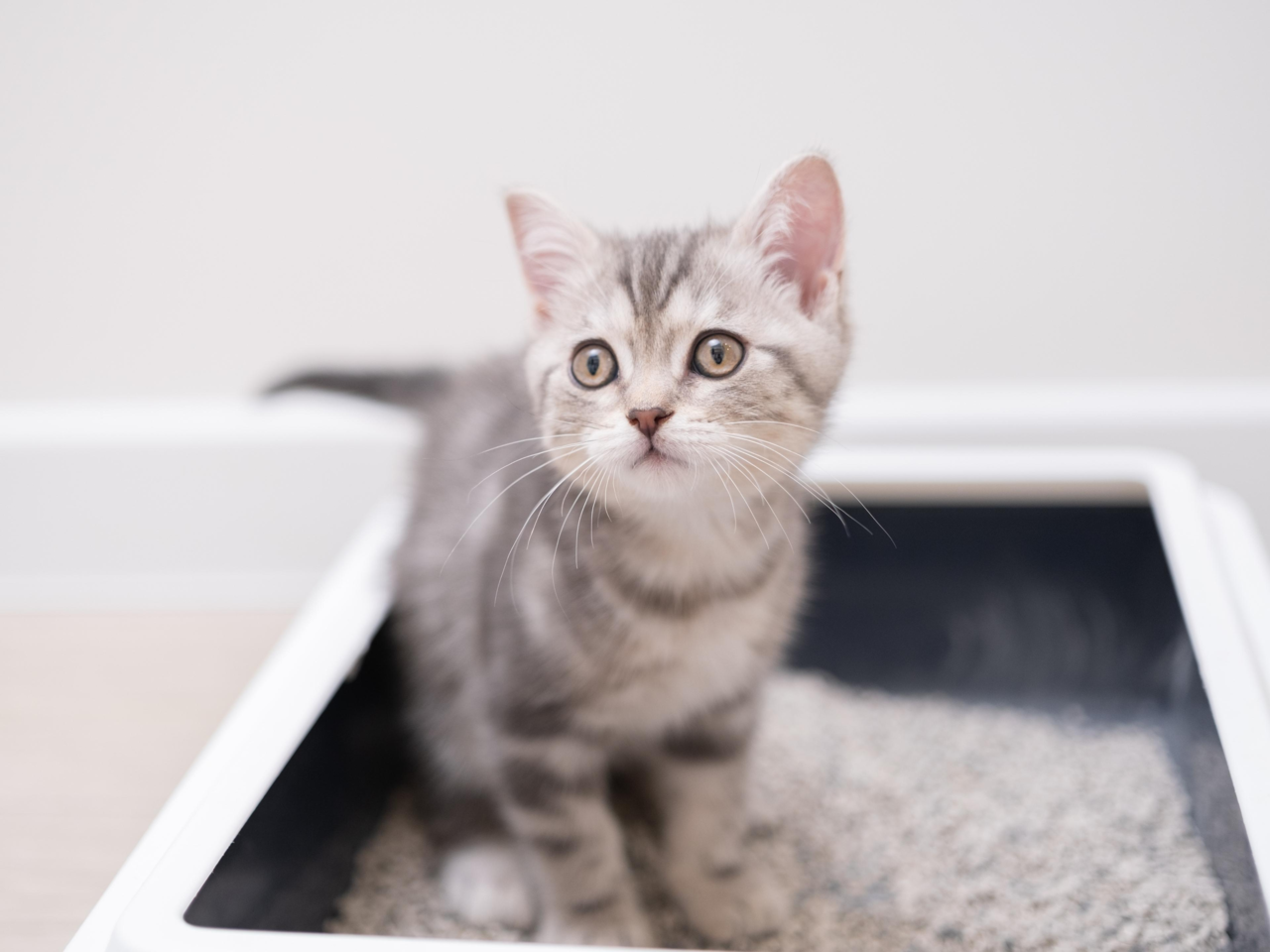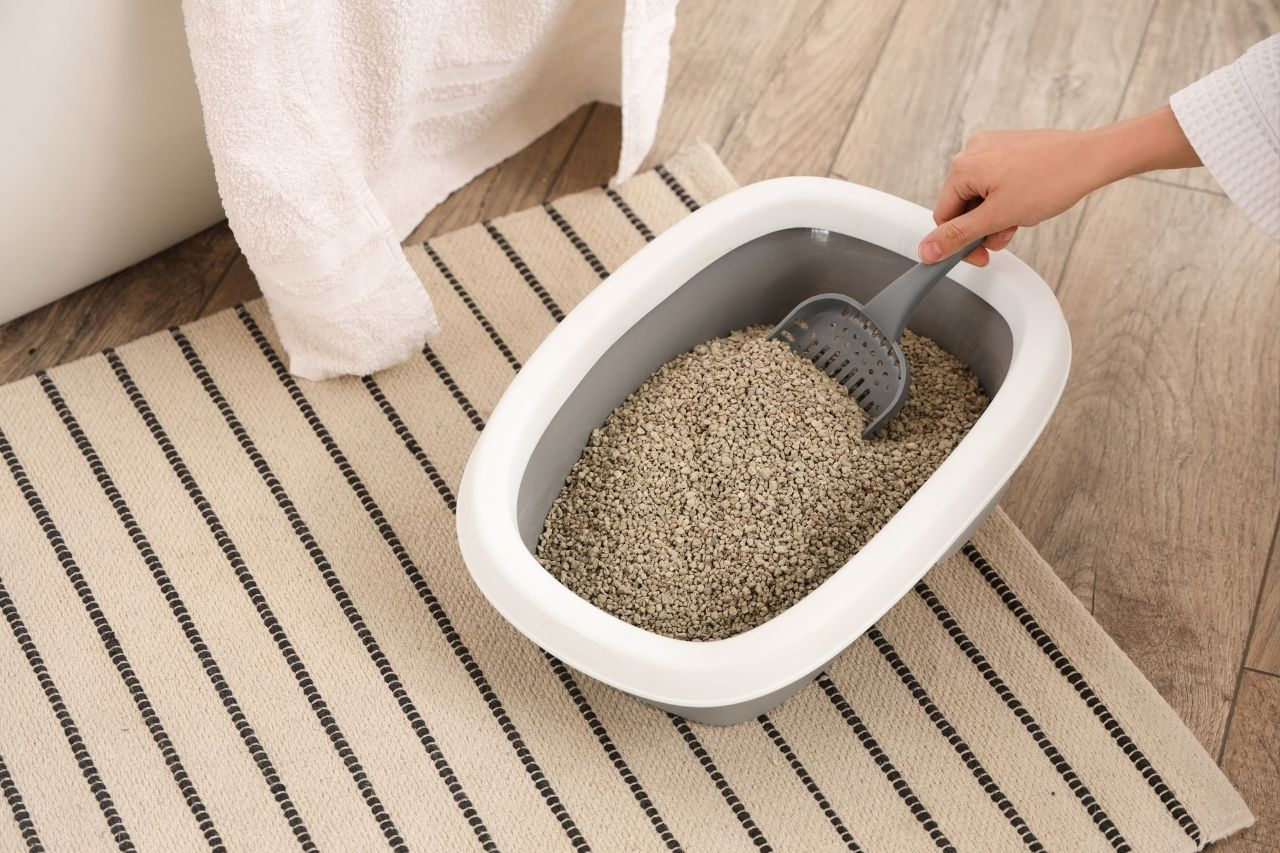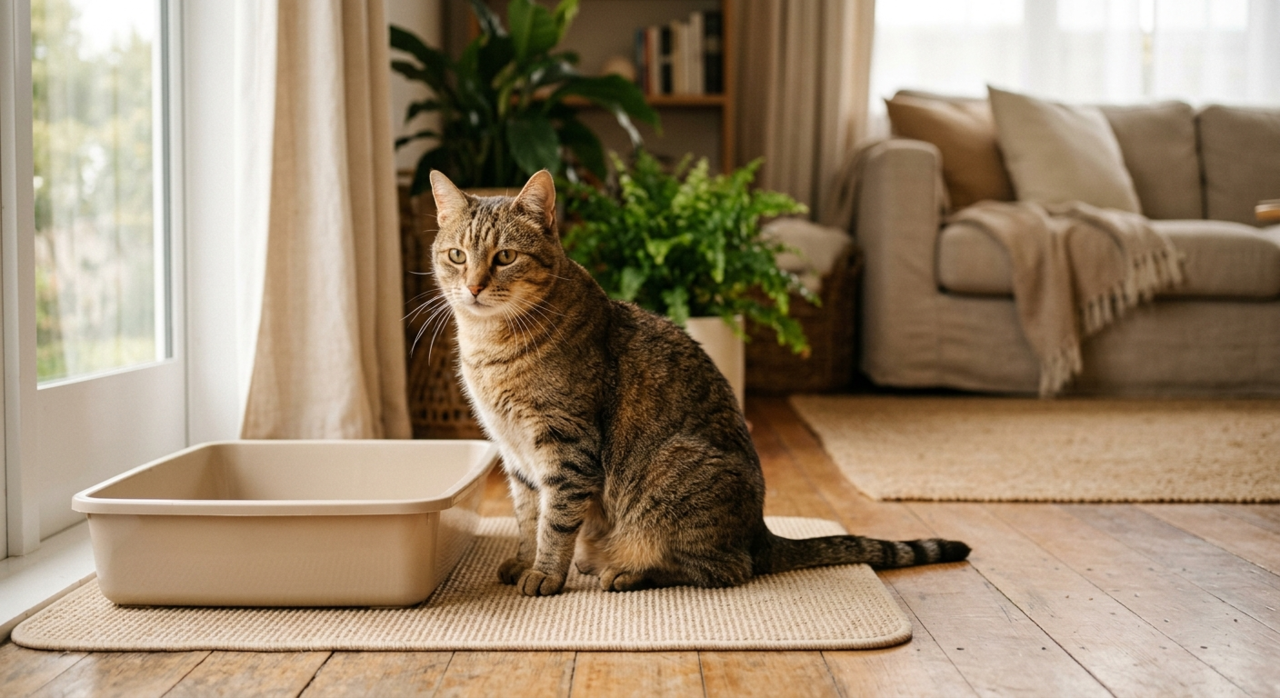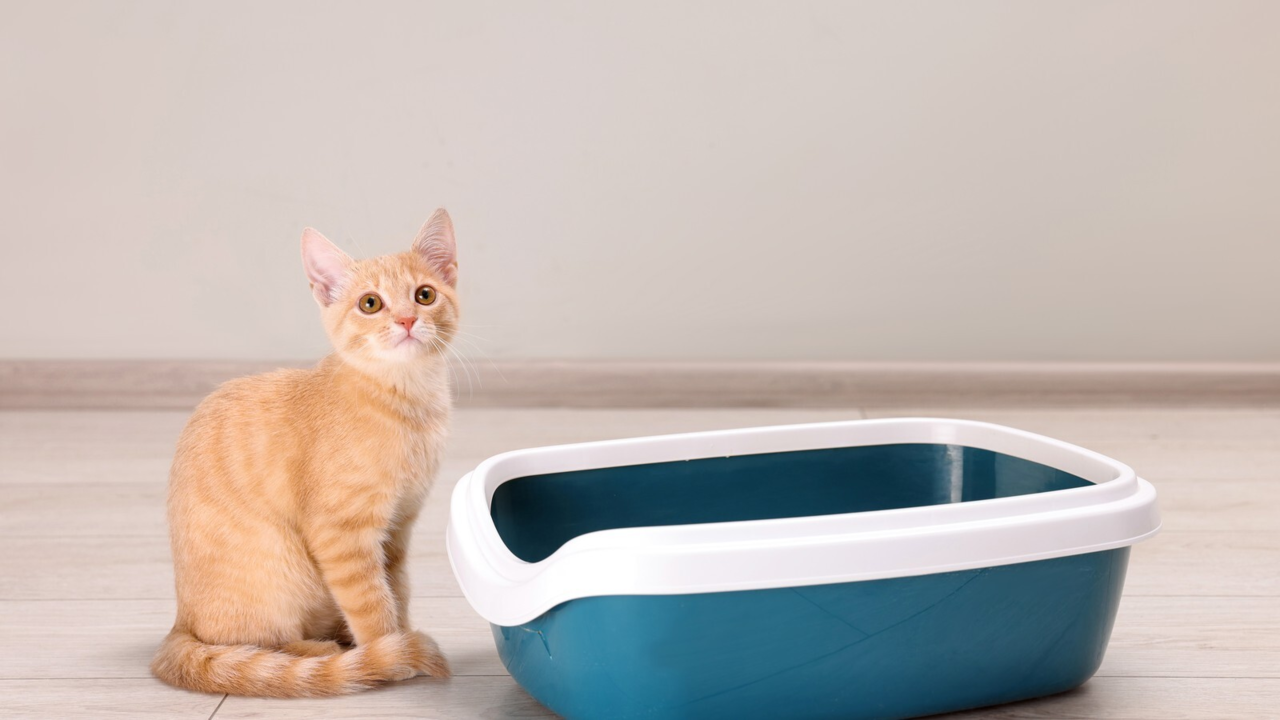
Covered and open litter boxes both work well, but not for every cat. The right choice depends on your cat's size, confidence, mobility, digging style and home environment. A hood may contain scatter and offer visual privacy, while an open tray gives a cat more room, airflow and awareness of what is happening around them.
Rather than looking for one universal winner, start with your cat's everyday needs. This guide compares the two designs, matches them to common cat profiles and helps you make a comfortable change without disrupting good litter habits.
Quick answer
Choose an open litter box for cats who value space, visibility and easy access, including many large, senior or cautious cats. Consider a covered box for cats who willingly enter enclosed spaces, vigorous diggers and homes that need better scatter containment. Whichever style you choose, make it roomy, keep it clean and offer another option if your cat seems reluctant.
Is a covered or open litter box better?
Neither design is automatically better. A roomy, clean box in a quiet location matters more than whether it has a hood. Start with the option that suits your cat's size and habits, then adjust if they seem hesitant or the setup is not working well for your home.
A covered box that stays unused is not a good fit, no matter how tidy it looks. It may feel cramped, stuffy or difficult to leave. An open tray may feel comfortable for your cat but send litter across the floor. In that case, a high-sided open tray can be the practical middle ground.
| Cat or household profile | Good starting option | Why it may suit | Feature to prioritise |
|---|---|---|---|
| Large or long-bodied cat | Open tray | More turning room and fewer height restrictions | Extra-large footprint |
| Senior cat or cat with limited mobility | Open tray | Easy entry and no door flap to push through | Low entrance with stable sides |
| Vigorous digger or litter kicker | Covered or high-sided open box | Better scatter containment | Roomy interior and wide entrance |
| Cautious cat in a multi-cat home | Open tray | Clear sightlines and more ways to leave | Quiet location with no ambush points |
| Confident cat in a calm single-cat home | Either style | The cat can choose based on comfort | Size, cleanliness and familiar litter |
| Small home with the box in view | Covered box | Contains litter and reduces the visual impact | Ventilation and frequent scooping |
Choose an open box for space and visibility
Open trays are simple, easy to inspect and usually offer the least restricted entry. They can be especially useful for a Maine Coon or another large cat, because there is no hood limiting headroom or turning space. They also make it easier for a senior cat to step in, provided the entrance is low enough.
Visibility matters in busy or multi-cat homes. A cautious cat may want to scan the room before toileting and see a clear path out. With a covered box, another cat can wait near the single entrance. An open box placed away from narrow corners offers more awareness and can feel less like a trap.
The trade-off is containment. Low trays allow more litter to escape when a cat digs enthusiastically. If your cat likes an open view but sends litter flying, try a high-sided open tray. It keeps the upper area uncovered while adding a useful barrier around the base.
Choose a covered box for containment and privacy
A covered litter box can suit a cat who already enjoys enclosed beds, cardboard boxes and quiet hideaways. It can also help a vigorous digger by keeping more litter inside, and it creates a visual screen when the box must sit in a visible part of the home.
Privacy is only helpful if the cat feels secure. In a multi-cat household, a hood may block sightlines and leave one obvious exit. Covered boxes can also hold odours close to the litter. People may notice less smell in the room, but the cat experiences it inside the box. Scoop at least daily and give the interior enough airflow.
Remove a swinging door flap during the introduction if your cat seems unsure. Check that the opening is wide enough and the hood is tall enough for a full turn without crouching. If your cat enters halfway, reverses out or starts choosing another surface, the box may feel too restrictive.
Automatic boxes are a separate choice
Many automatic litter boxes are enclosed, but the cleaning mechanism, movement and sound add another layer to the decision. Keep the old tray available while your cat investigates, and never force them inside. Check the product's size and safety guidance before choosing one for a kitten or very small cat.
Make size the deciding factor
A generous box can make either design more appealing. As a practical guide, aim for a litter area around one and a half times your cat's body length, measured from nose to the base of the tail. Your cat should be able to enter, turn, dig and settle without their back, tail or whiskers pressing against the sides.
Check the entrance
A low step helps kittens, senior cats and cats with limited mobility. A wide opening is useful for larger bodies and cats that dislike squeezing through small spaces.
Check the turning room
Look at the usable floor area, not only the outside dimensions. Curved corners, internal mechanisms and sloping walls can reduce the space available.
Check the height
For covered boxes, your cat should stand naturally and turn without crouching. If the roof brushes their back, move up a size or remove the hood.
Make a new litter box feel familiar
If you change box styles, keep the introduction calm and familiar. Avoid replacing the box, litter and location all at once.
Keep the current box available
Place the new option in a quiet, easy-to-reach spot while leaving the familiar box in place. Your cat can investigate without losing a trusted toileting area.
Use the same familiar litter
Add the litter your cat already knows at their usual depth. Familiar texture and scent can make the new box feel less different.
Make entry easy
Leave the flap off a covered box at first, keep the route clear and give your cat time to explore. Never place them inside or block the exit.
Follow your cat's lead
A relaxed entry, comfortable turn and unhurried exit are good signs. If your cat avoids the new box, return to the style they use confidently and try a roomier option.
Build a setup your cat will keep using
For multi-cat households, start with one litter box per cat plus one extra, spread across separate areas. Two boxes beside each other can feel like one toileting station, so give cats options in different parts of the home. Keep boxes away from food and water, noisy appliances, busy walkways and spots where an outdoor cat can stare through a window.
Many cats prefer a fine, unscented litter and enough depth to dig without sinking. Scoop at least daily, top up as needed and wash the empty box with hot water and a mild detergent. Strong fragrances may make the box less inviting, while harsh cleaners can leave residues and smells.
Your litter box setup checklist
- Choose the box shape that matches your cat's size, mobility and confidence.
- Add a high-sided design or hood only if your cat accepts it and you need more scatter control.
- Keep a scoop, liner or litter mat close by so daily maintenance is easy.
- Reassess the setup whenever your cat's age, mobility or household environment changes.
Do not ignore a sudden toileting change
If a cat who normally uses the box starts straining, urinating frequently, crying, producing very little urine or avoiding every available tray, treat it as a health concern rather than a design preference. Prompt professional advice is especially important when a cat appears unable to pass urine.
Frequently asked questions
Do cats prefer covered or uncovered litter boxes?
Many cats will use either when the box is large, clean and well placed. If your cat is unsure about a new covered design, keep their familiar open tray available while they settle in.
Are covered litter boxes better for smell?
A hood may contain odour in the room, but that means smells can build up inside the box. Frequent scooping and good airflow matter more than hiding the litter area.
Are open litter boxes better for senior cats?
Often, yes. An open tray with a low entrance removes the need to push through a flap or step over a high doorway. Choose a stable tray with enough room to turn comfortably.
What is the best litter box for a Maine Coon?
Start with an extra-large open tray or a very roomy covered box. Focus on usable floor space and turning room rather than the label on the packaging.
Can I remove the door from a covered litter box?
Yes. Removing the flap can improve airflow and make the entrance less intimidating. It is a useful first step when introducing a cat to a hooded design.
How many litter boxes do two cats need?
Start with three boxes, following the one-per-cat-plus-one-extra guide. Place them in separate areas so each cat can reach a box without passing the other.
How deep should cat litter be?
Around 3cm is a useful starting point for many cats. Adjust it if your cat clearly prefers more or less, while keeping enough litter for comfortable digging and covering.
How do I stop litter scattering without a hood?
Try a high-sided open tray with a lower entrance, place a litter mat outside and avoid overfilling. This keeps the open view while containing more of the litter your cat kicks.
Find the right litter box for your cat
Compare open trays, high-sided designs and covered options, then choose the size and entry style that fits your cat's body and behaviour.
Shop cat litter boxes and accessories