Cats change as they get older, but not always in the ways we expect. The shift from playful adult to mellow senior doesn't happen overnight, and the signs are often subtle. Knowing roughly what changes and when helps you spot the difference between normal ageing and something that needs a closer look.
This is a plain-English guide to how cats age, broken down by life stage. No heavy science or guesswork, just the kind of everyday changes Kiwi cat owners notice, with simple tips on how to support your cat through each stage.
Cat Years vs Human Years: The Rough Guide
A popular rule of thumb says "7 cat years equals 1 human year", but that's not quite how it works. Cats age fastest in their first two years, then roughly four human years for every cat year after that.
| Cat age | Human equivalent | Life stage |
|---|---|---|
| 6 months | ~10 years | Kitten |
| 1 year | ~15 years | Adult |
| 2 years | ~24 years | Adult |
| 5 years | ~36 years | Adult |
| 7 years | ~44 years | Senior |
| 10 years | ~56 years | Senior |
| 14 years | ~72 years | Senior |
| 18 years | ~88 years | Senior |
Those human-year equivalents are averages. Indoor cats often age a bit more slowly than outdoor cats, and breed size plays a small role too, but this is a good starting point.
The Life Stages of a Cat: What to Expect
Rapid growth and learning
Kittens grow fast. In the first six months they do most of their physical growth, teething, learning to use the litter tray, and working out how to climb, hunt and socialise.
Common changes during this stage:
- Baby teeth come in around 3 to 4 weeks, adult teeth by around 6 months
- Very high energy levels and lots of play
- Rapid weight gain (double or triple birth weight in a few months)
- Reaching close to full adult size by around 1 year for most breeds
- Need for kitten-specific food, with a transition to adult food usually around 12 months
The settled adult years
These are the adult years you probably picture when you think of a cat. Fully grown, confident, with a clear personality and routine.
Common changes during this stage:
- Steady body weight (if diet and activity are balanced)
- Predictable sleep, play and eating patterns
- Less intense growth-stage energy, more consistent behaviour
- Indoor cats can become prone to weight gain if portions are not managed
Start of the ageing shift (from around 7)
From around 7, your cat is considered senior. Most cat food brands mark 7 as the start of their senior or 7+ range, and for good reason: subtle changes begin even when cats still look and act young.
Common changes early in the senior years:
- A slightly slower metabolism
- Gradual shifts in sleep patterns (more naps, slightly shorter play bursts)
- Early ageing signs like a duller coat or mild weight changes
- Dental build-up becomes more noticeable if not kept on top of
- Many cats benefit from a senior food transition around this stage
The later senior years (from around 11)
Further into the senior years, most owners notice a real shift in energy, activity and mealtime preferences.
Common changes during the later senior years:
- Noticeably less playful, though short bursts still happen
- Joints may stiffen, especially after long sleeps
- Grooming may drop off, leading to a scruffier coat
- More interest in warm, quiet spots
- Some cats develop thirst changes (drinking more or less than usual)
The elder years (15+)
Cats in their mid-teens and beyond are living longer than ever, especially indoor cats. This part of the senior years is about comfort, routine and gentle care.
Common changes during the elder years:
- A much slower pace of life and longer sleep periods
- Increased need for warmth and soft places to rest
- Easier-to-chew food often becomes important
- Some cats become more vocal, especially at night
- Regular health check-ins become even more valuable
What Actually Changes as Cats Age?
Under all the stage talk, a few everyday things start to shift as cats get older. Here's what you might notice:
Metabolism slows down
Older cats burn energy more slowly. If you keep feeding the same portions, some will put on weight. Others do the opposite and start losing weight, often because of dental or appetite changes.
Joints become less springy
You'll see this in longer pauses before jumping, hesitation at the cat flap, or less enthusiasm for heights they used to love. Joint support becomes more important.
Senses shift
Eyesight, hearing and sense of smell can all fade gradually. Cats may become more startled, more vocal (especially at night), or less interested in food they don't recognise by smell.
Skin and coat change
Coats often become duller or drier, and skin can thin and lose elasticity. Less grooming plays a part too. A gentle brush a few times a week helps.
Dental health matters more
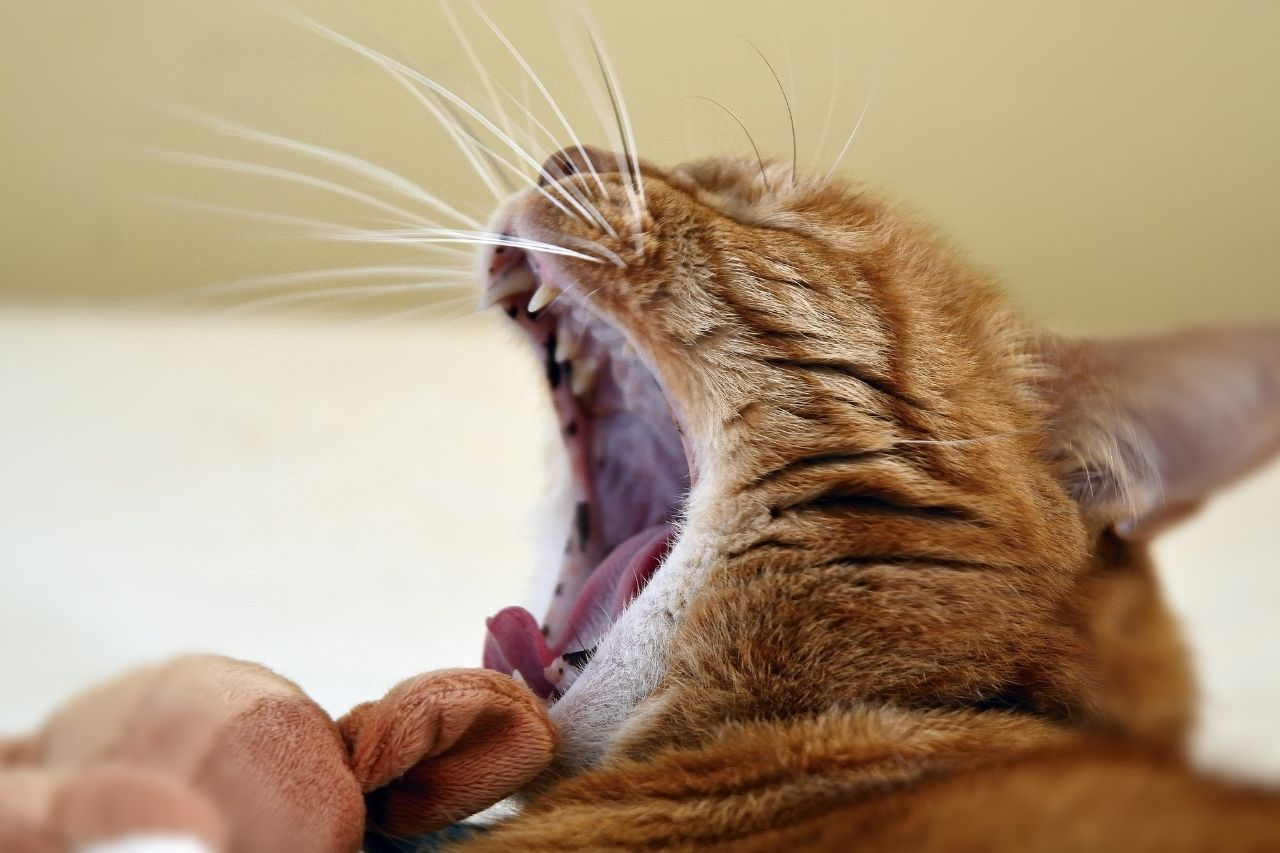
Plaque builds up over time, so senior cats are more likely to have gum issues. Signs can be subtle: dropping food, bad breath, or chewing on one side.
Sleep becomes sacred
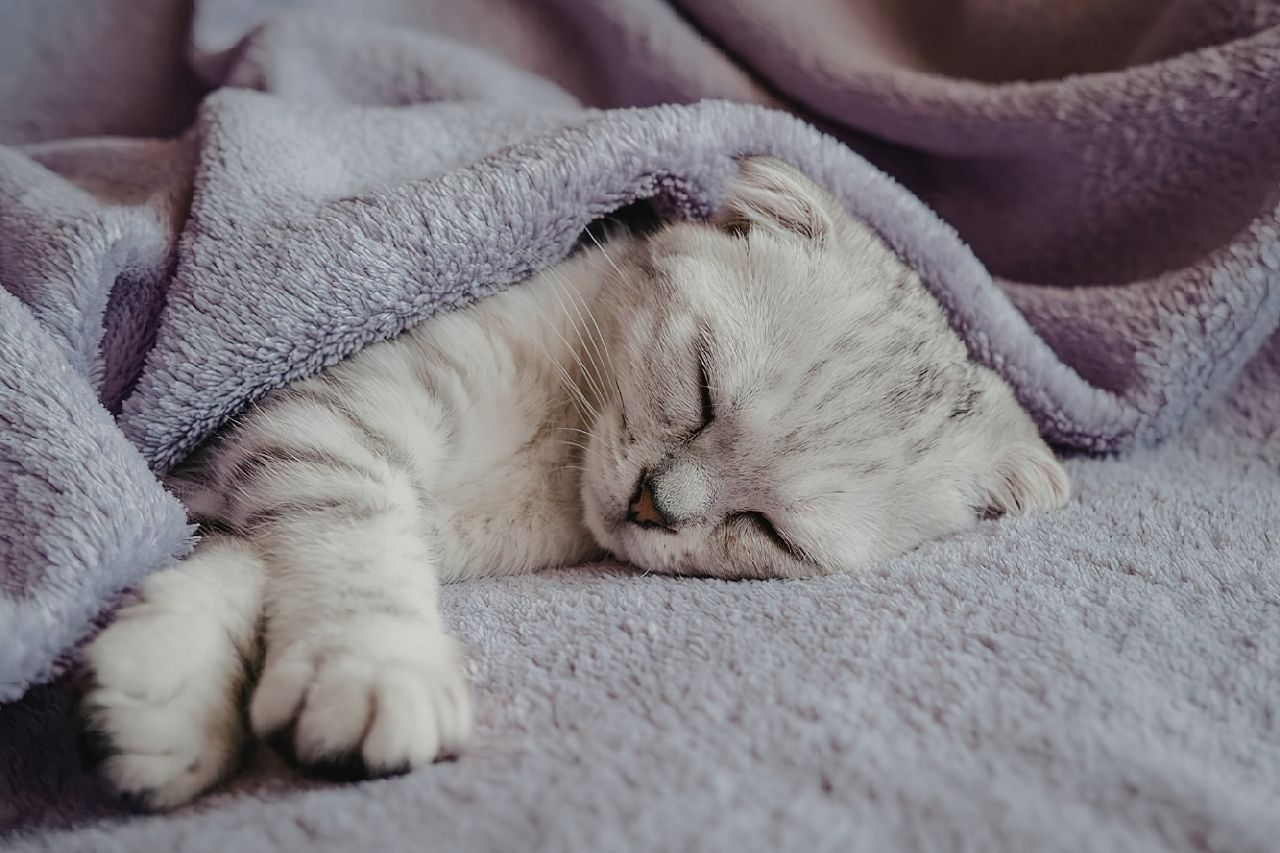
Healthy senior cats often sleep 16 to 20 hours a day. Soft, warm spots become even more important, and interrupted sleep can affect their mood.
Hydration becomes trickier
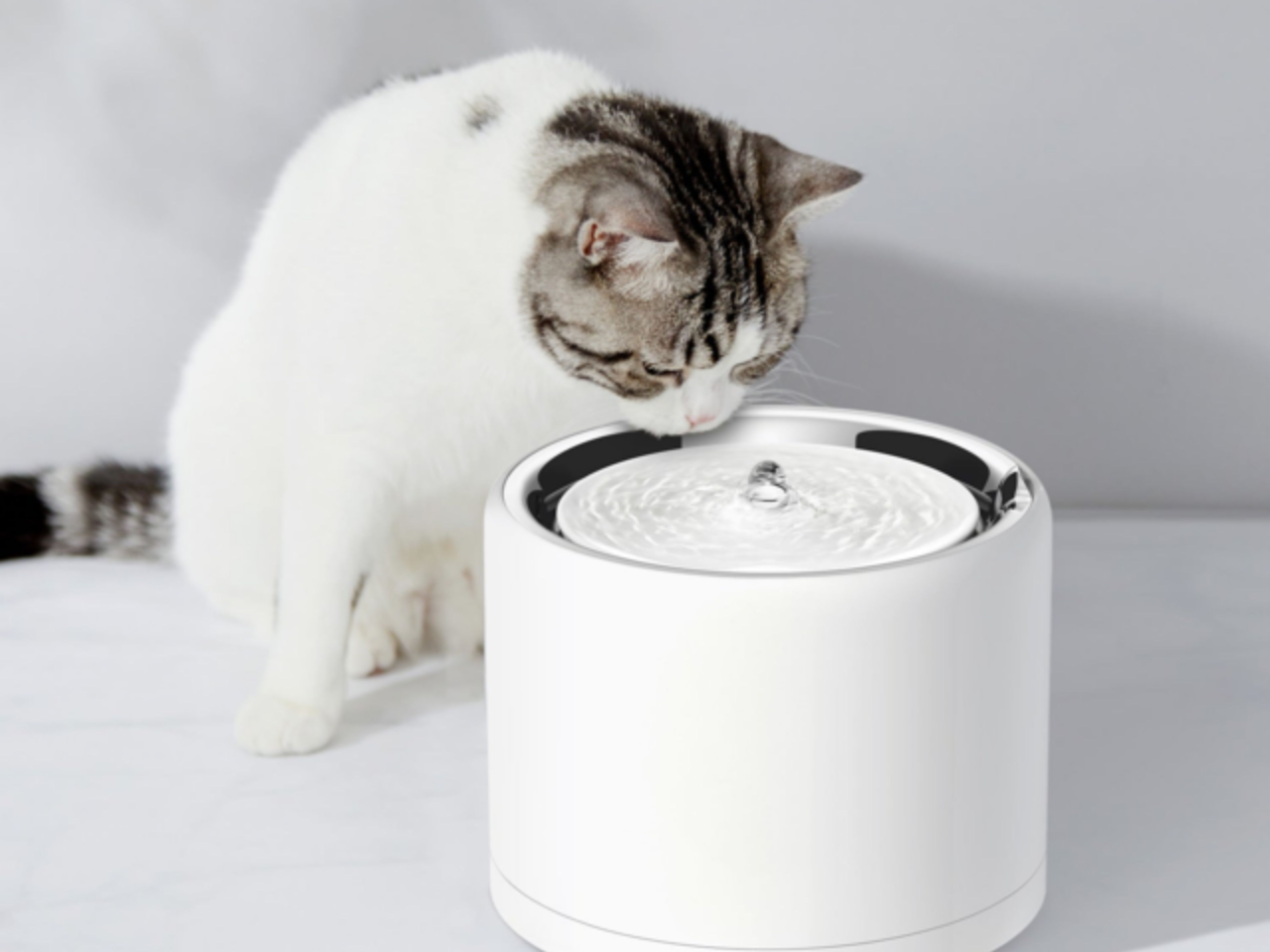
Some older cats drink less than they used to, others much more. Keeping fresh water handy and adding wet food to their routine is a simple way to keep hydration steady.
Behaviour can mellow
Most cats become more routine-driven, more cuddly, and less interested in change. A quiet, predictable environment often suits them better than it used to.
Weight monitoring matters more
A quick weekly weigh-in (pick them up and step on the scales) helps spot weight changes early, which is often one of the first clues that something's shifting.
How to Support Your Cat as They Age
Different stages need slightly different support. Here are the essentials that help most senior cats stay happy and comfortable.
A senior-appropriate food, a joint supplement where needed, and plenty of soft, warm resting spots go a long way. Our senior cat nutritional needs guide dives deeper into the food shift.
When to Get Your Cat Checked
Cats often hide discomfort, so regular check-ins matter more as they age. It's worth a quick look or a professional check if you spot:
- Unexplained weight loss or gain
- Drinking noticeably more or less water than usual
- Bad breath, drooling, or dropping food while eating
- Hesitation to jump, changes in gait, or stiffness that doesn't ease
- Coat going dull, greasy or patchy
- Night-time vocalising or restlessness that's new
- Sleeping way more (or much less) than before
One of these on its own isn't necessarily urgent. Two or more together, or anything that's worsening, is a good reason to book a check.
Frequently Asked Questions
At what age is a cat considered senior?
Cats are generally considered senior from around 7 years of age. Needs keep changing across the senior years, with the later senior years from around 11 often calling for gentler, easy-to-digest nutrition. The exact timing varies a bit by breed and lifestyle.
Do indoor cats age differently to outdoor cats?
Indoor cats generally age a bit more slowly and tend to live longer on average. That's partly because they face fewer hazards and partly because indoor life is more predictable. Outdoor cats often show wear and tear earlier, especially on their teeth and joints.
How can I tell if my cat is ageing normally?
Gradual, gentle changes (slower pace, more sleep, mellower personality) are usually normal. Sudden shifts, weight changes, toilet habit changes, or anything that happens quickly are worth getting checked.
Should I change my cat's food as they age?
Many cats benefit from switching to a senior diet around age 7, with another shift to an 11+ formula as they move into the later senior years. Senior diets are usually easier to digest and tailored for a slower metabolism. Our senior food transition guide walks through how to swap safely.
How long do cats live?
Most cats live 12 to 18 years. Indoor cats often reach the higher end of that range, and well-cared-for cats can sometimes live into their early 20s. Breed, lifestyle and everyday care all play a role.
What's the biggest change I'll notice as my cat ages?
For most owners, it's the slow-down. Shorter play sessions, longer naps, and a quieter, more routine-driven cat. Everything else tends to show up more gradually, so small changes over months are more common than sudden shifts.
Support Your Cat Through Every Stage
From kitten to the senior years, the right food, supplements and comforts make every stage easier. Save with Autodeliver and enjoy everyday member pricing with Pet Perks.
SHOP SENIOR CAT FOODRelated Reading
6 Subtle Signs Your Cat Is Entering Their Senior Years
How a Senior Cat's Nutritional Needs Differ From an Adult Cat's
Best Food for Senior Cats in New Zealand
Joint Care for Senior Cats: Supplements and Support Options
Hydration Tips for Senior Cats and Dogs
Dental Care for Senior Cats: Prevention, Products and Tips