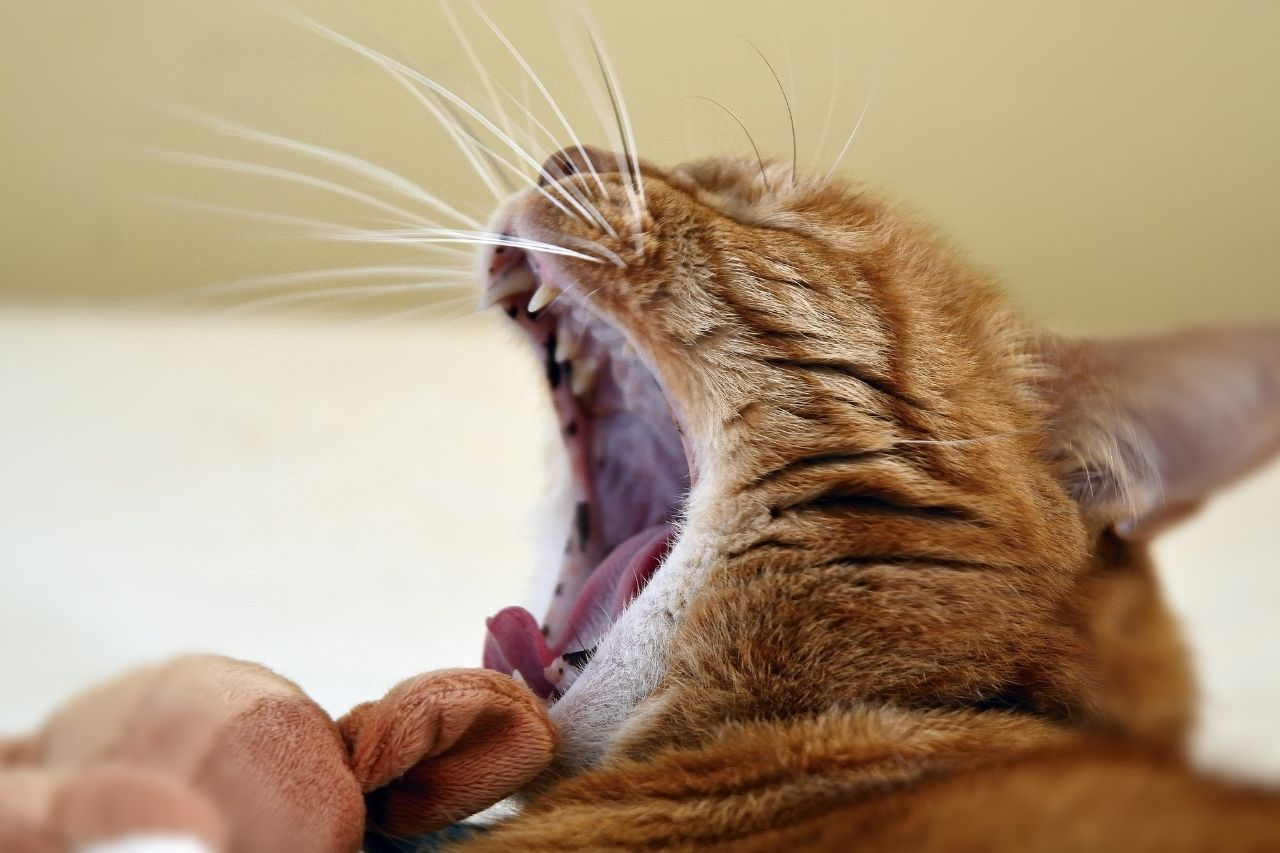
Dental care is one of the most overlooked parts of caring for a senior cat. Unlike dogs, cats rarely show obvious signs that their teeth are bothering them, so problems can go unnoticed for months or even years. By the time you spot bad breath, a sore mouth, or changes in how your cat eats, things are often well underway.
The good news is that prevention is very doable, even for cats who aren't keen on a toothbrush. This guide covers why dental care matters more as your cat gets older, what to look out for, and the products that can help keep their mouth healthier for longer.
Why Dental Care Matters More for Senior Cats
Plaque and tartar build up over time
Without regular cleaning, plaque hardens into tartar within days. Tartar builds up year after year, which is why senior cats so often have more dental issues than younger cats.
Gum disease is common
Gum disease (gingivitis and periodontal disease) is one of the most common health issues in senior cats. It can cause pain, tooth loss, and affect your cat's appetite and wellbeing.
Cats hide pain well
Even when their mouth is sore, most cats will keep eating and behaving normally. That makes regular at-home checks and a good preventive routine really important.
Oral health affects the whole body
Healthy teeth and gums help your cat eat comfortably, stay well nourished, and feel their best. Looking after their mouth is part of looking after their overall health.
Prevention is easier than treatment
A daily dental routine is far gentler (and less expensive) than needing a full dental clean under anaesthetic later. Starting early makes a real difference.
It makes everyday life nicer
A fresher mouth means better breath, better meals, and a more comfortable cat. For both of you, it's a win.
Signs Your Senior Cat Might Have a Dental Problem
Because cats are so good at hiding discomfort, dental issues often show up as subtle everyday changes. Keep an eye out for:
- Bad breath that's stronger than usual
- Yellow or brown build-up on the teeth
- Red, swollen, or bleeding gums
- Dropping food, chewing on one side, or tilting the head while eating
- Pawing at the mouth or rubbing the face on furniture
- Drooling, sometimes with a bit of blood
- Eating less, avoiding dry food, or losing weight
- Not grooming as much as usual
Any of these can be worth getting looked at. Dental pain in cats is often treatable once it's picked up, and an early check can save a lot of discomfort later.
How to Prevent Dental Problems in Senior Cats
Brush their teeth if you can
Brushing is the most effective way to reduce plaque. Use a pet-safe toothpaste (never human toothpaste) and a soft brush or finger brush. Start slow with just a lick of paste and build up gradually.
Use dental treats regularly
Dental treats are shaped and textured to help scrape plaque as your cat chews. Greenies dental treats are one of the most popular choices in NZ and work well for daily use.
Add a water additive
Water additives go straight into your cat's drinking bowl and help freshen breath and reduce plaque with no fuss. Oxyfresh and TropiClean both offer additives that are safe for daily use.
Sprinkle a dental powder on food
If brushing isn't an option, a dental powder like Troy ProDen PlaqueOff sprinkled on meals is an easy, effective alternative. One scoop a day and you're done.
Choose a dental-friendly diet
Some dry foods are designed with larger, textured kibble to help reduce plaque as your cat chews. It's not a replacement for brushing, but it can be a helpful part of the routine.
Check their mouth regularly
Once a week, gently lift your cat's lip and have a look. Healthy gums should be pink and teeth should be clean and white. Anything unusual is worth following up on.
Top Dental Products for Senior Cats
Here are the most popular dental care options for senior cats in NZ, covering every approach from treats and powders to brushing kits.
Tips for Dental Care Success with a Senior Cat
Go slow with brushing
If your cat has never had their teeth brushed, don't start by sticking a toothbrush in their mouth. Begin with just letting them lick the toothpaste from your finger for a few days. Build up gradually.
Make it a positive experience
Pair dental time with a calm cuddle or a favourite treat afterwards. Even short sessions (30 seconds is fine) count, as long as they happen regularly.
Stack your routine
Combining a water additive or daily dental powder with weekly treats and occasional brushing is easier to stick with than one big daily routine.
Keep things gentle for older cats
Senior cats may have sore spots or existing dental issues. Be gentle, stop if they seem uncomfortable, and get any red or swollen areas looked at.
Don't use human products
Human toothpaste contains ingredients (like xylitol and fluoride) that aren't safe for cats. Always use a pet-specific toothpaste, gel, or water additive.
Keep up the routine, even when it's going well
Dental care works because it's consistent. A few weeks off can undo months of good work, so build it into something daily and regular.
Frequently Asked Questions
How often should I brush my senior cat's teeth?
Ideally every day or every other day for the best results. Realistically, even 2 to 3 times a week makes a noticeable difference. Something is better than nothing.
My cat hates having their teeth brushed. What else can I do?
Plenty. A water additive, a daily dental powder on food, and regular dental treats can all help reduce plaque without needing a toothbrush. You can build up slowly to brushing over time.
At what age should I start worrying about dental care in cats?
Ideally, dental care should start from kittenhood. If you're coming to it later, it's never too late. Start now and focus on prevention from here on in.
Do dental treats actually work?
Quality dental treats are designed with a shape and texture that helps scrape plaque off the teeth as your cat chews. They work best as part of a wider routine rather than on their own.
What are the signs my senior cat needs a dental clean?
Yellow or brown build-up on the teeth, red or bleeding gums, bad breath, and any signs of eating differently (dropping food, chewing on one side, or avoiding dry food) are all reasons to get their mouth looked at.
Is it safe to use human toothpaste on my cat?
No. Human toothpaste can contain ingredients that aren't safe for cats. Always use a toothpaste or gel labelled specifically for pets.
Shop Dental Care for Senior Cats
Find everything you need to build a simple daily dental routine for your senior cat. Save with Autodeliver on the essentials and enjoy everyday member pricing with Pet Perks.
SHOP CAT DENTAL CARERelated Reading
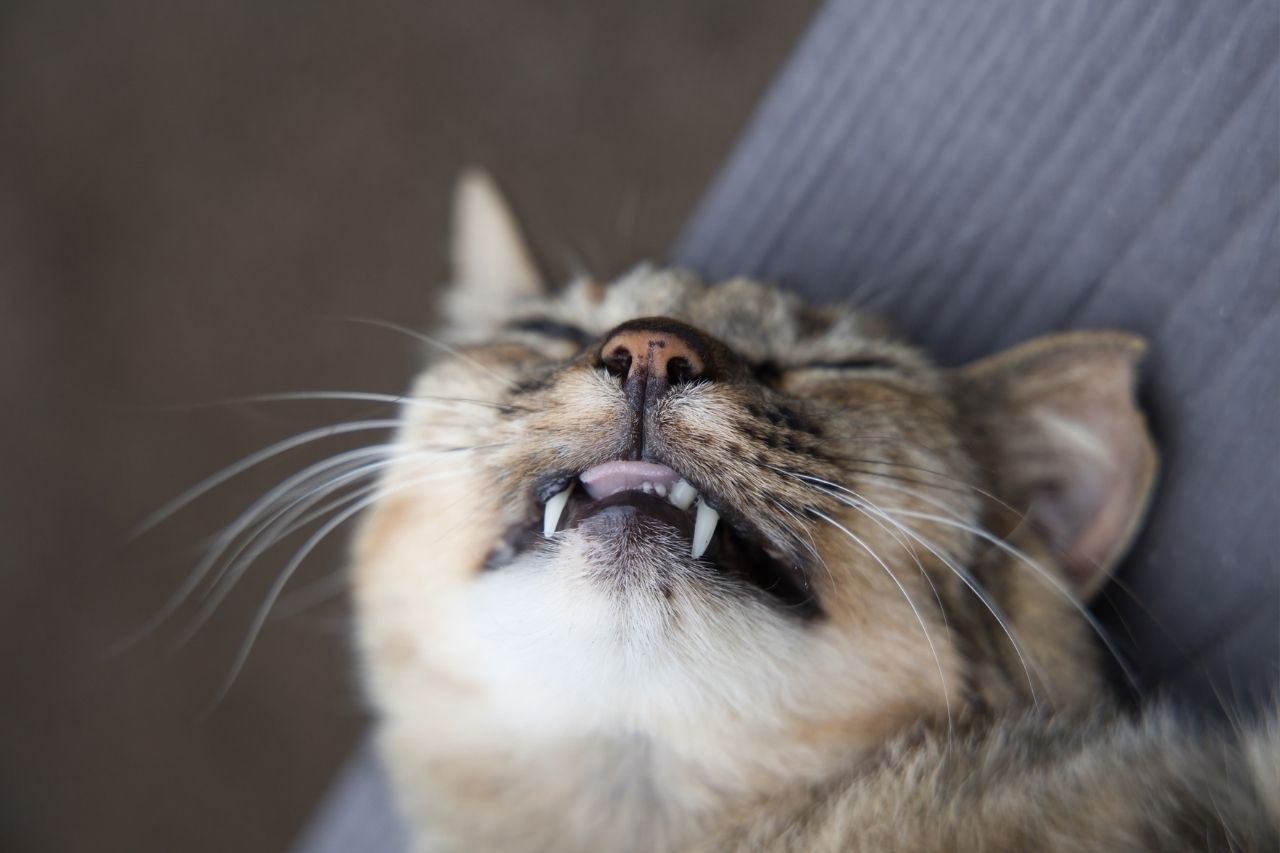
Bad Breath in Cats: Causes, Treatment and How to Prevent It
Best Food for Senior Cats in New Zealand
Joint Care for Senior Cats: Supplements and Support Options in NZ
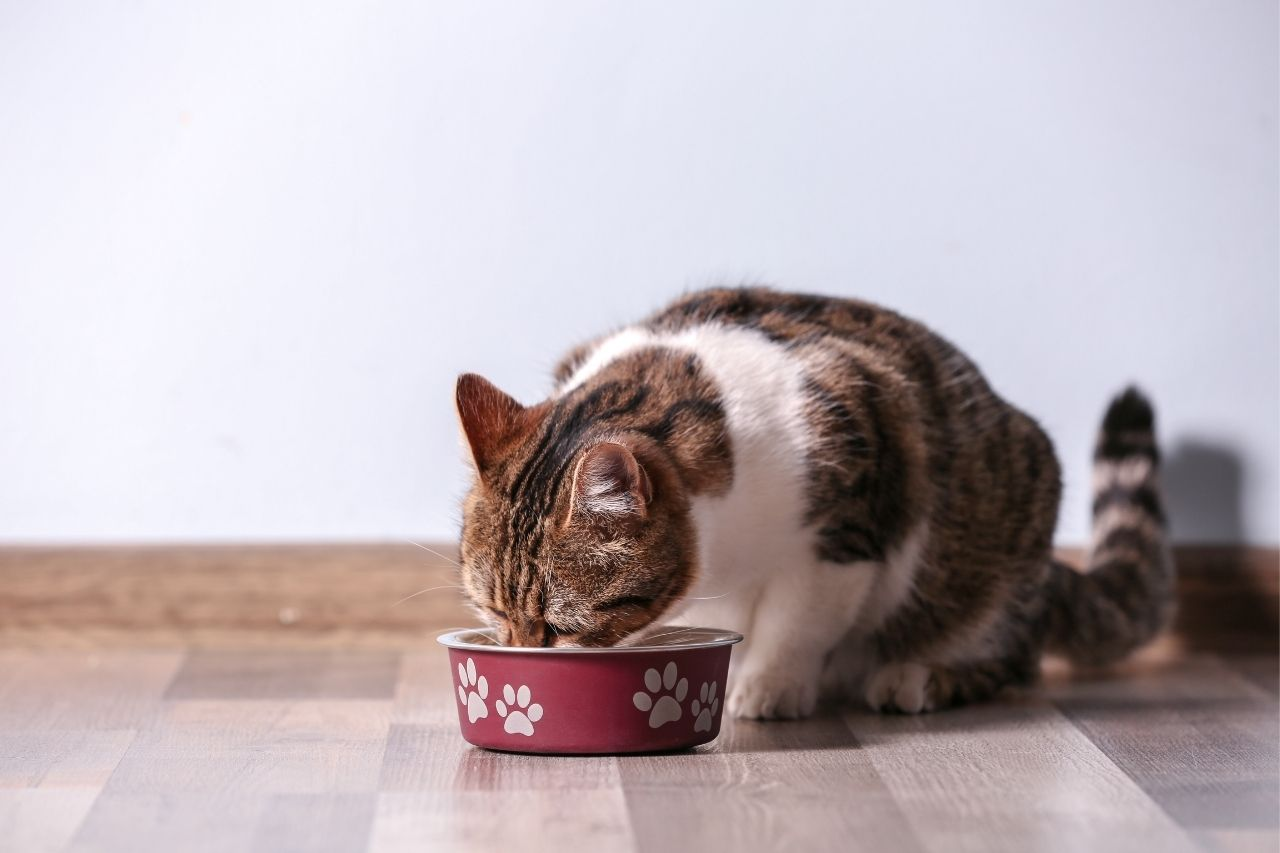
How a Senior Cat's Nutritional Needs Differ From an Adult Cat's
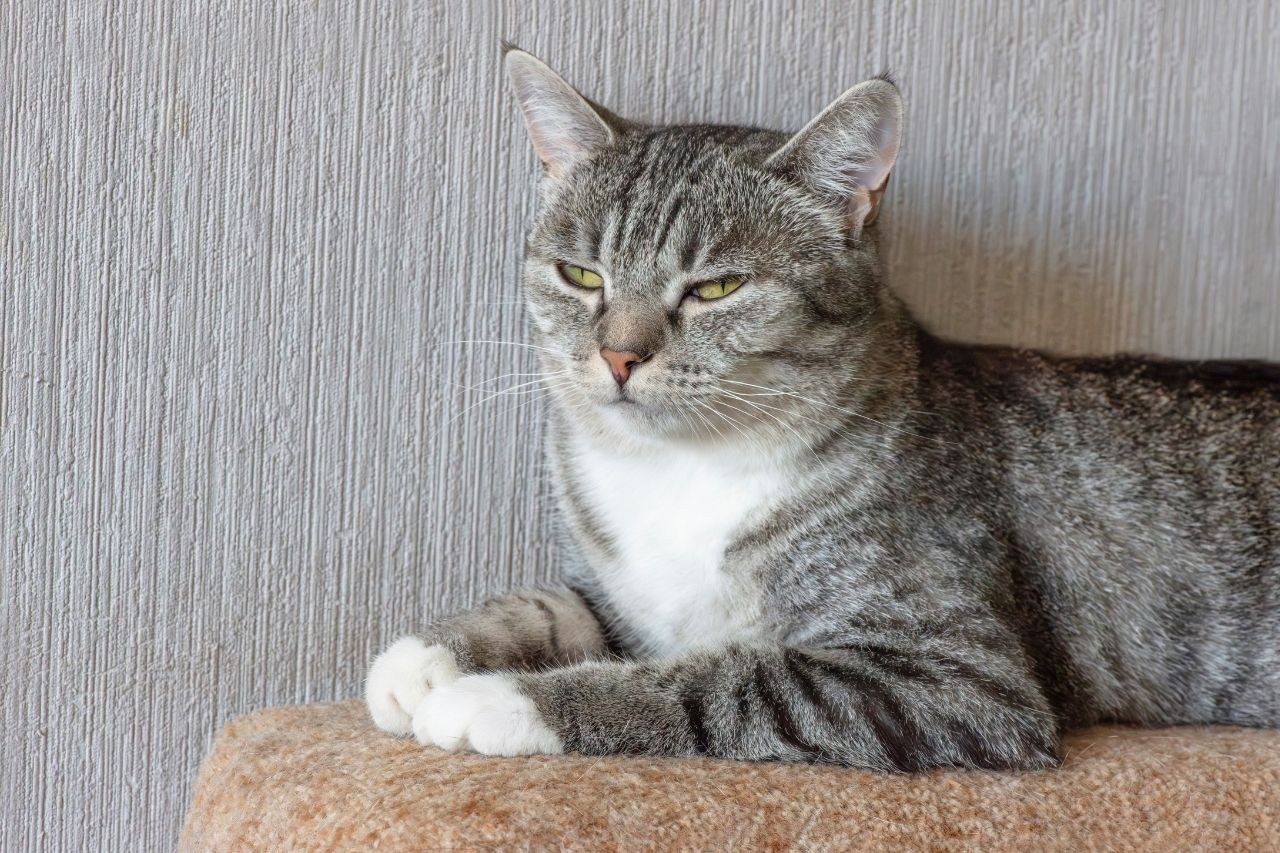
6 Subtle Signs Your Cat Is Entering Their Senior Years
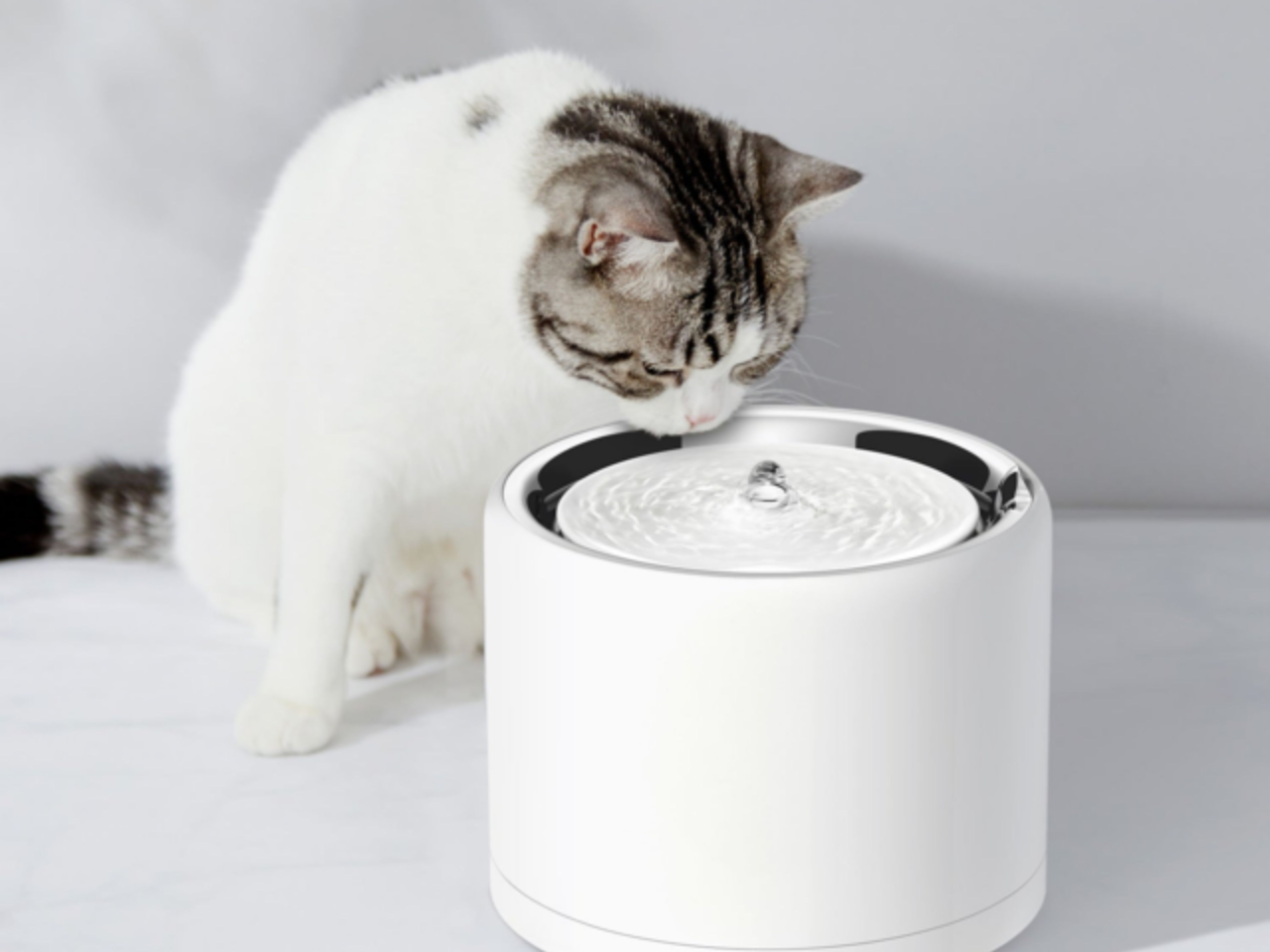
Hydration Tips for Senior Cats and Dogs