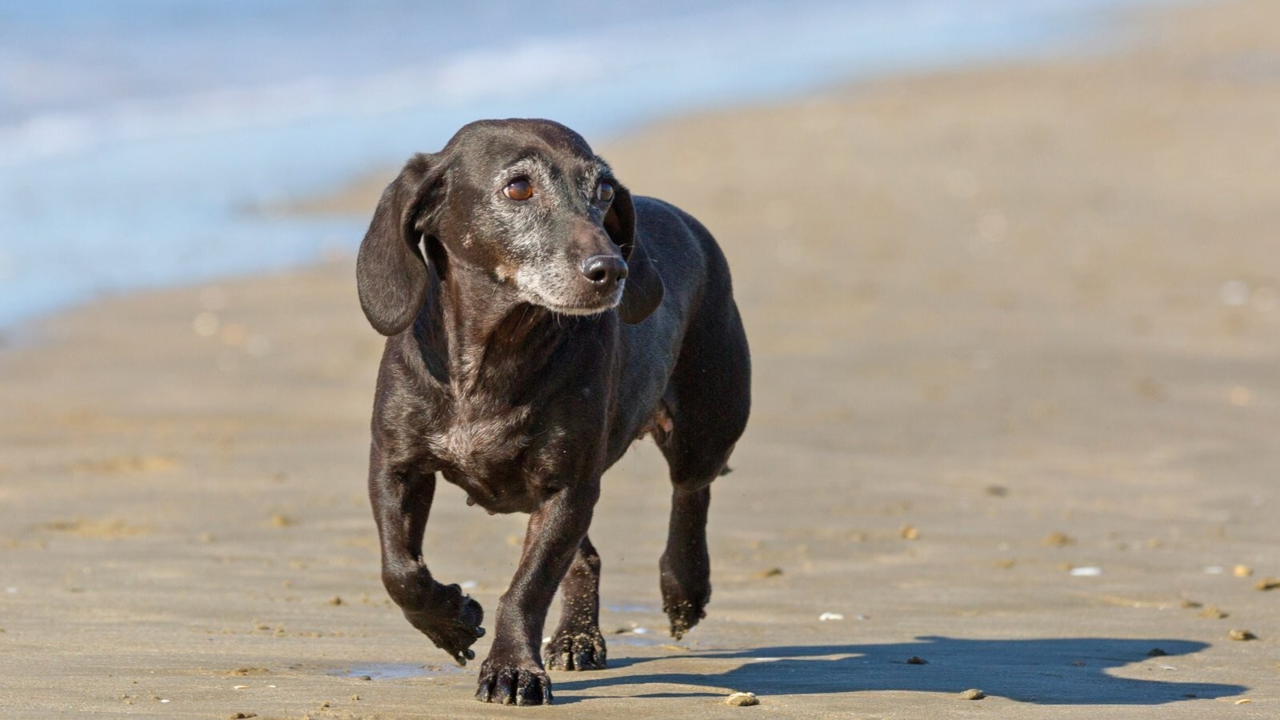
A few extra kilos, or a few too few, can creep up so slowly on an older dog or cat that we barely notice. But of all the things you can do for an ageing pet, keeping them at a healthy weight is one of the most powerful, and one of the most overlooked. In the senior years it stops being about looks and starts being about comfort, mobility and the quality of the years ahead.
This guide looks at why weight matters more as dogs and cats get older, how to check your pet's body condition at home, and the practical ways to help a senior pet that has gained a little, or started to lose condition. As always, it is a starting point rather than a diagnosis. Your vet knows your pet's full picture and is the best person to set a target and a plan.
Quick answer
Healthy weight matters more with age because older bodies cope less well with the strain of extra kilos and with the muscle loss that comes from being underweight. Even a small amount of excess weight adds load to ageing joints and can worsen conditions like arthritis, while unexplained weight loss can be an early sign something needs checking. Weigh your pet regularly, learn to feel their body condition, feed a diet suited to their life stage, keep them gently active, and raise any steady change with your vet.
Why weight matters more with age
Younger pets have more in reserve. As dogs and cats age, the same extra weight, or the same quiet loss of condition, lands harder. Here is why the scales are worth watching more closely in the senior years.
Ageing joints feel every kilo
Older joints are often already coping with wear and stiffness. Extra weight adds load with every step, which can make arthritis more painful and movement harder.
Muscle is harder to keep
Senior pets naturally lose muscle more easily. An underweight older pet can become frail and weak, which affects their strength, balance and ability to get around.
Less room for illness
Carrying extra weight is linked with a higher risk of several health problems. An ageing body has less spare capacity to handle that added strain.
Weight change can be a clue
A steady, unplanned change in weight, up or down, can be one of the first signs of an underlying issue. In older pets it is always worth a closer look.
Comfort and energy
A pet at a healthy weight tends to move more freely, rest more comfortably and stay engaged with the things they enjoy, which lifts their day-to-day quality of life.
Slower to recover
If an older pet does face surgery, illness or injury, being at a healthy weight and condition gives them a better starting point for recovery.
Weight can go two ways in the senior years
It is easy to assume weight is only about pets carrying a little too much. In older dogs and cats, both directions matter, and both are worth watching.
Some senior pets gradually gain weight as they slow down, move less and keep eating the same amount. Others quietly lose condition, sometimes because of dental pain, a fussier appetite, or an underlying health change. Cats in particular can lose weight slowly enough that it is missed until it is significant. The goal is the same either way: a stable, healthy weight with good muscle and body condition, and any clear change checked with your vet rather than left to drift.
How to check your pet's body condition at home
The number on the scales matters, but body condition tells you more. A quick hands-on check every couple of weeks helps you catch changes early. You are feeling for the balance between covering and bone.
Feel the ribs
Run your hands gently along their sides. You should be able to feel the ribs easily under a thin layer of covering, without them being sharply visible. If you cannot find them, there may be too much covering; if they stand out clearly, your pet may be too lean.
Look from above
Standing over your pet, look for a visible waist that tucks in behind the ribs. A straight or bulging outline suggests extra weight, while a very pinched, bony outline suggests they have lost condition.
Look from the side
From the side, most dogs and cats should show a gentle tuck where the tummy rises up towards the back legs. A belly that hangs level or sags can be a sign of excess weight.
If you are not sure what you are feeling, your vet or vet nurse can show you in a minute and give your pet a body condition score to track over time. Pop your pet on the scales at the same time, and keep a simple note so you can spot a trend.
Feeding for the senior life stage
A diet made for older pets is balanced for the way ageing bodies use energy, with the protein levels needed to help hold onto muscle. Switching to a senior formula at the right time is one of the simplest ways to support a healthy weight. Cats are generally considered senior from around 7 years, while dogs reach it at different ages depending on their size.
If your senior needs to lose a little
Weight loss in older pets should be gradual and steady, never a crash diet, because losing too fast can cost them precious muscle and is risky for cats in particular. A lighter or weight-management formula lets your pet eat a satisfying amount while taking in fewer calories, and some pair weight control with joint support for stiff senior bodies. For pets with more to lose, your vet can also prescribe a therapeutic weight-loss diet and a safe target.
Small habits help too: measure meals with a proper cup or scale rather than eyeballing them, count treats as part of the daily total, and use a portion of the daily food in a slow feeder instead of extra snacks.
If your senior is losing condition
For an older pet that is dropping weight or turning their nose up at meals, the first step is always a vet check to rule out a cause. Alongside that, gently warming food to lift its smell, offering a tasty senior wet food, or adding a tempting topper can help bring a fading appetite back to the bowl.
Movement, muscle and gentle activity
Food is only half the picture. Keeping a senior pet gently active helps burn energy, hold onto muscle and keep joints moving, all of which support a healthy weight. The key word is gentle: shorter, more frequent walks for dogs, and play that suits their pace for cats. Joint support can make that movement more comfortable, and food puzzles turn part of a meal into light exercise for both body and mind.
When to talk to your vet
A healthy-weight plan for an older pet works best alongside your vet. Book a check rather than waiting if you notice:
- Weight loss or gain that is steady or unexplained, even if your pet seems otherwise well
- A bigger appetite or thirst than usual, or a clear loss of interest in food
- Trouble eating, dropping food, or signs of dental discomfort
- Stiffness, reluctance to move, or struggling with stairs and jumps
- A pot-bellied look, low energy, or any change that has you worried
Before any weight plan, your vet can confirm a healthy target, check there is no underlying condition driving the change, and advise on the safest pace, especially for cats, who must never be put on a rapid diet.
Keep the right food coming, on repeat
Once you and your vet land on the right food for your senior pet, the easiest way to stay consistent is to have it arrive automatically. With Autodeliver you can set their senior or weight-management food to turn up on schedule, save on every repeat order, and skip or adjust a delivery whenever you need to.
EXPLORE AUTODELIVERFrequently Asked Questions
When is my pet considered a senior?
It depends on size. Dogs are generally considered senior from around 8 years for toy and small breeds, 7 years for medium breeds, 6 years for large breeds and 5 years for giant breeds. Cats are usually considered senior from around 7 years. These are guides rather than hard lines, and your vet can tailor them to your individual pet.
How often should I weigh my senior pet?
Weighing every couple of weeks to once a month, paired with a hands-on body condition check, makes it much easier to catch a slow change early. Small dogs and cats can be weighed at home by holding them on bathroom scales and subtracting your own weight; larger dogs can be weighed at the vet, often for free.
My older dog has slowed down and gained weight. What should I do?
It is common for activity to drop with age while the food bowl stays the same. Start by measuring meals accurately and counting treats, switch to a senior or weight-management formula if suitable, and keep up gentle, regular movement. Check in with your vet for a healthy target and to rule out anything underlying.
My senior cat is losing weight but still eating. Is that normal?
Weight loss in an older cat that is still eating is always worth a vet visit, as it can be an early sign of a health change. It is not something to simply wait out. Your vet can check for a cause and advise on the best diet to help your cat hold condition.
Is it safe to put an older pet on a diet?
Yes, when it is done slowly and with veterinary guidance. Gradual, steady weight loss protects muscle and is far safer than a rapid drop, which can be dangerous, particularly for cats. Your vet will set a sensible target and pace, and a weight-management or therapeutic diet can help you get there safely.
Should I still give my senior pet treats?
Treats are fine in moderation and are a lovely part of the bond. The trick is to count them as part of the daily food total rather than as extras, and to keep them to a small share of daily calories. Swapping some treats for a little of their normal food in a puzzle feeder works well.
Does extra weight really affect my pet's joints?
Yes. Extra weight adds load to joints with every movement, which can make existing stiffness or arthritis more painful in an older pet. Keeping to a healthy weight is one of the most effective ways to support comfortable movement in the senior years, alongside joint support where your vet recommends it.
Related Reading
Healthy Pet Weight Guide: Managing Your Dog or Cat's Weight in NZ
How to Tell if Your Dog or Cat Is Overweight
Why Your Older Cat Is Losing Weight: Causes and What to Do
How Often Do Senior Dogs and Cats Need Vet Checks
Joint Health for Senior Dogs: The Complete NZ Supplement Guide

The Ultimate Guide to Senior Pet Care in NZ