A warm spring walk through long grass can leave your dog carrying more than mud. Dry grass seeds can catch in fur, work between toes or enter an ear, eye or nostril. Their pointed shape can make them difficult to dislodge, so a tiny seed can quickly become a painful problem.
In New Zealand, barley grass is a familiar culprit, although other dry, awned grasses can cause the same trouble. Knowing where to check and what warning signs to notice can help you act before a seed travels deeper.
Quick answer
Check your dog after every walk through long, dry or seeding grass, paying close attention to paws, ears, eyes, nose, armpits and coat folds. Sudden head shaking, repeated sneezing, squinting, focused paw licking, swelling or a weeping wound can point to an embedded grass seed. Do not probe for a seed in an ear, eye, nose or puncture site. Contact your vet promptly.
Why grass seeds can cause trouble
Awned grass seeds are built to move away from the parent plant and catch on passing animals. A sharp point helps the seed enter fur or skin, while fine backward-facing barbs make it easier to move forwards than backwards. Normal movement, licking or head shaking can then push it further in.
A seed caught loosely on the outside of the coat may be easy to brush away. Once it has pierced the skin or entered a body opening, it can be hard to see and may keep moving through tissue. This is why an irritated spot that briefly settles should not automatically be treated as resolved.
Spring and summer risk
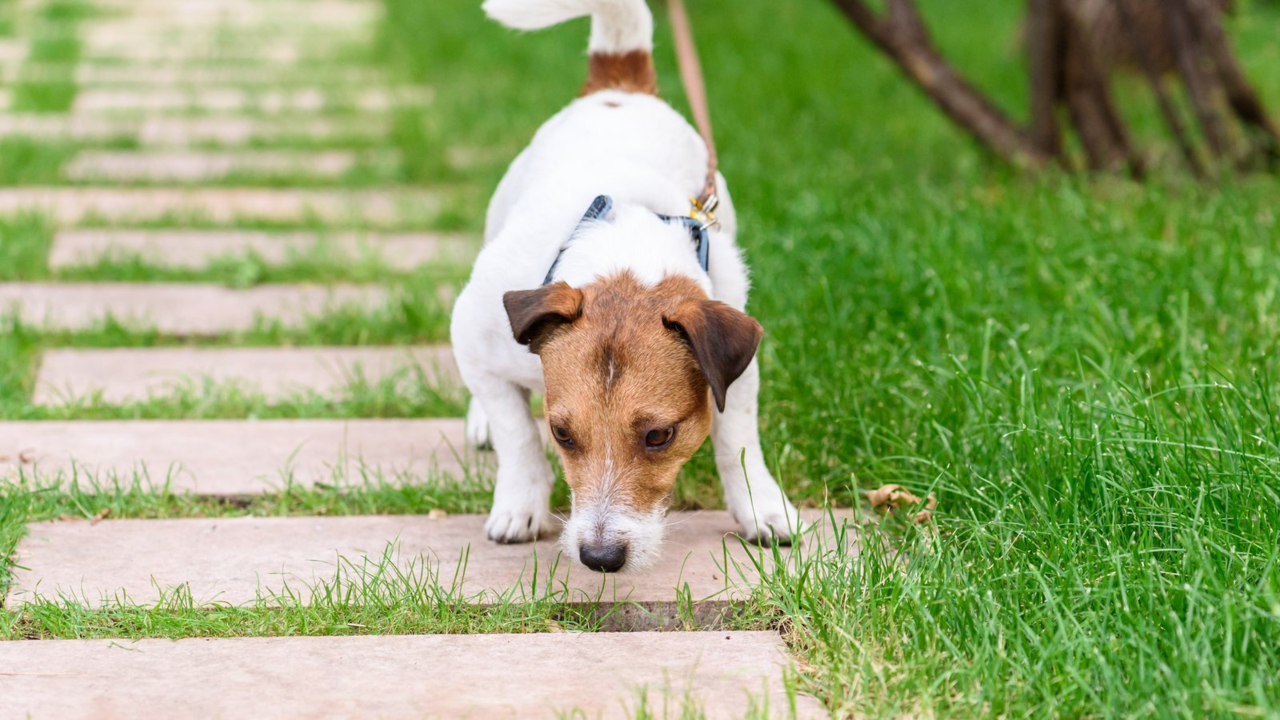
Risk rises as grasses form seed heads and dry out, often from spring through summer and into autumn in warmer areas. Track edges, unmown berms, paddocks, scrub and dry garden borders are common places for seeds to catch on dogs.
Warning signs by body area
Grass seed signs often appear suddenly after outdoor time. They can also resemble allergies, an insect sting or another foreign object, so the pattern and timing matter.
Paws and between the toes
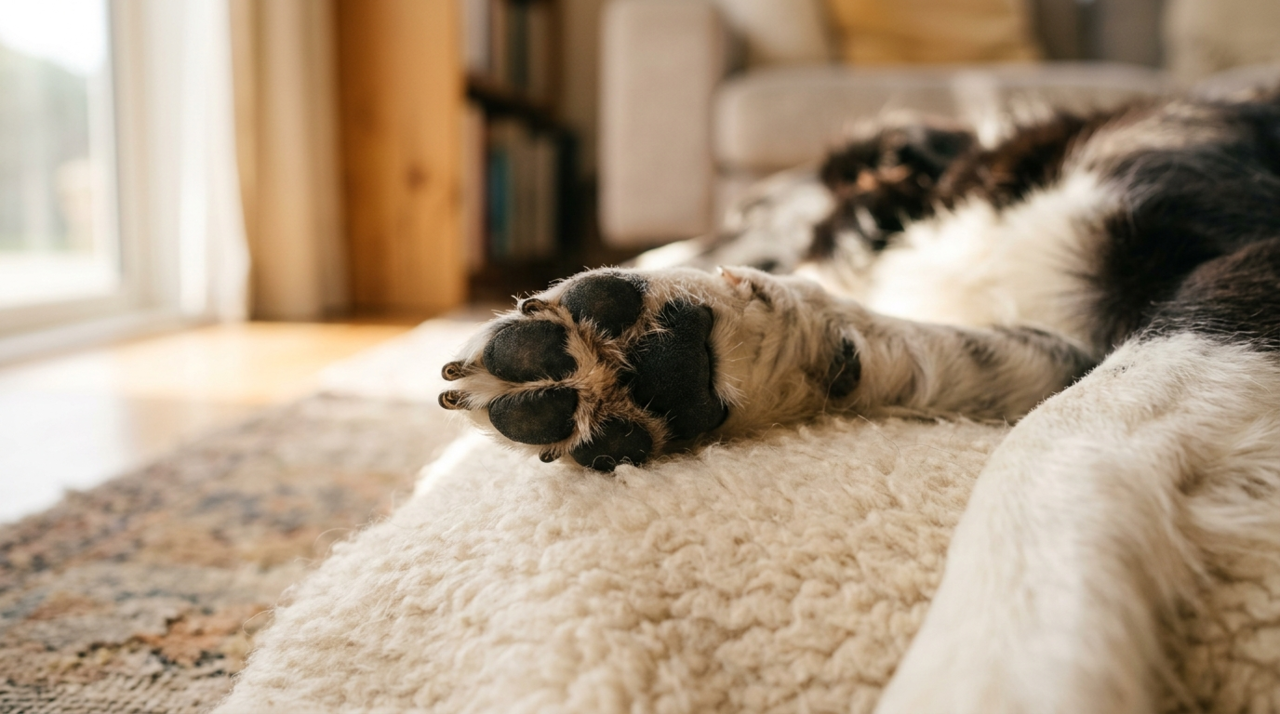
Watch for repeated licking or chewing, limping, tenderness, redness, swelling or a small hole that leaks clear fluid, blood or pus. Check between every toe and around the pads.
Ears
Sudden head shaking, scratching one ear, holding the head to one side, pain or discharge can mean a seed has entered the ear canal. Floppy or heavily feathered ears can collect seeds easily.
Eyes
Squinting, tearing, redness, swelling, discharge or rubbing at one eye needs prompt attention. A seed under an eyelid can scratch the eye, so do not try to sweep it out.
Nose and airways
Repeated violent sneezing, pawing at the muzzle, one-sided nasal discharge, coughing or sudden breathing changes are warning signs. Nothing may be visible from the outside.
Skin and coat
Look for a tender lump, a puncture, persistent licking or a wound that closes and reappears. Common hiding places include armpits, groin, belly, tail feathering and skin folds.
Mouth
Drooling, repeated swallowing, gagging, coughing, rubbing the face or reluctance to eat can follow a seed entering the mouth or throat. Treat breathing difficulty as urgent.
What to do if you suspect a grass seed
If a seed is sitting loose on the coat, remove it before it reaches the skin. For anything embedded, hidden or sitting in a sensitive area, contact your vet. Early removal is usually simpler than waiting for swelling or infection to develop.
Do not dig or flush
Do not push tweezers, cotton buds or ear cleaner into an ear, and do not probe a puncture between the toes. Avoid flushing an eye or nose unless your vet specifically instructs you to. These actions can move a seed deeper or damage sensitive tissue.
Seek urgent veterinary help for breathing difficulty, collapse, severe pain or an eye that is tightly closed. Arrange a prompt check for ongoing head shaking, sneezing bursts, limping, swelling, discharge or any wound that does not settle. Tell your vet where your dog walked and when the signs began.
A five-minute check after every walk
Make the check part of taking off the lead or harness. Good lighting and a calm, nose-to-tail routine make small seeds easier to spot.
Start with the face
Look around the eyes, lips and nostrils. Lift each ear flap and inspect only the part you can see without inserting anything into the canal.
Spread every toe
Check between the toes, around the nails and along the pad edges. Feel for a sharp tip, knot, tender area or new swelling.
Work against the coat
Run your hands from tail to head so you can feel small catches. Pay extra attention to feathering, curls, armpits, groin and the underside of the tail.
Brush and wipe
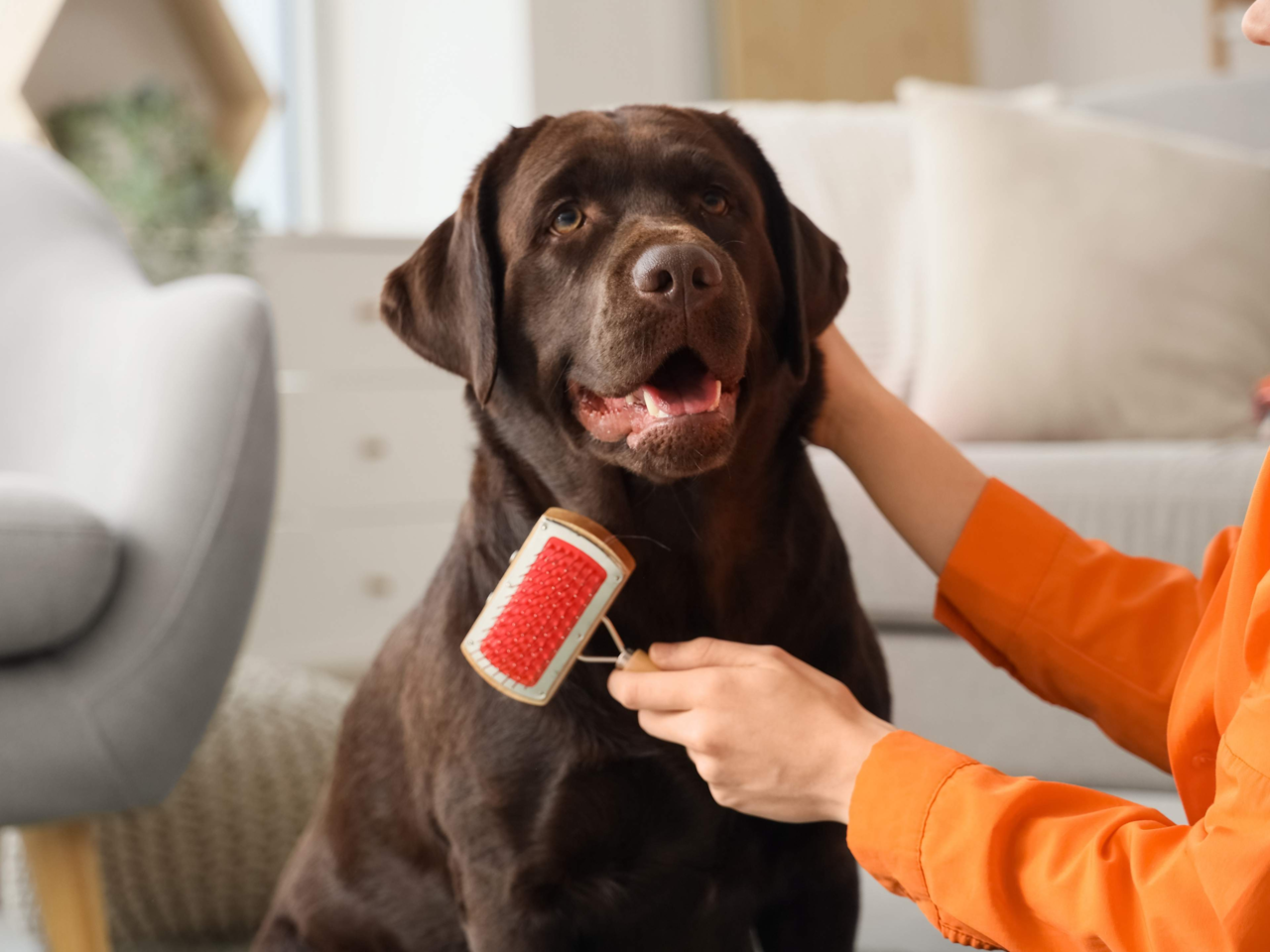
Brush out loose plant material before it tangles. Wipe muddy paws so the skin and spaces between toes are easier to inspect.
Watch once you are home
Notice sudden licking, limping, head shaking, sneezing or rubbing. A behaviour change after a walk can be the first clue that a seed was missed.
Grooming tools for spring coat checks
Choose a tool that suits your dog's coat and use gentle strokes. The Yours Droolly Shear Magic Dog Slicker can help lift loose material from medium or longer coats. For a closer pass through feathering, the Wahl 2-in-1 Dog Flea & Finishing Comb has fine teeth. Keep M-PETS Extra Large Antibacterial Cat & Dog Grooming Wipes near the door for cleaning dirty paws before inspection.
How to reduce the risk
- Choose mown paths when grass is dry and seeding, and keep your dog close on narrow tracks.
- Avoid visibly spiky seed heads, dense scrub and unmanaged grass verges where possible.
- Keep long hair around paw pads and ear openings tidy. Ask a groomer for help if you are unsure how much to trim.
- Brush longer, curly or feathered coats after walks rather than waiting for the next full groom.
- Keep lawns mown and collect cut seed heads instead of leaving them where your dog plays.
- Check bedding, the car boot and walking gear because dry seeds can travel home in fabric.
- Consider well-fitted dog boots for routes with heavy seed contamination, then remove and check under them after the walk.
Any dog can pick up a grass seed, but dogs with long coats, furry feet or feathered ears need especially careful checks. Spaniel-type ears, poodle-type curls and thick double coats can conceal seeds, while active dogs that charge through scrub have more contact with seed heads.
Bagged lawn seed is a different risk
Wild grass awns mainly cause physical injury. Commercial lawn seed may also be coated with treatments, so swallowing it raises a separate poisoning concern. Store bags securely, keep dogs away while sowing and follow the product label for access to newly seeded areas.
If your dog eats bagged or treated lawn seed, contact your vet or a New Zealand animal poisons service promptly. Keep the packaging so the exact product and coating can be identified. Do not make your dog vomit unless a professional tells you to.
Frequently asked questions
Can a grass seed work its way out on its own?
A loose seed in the coat may fall away, but an embedded awn is shaped to keep moving forwards. Do not wait for a puncture, swelling, ear problem or eye irritation to resolve by itself.
Can I remove a grass seed with tweezers?
Only remove a seed that is completely visible and sitting loosely on the coat. If it has pierced the skin, breaks during removal or is in an ear, eye, nose or mouth, stop and contact your vet.
Why is my dog licking one paw after a walk?
A grass seed is one possibility, especially after walking through long or dry grass. Check every toe and pad edge. Swelling, pain, limping or a small weeping hole needs a vet check.
Does head shaking always mean a grass seed?
No. Ear irritation can have several causes, including infection or allergy. Sudden, intense shaking after a grassy walk makes a foreign body more likely, and an ear canal should be examined rather than cleaned at home.
Are grass seeds only a problem for long-haired dogs?
No. Longer coats and furry feet can hide seeds, but short-haired dogs can still collect them between the toes or in the ears, eyes, nose and skin folds.
Can dog boots prevent grass seeds?
Boots may reduce direct contact around the paws when they fit properly, but seeds can still reach the legs, coat and other body areas. Remove the boots after each walk and complete a full check.
Get set for spring walks
Keep a brush, comb and paw-cleaning supplies by the door so the post-walk check becomes an easy habit.
SHOP DOG GROOMING