Quick answer
For a pet-friendly spring clean, remove hair and debris first, use products exactly as labelled, keep cats and dogs away while surfaces are wet, rinse food-contact items thoroughly and dry everything before it goes back into use.
Pet beds, bowls, toys, litter areas and favourite corners collect hair, skin oils, food residue and outdoor dirt. A spring reset is a good chance to clean the items used every day, check them for damage and make future maintenance easier.
Clean does not need to mean heavily fragranced. Simple routines, careful rinsing and fully dry surfaces matter more than making the home smell strongly of cleaning products.
Choose cleaning products carefully around cats
Avoid products containing phenols or essential oils around cats unless the label clearly states they are suitable for that use. Cats can be exposed by walking over residue and grooming their paws. Keep all pets away during spraying or wet cleaning, ventilate the area and do not let them return until surfaces are dry and the product label says it is safe.
Start with a room-by-room reset
- Gather washable bedding, soft toys, bowl mats and removable covers.
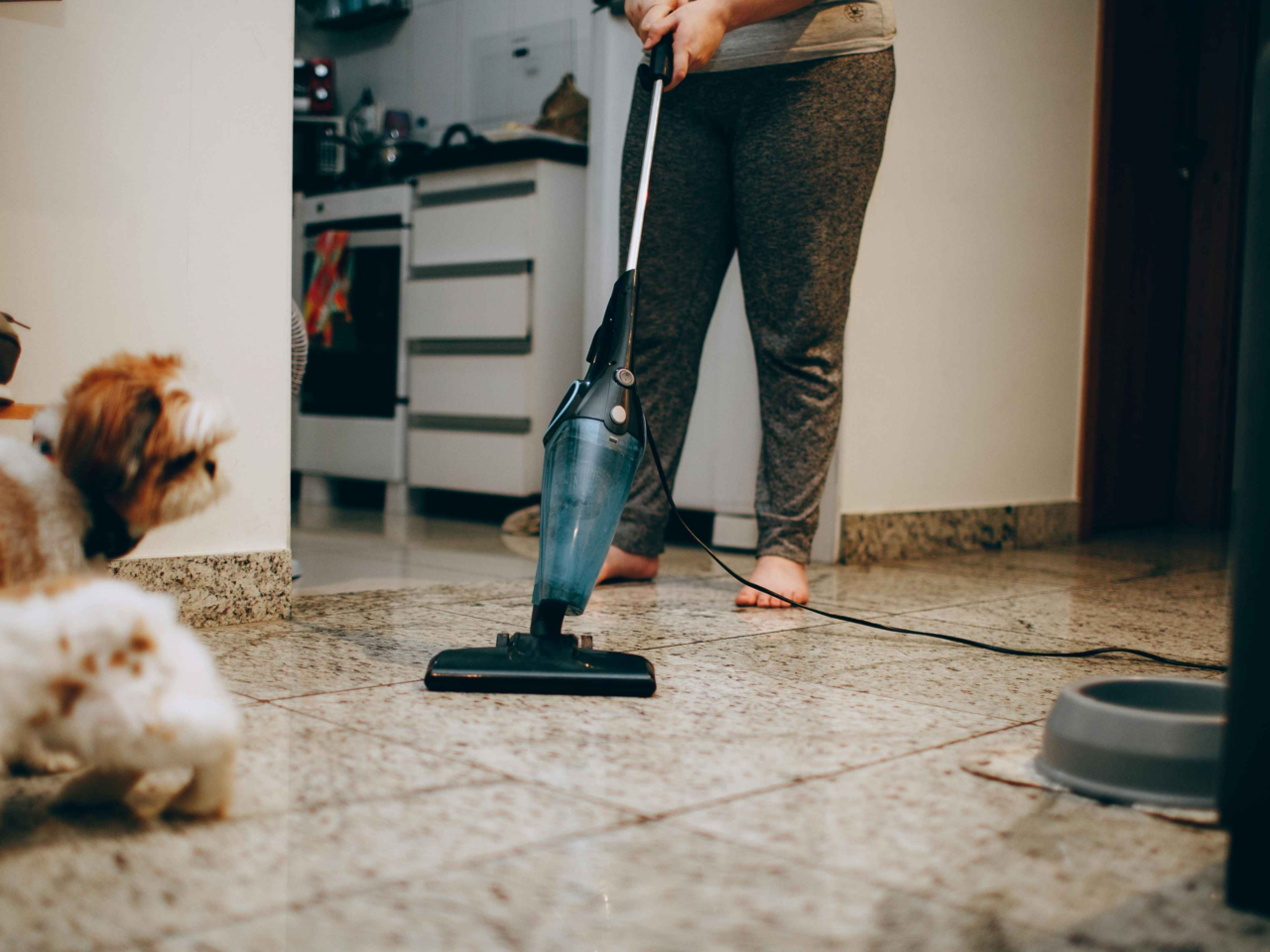
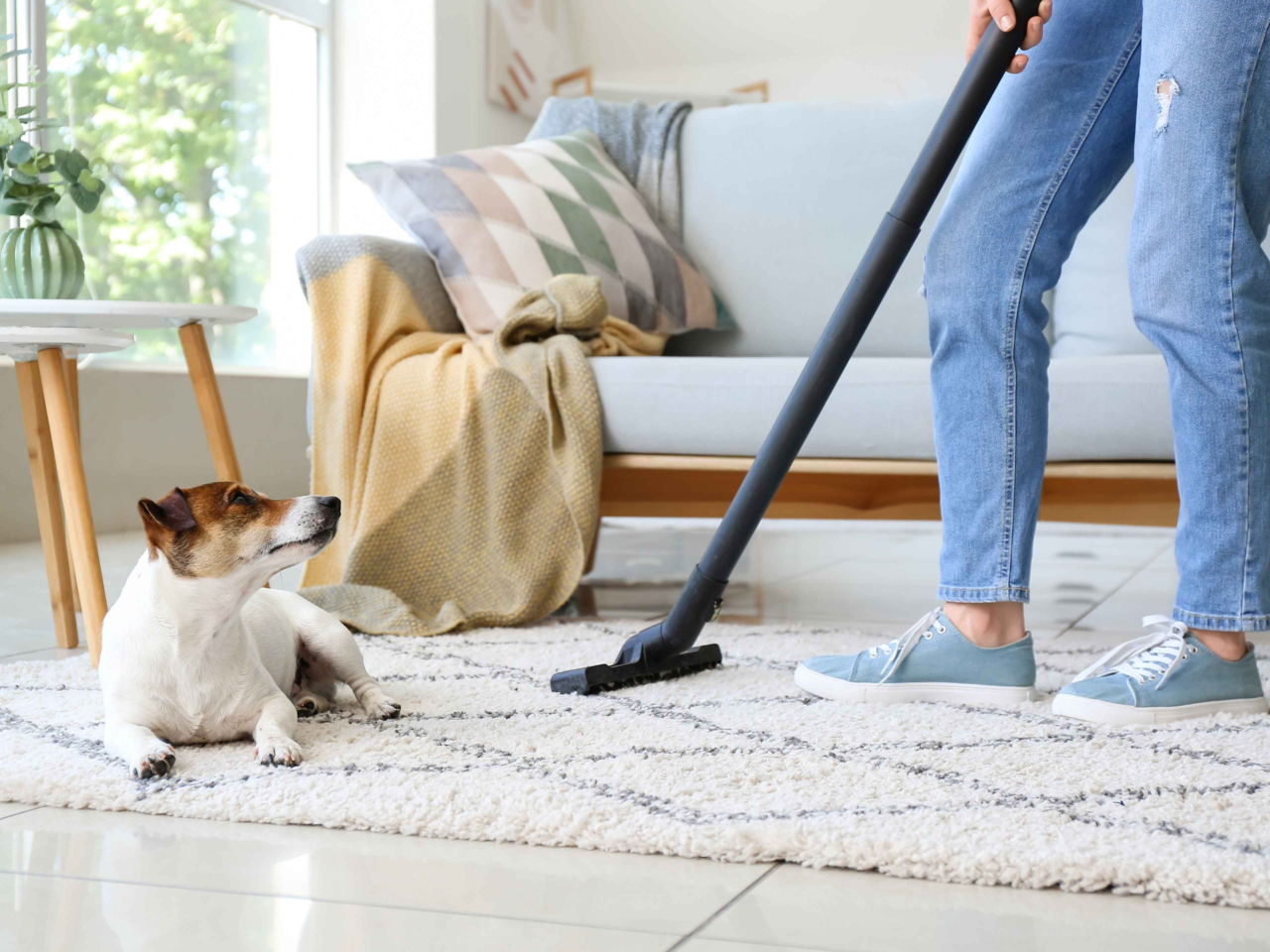
- Vacuum loose hair, crumbs and litter before using wet products.
- Clean one pet zone at a time so there is always a dry, familiar place available.
- Rinse food-contact items and anything a pet may lick.
- Dry completely before rebuilding beds, feeding stations or play areas.
Wash pet beds and blankets safely
Check the care label and remove as much hair as possible before washing. Shake items outdoors, vacuum the cover, then wash on the warmest suitable setting. Use the recommended amount of detergent rather than adding extra, and run an additional rinse when residue is a concern.
Drying is just as important as washing. Damp foam and thick seams can develop odour, so allow enough airflow and time. While covers are off, inspect zips, stuffing and non-slip bases for wear or loose pieces.
During a flea problem, wash bedding while the pets receive appropriate treatment and vacuum the surrounding floor, skirting edges and furniture. Cleaning bedding alone will not interrupt every part of the flea life cycle.
Clean bowls and feeding areas
Food and water bowls benefit from daily washing with hot water and dishwashing liquid, followed by a thorough rinse. Check grooves, rubber bases and slow-feeder channels where residue can hide. Replace cracked or deeply scratched bowls that can no longer be cleaned well.
Wash feeding mats and wipe the surrounding wall or floor. Refill water bowls with fresh water and clean fountains according to the manufacturer's instructions, including pumps and filters.
Clean toys by material
| Toy type | Cleaning approach | Safety check |
|---|---|---|
| Rubber or hard plastic | Wash with warm soapy water, reach grooves, rinse and air-dry. | Replace cracked toys or pieces small enough to swallow. |
| Fabric | Use the care label and wash in a bag if needed. | Check seams, squeakers and stuffing after washing. |
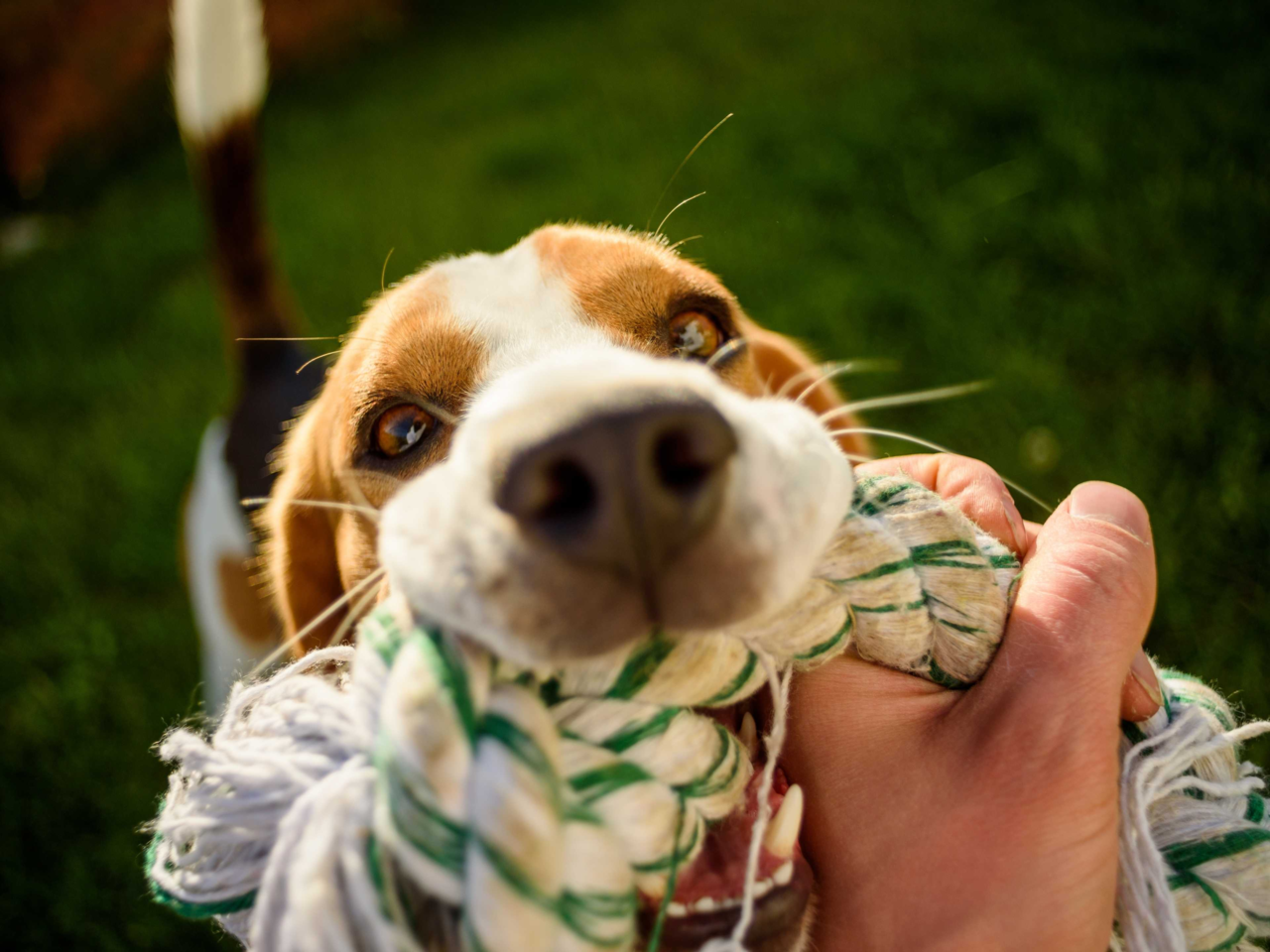
| Rope | Follow the label and dry completely through the centre. | Discard loose strands that could be swallowed. |
| Cardboard cat toy | Vacuum loose debris or wipe only if the material allows. | Replace when damp, heavily soiled or breaking apart. |
Do not mix cleaning chemicals, and never apply disinfectant directly to a toy unless its label specifically allows that use. Thorough rinsing is essential for items that go in the mouth.
Cleaning options for pet messes
For urine, vomit or faeces, remove solids first, blot rather than rub, and choose a cleaner suitable for the surface and species. Test colourfastness in a hidden spot and keep pets away until the area is fully dry.
Litter trays and toilet areas
Scoop litter trays at least daily and empty them fully as needed for the litter type. Wash with a mild, unscented cleaning solution, rinse thoroughly and dry before adding fresh litter. Strong fragrance can make the tray less appealing to some cats.
Clean dog toilet areas promptly and pick up faeces in the garden. Keep waste bags, scoops and cleaning cloths separate from food-preparation items, then wash hands well.
Floors, upholstery and the car
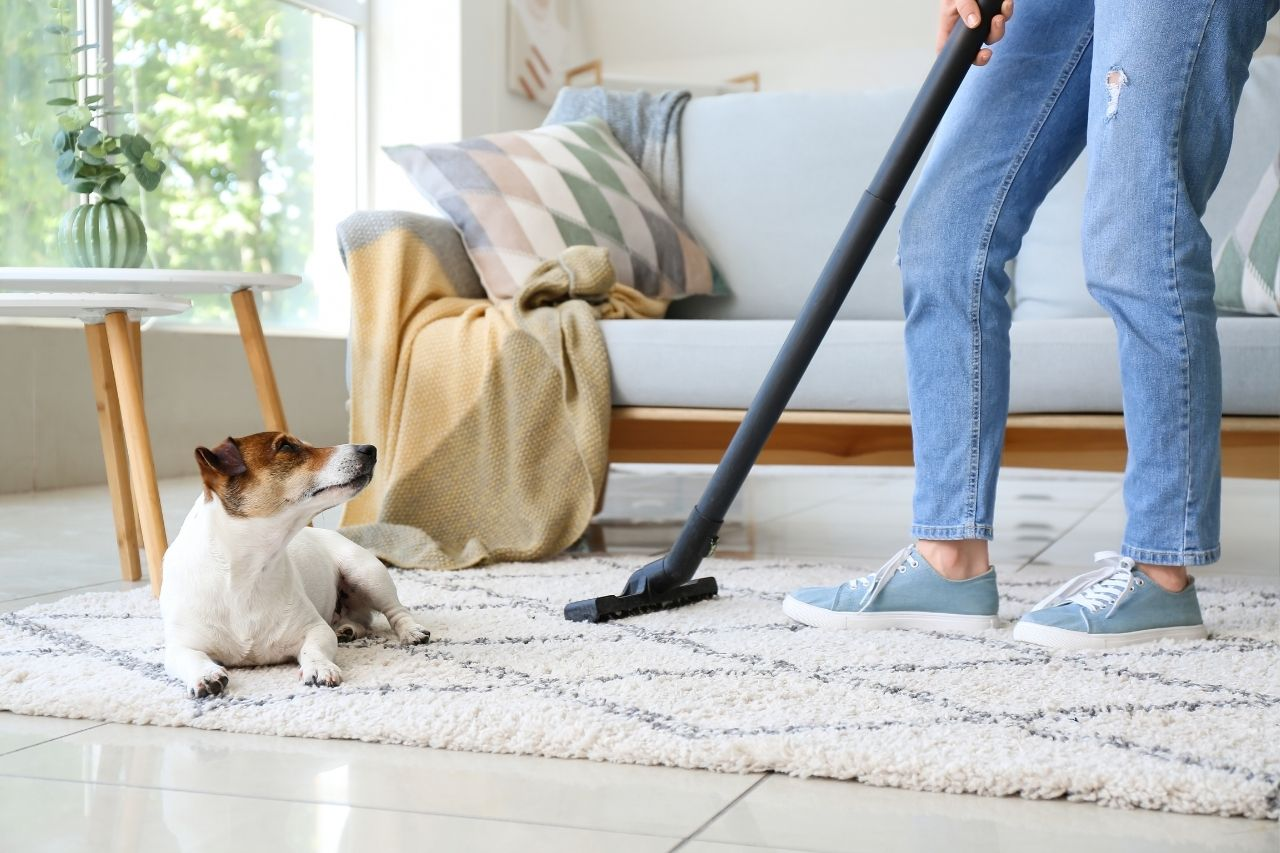
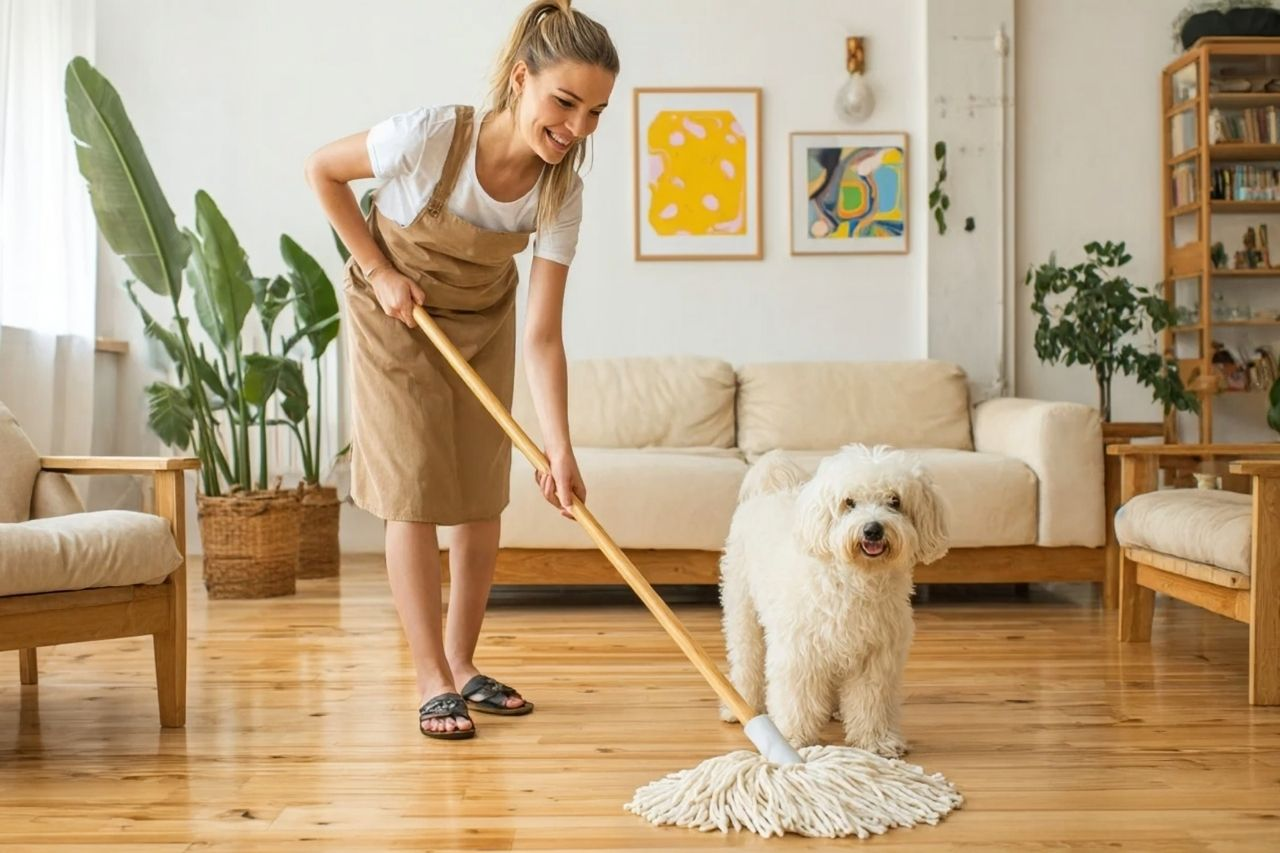
Vacuum before mopping so loose hair does not clump. Pay attention to skirting edges, under furniture and the car seats where pets rest. Follow floor-product dilution instructions, prevent access while wet and rinse if the label calls for it.
If using sprays, remove pets from the room. Take particular care with cats and fish, cover or relocate aquariums as instructed, protect bowls and food, and ventilate well.
Everyday home-care options
A simple weekly routine
- Daily: wash bowls, scoop litter and pick up outdoor waste.
- Twice weekly: vacuum sleeping areas and high-hair zones.
- Weekly: wash frequently used bedding and inspect toys.
- Monthly: clean under beds and feeding stations, check carriers and wash storage bins.
- Seasonally: deep-clean covers, replace damaged items and review flea prevention.
Make the fresh start last
Keep a small pet-cleaning kit together with washable cloths, waste bags and suitable cleaners. A short repeatable routine is easier than another full reset.
Shop dog clean-upShop cat clean-up