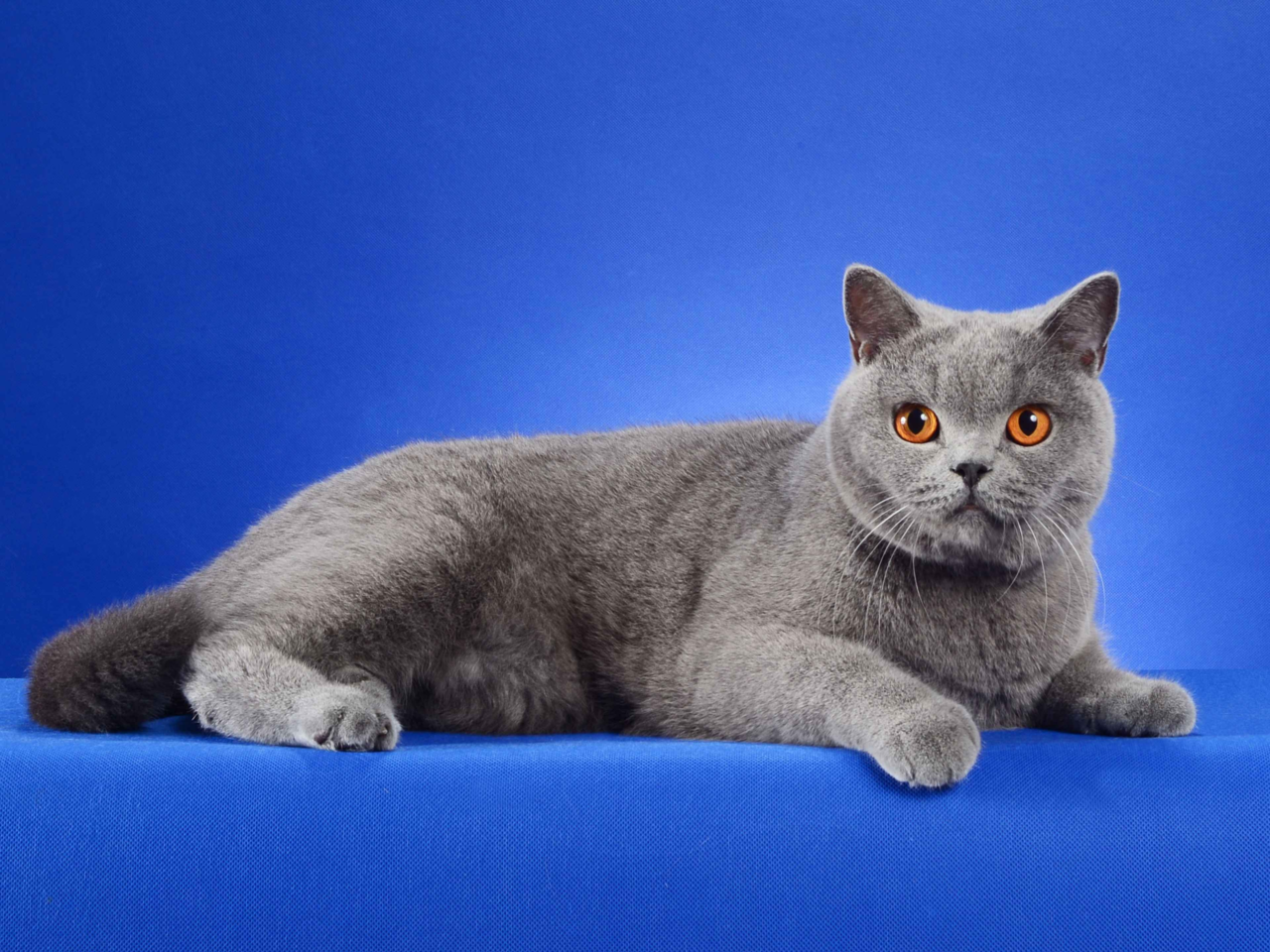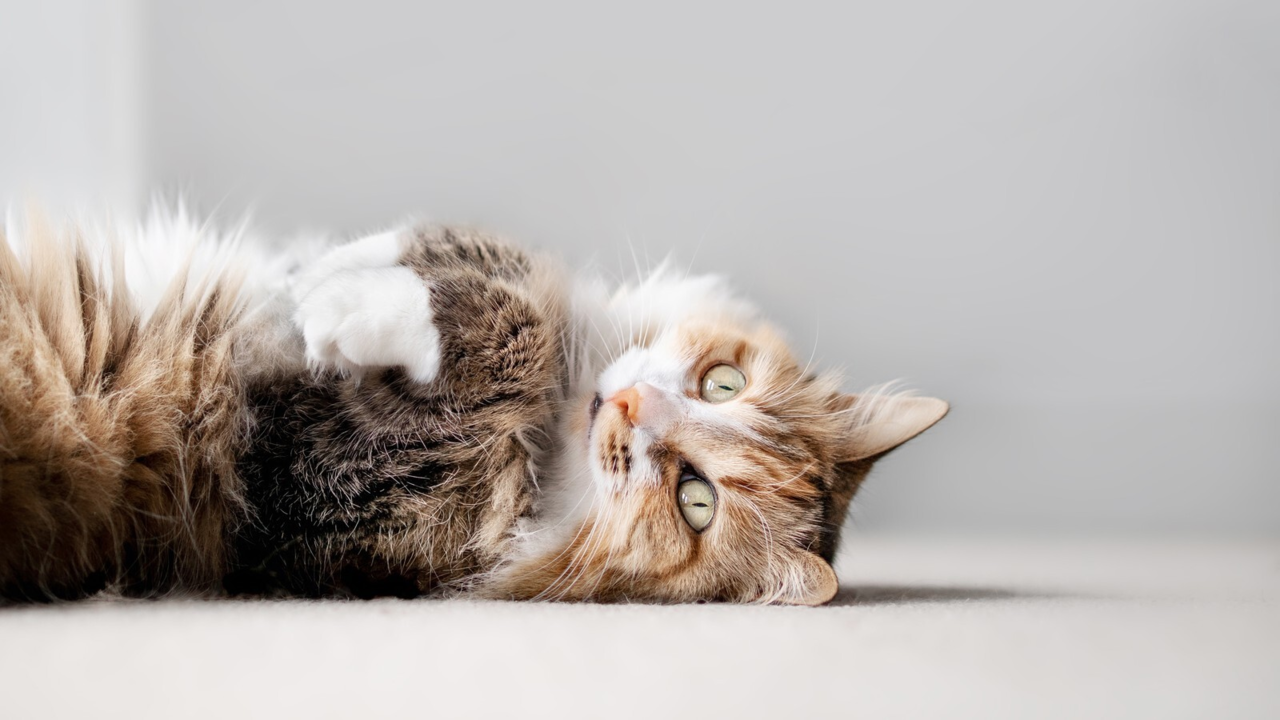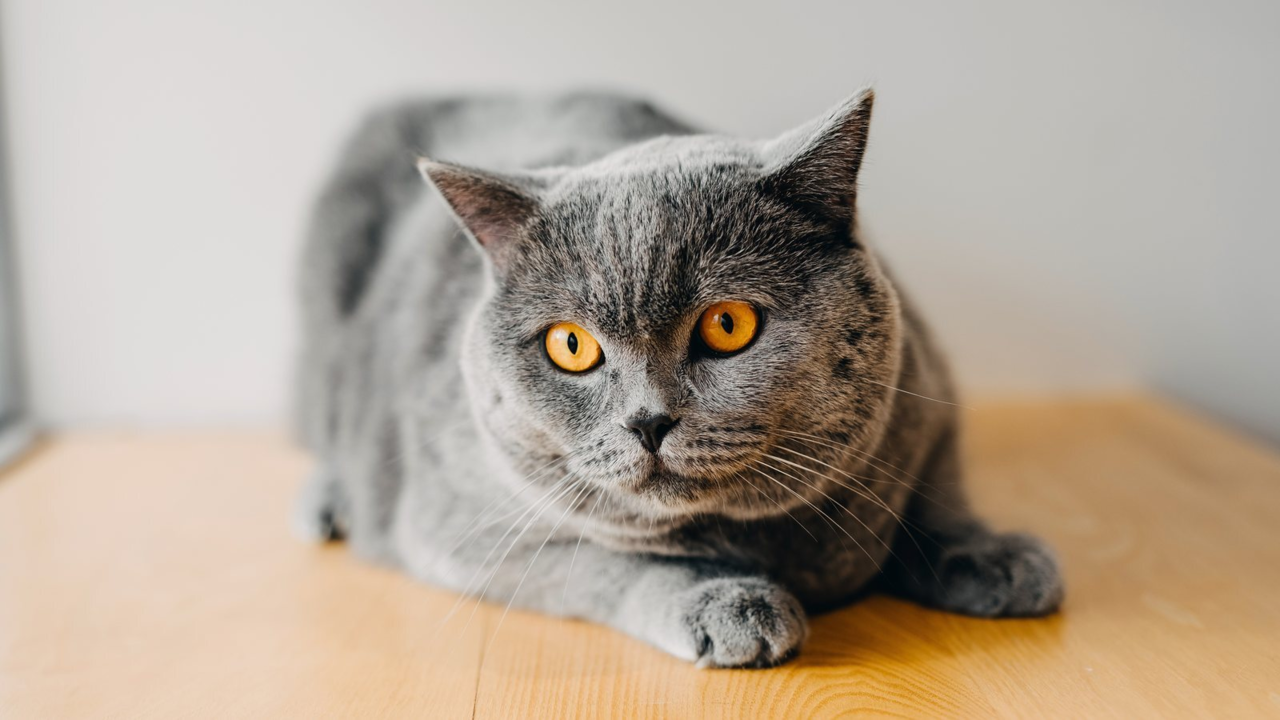
The British Shorthair may have a short coat, but there is plenty of fur packed into that famous teddy-bear finish. Their dense, plush coat can release a surprising amount of loose hair, especially when the seasons change. A small amount of regular grooming keeps that coat comfortable and helps collect loose fur before it reaches clothing and furniture.
This guide explains how often to brush a British Shorthair, which tools suit the coat, how to handle heavier shedding and when bathing is actually useful. For a wider look at the breed's temperament, daily care and characteristics, visit our British Shorthair breed guide.
Quick answer
Brush a British Shorthair once or twice a week with a rubber brush, soft slicker or metal-tooth comb. During a heavy spring or autumn shed, increase this to three or four short sessions a week. Work in the direction of hair growth, keep pressure light and stop before your cat becomes restless. Baths are occasional rather than routine, and the dense coat must be dried thoroughly.
Understanding the British Shorthair coat
The breed's coat is short, very dense and slightly crisp to the touch. A compact layer of undercoat sits beneath the guard hairs, which helps create the rounded, plush look. The fur tends to stand away from the body rather than lying flat. Blue-grey is the colour many people picture first, but British Shorthairs come in a wide range of colours and patterns, and the basic grooming approach remains similar.
Because the hair is short, knots are less common than they are on a longhaired cat. However, loose undercoat can collect around the lower back, base of the tail, chest, belly and behind the front legs. Cats that are less flexible, older or carrying extra weight may also find it harder to groom some areas for themselves.
The aim is not to strip out as much coat as possible. Good grooming removes hair that has already loosened, spreads natural oils and gives you a chance to notice changes in the coat. The finished fur should still feel full and plush, not thin or scraped.
A simple British Shorthair grooming schedule
| Grooming job | Usual frequency | What to focus on |
|---|---|---|
| General brushing | Once or twice a week | Short, light passes over the back, sides, chest and tail base |
| Heavy-shed brushing | Three or four short sessions a week | Loose undercoat without repeated scraping over one area |
| Claw check | Every two to four weeks | Sharp tips, snags and claws that are not wearing naturally |
| Ear and eye check | Weekly | Visible debris or a change from your cat's normal appearance |
| Bath | Only when needed | Cat-safe shampoo, complete rinsing and thorough drying |
Treat this as a starting point. Coat density, indoor temperature, season, age and how much your cat grooms themselves will all affect the routine. A five-minute brush done comfortably is more useful than a long session your cat learns to avoid.
Choose tools for a dense short coat
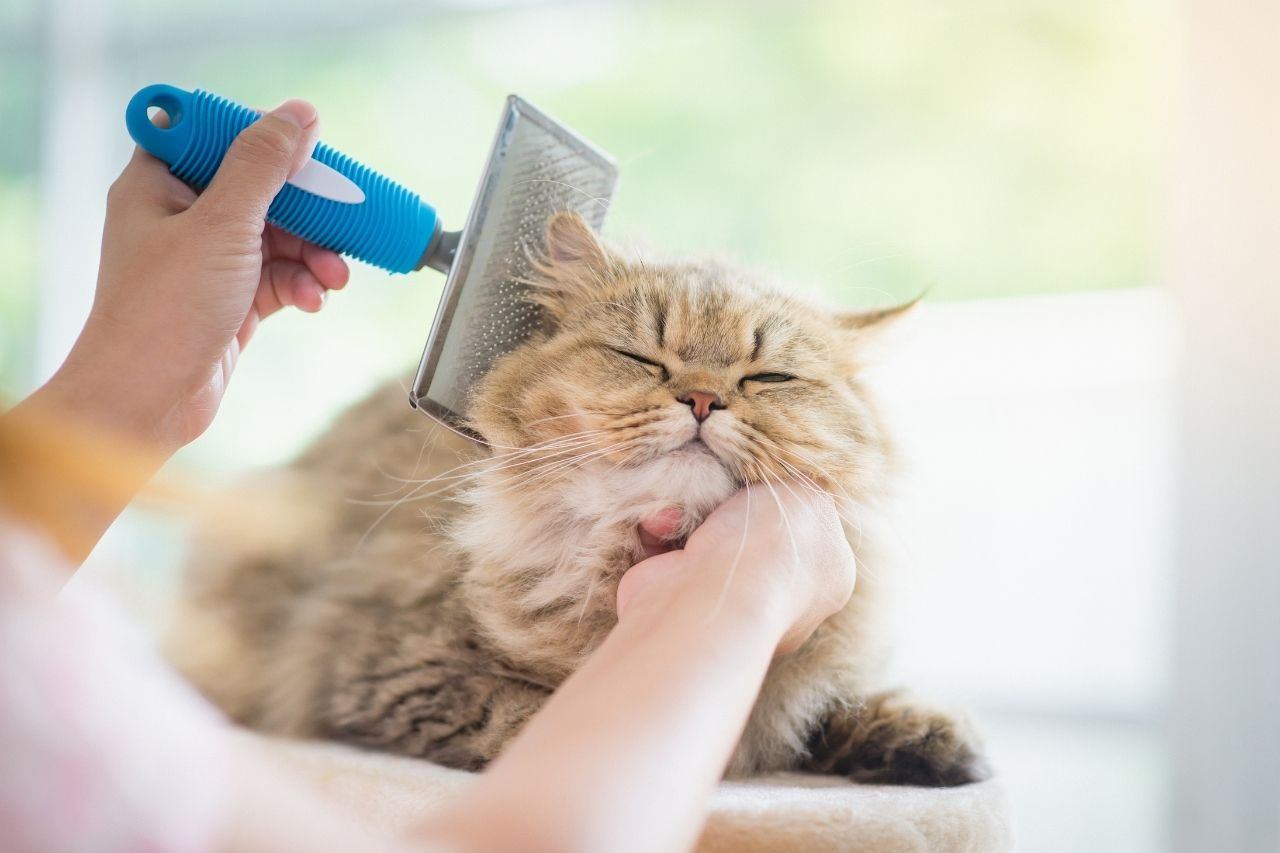
A rubber grooming brush is a friendly first tool because it lifts surface hair while giving a massage-like feel. The Le Salon Essentials Cat Rubber Grooming Brush suits gentle weekly maintenance. A light slicker can separate the plush coat and collect more loose fur, while a moulting comb helps reach through dense areas without needing heavy pressure.
The Le Salon Essentials Cat Slicker Brush and Glamour Puss Cat Moulting Comb offer different approaches, so choose the one your cat accepts most calmly. Test every tool on your forearm first. The tips should feel smooth, and you should be able to control the pressure easily.
Use deshedding tools lightly
A deshedding tool can help during a heavy moult, but it is not an everyday brush. Use slow, light passes on a clean, dry coat and avoid repeatedly working the same patch. Stop if the skin looks pink or your cat flinches, swishes their tail sharply or tries to leave.
How to brush a British Shorthair
- Choose a non-slip surface and a time when your cat is settled. Let them sniff the brush before you begin.
- Start at the shoulders with two or three gentle passes in the direction of hair growth. Reward calm behaviour.
- Move along the back and sides, lifting the fur in small sections so the tool reaches loose hair below the surface.
- Use less pressure around the belly, chest, legs and tail. Do not force your cat to roll over if they prefer standing.
- Check the comb or brush often. Remove collected fur so the tool continues to glide rather than drag.
- Finish by smoothing the coat with your hand or a rubber brush, then end the session while your cat is still relaxed.
If you meet a snag, hold the fur close to the skin so it does not pull, then tease the tangle apart from the outer edge. Do not use scissors close to loose skin. Short-coated British Shorthairs should not need clipping or shaving as part of normal coat care.
Managing seasonal shedding
British Shorthairs shed throughout the year, with noticeable increases as the coat responds to changing daylight and temperature. Indoor heating can blur the seasons, so some cats release fur more steadily rather than in one dramatic moult. The practical response is the same: increase brushing frequency for a few weeks, not brushing pressure.
During a heavy shed, use a rubber brush or comb first, then make a small number of light passes with the FURminator Cat deShedding Tool if your cat is comfortable with it. Clean loose hair from bedding, vacuum resting spots and wash washable blankets regularly. Good hydration and a complete, balanced diet also support normal skin and coat condition.
More fur around the home is expected during a seasonal coat change. Bald patches, broken skin or a sudden major change from your cat's normal shedding pattern are not part of an ordinary moult.
Bathing and the rest of the routine
Most British Shorthairs do not need frequent baths. Consider one when the coat is genuinely dirty, greasy or has picked up something that should be washed away. Prepare towels, shampoo and a warm drying area before bringing your cat in. Use lukewarm water, keep the face dry and rinse until the water runs completely clear.
The Hartz Groomers Best Hairball Control Cat Shampoo is made for cats and can be used when a proper wash is needed. After bathing, press water from the coat with towels instead of rubbing hard. A British Shorthair can feel dry on top while the dense lower layer remains damp, so check near the skin and keep your cat somewhere warm until fully dry.
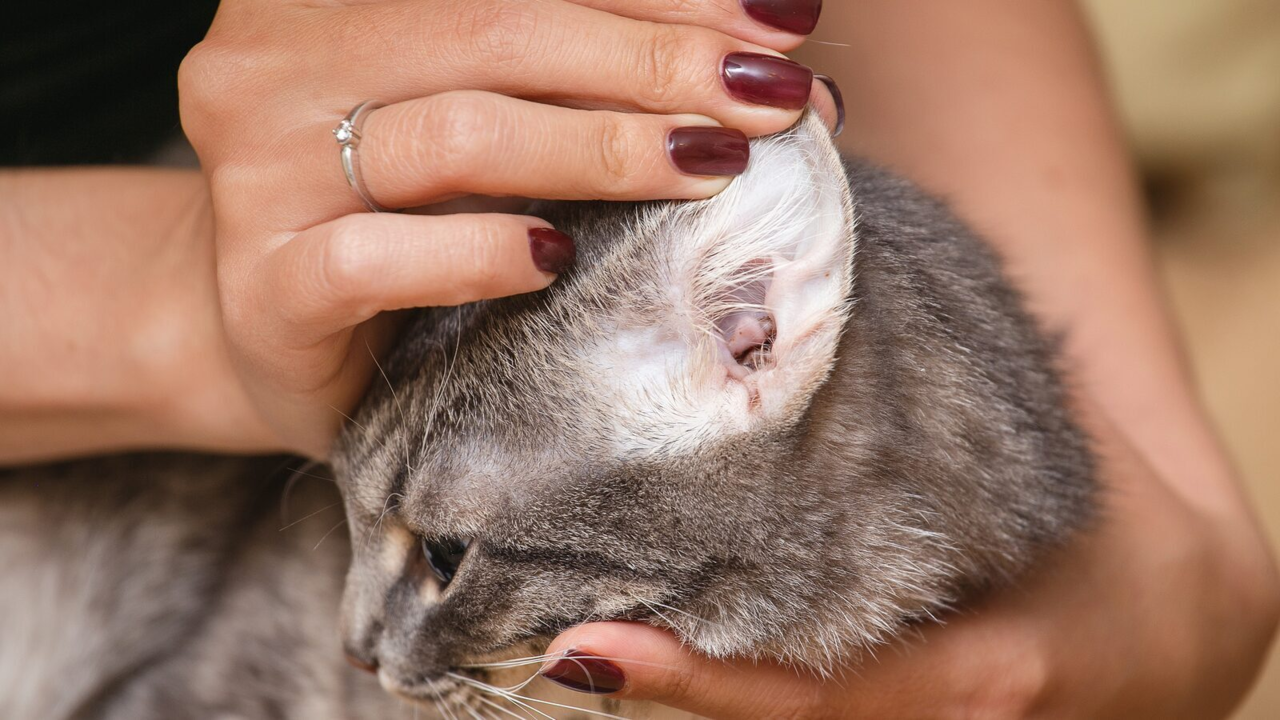
Round out grooming with claw, ear and dental care. Check claw tips every few weeks and only trim if you are confident doing so. Wipe visible ear debris with a soft damp pad, never by pushing cotton buds into the ear canal. For gradual toothbrushing, the Oxyfresh Cat & Dog Gel & Finger Brush Kit provides a small finger brush that can be introduced in short stages.
Help a reserved cat feel comfortable
British Shorthairs are often calm but may prefer affection on their own terms. Make grooming predictable rather than turning it into a wrestling match. Keep the brush in view, begin with one easy area and pair each short session with a favourite treat or quiet play.
Watch the whole cat, not just the coat. A relaxed body, neutral ears and willingness to stay nearby suggest the session is manageable. Tail lashing, skin twitching, ears turning sideways or repeated attempts to walk away mean it is time to pause. Returning for another two-minute session later is better than pushing through.
British Shorthair grooming FAQs
How often should I brush a British Shorthair?
Once or twice a week usually suits normal maintenance. Increase to three or four brief sessions a week during a heavier spring or autumn shed.
Do British Shorthairs shed a lot?
They can shed more than their short coat suggests because it is exceptionally dense. Expect year-round loose hair with seasonal peaks, although the exact pattern varies between cats and homes.
Should I shave my British Shorthair in summer?
No. Shaving is not part of normal care for a healthy British Shorthair coat. Collect loose fur with regular brushing and provide cool resting spaces instead.
Can I use a human hairbrush?
A pet grooming tool is the safer choice because its shape and teeth are designed for fur and animal skin. Whichever tool you use, keep pressure light and stop if it catches or scratches.
Why does my British Shorthair dislike brushing?
The tool may pull, the session may be too long or a sensitive area may have been handled too quickly. Start again with a softer brush, one or two passes and a reward, then build slowly.
Build a gentle cat grooming kit
Choose brushes, coat care and grooming tools that suit your cat's plush coat and comfort level.
SHOP CAT GROOMING