You're brushing your dog or scratching under your cat's chin, and you spot tiny black specks scattered through the coat. They look like pepper, or maybe a sprinkling of soil from the garden. They're easy to brush off and easy to ignore. But if those specks are flea dirt, you've already got the answer to the question every owner dreads: is my pet hosting fleas?
Flea dirt is the single clearest sign of an active flea infestation, often spotted before you see a live flea. This guide walks you through what flea dirt is, how to confirm it with a simple paper test at home, where to look on dogs and cats, and what to do next. We're not a clinic, so anything unusual is worth a chat with yours.
Quick answer
Flea dirt is dried flea faeces made of digested blood. It looks like small black or dark brown specks in your pet's coat. To confirm, brush some onto a damp white paper towel: if it smudges rusty red, it's flea dirt and your pet has fleas. Treat your pet straight away with a current flea product and wash bedding on a hot cycle.
What flea dirt actually is
Flea dirt is not dirt in the usual sense. It's the digested, dried blood that adult fleas pass after feeding on your pet. The specks settle close to the skin, mostly along the back, base of the tail, belly and behind the ears.
The reason flea dirt matters is simple: it's evidence fleas are actively feeding. Adult fleas are tiny, fast and good at hiding, especially on dark or thick coats. Flea dirt sticks around long after the flea has moved on, which makes it the most reliable early sign that something needs treating.
Colour
Dark brown to jet black. Up close, individual specks can look almost reddish under bright light.
Size and shape
Roughly the size of cracked pepper. Often comma-shaped or like tiny curled flakes, not round grains.
Where it sits
Close to the skin, caught between hairs. Heavier deposits gather at the base of the tail, belly and groin.
The damp paper test (the only test you need)
This is the home check used by groomers and breeders. It takes about a minute and tells you whether the specks are flea dirt or just everyday garden grit.
Brush your pet over white paper
Lay a sheet of plain white paper towel or kitchen roll on the floor. Use a fine flea comb and run it through the coat, focusing on the base of the tail, belly and behind the ears.
Look at what falls
You're checking for dark specks, hairs and possibly small flat brown flea eggs. Tap the comb against the paper if nothing's coming out, then run the comb again.
Add a few drops of water
Dampen the paper or mist the specks with a spray bottle. Wait 30 seconds.
Read the result
If the specks smudge rusty red or reddish-brown, it's flea dirt and your pet has fleas. If they stay dark grey or black and don't change colour, it's regular dirt, soot or pollen, and you can stop worrying.
Flea combs that make the check easy
A flea comb has very fine, closely spaced metal teeth that drag specks and live fleas out of the coat. Any of these work for the damp paper test, and they're useful for ongoing checks between treatments.
Where to look on dogs and cats
Fleas tend to congregate where the coat is warm, well-covered and harder for your pet to groom. Flea dirt collects in the same spots.
Dogs
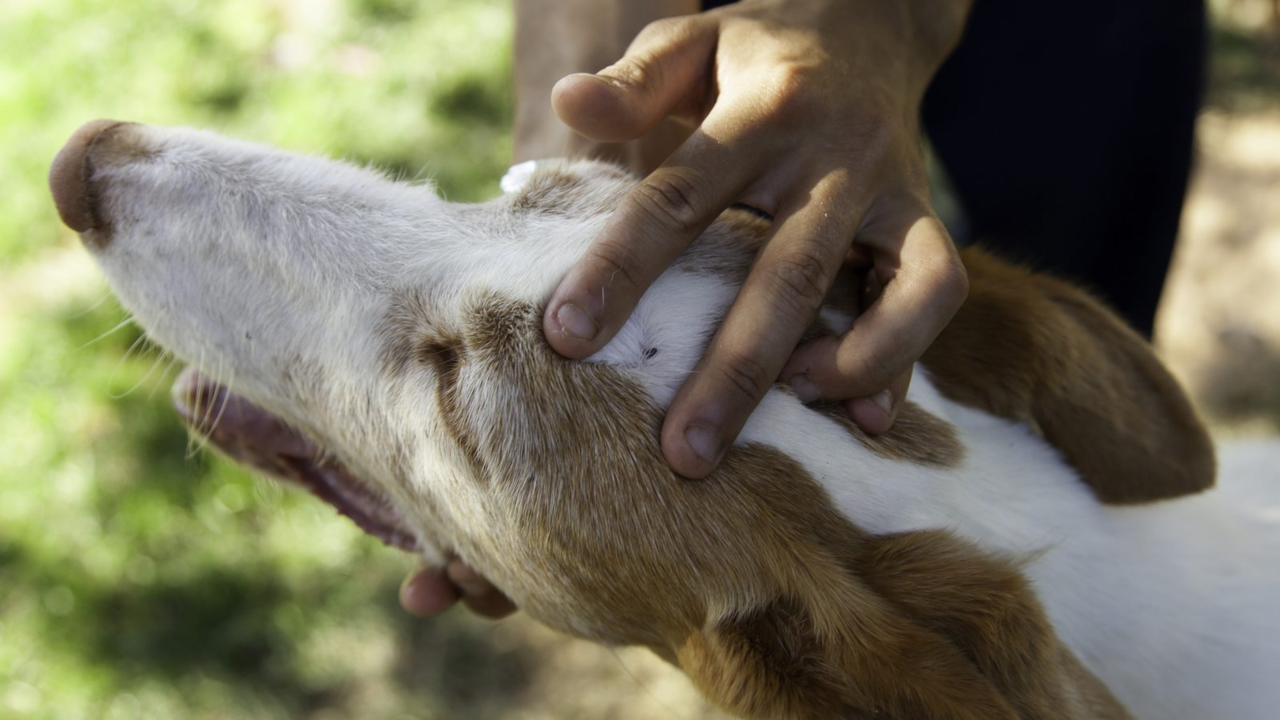
Start at the base of the tail and lower back. Work forward to the belly, inner thighs and groin. Check behind the ears, around the collar line and along the chest. Long-coated breeds need a slow comb-through near the skin, not just over the top of the fur.
Cats
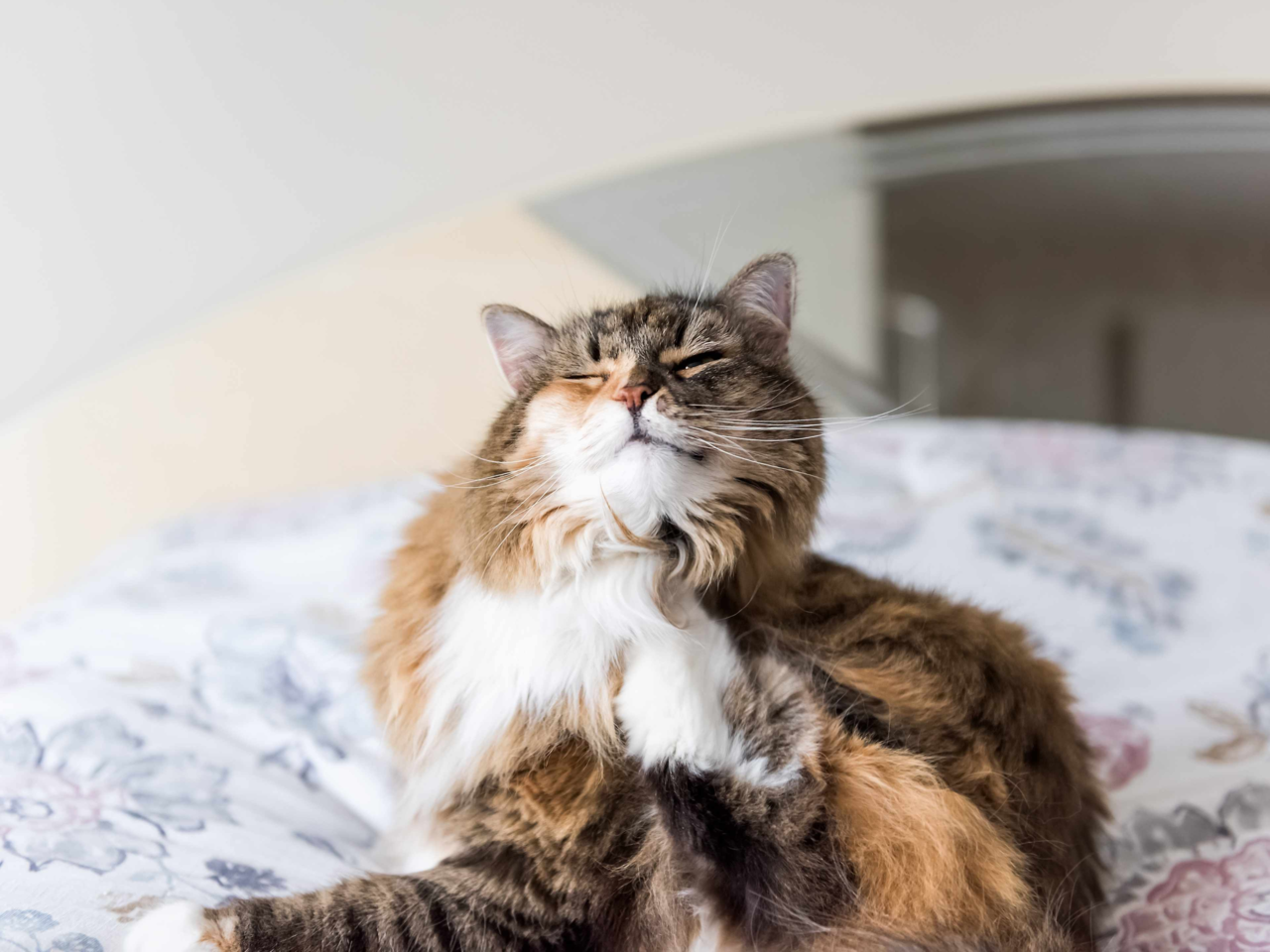
Check the base of the tail, the back of the neck, under the chin and inside the back legs. Cats are tidy groomers and will lick away a lot of evidence, so look between the shoulder blades where they can't easily reach. White-bellied cats make flea dirt easy to spot.
Flea dirt vs the lookalikes
Plenty of things can look like flea dirt at first glance. Here's how to tell them apart without the paper test.
Dandruff
White or pale grey flakes, not black. Sits on top of the coat and brushes off easily. Linked to dry skin, not parasites.
Garden dirt
Grittier, irregular shapes. Brown rather than black. Doesn't smudge red when wet, it just gets muddy.
Scabs from scratching
Stuck to the skin, harder to comb out. Often surrounded by inflamed or reddened skin. Don't pick these off, they're healing.
Tick faeces
Rare, but possible after bush walks. Larger than flea dirt and usually accompanied by an embedded tick.
Soot or dust
Common in homes with wood burners. Sits on top of the coat and wipes off in a smear, not a colour change.
Walking dandruff (Cheyletiella mites)
Tiny flakes that appear to move when you watch closely. Worth a clinic check if the paper test comes back negative but the itching continues.
What to do if it's flea dirt
One adult flea on your pet means many more eggs, larvae and pupae in your home and garden. The good news is the treatment plan is straightforward.
Treat your pet today
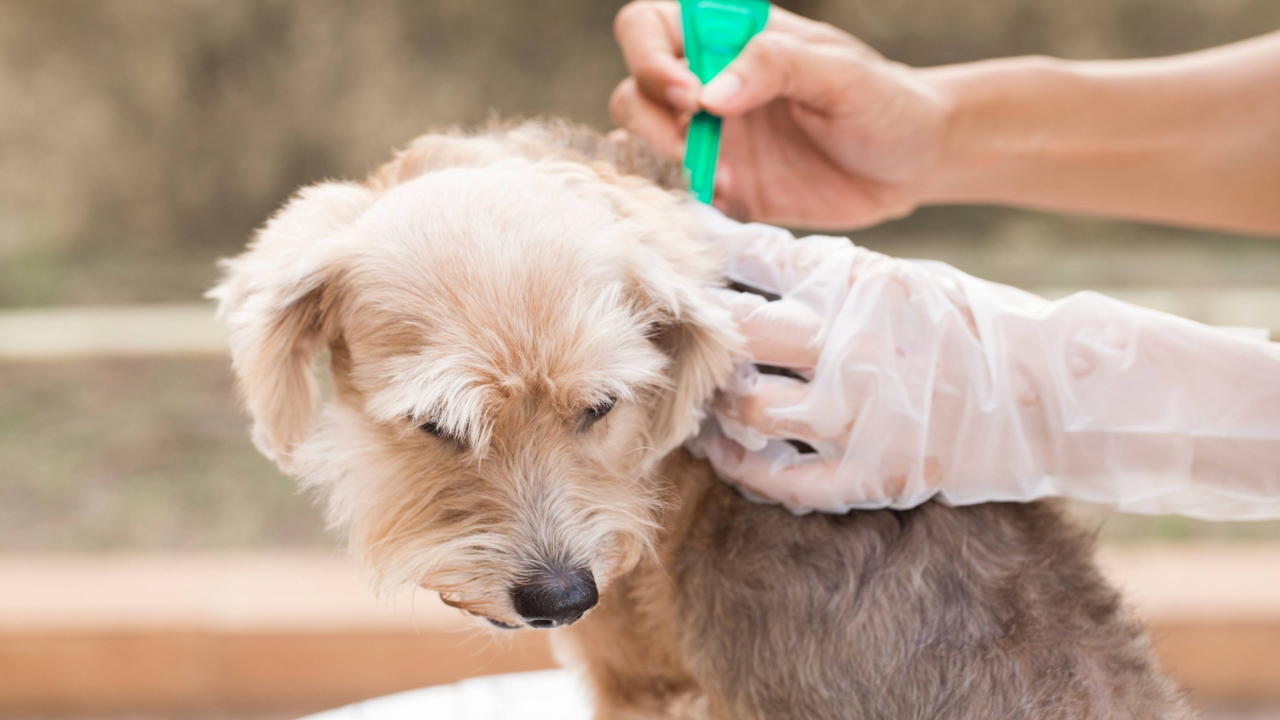
Use a current flea product matched to species and weight. Spot-ons, chews and collars all work, the right pick depends on your pet's lifestyle.
Treat every pet in the home
Fleas don't care which animal is easiest to jump on. Cats, dogs, indoor and outdoor pets all need cover at the same time, otherwise the cycle restarts.
Reset the home environment
Wash bedding, blankets and soft toys on the hottest cycle they can handle. Vacuum carpets, rugs, sofas and skirting boards, then bin the vacuum bag straight away.
Stick with it for three months
The flea life cycle runs roughly 8 to 12 weeks. One treatment kills adults on your pet, but eggs and pupae in the home keep hatching. Stay on monthly cover so the next wave has nothing to land on.
Flea treatments worth considering for dogs
Match the product to your dog's weight and any tick or worm cover you also need. Chewable tablets are easy to dose; spot-ons suit dogs that swim or bathe less; collars are quietly effective for households that prefer set-and-forget.
Flea treatments worth considering for cats
Cats need cat-specific products, never a dog version. Spot-ons stay the most popular pick for cats who tolerate a quick neck application; collars suit cats who hate being handled at dosing time.
Settling the skin after fleas
Once treatment is on board, the bites can stay itchy for a week or two. A gentle oatmeal-based wash and conditioner can take the edge off without irritating already sensitive skin.
When to call your clinic
If your pet has bald patches, raw or weeping skin, pale gums, lethargy or visible flea allergy hot spots, that's a clinic conversation. Heavy infestations on kittens, puppies or older pets can cause anaemia and need same-day advice on safe products.
Frequently Asked Questions
Does flea dirt mean my pet definitely has live fleas?
Yes, in almost every case. Flea dirt only appears after an adult flea has fed, so even if you can't spot a live flea, the dirt confirms one was there recently. Treat as though there's an active infestation.
Can my indoor cat still get fleas?
Yes. Fleas can hitchhike inside on your shoes, clothing, other pets, or through open windows and laundry. Year-round cover is the simplest defence for indoor cats.
What does flea dirt look like compared to soil?
Flea dirt is finer, darker and shaped more like commas than grains. The damp paper test is the giveaway: flea dirt smudges rusty red because it's digested blood. Soil stays brown and just gets muddier.
How fast can fleas multiply?
One female flea can lay up to 50 eggs a day. Eggs roll off your pet into bedding, carpet and cracks in flooring, where they hatch over the following weeks. That's why a single treatment isn't enough, you need a few months of consistent cover.
Do I need to bathe my pet straight away?
A bath can knock off some live fleas and rinse out flea dirt, but it won't break the cycle on its own. Apply your chosen flea treatment first and follow the product instructions on whether to bathe before or after.
Can I use the same product on my dog and my cat?
No. Some dog flea products contain ingredients that are toxic to cats. Always use a species-specific product and check the weight range before dosing.
How often should I run the flea comb check?
Once a week during warmer months, and after any bush walks or visits to other pets' homes. It only takes a minute and catches problems before they turn into full infestations.
Do fleas go away in winter?
Not in most NZ homes. Indoor heating keeps the flea cycle going year-round, and milder winters mean outdoor populations rarely die back. Monthly cover through winter is the safest bet.
Stay one step ahead
Set monthly flea cover up on Autodeliver and save up to 20% on every order. Your treatment turns up before the next dose is due, no last-minute scramble.
SHOP FLEA & WORM