Your cat keeps scratching an ear, shaking their head or leaving dark crumbs around the ear opening. Ear mites are one possible cause, especially in kittens, recently adopted cats and homes with several pets.
These tiny parasites can make ears intensely itchy and inflamed. They also spread easily between animals, so early identification and the right cat-labelled treatment matter. Because mites, wax and ear infections can look similar, a clinic check is the safest way to confirm what is going on.
Quick answer
Cat ear mites are contagious parasites that live in the ear canal. Common signs include head shaking, persistent scratching and dark, crumbly discharge that resembles coffee grounds. A clinic can confirm mites by examining the ear debris. Treatment usually uses a cat-labelled parasite medicine, and every in-contact pet may need appropriate treatment at the same time.
What are cat ear mites?
The most common ear mite in cats is Otodectes cynotis. It lives on the surface of the ear canal and feeds on skin debris and oils. The mites are extremely small, so owners usually notice the irritation and debris they cause rather than the parasites themselves.
Ear mites can affect one or both ears. Heavy infestations may damage the skin through scratching and create the warm, inflamed conditions where bacteria or yeast can also become a problem.
Signs of ear mites in cats
No single sign proves that a cat has ear mites, but this combination should put them on your list of possibilities.
Dark, crumbly debris
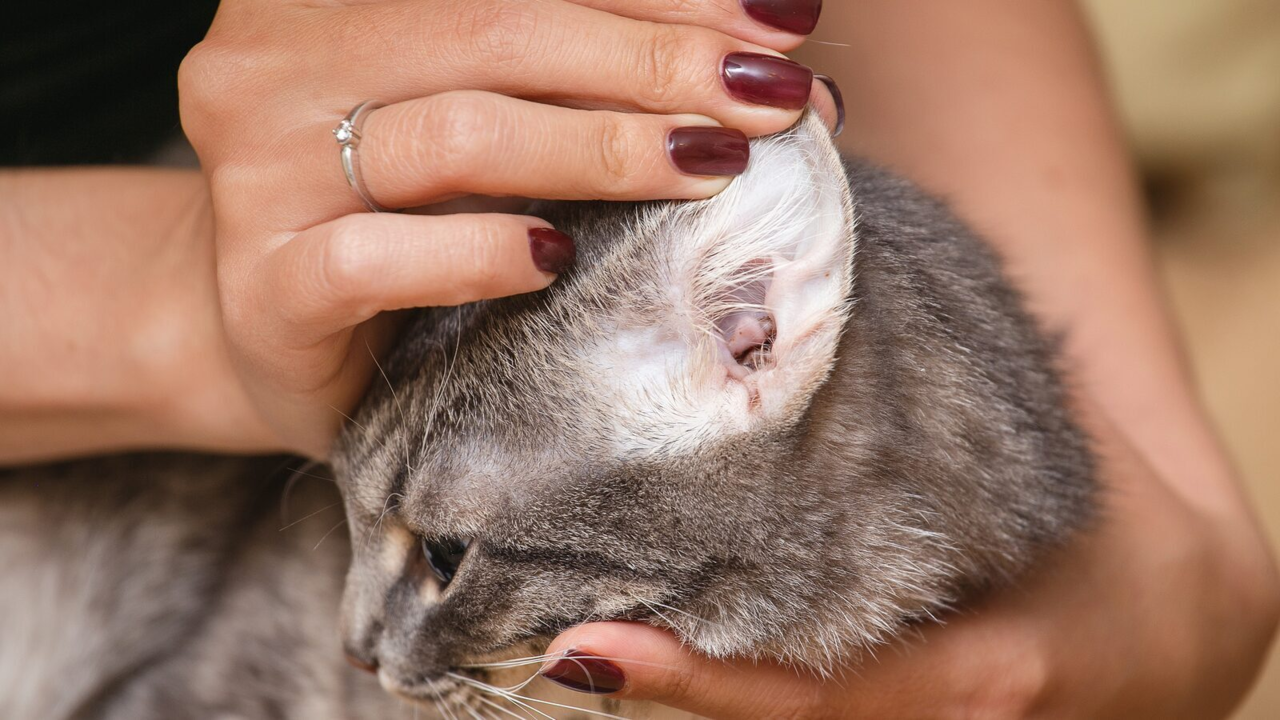
Dry black or dark-brown material can collect in the ear and resemble coffee grounds.
Frequent head shaking
Your cat may shake their head repeatedly as they try to relieve irritation inside the ear canal.
Persistent scratching
Scratching around the ears, cheeks and neck can become intense enough to cause scabs or hair loss.
Red or sore ears
The ear opening may look pinker than usual, inflamed or tender when approached.
Crusts around the ear
Repeated rubbing and scratching may leave small wounds, dried blood or crusted skin.
Unusual ear position
Your cat may hold an ear lower, avoid touch or tilt their head towards the uncomfortable side.
Dark wax does not always mean mites
Yeast, bacteria, allergies, foreign material and ordinary wax can create similar-looking debris. A strong smell, wet discharge, marked pain or swelling can point to another ear problem or a secondary infection. Avoid guessing from colour alone.
How cats catch ear mites
Ear mites spread mainly through close contact with an infested animal. Cats can pass them to other cats, and dogs can carry the same mite. Shared beds, blankets, carriers and grooming tools may also help mites move between pets.
Close-contact living
Kittens sleeping in a litter, cats that groom one another and pets sharing beds have plenty of opportunity for mites to spread.
New pets
A newly adopted kitten or cat may bring mites into the home before obvious scratching or debris appears.
Outdoor contact
Cats that roam or mix with unfamiliar animals have more chances to encounter parasites, although indoor cats are not completely protected.
How ear mites are diagnosed
A clinic can look into the ear with an otoscope and may examine a small sample of debris under a microscope. This helps separate mites from yeast, bacteria, a foreign body or another cause of inflammation.
An examination is especially important if the ear is very painful, the discharge is wet or foul-smelling, or your cat has already had an over-the-counter treatment without improving. The eardrum also needs to be considered before some ear cleaners or drops are used.
How cat ear mite treatment works
Effective treatment is more than removing visible debris. The aim is to kill the mites, settle inflammation, manage any secondary infection and stop mites moving between pets.
Confirm the cause
Have sore or dirty ears checked so you know whether you are dealing with mites, infection, both, or something else.
Use a cat-labelled mite treatment
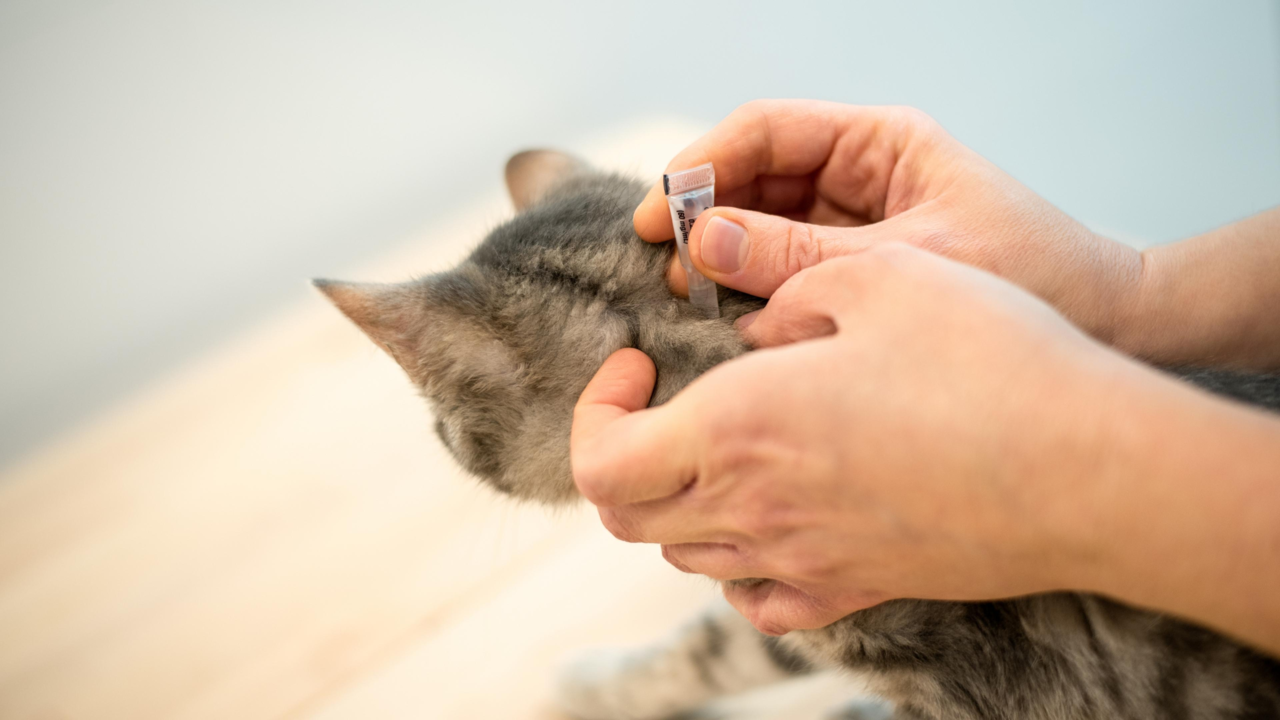
Depending on the product, treatment may be applied to the skin at the back of the neck or used in the ear. Match the product to your cat's species, age and current weight, then follow the label exactly.
Treat in-contact pets
Ask your clinic which cats and dogs in the household need treatment. Each animal needs a product that is safe for their species and weight.
Complete the plan and recheck
Do not stop because the scratching eases. Follow the full label or clinic plan and arrange a recheck if debris, pain or head shaking continues.
Never use a dog flea product on a cat
Some dog-only flea treatments contain permethrin, which is highly toxic to cats. Pyrethrin products can also cause toxicity if misused. Use only products specifically labelled for cats and at the correct dose. If a dog product is applied to a cat, or a cat licks a freshly treated dog, contact a clinic immediately.
Cat-labelled options that include ear mite treatment
Some topical parasite treatments for cats include ear mites on their label as well as other parasites. Protection periods and minimum age or weight rules differ, so weigh your cat, read the current pack and use the correct applicator. If your cat already has painful or inflamed ears, arrange a clinic check before choosing a treatment.
Should you clean your cat's ears?
Cleaning may help remove loose debris, but a sore ear is not the place to experiment. Ask your clinic whether cleaning is needed and which cat-safe product suits the ear. Some cats need the canal assessed before any liquid is introduced.
- Do not push cotton buds into the ear canal.
- Do not use hydrogen peroxide, vinegar, essential oils or homemade drops.
- Do not pull away firmly attached crusts or force handling when your cat is painful.
- Do not rely on cleaning alone, because it does not provide reliable mite control.
- Stop and contact a clinic if cleaning causes pain, bleeding, head tilt or loss of balance.
How to prevent ear mites returning
Prevention is mostly about keeping every suitable pet protected and avoiding gaps that allow mites to pass back and forth.
Keep protection current
If ear mites are a known risk for your cat, choose a cat parasite product that includes them on the label and follow its schedule.
Coordinate the household
Treat in-contact pets as advised rather than treating only the cat that scratches first.
Wash shared bedding
Launder washable bedding and blankets, vacuum favourite sleeping spots and clean shared carriers during treatment.
Clean grooming tools
Wash brushes and combs between pets, particularly after a new cat joins the home.
Check new arrivals
Look for scratching, head shaking and dark debris in newly adopted cats and kittens, and arrange a check if anything seems unusual.
Follow up lingering signs
Ongoing irritation after treatment may mean mites remain, the plan needs repeating, or a secondary ear problem is present.
When to contact your clinic
Arrange a prompt check if your cat has severe or sudden ear pain, a swollen ear flap, bleeding, pus, a strong smell, marked redness, a head tilt, poor balance, reduced appetite or unusual tiredness. Kittens and cats that seem unwell should be seen sooner rather than later.
Also contact your clinic if symptoms continue after treatment, return soon afterwards, or if you are unsure whether a product is safe to use with your cat's age, weight, health conditions or other medicines.
Frequently asked questions
Can you see ear mites on a cat?
They are very small and may look like tiny pale moving specks, but most owners only see dark debris and irritation. Microscopic examination is a more reliable way to confirm mites.
Can indoor cats get ear mites?
Yes. Indoor cats can be exposed through a new pet, a visiting animal or shared bedding and grooming items. Their risk is usually lower when they have no contact with other animals.
Do ear mites spread to other pets?
Yes. Ear mites spread readily between cats and can also affect dogs. Ask your clinic which in-contact pets need species-appropriate treatment at the same time.
Can people catch cat ear mites?
Ear mites do not usually establish an infestation in people. Rare, temporary skin irritation can occur after close contact with an infested pet, so treating the animals and washing shared bedding are sensible steps.
How long does ear mite treatment take?
It depends on the active ingredient and the treatment plan. Some cat spot-ons include ear mites in a single application, while other plans need repeat dosing or follow-up. Always use the schedule on the current label or provided by your clinic.
Are ear mites the same as an ear infection?
No. Mites are parasites, while ear infections commonly involve yeast or bacteria. Mites can inflame the ear and contribute to a secondary infection, so a cat may have both at once. Read our guide to signs of pet ear infections for more detail.
Can I treat ear mites with olive oil or another home remedy?
Home remedies are not a reliable way to eliminate mites and may delay the right treatment. Oils and liquids can also make a painful ear harder to assess. Use a cat-labelled product or a treatment plan from your clinic.
Can I use the same mite treatment on my cat and dog?
Only if each product is specifically labelled for that species and the correct weight range. Never share one applicator or substitute a dog flea treatment for a cat product.
Browse cat mite treatments
Compare cat-labelled parasite treatments and check each pack for the parasites covered, minimum age, weight range and dosing schedule.
SHOP CAT MITE TREATMENTS