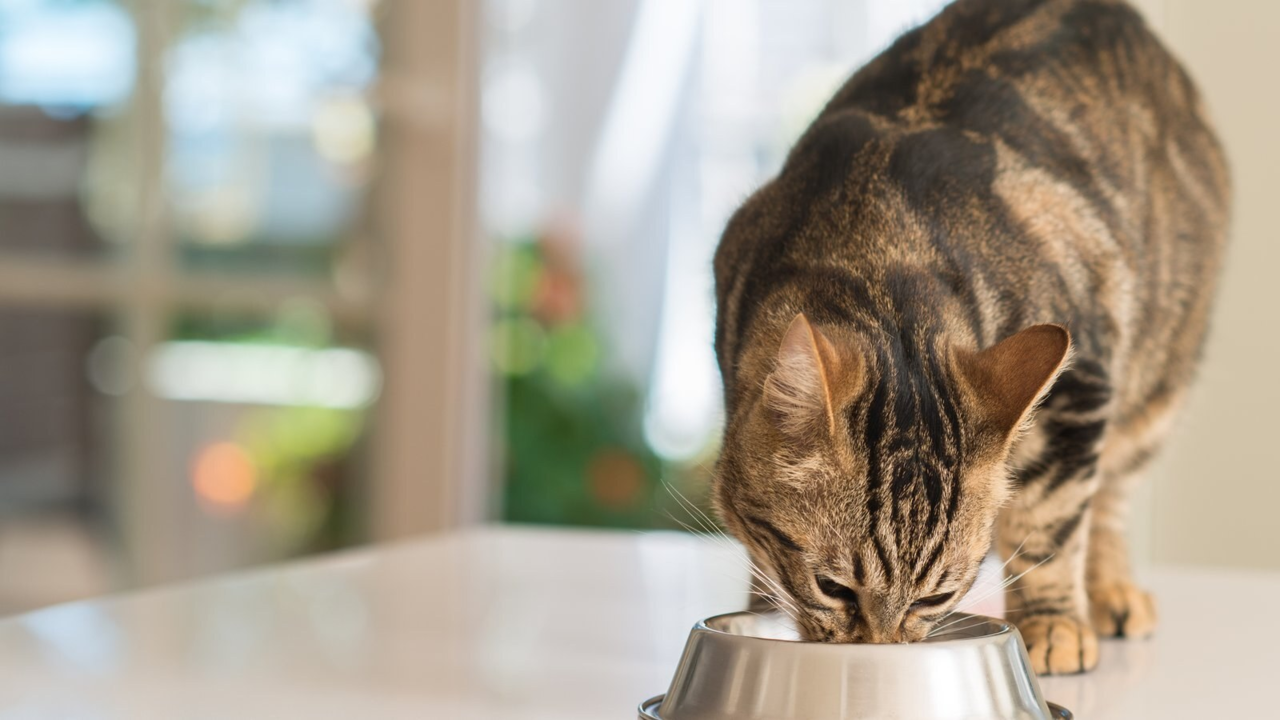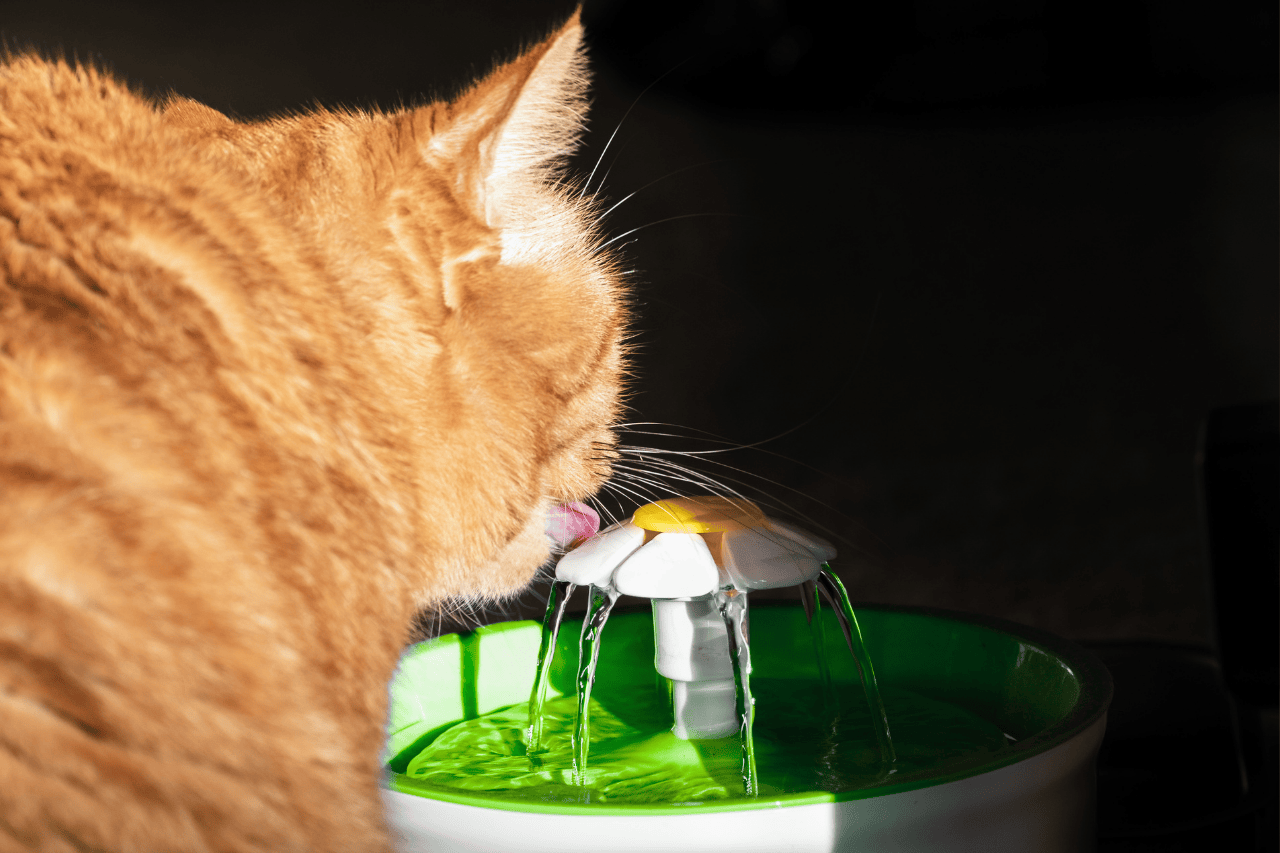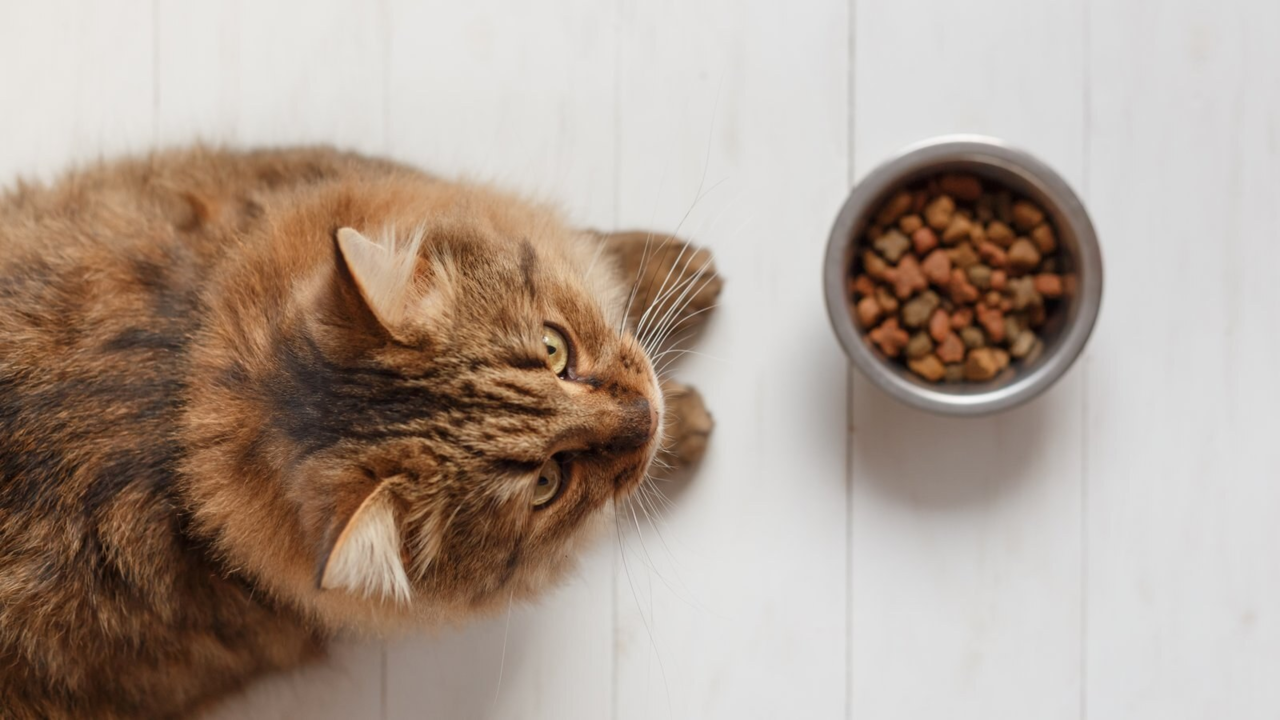
A cat turning away from dinner can be unsettling, especially when they are normally first to the bowl. Sometimes the reason is simple, such as stress, a stale portion or a change in routine. Appetite loss can also be an early sign of pain or illness, so it is important not to assume your cat is simply being fussy.
Petdirect is not a veterinary service, and this guide cannot diagnose your cat. It can help you spot warning signs, take sensible first steps and decide when to contact your own vet for a checkup.
Quick answer
If your adult cat has eaten nothing for 24 hours, contact your vet, even if they seem otherwise settled. Seek help sooner for kittens, senior cats, cats with an existing health condition, or any cat showing vomiting, marked lethargy, breathing trouble, pain or difficulty urinating. Do not force-feed your cat.
When a Cat Not Eating Is an Emergency
Some combinations of appetite loss and other symptoms need immediate veterinary attention. Call your vet or an after-hours veterinary service straight away if your cat:
- is struggling to breathe, breathing with an open mouth, collapsing or unusually unresponsive
- is repeatedly vomiting, cannot keep water down or has a swollen or painful abdomen
- is straining to urinate, passing only drops or producing no urine, especially if they are male
- may have eaten a toxin, medication, string, ribbon, thread or another unsafe object
- has pale, blue or yellow-tinged gums, or appears very weak
- is a young kitten, a frail senior or has diabetes, kidney disease or another ongoing condition
Important for male cats
A blocked bladder is a life-threatening emergency. A male cat may keep visiting the litter tray, strain, cry, lick around their genitals or pass little to no urine. This can look like constipation. Do not wait to see if it improves. Contact a vet immediately.
Why Is My Cat Not Eating?
Appetite loss is a symptom rather than a diagnosis. The cause may sit with the mouth, stomach, kidneys, airways, environment or even the food bowl. Look at your cat's overall behaviour rather than focusing on the bowl alone.
Dental or mouth pain
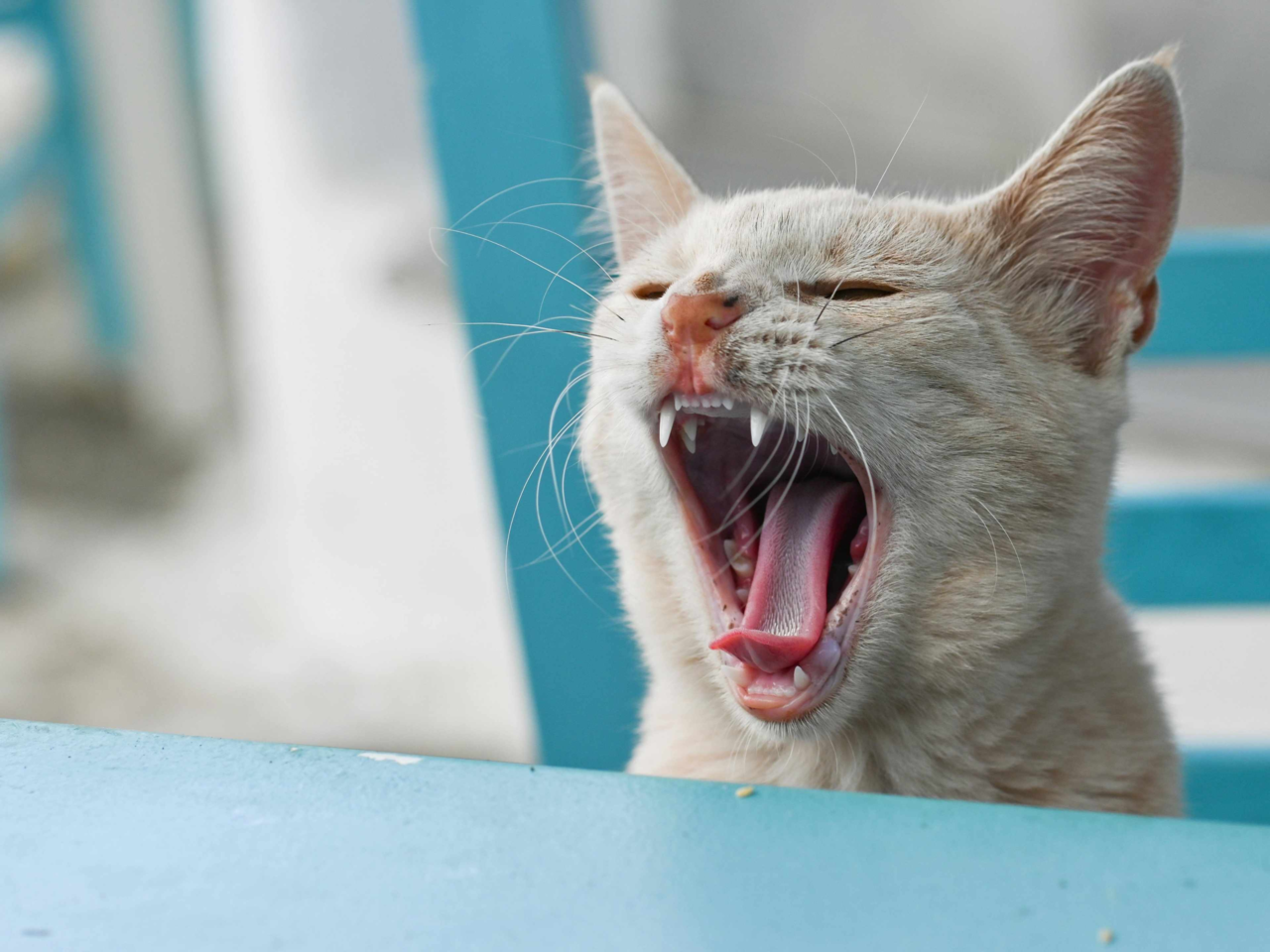
Sore teeth, inflamed gums, mouth ulcers or a damaged tooth can make chewing painful. Your cat may approach the bowl eagerly, then back away, chew on one side, drop food, drool or prefer soft food.
Nausea or illness
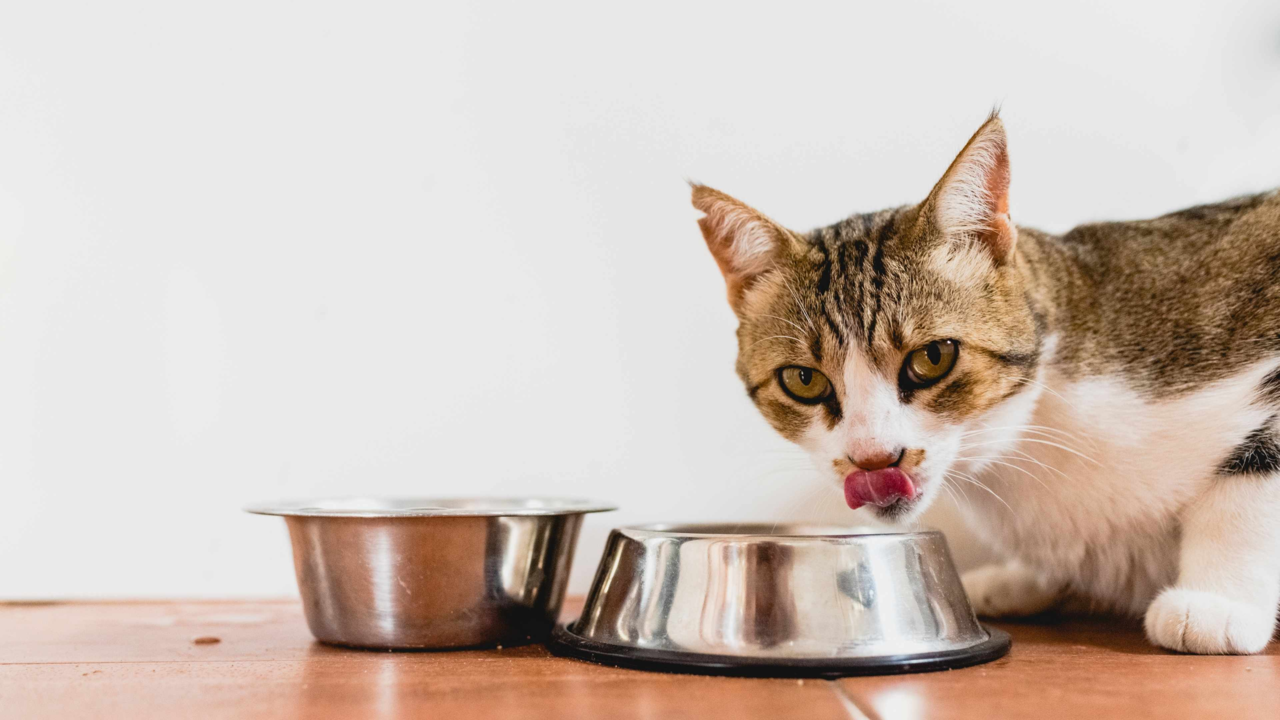
Kidney problems, liver problems, pancreatitis, fever, diabetes and digestive upsets can all reduce appetite. A nauseous cat may lick their lips, swallow repeatedly, sniff food and walk away, or sit hunched.
Pain elsewhere in the body
Injuries, abdominal discomfort and stiff joints can make it hard to reach a bowl or settle into an eating position. Senior cats may find a low bowl or slippery feeding area uncomfortable.
Reduced sense of smell
Cats rely heavily on smell when deciding whether to eat. A blocked nose or upper airway problem may make familiar food seem unappealing, even when the cat is hungry.
Stress or a routine change
Moving house, visitors, building noise, a new pet, another cat guarding the bowl or a change in feeding time can affect appetite. Stress is possible, but it should not be used to rule out illness.
A food or bowl issue
Food may be stale, cold, served in an unclean bowl or different from the usual recipe. Some cats prefer a wide, shallow dish that does not press against their whiskers as they eat.
Medication or recent treatment
Some medicines, procedures or treatments can temporarily affect appetite. Contact the prescribing vet for advice rather than stopping medication or changing the dose yourself.
A urinary blockage
A blocked bladder can cause pain, nausea and appetite loss. This is particularly important in male cats and always needs urgent veterinary care.
How Long Can a Cat Go Without Eating?
There is no safe number of days to wait. Cats can become seriously unwell when they stop eating, and an overweight cat is at particular risk of hepatic lipidosis, also called fatty liver syndrome. This can develop after a short period of little or no food and requires veterinary treatment.
As a practical rule, contact your vet if an adult cat has eaten nothing for 24 hours. Call sooner if appetite loss comes with another symptom, if your cat is only taking tiny licks, or if they are a kitten, senior, pregnant, underweight or managing an ongoing condition. Very young kittens can deteriorate within hours.
If you are unsure how much your cat has eaten, especially in a multi-cat home, separate them briefly with their own food, water and litter tray so you can monitor accurately. Do not let monitoring delay a vet call when your cat seems unwell.
What to Check Before You Call Your Vet
A few clear observations can help your vet assess urgency. Note what has changed and when it started.
Food intake
Record the last proper meal, any treats eaten and whether your cat is refusing all food or only one texture. In a multi-cat home, confirm another cat is not eating their portion.
Water and litter tray habits
Check whether your cat is drinking, urinating and passing stools. Frequent tray visits, straining or no urine require urgent attention.
Behaviour and posture
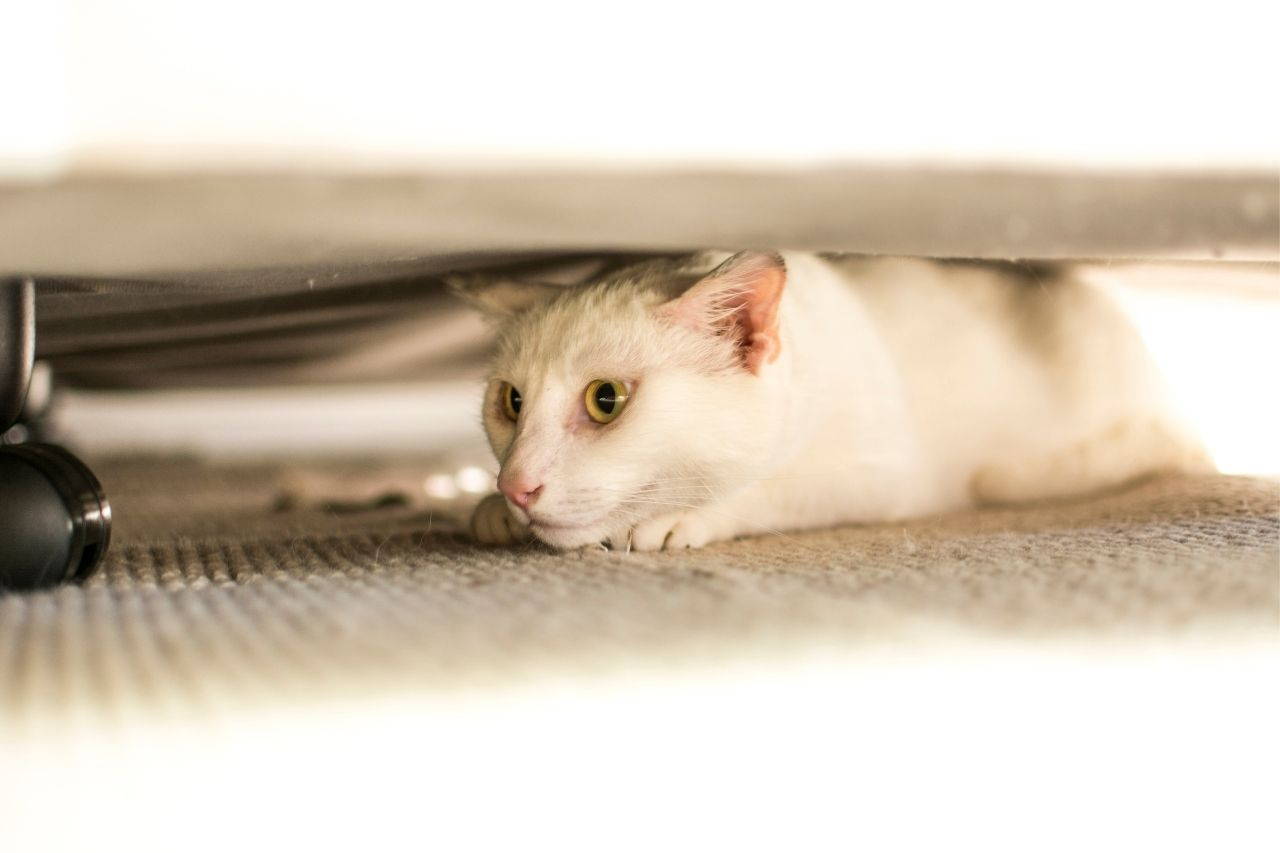
Look for hiding, restlessness, a hunched posture, unusual vocalising, weakness, reduced grooming or reluctance to jump.
Vomiting and diarrhoea
Note how often it happens and what you see. Repeated vomiting, blood, marked weakness or inability to keep water down needs prompt care.
Mouth and face
Without forcing the mouth open, watch for drooling, bad breath, pawing at the face, swelling or food falling out while chewing.
Recent changes
Tell your vet about a new food, medication, move, visitor, new pet, outdoor incident or possible access to toxins and foreign objects.
Safe Ways to Encourage Eating at Home
These steps are suitable only when your cat is alert, comfortable and showing no emergency warning signs. They should not delay a veterinary check if your cat has eaten nothing for 24 hours or you are worried.
- Offer a small, fresh portion of your cat's usual food in a quiet place away from other pets, busy walkways and the litter tray.
- Warm wet food slightly so it is closer to body temperature and smells stronger. Stir it thoroughly and check it is not hot before serving.
- Try a clean, wide and shallow ceramic or stainless-steel bowl. Place it somewhere your cat can eat without feeling cornered.
- Add a small amount of warm water to familiar wet food if your cat accepts the texture. This can lift the aroma and add moisture.
- Keep the food familiar. Rapidly opening many flavours or making sudden diet changes can create more stress or digestive upset.
- Write down what your cat eats, drinks and does in the litter tray so you can give your vet a useful timeline.
What not to do
Do not force-feed or syringe-feed unless your vet has shown you exactly how and confirmed it is appropriate. It can cause distress, food aversion or food entering the airway. Do not give human medicines, appetite remedies or leftover prescriptions. Never rely on treats alone for several days while the cause remains unknown.
Wet Food Options for Cats Ready to Eat Again
If your vet has ruled out an urgent problem, or your otherwise well cat is simply hesitant about a familiar meal, the aroma and moisture of wet food may help. Choose food that suits your cat's age and health needs. A retail food should never replace a veterinary diet prescribed for a medical condition.
Helping Your Cat After Their Appetite Returns
Once your cat starts eating again, keep an eye on portion size, water intake, litter tray habits and energy. A few bites are encouraging, but they do not always mean the underlying problem has passed. If appetite remains reduced, stops again or your cat loses weight, arrange a checkup with your vet.
Follow any feeding plan your vet gives you. If a diet change is appropriate, move gradually unless your vet advises otherwise. For cats on long-term prescription food, confirm any toppers, treats or alternative foods before offering them.
Frequently Asked Questions
Is one missed meal an emergency for a cat?
Not always. A healthy adult cat may occasionally miss one meal, but their next meal and overall behaviour should be watched closely. Contact your vet sooner if there are other symptoms, and call if your cat has eaten nothing for 24 hours.
Can stress make my cat stop eating?
Yes. Moving, visitors, noise, conflict with another pet or a changed routine can reduce appetite. Because illness can look similar, contact your vet if the appetite loss continues or your cat seems unwell.
Why does my cat sniff food and walk away?
Nausea, mouth pain, reduced smell, stress or a food issue can all cause this pattern. If it happens repeatedly or your cat is eating very little, arrange a veterinary check.
Can warming cat food help?
Gently warming wet food can increase its aroma and make it more appealing. Stir it well and test the temperature before serving. Do not use this as a reason to delay contacting your vet.
Should I syringe-feed a cat that will not eat?
No, not unless your vet has instructed you and shown you how. Force-feeding can cause distress, strengthen food aversion and risk food entering the airway.
What if my cat is drinking but not eating?
Drinking does not make prolonged appetite loss safe. Contact your vet if your cat has eaten nothing for 24 hours, and sooner if drinking has suddenly increased or your cat has other symptoms.
Should I change my cat's food straight away?
Start by offering a fresh portion of familiar food unless your vet recommends something different. Sudden food changes can add stress or cause digestive upset. A cat who refuses all foods still needs assessment.
Why is my senior cat eating less?
Age-related changes, dental pain, stiff joints, reduced smell and health conditions may all affect appetite. Reduced eating in a senior cat deserves prompt attention rather than being dismissed as normal ageing.
What should I do if my male cat is straining in the litter tray?
Contact a vet immediately. Straining with little or no urine may be a blocked bladder, which is a life-threatening emergency.
Keep Familiar Cat Food Ready
Once your cat is well and eating normally, keeping their familiar food on hand can make mealtimes more consistent. Browse wet cat food, or use Autodeliver for eligible food and other consumables. Pet Perks can help you keep track of your cat's routine and everyday care.