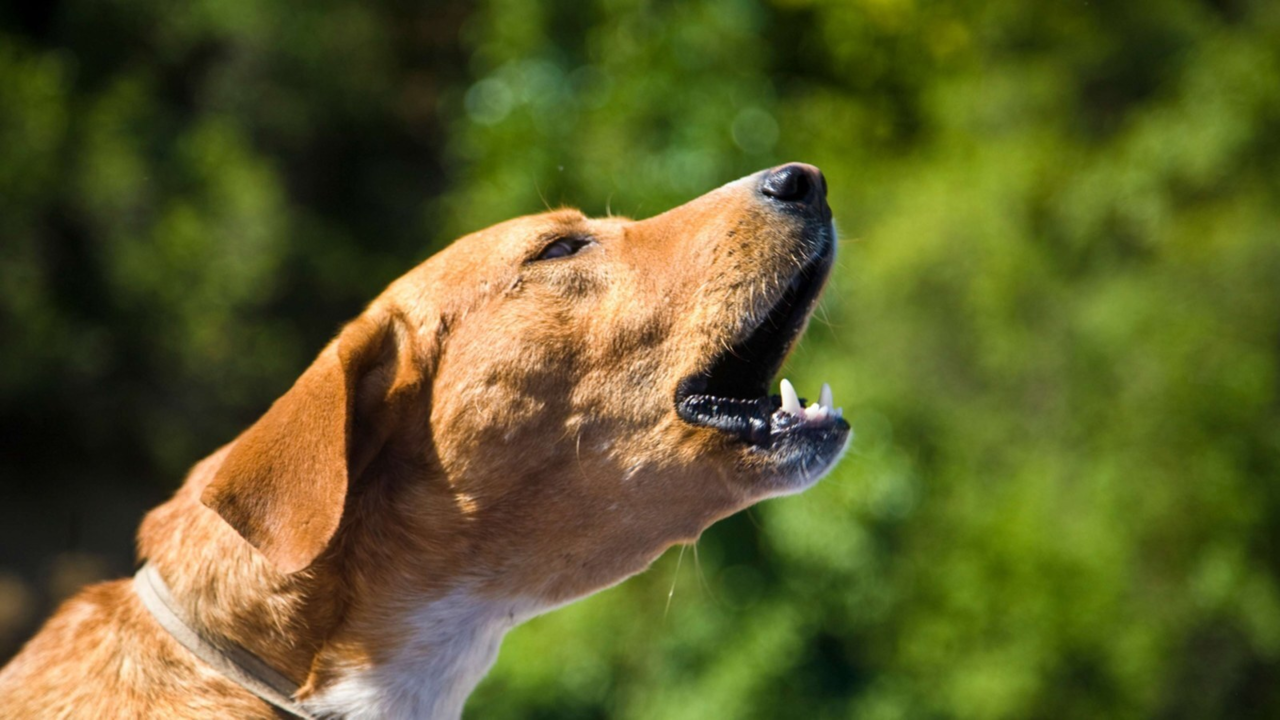
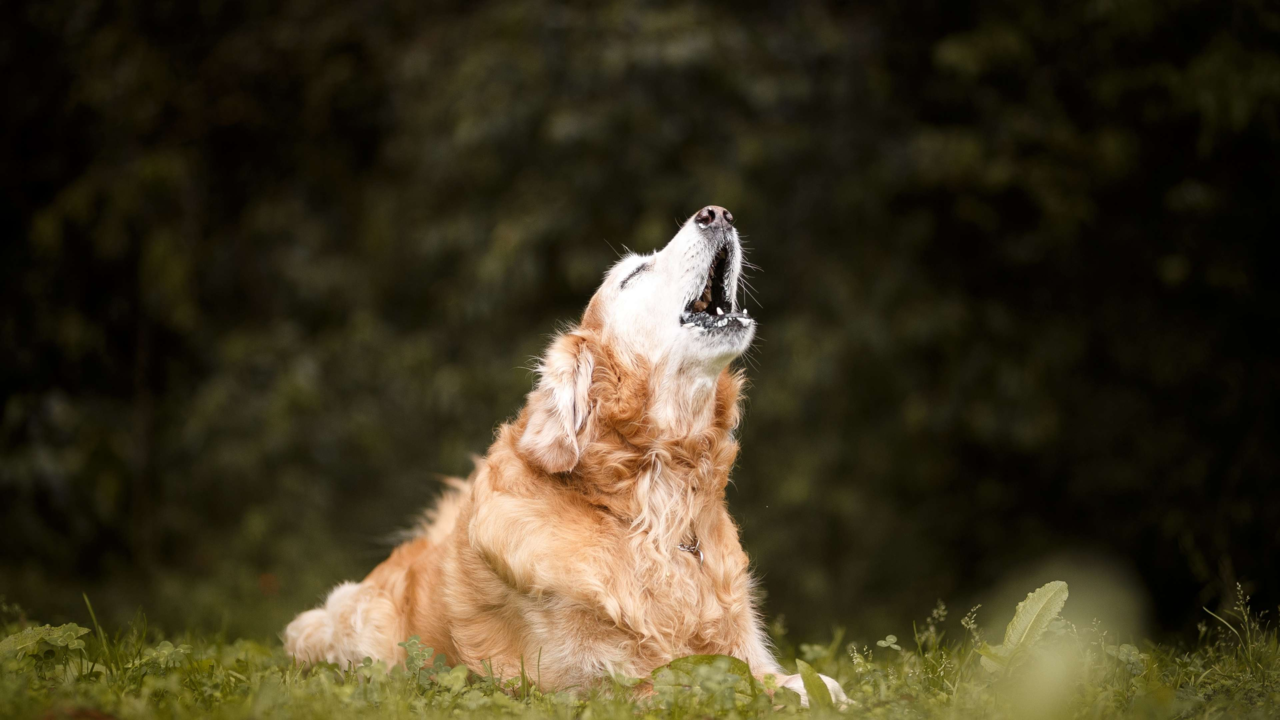
A person walks past the window, a courier stops at the gate or a dog appears across the road, and suddenly your dog is barking as if the whole neighbourhood needs to know. This kind of alert barking is common because movement outside can feel exciting, worrying or important. It can also become a well-practised habit when every passer-by disappears after the barking starts.
Quick answer
Your dog may bark at everything that passes by because they are alerting you, guarding their space, feeling worried, frustrated that they cannot reach the trigger or simply repeating a habit that works. Start by limiting access to busy windows and fences, then reward your dog for noticing a trigger and turning back to you. A calm mat station, more distance and short reward-led practice sessions can help replace barking with a quieter routine.
The goal is not to stop every bark. A brief alert can be normal. The useful change is helping your dog recover sooner, respond to you and choose a calmer action instead of racing from window to window.
Why dogs bark at people, dogs and cars passing by
Barking is communication. The same sound can come from very different feelings, so watch what happens before, during and after the barking. A dog who bounds towards the window with a loose body may be excited or frustrated. A dog who freezes, leans forward or backs away may feel less comfortable. Some dogs have learnt that the front window is their job, while others are reacting to sounds before they can even see what caused them.
Alerting
Your dog notices something new and lets the household know. The barking may stop once you acknowledge them or the person moves on.
Territorial behaviour
The window, gate or fence line feels like a boundary to defend. Each departing passer-by can make barking feel successful.
Frustration
Your dog wants to investigate, greet or chase but a barrier prevents it. Fast movement can make this feeling stronger.
Worry
The trigger feels too close or unpredictable. Barking creates distance and may be paired with a stiff body, tucked tail or repeated scanning.
Boredom and habit
Watching the street can become the day’s main activity. The more often your dog rehearses the routine, the faster it starts.
Social excitement
Some dogs bark because they expect a visitor, walk or game. Their body may look wiggly even though the noise is intense.
Look at the whole dog
Do not judge the feeling from the bark alone. Notice your dog’s mouth, tail, weight shift, movement and ability to take food. These clues help you choose whether to redirect excitement, add more distance or simply make the environment quieter.
Start by changing what your dog can practise
Training is much harder if your dog spends hours racing along the fence or watching a busy footpath. Environmental changes are not avoiding the problem. They lower the number of intense reactions so your dog has room to learn a new response.
- Use a frosted window film, curtain or furniture change to block the busiest sightline.
- Create a comfortable resting spot away from the front door and street-facing windows.
- Bring your dog inside during predictable busy times, such as school pick-up or courier rounds.
- Use background sound to soften footsteps, gates and neighbourhood dogs.
- Supervise garden time if the fence line has become a regular barking route.
- Keep a lead and small rewards near the door for calm, planned practice.
You do not need to block every view forever. Begin with enough management to stop repeated full-volume barking, then reintroduce easier views in short sessions as your dog’s new skills improve.
Teach a calmer response to passers-by
Instead of waiting for a barking explosion and repeating “quiet”, teach your dog what to do when they first notice movement. The pattern is simple: see the trigger, turn back to you, collect a reward and move to a calm place. Practise when the person or dog is far enough away that your dog can still think and eat.
1
Begin at an easy distance
Stand well back from the window, gate or footpath. If your dog is already barking continuously, increase the distance or block more of the view before continuing.
2
Mark the first calm look
As your dog notices the passer-by but remains quiet, say a short marker such as “yes” or click once. Offer a small reward beside you, away from the trigger.
3
Repeat the turn-away pattern
Let your dog look again. Mark and reward another glance back. With repetition, seeing a person outside begins to prompt a check-in instead of a rush towards the glass.
4
Move to a mat
Toss a reward onto a familiar mat or guide your dog there. Reward a few seconds of staying, then release them once the trigger has passed.
5
Build difficulty slowly
Practise with quieter triggers before trying dogs, runners, scooters or delivery drivers. Change only one detail at a time, such as distance, speed or how long the trigger remains visible.
Reward the moment before barking
The most useful practice happens when your dog notices something and remains able to respond. If barking has already started, calmly guide them away, help them settle and make the next repetition easier. Avoid shouting, because extra noise can add to the excitement.
Build a reliable mat station
A mat gives your dog a clear alternative to charging the window or front door. Start when nothing is happening outside. Place the mat in a calm area, then reward your dog for looking at it, stepping onto it and eventually lying down. Keep early sessions short and release your dog before they get up on their own.
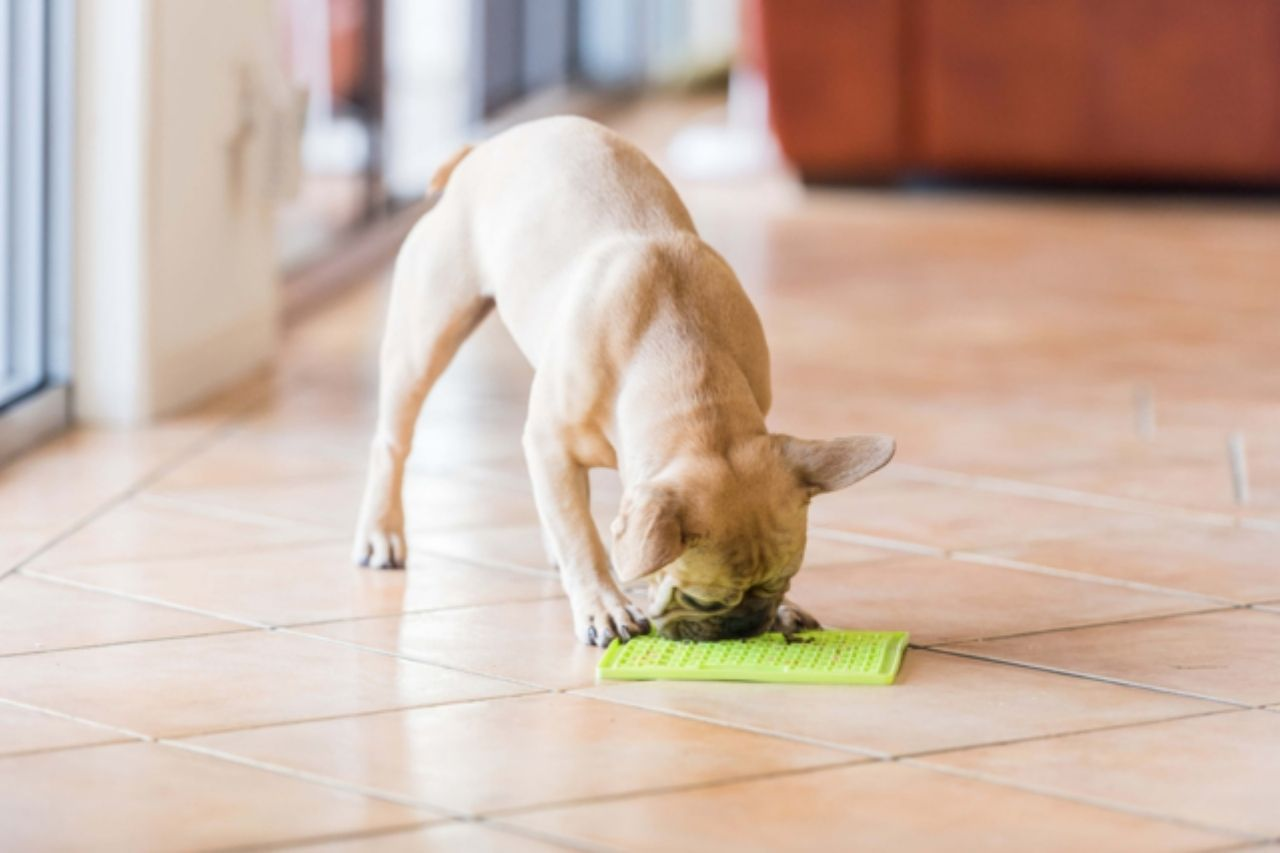
Once the mat has a strong history, add mild household distractions. Walk towards the door, touch the handle or play a quiet door sound, then reward your dog for staying on the mat. Later, use the station when a low-level trigger passes at a distance. A lick mat, stuffed toy or scatter of small treats can support the wind-down, provided your dog is comfortable enough to eat.
The mat should not feel like punishment. Make it a place where calm activities happen, and keep it far enough from the window that your dog does not need to monitor the street while lying there.
What to do when your dog is already barking
When your dog is fully focused on the trigger, a familiar cue may not work. Move closer calmly, block the view if you can and guide your dog away with a treat scatter or a cheerful cue they already know. Give them time to settle before asking for more.
| What you notice | What it may mean | What to try next |
|---|
| One or two barks, then a check-in | Your dog can still think and respond. | Acknowledge the alert, reward the check-in and send them to their mat. |
| Fast barking with a loose, wiggly body | Excitement or greeting frustration may be driving the response. | Add distance, use a food scatter and practise calm observation for shorter periods. |
| Stiff posture, staring or repeated lunging | The trigger is too difficult at this distance. | Block the view, move away and restart later with much more space. |
| Barking continues after the trigger has gone | Your dog is taking longer to settle after becoming highly aroused. | Offer a quiet sniffing or licking activity and reduce exposure for the rest of the session. |
| Barking starts at sounds before anything appears | Audio cues have become part of the pattern. | Use background sound and practise with very quiet recordings while rewarding calm behaviour. |
Make calm behaviour worth repeating
Dogs quickly learn which actions change their environment. If barking makes a person disappear, it can feel effective even though the person was always going to walk away. Your reward needs to arrive earlier, when your dog notices the trigger and chooses a quieter response.
Use small, easy-to-eat rewards so you can reinforce several calm choices without interrupting the session. Sniffing, going outside, playing with a toy and returning to a favourite resting spot can also be rewards. Over time, vary what your dog earns, but keep rewarding difficult wins such as staying grounded while a courier approaches.
Everyone at home should follow the same pattern. Agree on one marker word, one mat cue and one plan for managing the window. Consistency helps your dog understand the new routine faster.
Add enrichment without creating more excitement
A dog whose day includes sniffing, chewing, exploring and rest is less likely to use the front window as their only entertainment. That does not mean exhausting your dog before every busy period. Very intense exercise can leave some dogs more wound up, so balance movement with slower activities.
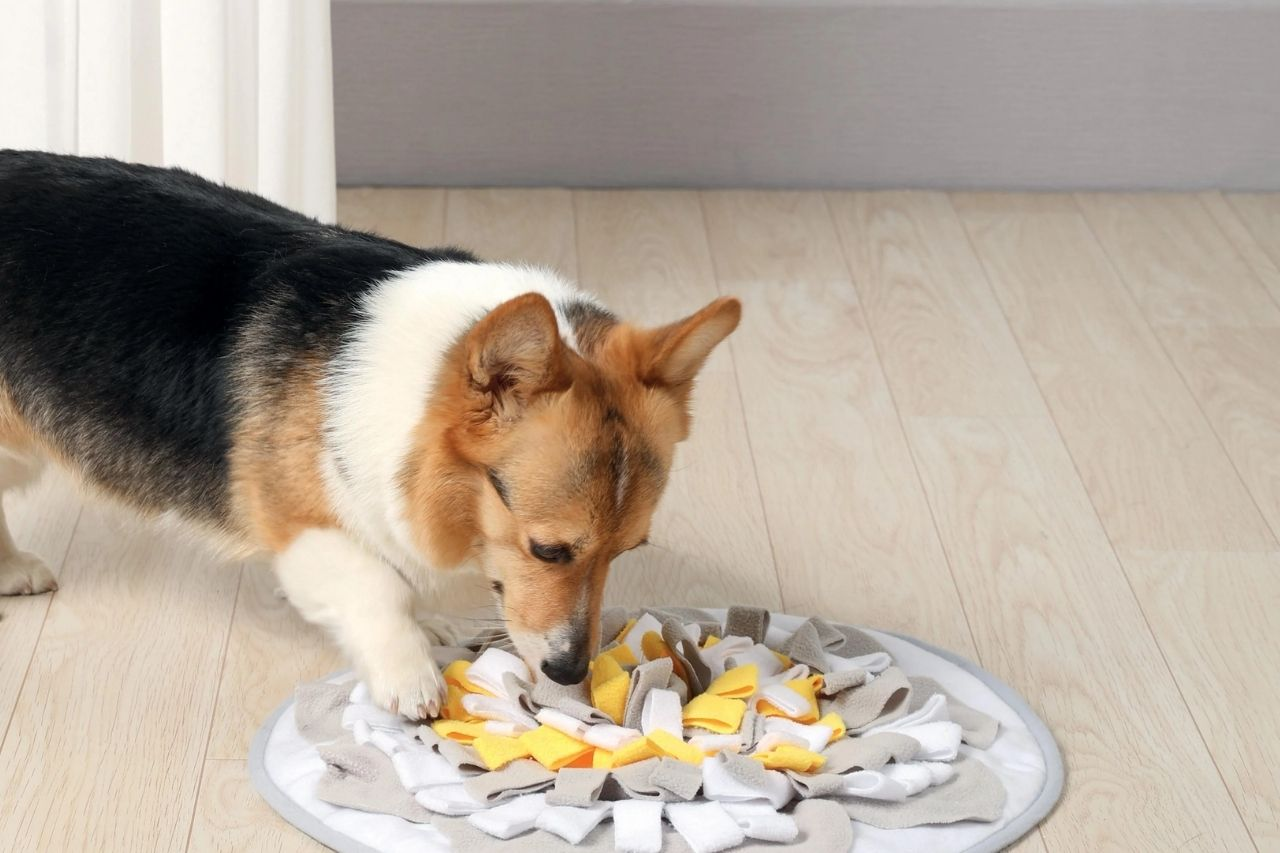
- Scatter part of a meal across the lawn or a snuffle mat.
- Use a food puzzle in a quiet room away from the street.
- Take a relaxed sniffing walk where your dog can explore at a comfortable pace.
- Practise two or three minutes of mat work, check-ins or easy tricks.
- Protect regular sleep and uninterrupted downtime.
Choose activities that suit your dog and supervise enrichment items. If your dog abandons food to rush back to the window, the trigger is still too close or the environment needs more management.
Helpful gear for calmer everyday practice
A training lead can help you create space around gates and outdoor triggers, while a clicker or short verbal marker can pinpoint the calm choice you want to reward. Snuffle mats, dog-safe lick mats and puzzle toys can support settling away from the window. Gear works best as part of a clear routine, rather than as a way to silence barking on its own.
Common mistakes that can keep barking going
Shouting over the barking
Your dog may hear this as extra noise or attention. Guide them away calmly and reset instead.
Waiting for a big reaction
Practise at the first glance or ear movement. Learning is harder once your dog is racing and barking.
Moving too close too soon
A skill learnt behind a covered window may not be ready for the front gate. Increase difficulty in small steps.
Removing every reward quickly
Keep rewarding challenging situations. Everyday praise can replace some food only after the new response is reliable.
Allowing unsupervised fence running
Repeated practice strengthens the old routine. Manage outdoor access while you teach a calmer option.
Expecting complete silence
A realistic goal is a shorter alert followed by recovery, not removing a dog’s natural communication.
Frequently asked questions
Why does my dog bark at everyone who walks past?
They may be alerting, guarding their space, feeling worried or frustrated by the barrier. Because each person keeps walking, barking can also feel successful. Management plus reward-led practice can change the pattern.
Should I say “quiet” when my dog barks?
A quiet cue can help after it has been taught in easy situations. Repeating it during intense barking usually adds noise. First create distance or block the view, then reward the first pause.
Will closing the curtains make the problem worse?
No. Reducing visual triggers can stop repeated rehearsal while your dog learns another response. You can later uncover a small area for short, planned practice.
Why does my dog bark more at delivery drivers?
Drivers approach the property, make unusual sounds and then leave, which can make barking feel especially effective. Prepare a mat activity before expected deliveries and keep your dog away from the door.
How long will training take?
You may see small improvements within days, but a long-standing habit takes consistent practice. Measure progress by faster recovery, fewer full reactions and more voluntary check-ins.
Can I use treats if my dog is barking from fear?
Yes. Food does not reward fear. When your dog can eat, pairing the trigger with something good can support a calmer response. If they cannot eat, move farther away and make the situation easier.
What if my dog barks at noises I cannot hear?
Dogs notice sounds at different frequencies and distances from us. Use background noise, note the time and place of each reaction, and reward calm orientation towards you.
Can I train this on walks too?
Yes. Begin with plenty of distance from people, dogs and vehicles. Mark a calm glance, reward beside you and move away before your dog becomes overwhelmed.
Help your dog notice, check in and settle
Explore training and enrichment essentials that support calmer practice around everyday neighbourhood distractions.
SHOP DOG TRAINING & BEHAVIOUR
Related reading