Has your cat stopped jumping onto the bed, or started hesitating before leaping onto the couch? It might seem like a normal part of getting older, but changes in how your cat moves can be one of the earliest signs of arthritis. Studies suggest that up to 90% of cats over the age of 12 have some degree of joint disease, yet most owners never realise because cats are so good at hiding discomfort.
The good news is that once you know what to look for, there is plenty you can do to help your cat stay comfortable and active for longer. This guide walks you through the early signs, what causes feline arthritis, and the best ways to support your cat at home.
8 Early Signs Your Cat May Have Arthritis
Cats are experts at masking pain, so the signs tend to be subtle. If you notice any of the following changes, it is worth paying closer attention.
Jumping less or hesitating before jumping
Your cat used to leap onto the kitchen bench without a second thought. Now they pause, look up, or take a lower route. This is one of the most common early signs.
Difficulty with stairs
Going up or down stairs more slowly, or avoiding them altogether. You might notice your cat taking one step at a time rather than bounding up.
Stiffness after resting
If your cat seems a bit stiff or slow when they first get up from a nap but loosens up after moving around, that is a classic sign of joint discomfort.
Less grooming or matted fur
Cats with sore joints often struggle to twist and reach certain areas. You might notice matted patches on their back, hips, or hind legs where they can no longer groom comfortably.
Missing the litter box
If your cat has started going outside the litter box, it could be because climbing in and out has become painful. A high-sided tray can be especially tricky for stiff joints.
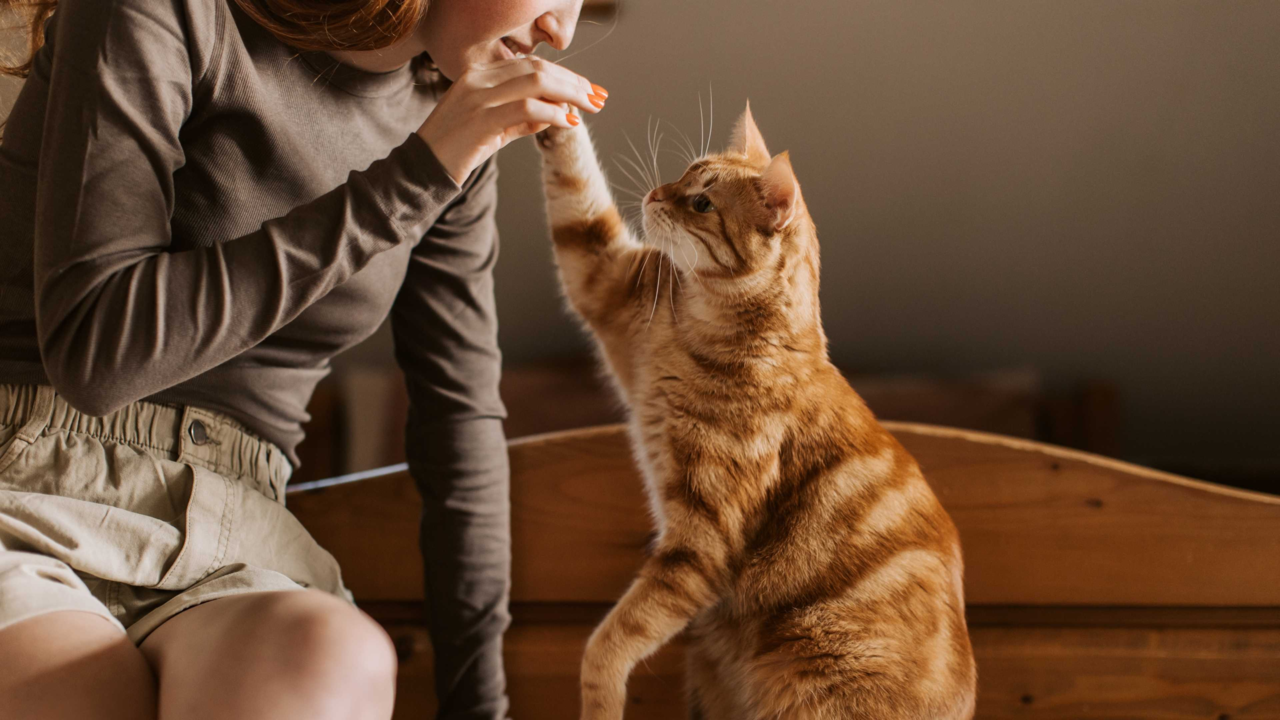
Less interest in play
A cat that used to chase feather wands or bat at toys but now just watches from a distance may be avoiding movement that causes discomfort.
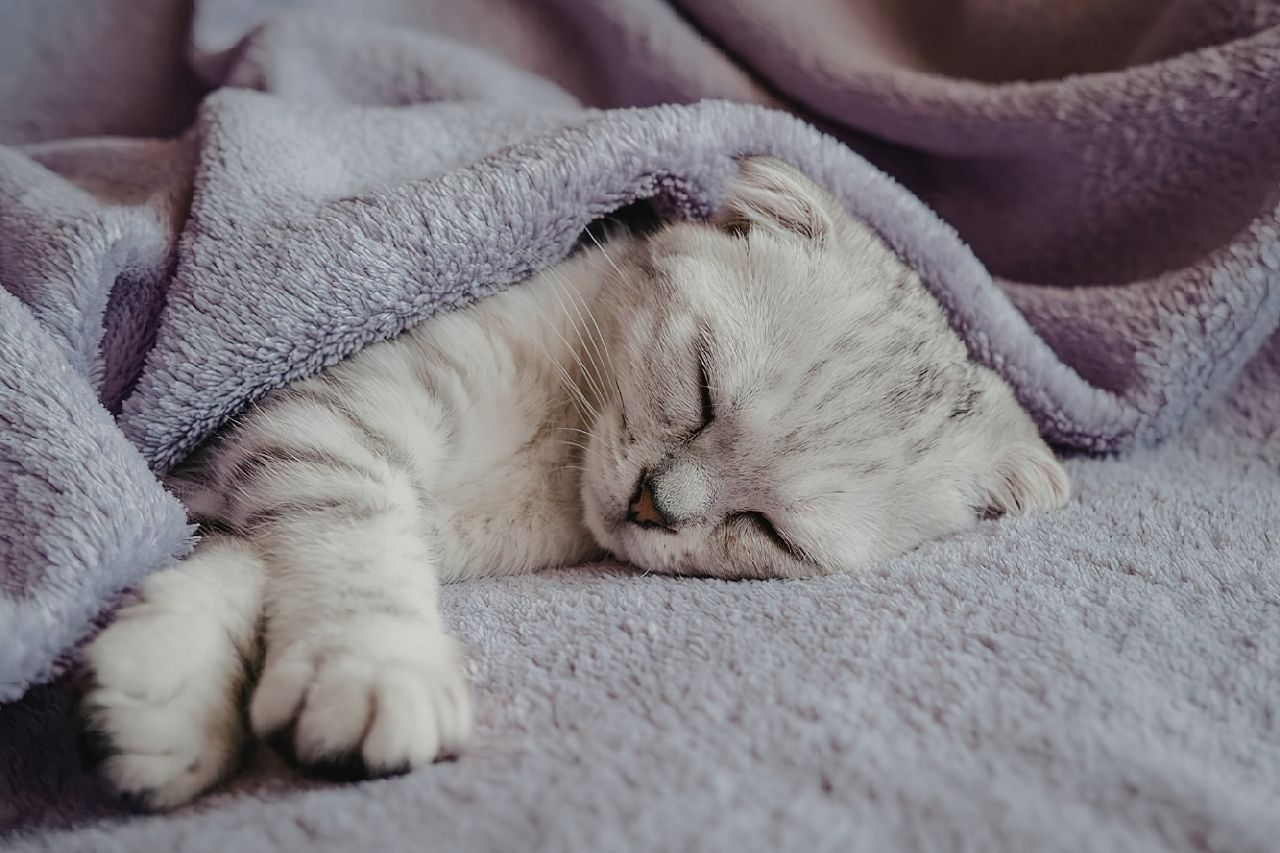
Sleeping more or hiding
Cats in pain often withdraw. If your cat is spending more time tucked away in quiet spots or sleeping much more than usual, it could be their way of coping.
Changes in mood or behaviour
Some cats become grumpier or more sensitive to being touched, especially around the hips, lower back, or legs. Others may seem quieter and less engaged than they used to be.
If you notice any of these signs, a check-up with your vet is a good first step. They can assess your cat's joints and advise on the best approach. For more on spotting early changes, see our guide to signs your senior cat needs extra support.
What Causes Arthritis in Cats?
There is no single cause. Arthritis usually develops gradually over time as part of the natural ageing process, but several factors can speed things up.
Age
The older your cat, the more wear and tear on their joints. Most cats over seven are at increased risk.
Weight
Extra body weight puts more pressure on joints, increasing the rate of cartilage breakdown. Maintaining a healthy weight is one of the best things you can do.
Previous injuries
A broken bone, ligament damage, or joint infection earlier in life can lead to arthritis in that joint later on.
Genetics
Some breeds, including Scottish Folds, Maine Coons, and Persians, may be more prone to joint issues.
Lack of activity
Cats that are very sedentary can lose muscle mass around their joints, reducing support and stability.
Indoor lifestyle
Indoor cats can be at higher risk if they are less active and carrying extra weight. Regular play helps keep joints healthy.
How to Help Your Cat at Home
While arthritis cannot be reversed, there is a lot you can do to slow it down and keep your cat comfortable. Small changes at home can make a real difference.
Make getting around easier
Place pet steps or ramps near the bed, couch, and favourite windowsills so your cat does not have to jump. Switch to a low-sided litter tray and move food and water to ground level.
Keep them warm
Cold weather can make stiff joints feel worse. A warm, padded bed in a draught-free spot helps. Heated beds or self-warming mats are a great option during the cooler months.
Encourage gentle movement
Short, gentle play sessions with a wand toy or a slow-rolling ball help maintain muscle strength and joint flexibility. Puzzle feeders keep them engaged without strain.
Watch their weight
Maintaining a healthy weight is one of the most effective things you can do. Even a small reduction can take meaningful pressure off sore joints. Talk to your vet about a gradual plan.
Groom them gently
If your cat is struggling to groom themselves, a soft brush can help keep their coat in good condition and is a nice way to bond without putting pressure on sore spots.
Adjust their routine
Keep things predictable and low-stress. Avoid rearranging furniture or moving their favourite resting spots. Consistency helps cats with joint issues feel safe and settled.
Joint Supplements That Can Help
Joint supplements can support cartilage health, reduce inflammation, and improve mobility over time. They work best when started early, before significant joint damage has occurred. Here are some of the most popular options available in New Zealand.
4CYTE Epiitalis Forte Cat is a plant-based gel that supports cartilage regeneration and is easy to mix into food. VetSynova JC Joint Care Complex is a daily powder that combines glucosamine, chondroitin, and green-lipped mussel extract. Nutreats Vitals Hip and Joint is a New Zealand-made powder with green-lipped mussel and turmeric.
Silberhorn PetMussel provides concentrated NZ green-lipped mussel, a natural source of omega-3 fatty acids that support joint health. OmegaFlex Green Lipped Mussel Powder and Omega Plus King Salmon Oil are also excellent options for adding anti-inflammatory omega-3s to your cat's diet.
Nutrition for Cats with Joint Issues
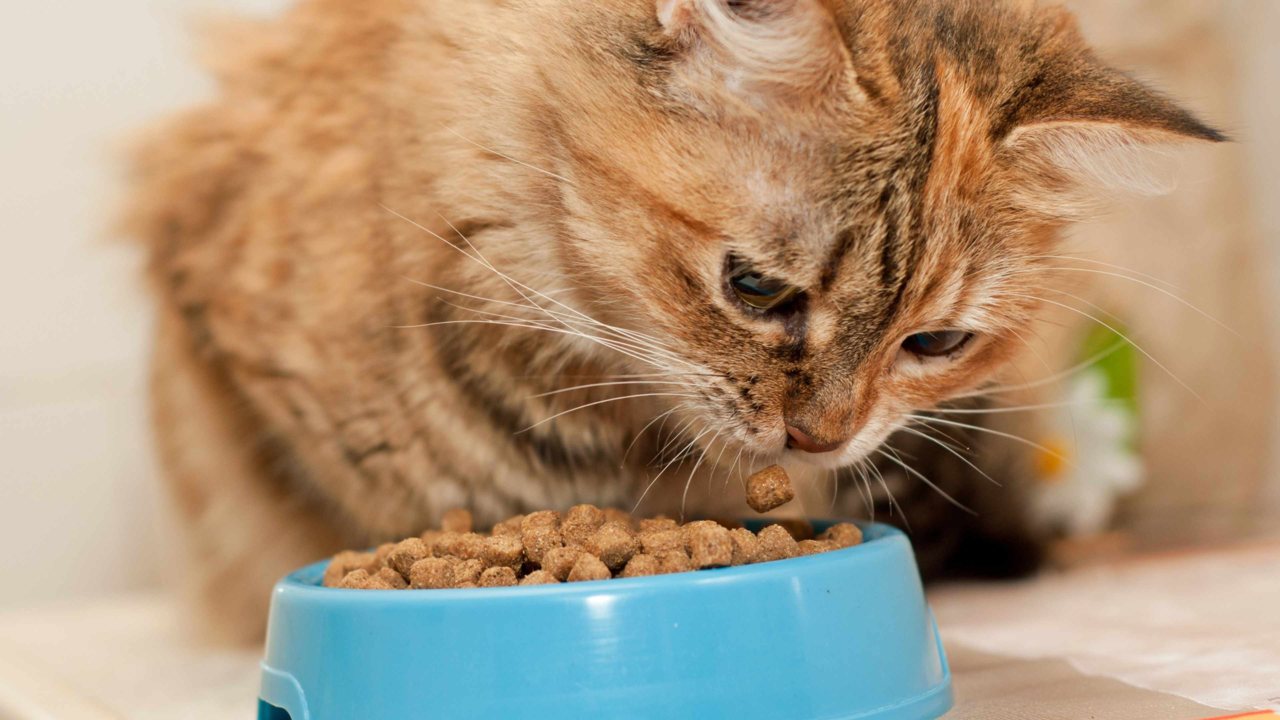
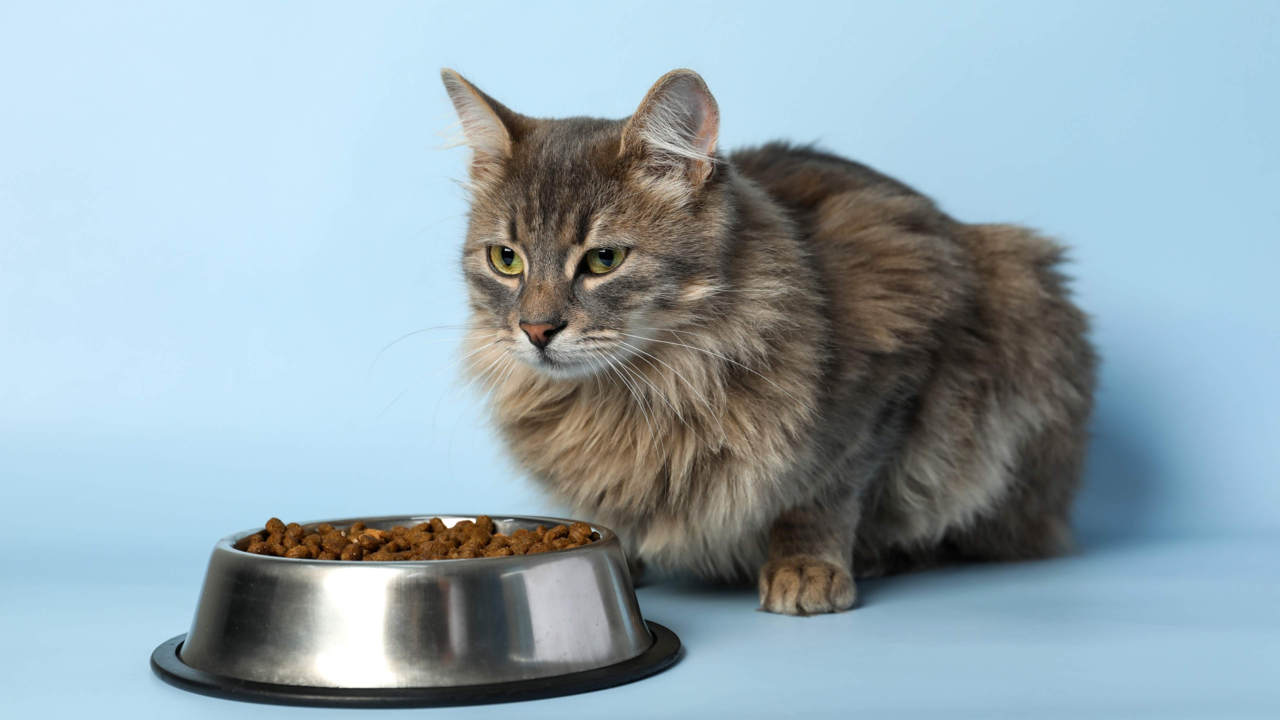
What your cat eats plays a big role in joint health. Senior cat foods are formulated with adjusted protein levels, added omega-3 fatty acids, and joint-supporting nutrients like glucosamine and chondroitin. If your cat is over seven, switching to a senior formula is a simple way to give their joints extra support every day.
Look for foods from trusted brands like Hill's Science Diet, Royal Canin, Pro Plan, and Black Hawk that include joint-supporting ingredients. Wet food is also a great choice for older cats as it helps with hydration, which is important for overall joint and kidney health. For more on choosing the right food, see our guide to how a senior cat's nutritional needs differ from an adult cat's.
When to See Your Vet
If you have noticed any of the signs above, it is a good idea to book a check-up with your vet. They can assess your cat's joints, rule out other conditions, and recommend a management plan that might include prescription pain relief, weight management, or specific supplements.
Early intervention makes a real difference. The sooner arthritis is identified, the more you can do to slow its progression and keep your cat comfortable. Some signs that warrant a prompt vet visit include:
- Sudden reluctance to move or walk
- Crying or hissing when touched in a specific area
- Noticeable swelling around a joint
- Rapid weight loss alongside reduced mobility
- Litter box accidents that started suddenly
Frequently Asked Questions
At what age do cats usually get arthritis?
Arthritis can develop at any age, but it becomes much more common after the age of seven. By the time cats reach 12 or older, the vast majority will have some degree of joint change, even if they are not showing obvious signs.
Can indoor cats get arthritis?
Yes. Indoor cats can actually be at higher risk if they are less active and carrying extra weight. Regular play and maintaining a healthy weight are important for all cats, regardless of whether they go outside.
Is arthritis painful for cats?
Yes, arthritis causes chronic low-grade pain and stiffness. Cats are very good at hiding discomfort, which is why behavioural changes like jumping less, grooming less, or sleeping more are often the only clues.
Can supplements really help with cat arthritis?
Joint supplements containing ingredients like green-lipped mussel, glucosamine, chondroitin, and omega-3 fatty acids can help support cartilage health and reduce inflammation. They are most effective when started early and used consistently alongside a good diet.
Should I switch my cat to senior food if they have arthritis?
It is worth considering. Senior cat foods are designed with adjusted nutrient profiles that support ageing joints, maintain lean muscle, and often include added omega-3s and antioxidants. Your vet can help you decide on the best option for your cat.
How can I make my home more comfortable for a cat with arthritis?
Small changes go a long way. Add pet steps to favourite spots, switch to a low-sided litter tray, keep food and water at ground level, and provide a warm, padded bed in a quiet area. These adjustments help reduce the strain on sore joints.
Support Your Senior Cat's Joints
From joint supplements to senior-friendly food, find everything you need to keep your older cat comfortable and moving well.
SHOP SENIOR CAT FOOD