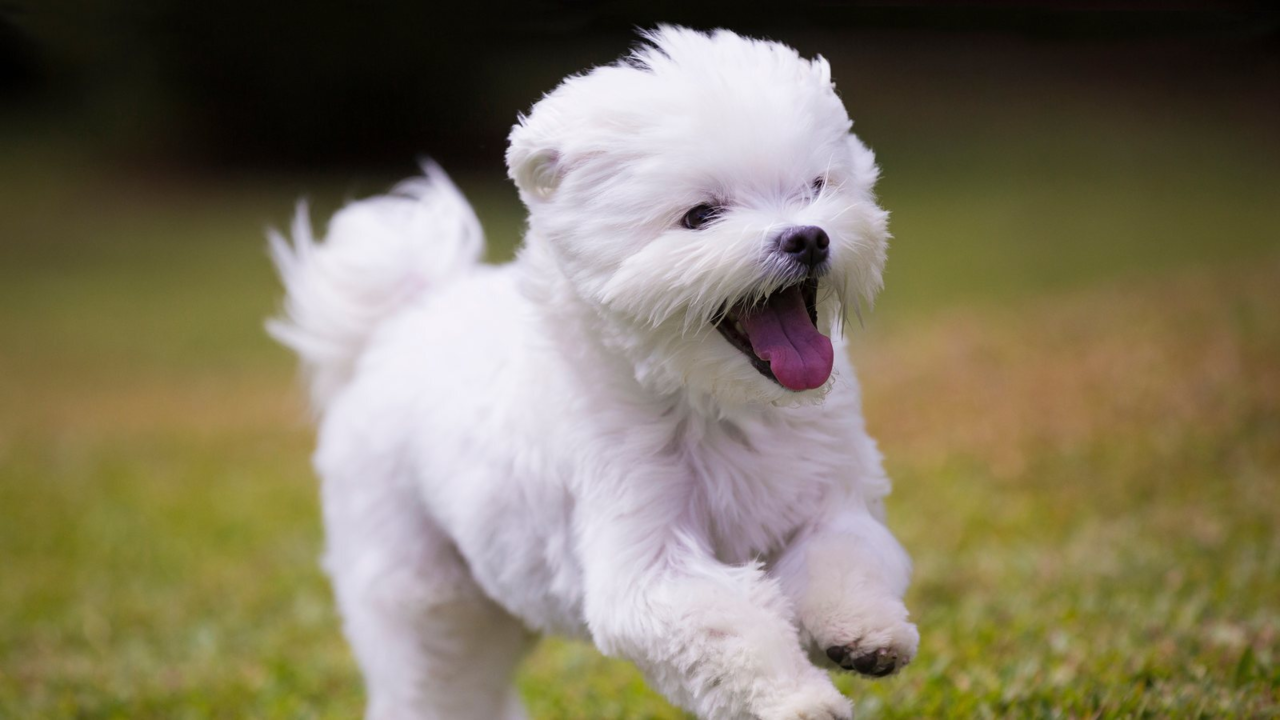
Maltese dogs may be tiny, but they are bright, playful companions who can learn an impressive range of everyday skills. Their affectionate nature often makes rewards and attention powerful training tools. A Maltese can also be determined, vocal or easily distracted, so calm repetition matters.
This guide builds useful manners into short sessions and ordinary routines. It covers recall, loose-lead walking, settling, polite greetings and barking without turning every day into one long training class.
Quick answer
Train your Maltese in short, upbeat sessions using one clear cue and an immediate reward. Practise one skill at a time in a quiet room, then repeat it around gradually bigger distractions. Three to five focused minutes can be more useful than a long session, especially for a puppy.
What makes Maltese training different?
Maltese dogs are intelligent and eager to stay close to their people. That can make them responsive learners, but it also means they quickly notice inconsistency. Everyone in the household should use the same cues and rules.
Keep it light
Use a cheerful voice, quick repetitions and rewards your dog values. Finish while they are still engaged instead of pushing through boredom.
Work at their scale
Crouch or sit for early lessons so you are less imposing. Choose small rewards and light, correctly fitted walking gear for their compact frame.
Reward calm choices
Notice quiet waiting, four paws on the floor and relaxed settling. Rewarding these moments teaches your Maltese what works before unwanted habits grow.
What daily routine helps a Maltese learn?
Training sticks when the same skills appear in normal life. Link each lesson to something your Maltese already does every day.
Morning check-in
Say their name once. Reward eye contact, then head outside for a toilet break. Puppies need more frequent trips than adult dogs.
Before meals
Ask for a brief sit or wait before lowering the bowl. Release them promptly so patience feels achievable.
On walks
Reward a loose lead and regular check-ins. Let sniffing become part of the reward rather than expecting a formal heel throughout the walk.
Evening settle
Guide your dog to a mat or bed with a treat. Reward a few calm seconds, then gradually extend the time.
Which daily skills should you teach first?
Name response and check-in
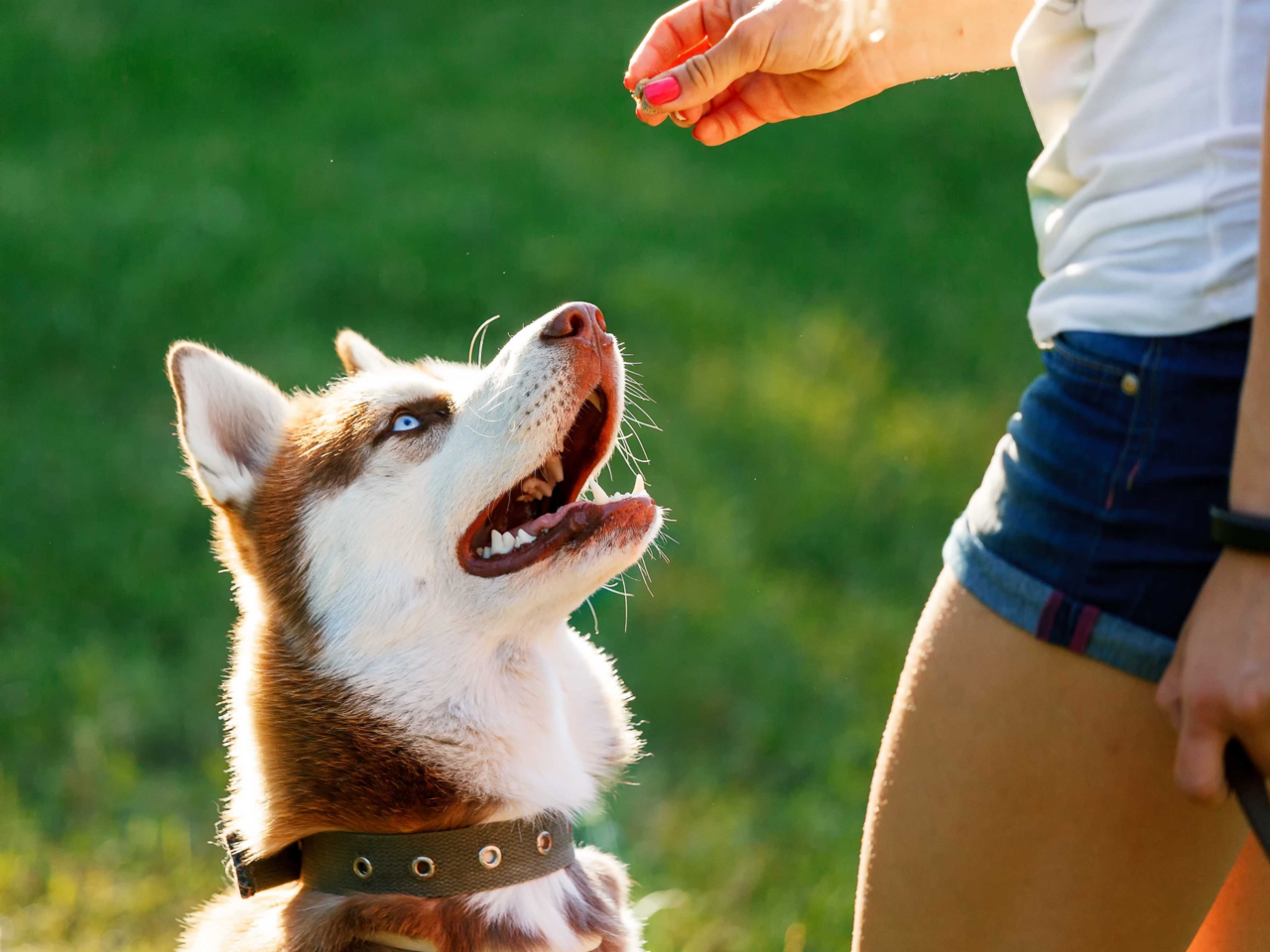
Say your Maltese's name once. The moment they look at you, mark the behaviour with a click or a short word such as “yes”, then reward. Avoid repeating their name until it becomes background noise. Practise in several rooms before trying it outside.
Come when called
Start a few steps away indoors. Say your recall cue, move backwards and reward generously when your dog reaches you. Never use the cue to call them for something unpleasant. Outdoors, practise in a secure area or on a suitable training lead before increasing distance.
Loose-lead walking
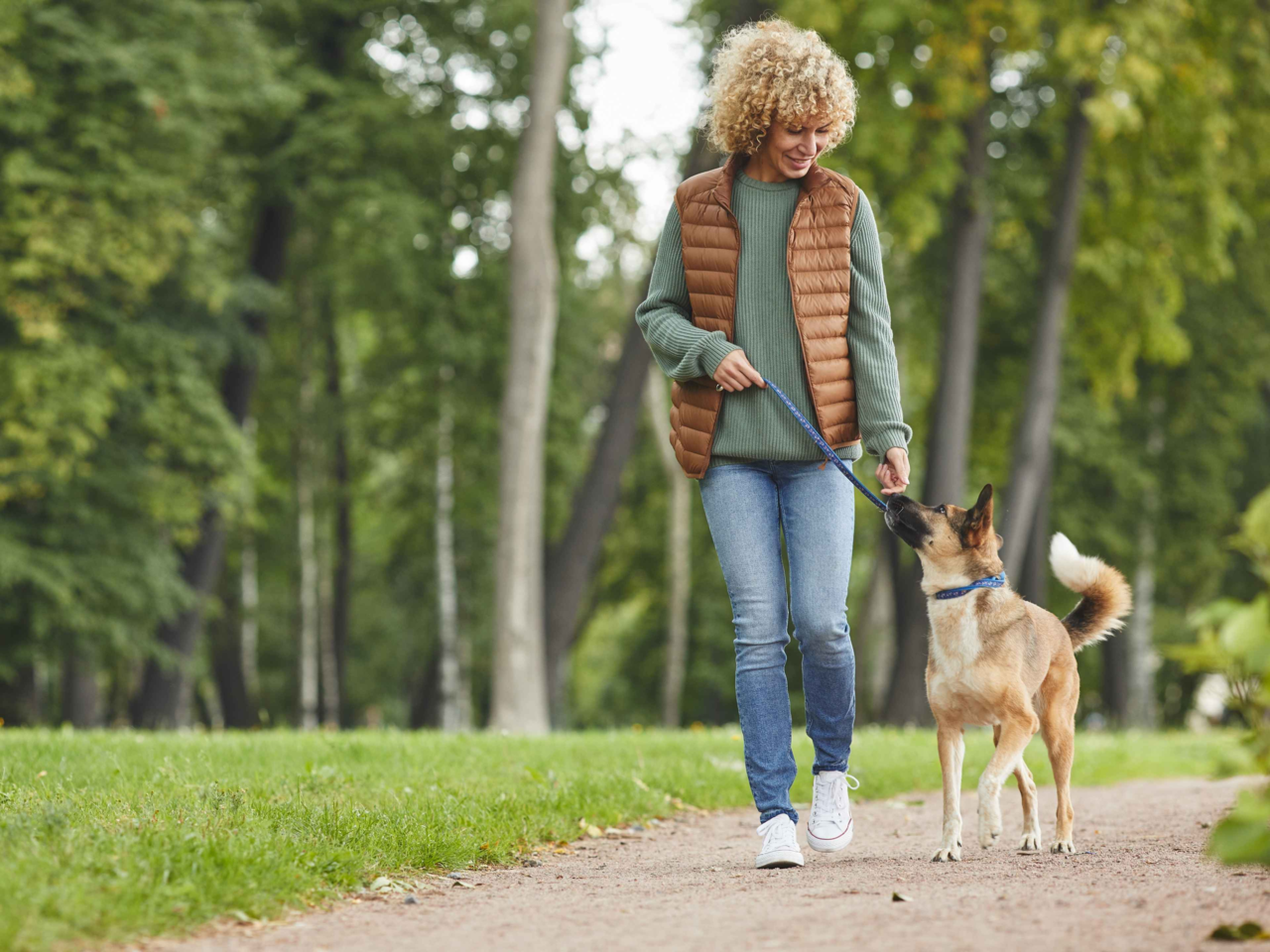
Begin somewhere quiet. Reward your Maltese beside you while the lead is loose. If they pull, pause instead of dragging them back, then continue when the lead softens. Keep early walks short enough that both of you can stay consistent.
Polite greetings
Ask visitors to wait while your Maltese keeps four paws on the floor. Reward calm approaches and pause attention if jumping begins. For an excited dog, a treat scatter or a familiar mat cue can make greetings easier.
Settle on a mat
Place a mat near you and reward any interest in it. Build from stepping onto the mat to lying down, then add a quiet cue. This skill can help during meals, visitors and café stops because it gives your Maltese a clear place to relax.
Comfortable handling
Briefly touch a paw, ear or collar, reward, then stop. Build slowly towards brushing, checking teeth and putting on a harness. If your dog pulls away, return to an easier step rather than restraining them.
How do you make Maltese training more reliable?
A skill learned in the lounge may disappear at the park because the surroundings are harder. Build reliability by changing only one challenge at a time. Trainers often think about distance, duration and distraction. Keep two easy while you gently raise the third.
Add distance slowly
Take one or two steps farther away before giving the cue. If your Maltese hesitates, move closer again. A successful short recall is more useful than repeatedly testing a distance they cannot manage yet.
Stretch time in seconds
Build waits and settles gradually. Reward after two seconds, then three or four. Mix easy repetitions between longer ones so your dog does not learn that every attempt becomes harder.
Introduce distractions carefully
Begin far enough from people, dogs or sounds that your Maltese can still respond. Reward attention, then move a little closer over several sessions. If focus disappears, create more space instead of repeating the cue.
How can you manage Maltese barking calmly?
Barking may begin with excitement, alerting or frustration. First identify the trigger. Reduce repeated access to window activity, create distance from noisy arrivals and reward quiet check-ins. If your Maltese barks for attention, wait for a brief pause before responding so silence, not barking, earns engagement.
Build confidence gradually
Introduce new people, dogs, surfaces and sounds at a distance where your Maltese can still take food and respond to you. Calm observation counts as socialisation. They do not need to greet everything.
What training gear is useful for a Maltese?
Small, easy-to-deliver rewards help keep sessions moving. Love'Em Liver Puppy Treats can be broken into tiny pieces, while the EzyDog SnakPak Dog Treat Bag keeps rewards close during walks.
For precise timing, the EzyDog Command Dog Clicker has a hands-free design and wrist lanyard. A double-ended Halti Dog Training Lead can support short obedience work and longer distance practice. Pair walking work with a light, correctly fitted option such as the EzyDog Formfit Mesh Harness. Measure your Maltese and follow the product size guide rather than choosing by breed name alone.
Set up short, rewarding lessons with lightweight walking gear, treat bags and practical training tools.
Shop training & behaviourFrequently asked questions
When should I start training my Maltese puppy?
Begin from the day your puppy arrives with their name, toilet routine, gentle handling and simple household rules. Keep lessons easy and positive. Early training is less about perfect obedience and more about helping your puppy understand that paying attention to you brings good outcomes.
Are Maltese dogs easy to train?
Maltese dogs are intelligent and often keen to engage with their people. They learn best with consistent cues, short sessions and rewards. Stubborn moments usually call for an easier step or a more motivating reward, not a harsher approach.
How long should I train my Maltese each day?
Use several short sessions rather than one long block. A few focused minutes around meals, walks and play can be enough. Stop before your dog becomes tired or distracted.
How do I toilet train a Maltese puppy?
Take your puppy to the same toilet area after waking, eating, drinking, playing and before bed. Reward immediately after they finish. Supervise indoors and clean accidents without punishment.
Can a Maltese learn recall?
Yes. Begin indoors, reward heavily and build distance slowly. Move to a secure space or suitable long lead before practising around outdoor distractions. Keep the cue positive and avoid using it only when fun ends.
Should I use a collar or harness for training walks?
A well-fitted harness can distribute lead pressure across the body, which may suit a small dog. Check fit around the neck, chest and legs, and make sure your Maltese cannot back out. Training loose-lead skills is still essential.