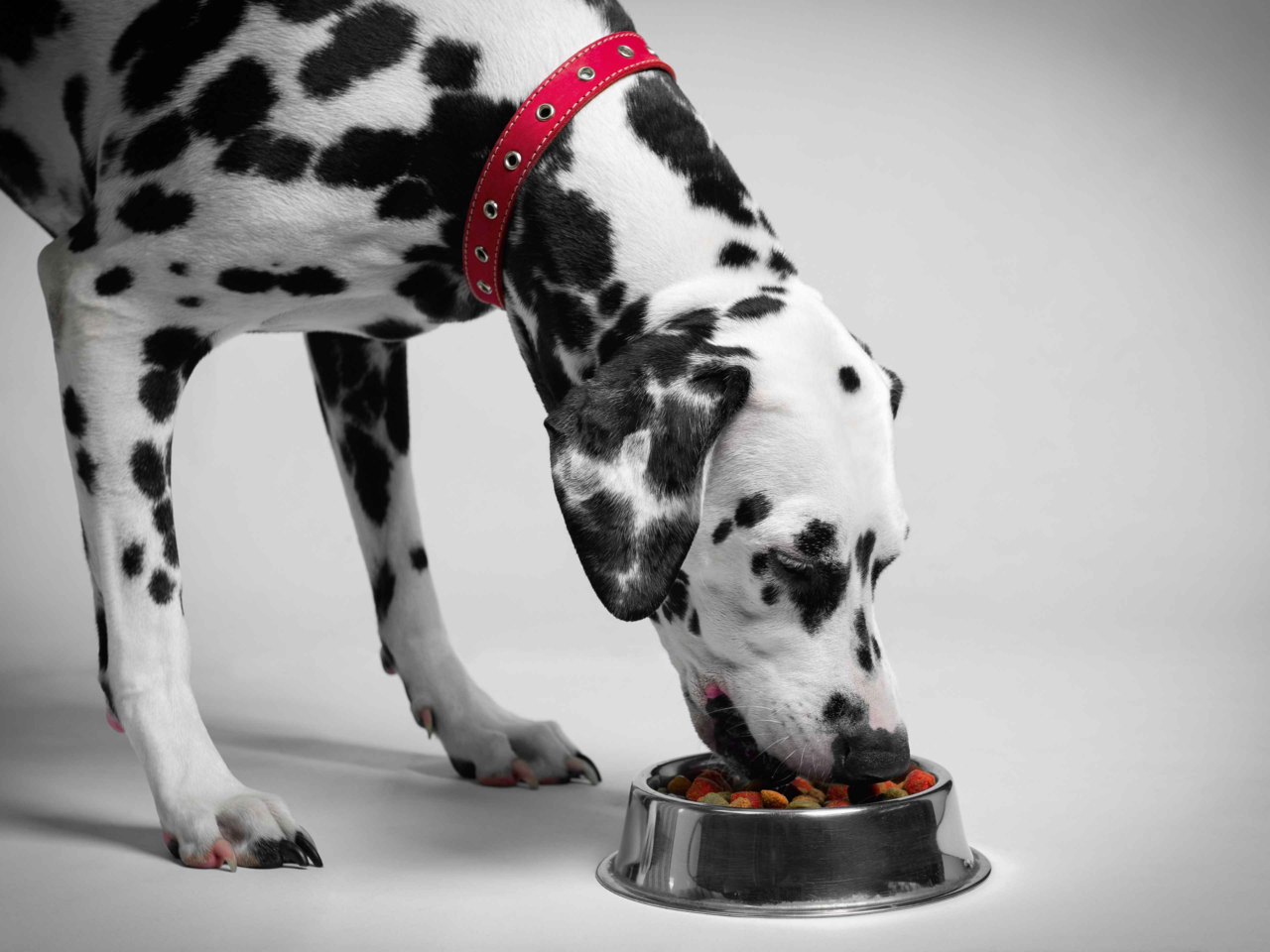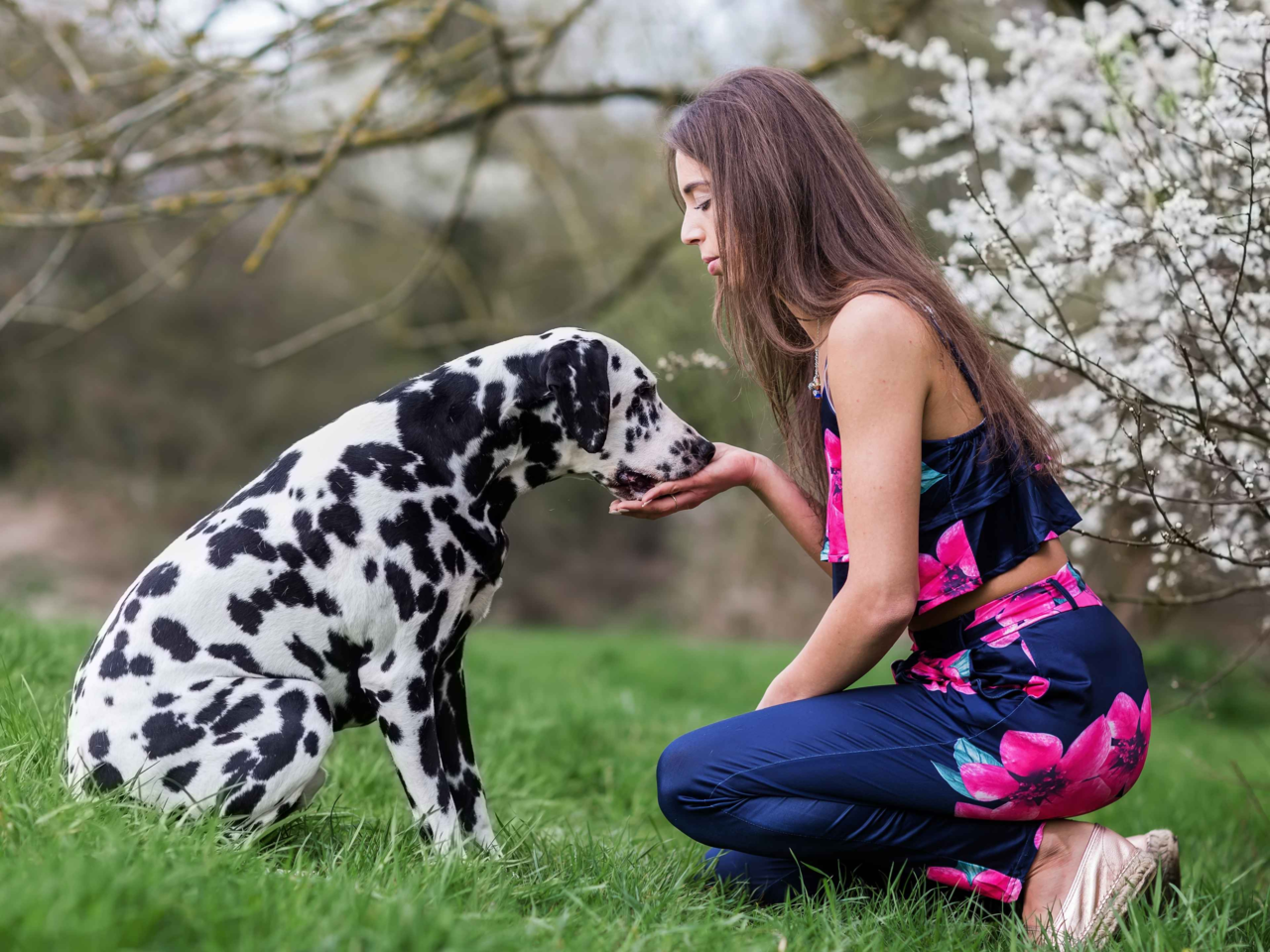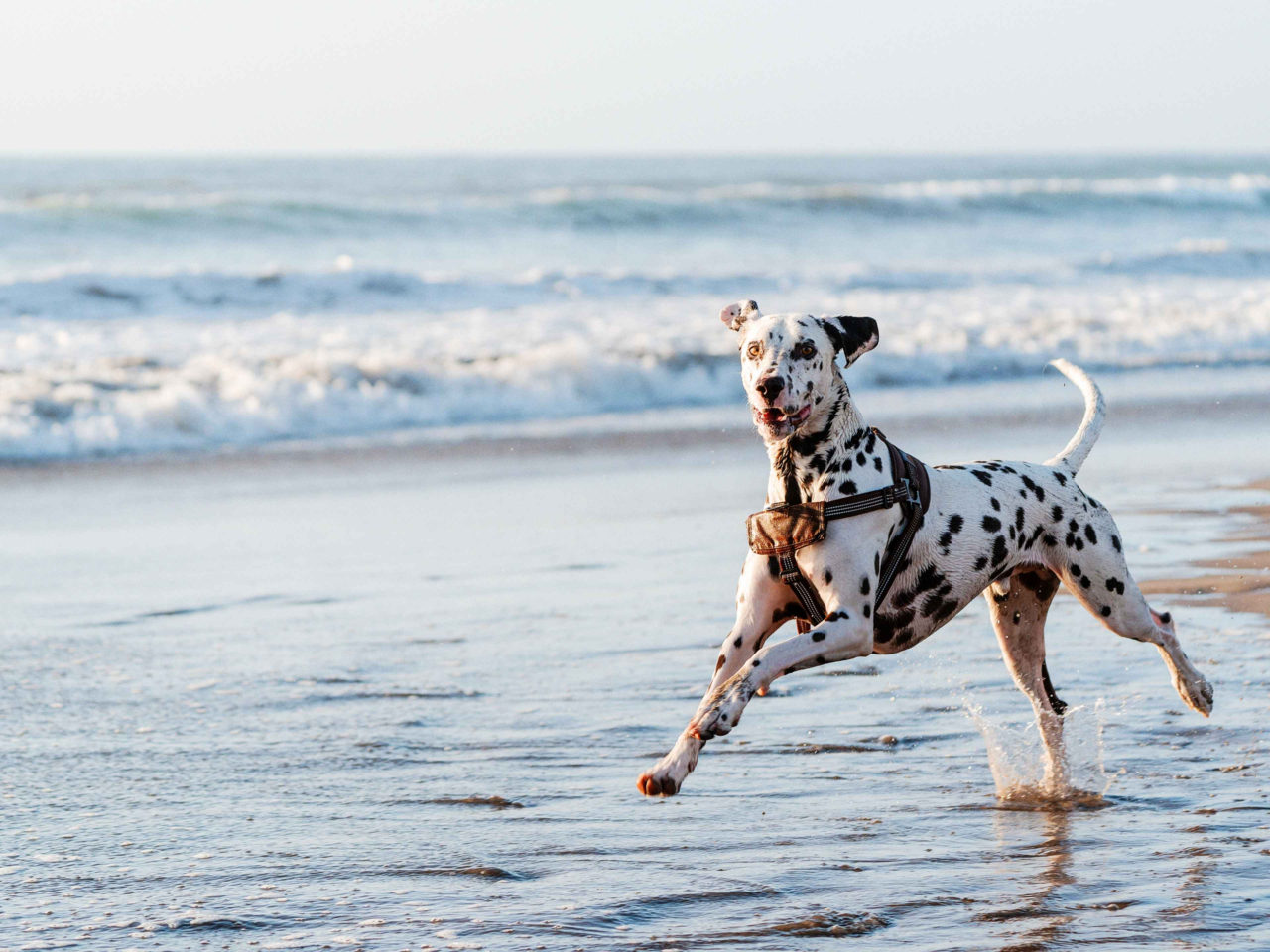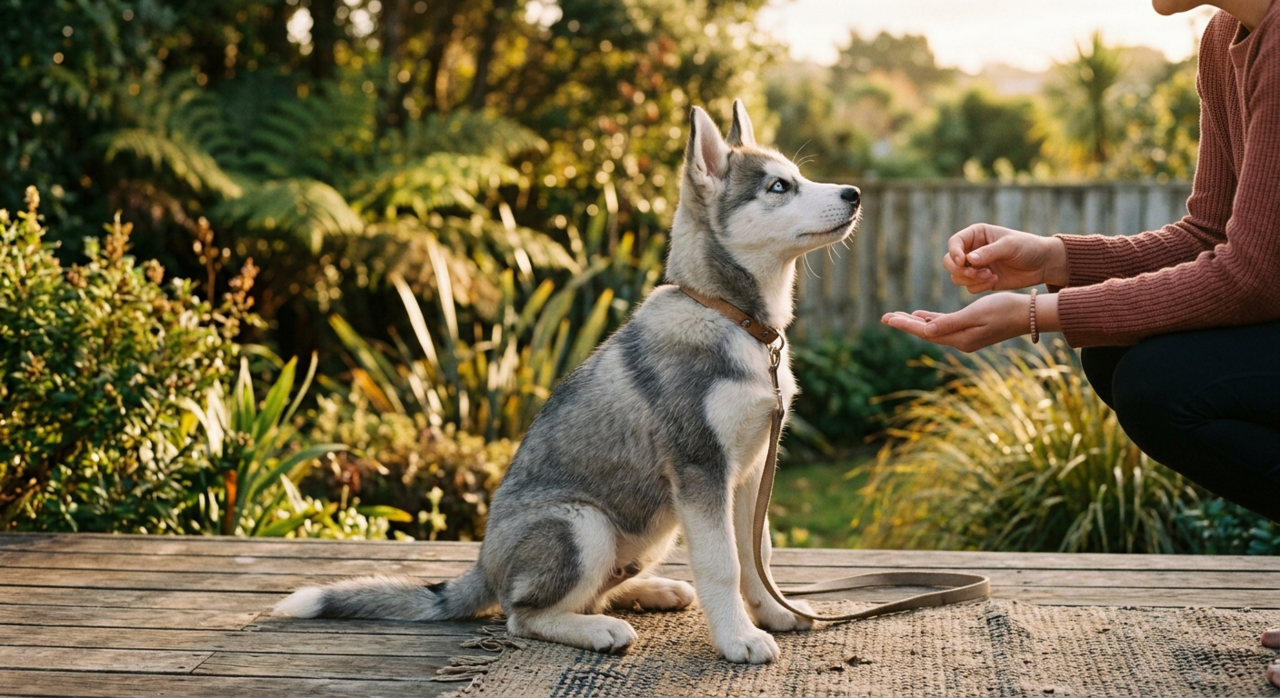
Dalmatians are smart, energetic, and famously full of personality. Bred to run alongside carriages for hours, they're built for stamina and they really, truly need to use it. Train one well and you've got an exceptional companion: athletic, affectionate, deeply bonded. Train one without a plan and you'll likely have a charming whirlwind who's smarter than they let on and harder to redirect once a habit's set.
Here's a step-by-step guide to training a Dalmatian in NZ, with the breed-specific things to know, the gear that helps, and how to set up a routine that brings out the best in this brilliant breed.
Quick answer
Dalmatians respond best to positive reinforcement, short engaging sessions, and consistency from day one. Start socialisation early, lock in recall before the running ramps up, channel their endless energy into daily structured exercise plus mental enrichment, and treat training as a lifelong conversation rather than a six-week course. Avoid harsh correction (they remember everything) and avoid under-exercising (they will redecorate your house). Aim for two short training sessions a day and a long daily walk, hike or run.
Understanding the Dalmatian
Built to run all day
Dalmatians were bred to trot alongside carriages for 30 to 50 kilometres without breaking a sweat. That stamina is still wired in. An under-exercised Dalmatian is genuinely miserable, and a miserable Dalmatian gets creative with your skirting boards, your shoes, and your garden.
Highly intelligent
They learn fast, which is good news for training and bad news for owners who repeat the same mistake. They'll pick up the things you want them to learn, and equally the things you don't. Consistency really matters.
Memorable, in the long sense
Dalmatians remember positive and negative experiences for a very long time. A bad scare with another dog at 12 weeks can show up as reactivity at 12 months. A great socialisation session at 10 weeks can shape a confident adult. Early experiences matter more for this breed than most.
Sensitive to harsh correction
Loud voices, yanked leads and physical correction tend to backfire badly. Dalmatians shut down or get reactive, and the relationship cools. They respond brilliantly to clear, calm, positive cues.
Affectionate and people-bonded
This is a velcro breed. They want to be wherever you are, and they take being shut out of family time personally. The good news is the bond makes training easier. The not-so-good news is they're prone to separation issues if left alone too long.
Independent thinkers
Smart plus stubborn equals a dog who'll genuinely consider whether the thing you've asked them to do is worth their time. If your reward is high-value, they'll comply. If it isn't, they'll wander off.
The Core Training Principles
Start as early as possible
From the moment your Dalmatian arrives home (around 8 weeks), you're training them. Even the things you don't think of as training (where they sleep, where they toilet, how they greet guests) are forming habits. Get the foundations right from day one.
Positive reinforcement, every time
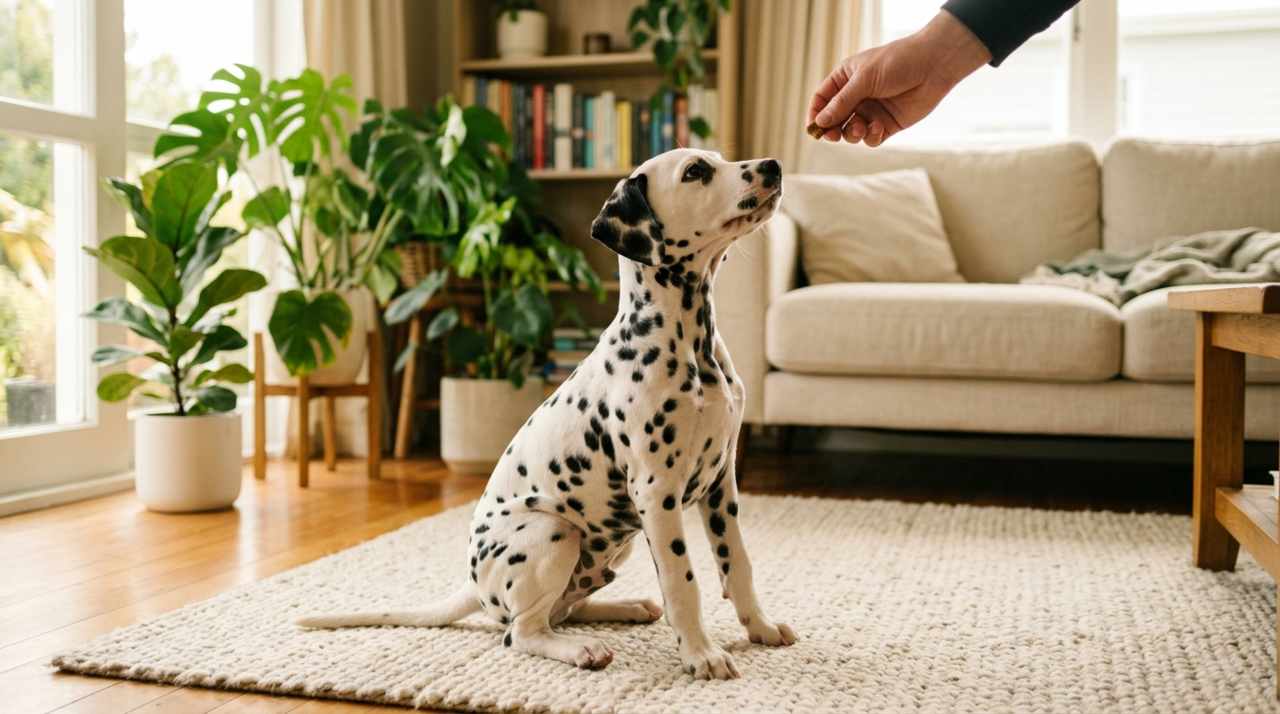
Reward what you want, ignore what you don't, redirect when needed. Dalmatians work brilliantly for treats, praise, and play. Skip the harsh corrections, they don't help this breed and often actively set you back.
Short, often, varied
Five to ten minute sessions, two or three times a day, are more effective than one long session. Mix up the location, the rewards, and the cues so they stay sharp. They lose interest fast if it gets repetitive.
One cue, one meaning, every time
"Down" means lie down. "Off" means get off the sofa. "Drop" means drop what's in your mouth. Don't use the same word for different things, and don't change your wording mid-week. Dalmatians notice.
Build the bond first, the skills second
A Dalmatian who likes and respects you will learn anything. A Dalmatian who's been shouted at will tune out. Spend time playing, walking, and being calm together before you push too hard on training.
The First Few Weeks: Foundations
Toilet training
Take your puppy out every hour or two, and always after meals, naps and play. Use a cue word ("toilet" or "wee wee") the moment they go. Praise calmly. A treat the second they finish helps too. Inside accidents are normal at this stage, just clean with an enzyme cleaner so they don't return to the spot.
Name and attention
Say their name, wait for eye contact, reward. Build this up so their name reliably gets their attention even with distractions. That foundation underpins recall and basically every other cue.
Settle and crate
Teach a "settle" on a mat or in a crate from week one. Dalmatians have an off switch, but they need to be taught how to use it. A LickiMat or a stuffed KONG inside a crate or pen helps build positive associations with calm time.
Basic cues: sit, down, come
Start with the three foundation cues. Use treats, hand signals, and a happy voice. Three to five reps per session, multiple times a day. Most Dalmatians have these down within a couple of weeks.
Socialisation (Get This Right Early)
For a breed that remembers everything, the socialisation window between 8 and 16 weeks matters enormously. The aim isn't to expose them to everything, it's to expose them to lots of things calmly and positively so that "new" feels normal as adults.
The early socialisation checklist
- Different people. Tall, short, kids, men with beards, people in hats, people in hi-vis. Three or four new people a week is a good pace.
- Different surfaces. Grass, concrete, tiles, sand, slippery floors, metal grates. Walk them over each one calmly.
- Different sounds. Vacuums, hairdryers, traffic, kids playing, ride-on lawnmowers. Treat each one as nothing to worry about.
- Different dogs. Calm, friendly, well-socialised adult dogs from people you know are best, before puppy parties or off-lead parks.
- Car rides. Short trips with calm endings (not just trips to the clinic). Build up positive car associations.
- Handling. Paws touched, ears looked into, mouth opened, brush over body. Daily, calm, rewarded. Pays off for life.
Recall: The Most Important Skill For a Dalmatian
Why recall matters so much for this breed
A Dalmatian who's clocked something interesting (a bird, a rabbit, another dog, a kid on a scooter) can be 200 metres away in 12 seconds. A good recall is the difference between "great walk" and "panicked sprint after my dog across a beach". Build it from day one and keep practising forever.
Build recall in three stages
Stage one: at home, on lead, low distraction. Say their name, then "come". Reward generously the second they arrive. Three to five reps a session.
Stage two: in the garden, on a long line. Same cue, same reward, more distance and a few mild distractions.
Stage three: in public, on a long line, with increasing distraction. Only progress to off-lead once recall is consistent at this stage, and even then start in fenced areas.
Recall ground rules for life
- Never punish a recall. If they come to you, that's always a good thing, even if they took ages.
- Make the reward worth it. Plain dry biscuits won't compete with a rabbit. Use real meat or smelly soft treats for recall.
- Don't only call them to put the lead on. Recall, reward, release. Recall, reward, release. Otherwise "come" starts to mean "fun's over".
- Use a long line until you trust recall 9 times out of 10. Not a flexi lead, a fixed-length training line.
- Practise weekly forever. Recall isn't a "got it, done" skill. It needs maintenance for the dog's whole life.
Lead Walking and Loose-Lead Training
Don't let a bad habit set in
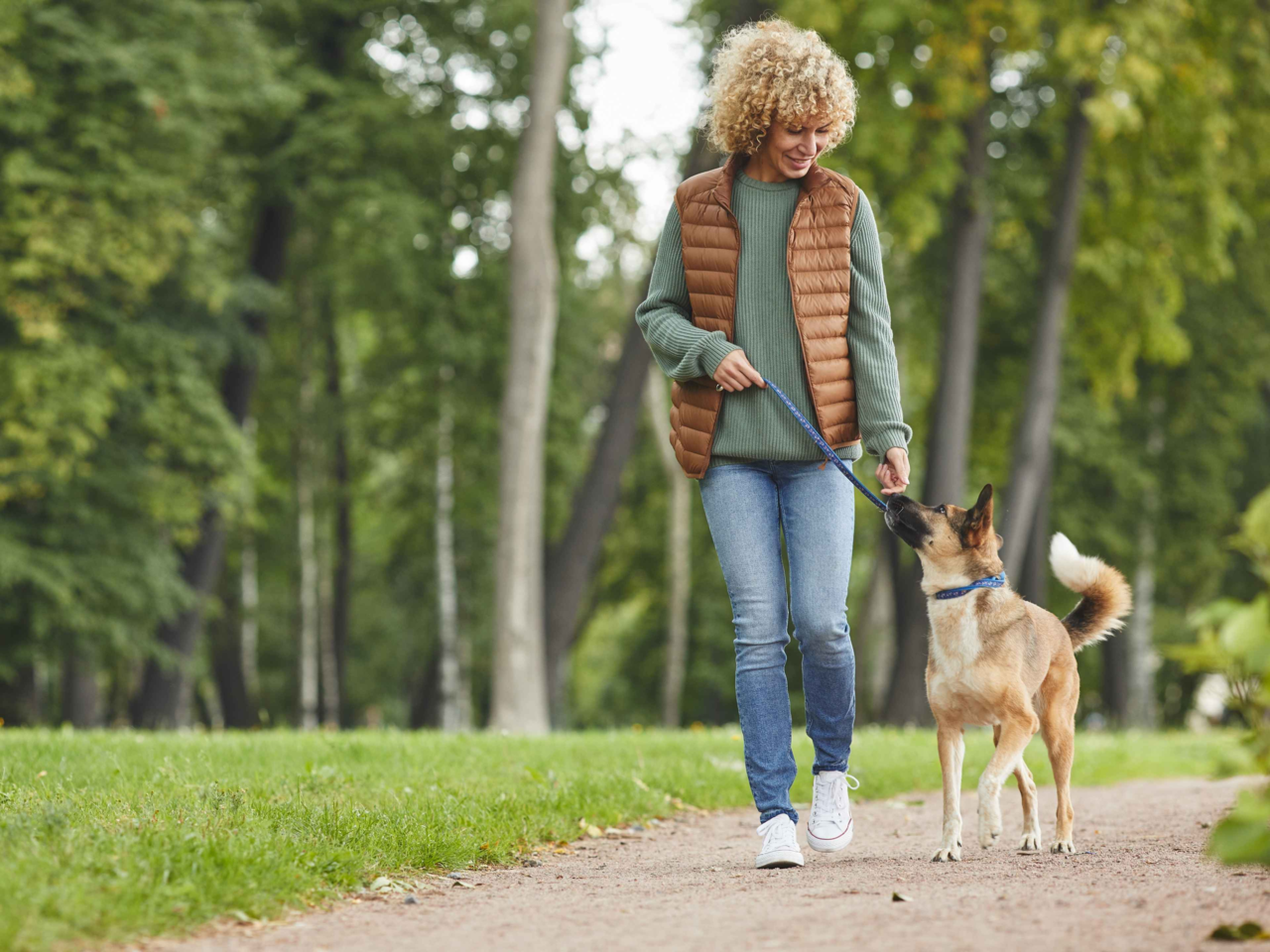
A Dalmatian who pulls is a Dalmatian who's nearly impossible to walk by the time they're adult-sized. Start loose-lead training from week one. Stop when they pull, reward when they come back to your side, walk on. Repeat until they get it.
The right gear helps
A well-fitted Y-shaped harness gives you better control without pressure on the windpipe. A front-clip harness or head halter helps during the learning phase. Once they're walking nicely, a standard harness works fine.
Burning Off The Energy
This is the part new Dalmatian owners often underestimate. An adult Dalmatian needs significantly more exercise than the average dog. Without it, training doesn't stick, and behaviour problems creep in. With it, you've got a calm, content, easy-to-live-with companion.
The daily aim
Most adult Dalmatians need 1.5 to 2 hours of active exercise a day. That's a long off-lead run, a hike, a beach session, a bike ride alongside, or a structured fetch session. Plus a regular slower lead walk on top.
Mental work matters too
Physical exercise alone isn't enough for this breed. A tired body and a busy brain is the combination. Daily snuffle mat sessions, puzzle feeders, scent work and training games make a huge difference.
Hydration matters more than most breeds
Dalmatians are prone to urinary issues and benefit from constant access to fresh water plus plenty of it on walks. A travel water bottle is genuinely useful for this breed.
Puppy exercise is different
Don't over-exercise a growing Dalmatian. Their joints are still developing until 12 to 18 months. Build up exercise gradually, avoid hard running and stairs in the first year, and let them lead the pace.
Common Dalmatian Training Challenges (and How to Handle Them)
Jumping up on people
Common because they love everyone and they're tall enough to do it. Teach a "sit to greet" cue. Reward four-feet-on-the-floor. Ask guests to ignore them until they're calm, then greet. Consistency is the only thing that works.
Pulling on the lead
Stop when they pull, walk on when the lead is slack. Reward generously when they're walking nicely. Use a front-clip harness or head halter for the learning phase. Walks become enjoyable again within a few weeks of consistent practice.
Chewing the wrong things
If they're chewing shoes, skirting boards or furniture, they're under-exercised, under-stimulated, or both. Up the daily walks, add a snuffle mat or puzzle feeder, and provide several appealing chew toys.
Separation distress
This is a velcro breed, so being left alone can be hard. Build up alone-time gradually from puppyhood. Start with 30 seconds, build to 5 minutes, then 30, then an hour. A stuffed and frozen KONG, classical music, or a worn t-shirt of yours helps.
Reactivity on lead
Often a mix of frustration (wants to greet) and lack of socialisation. Work on focus games with high-value rewards as soon as you see another dog at distance. If reactivity is serious, a positive-reinforcement trainer is worth booking.
Counter-surfing
Tall dog plus food on a counter equals problem. Keep counters clear, teach "leave it" with high-value rewards, and consider a baby gate to keep them out of the kitchen during cooking. Management beats correction every time.
Frequently Asked Questions
Are Dalmatians hard to train?
They're smart and learn quickly, which is a gift when training is positive and consistent. They can be challenging if expectations are unrealistic about exercise needs, or if owners use harsh corrections that don't work with this breed. With the right approach, they're a joy to train.
At what age can I start training my Dalmatian?
From the day they come home, usually around 8 weeks. Start with simple things: name, sit, settle, gentle handling. Formal training and puppy classes can start as soon as they've had their first vaccinations and your clinic gives the all-clear.
How long does it take to train a Dalmatian?
Basic cues (sit, down, come) within a few weeks. Reliable recall and loose-lead walking, a few months of consistent practice. Settled, well-mannered adult behaviour, anywhere from 1 to 2 years. Training is a lifelong conversation with this breed, not a six-week course.
How much exercise does a Dalmatian really need?
Adult Dalmatians need 1.5 to 2 hours of active daily exercise plus mental enrichment. That's significantly more than the average dog. Without it, training doesn't stick and behaviour issues appear. Puppies need much less and shouldn't be over-exercised before their joints have developed.
Can a Dalmatian live in an apartment?
It's possible with a very committed owner who's prepared to do two big daily exercise sessions plus mental enrichment, but it's not ideal. They thrive in homes with a garden and easy access to off-lead exercise areas like beaches, trails, or large parks.
Are Dalmatians good with kids?
Generally yes, especially when raised with children and socialised early. They're playful, affectionate and patient. The thing to manage is their size and energy in a smaller space, since a happy Dalmatian who runs into a toddler can knock them over by accident.
What's the most important training tip for new Dalmatian owners?
Match the exercise to the breed, not the breed to your lifestyle. A Dalmatian who gets the daily exercise they need is calm, settled and easy. A Dalmatian who's under-exercised is none of those things. Get the exercise right and everything else gets easier.
Training Essentials for Dalmatians at Petdirect
Browse training treats, long leads, harnesses, snuffle mats, puzzle feeders and the rest of the everyday training kit. Save with Autodeliver on training treats and food, and enjoy everyday member pricing as part of Pet Perks.
SHOP TRAINING ESSENTIALS