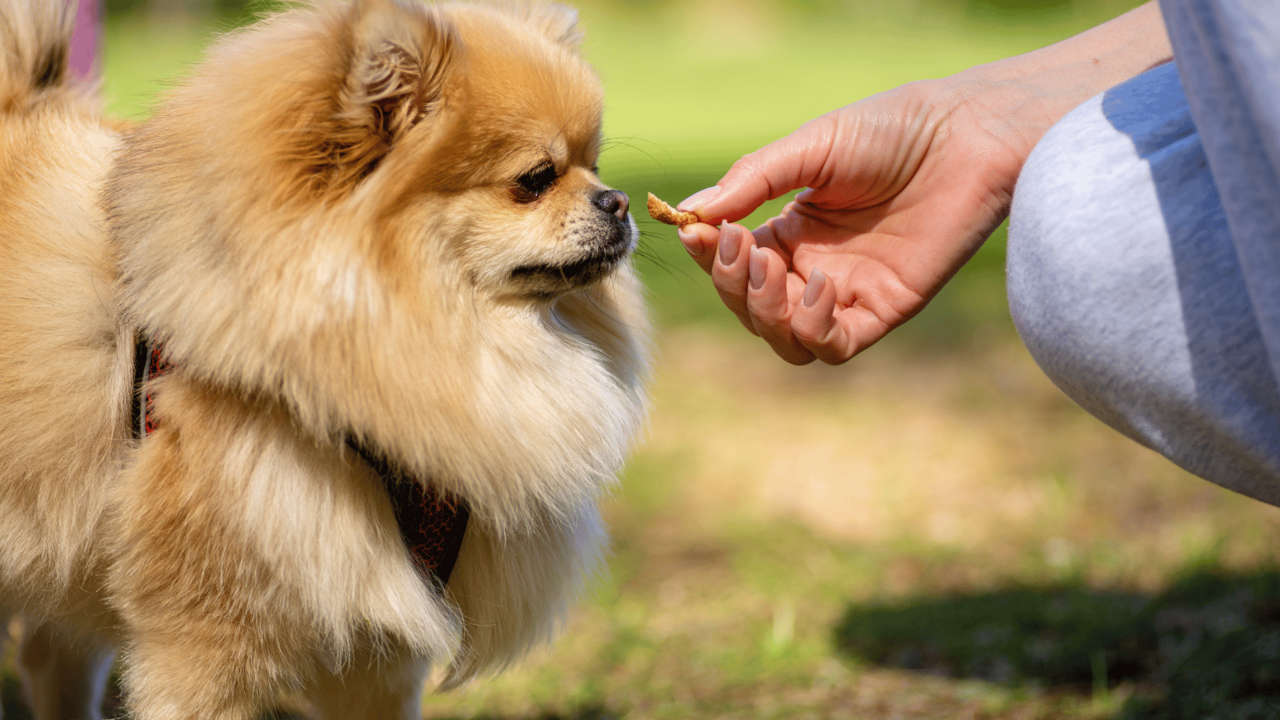
Chihuahuas are proof that personality has nothing to do with size. Bright, bold and deeply bonded to their people, they are far more trainable than their reputation suggests. The trick is to work with their nature rather than against it: build their confidence, keep sessions short and rewarding, and be patient with toilet training, because a tiny bladder simply needs more breaks.
This guide walks you through training a Chihuahua from the ground up, with a focus on the two things that matter most for the breed: growing a calm, confident little dog, and getting toilet training right.
Quick Answer
Train a Chihuahua with short, positive, reward-based sessions using tiny high-value treats. Build confidence early through gentle socialisation and avoid carrying or coddling them through every worry. Use a soft harness rather than a collar to protect their delicate windpipe. Be patient and consistent with toilet training, since their small bladder means frequent, scheduled breaks and plenty of praise for getting it right. Keep boundaries kind but clear so your Chihuahua grows into a well-mannered, secure little dog.
Understanding the Chihuahua
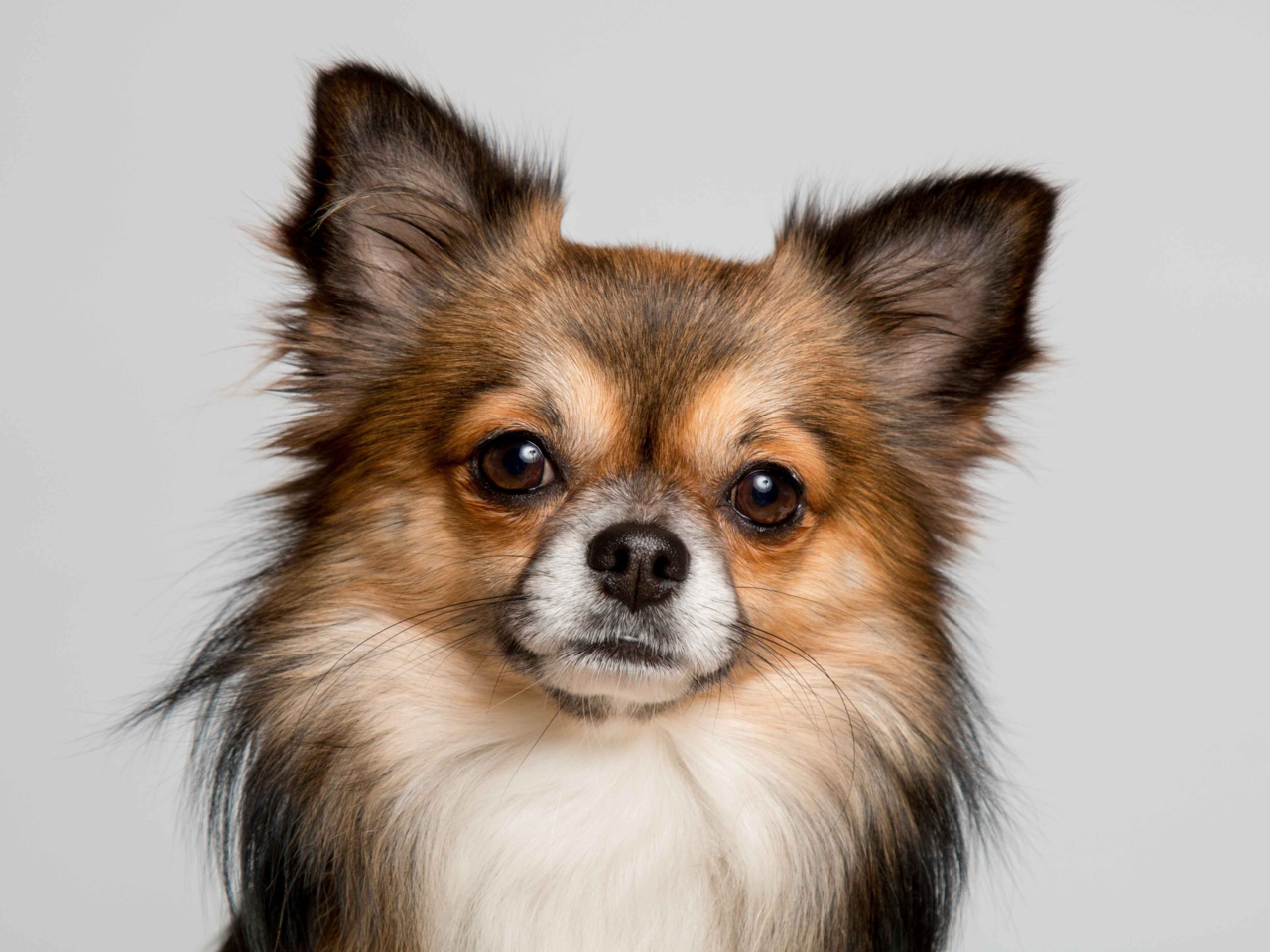
Chihuahuas are intelligent, alert and very food-motivated, which is great news for training. They form intense bonds with their people and love to be involved in everything. They can also be wary of new things and quick to sound the alarm, so early confidence-building makes a huge difference to how settled they become. Knowing what makes them tick helps you set realistic, kind expectations.
Big personality, small body
Chihuahuas are bold and self-assured, but they are also genuinely fragile. Gentle handling and a few clear rules keep that confidence from tipping into pushy or anxious behaviour.
Clever and food-driven
They learn quickly and will work happily for tiny, tasty rewards. Short sessions with high-value treats get the best out of that sharp little mind.
Sensitive and bonded
They read your mood closely and stick close to their favourite person. Calm, encouraging energy works far better than any kind of telling off.
Alert and vocal
Chihuahuas notice everything and like to announce it. Channelling that watchfulness early helps prevent constant barking later on.
Before You Start: Setting Up for Success
A little preparation makes training a Chihuahua far easier. With such a small dog, the right gear is about gentleness and getting rewards out quickly before the moment passes.
Use a harness, not a collar
Chihuahuas have a delicate windpipe, so a soft, well-fitted harness is much kinder than a collar for lead training and walks. It spreads any pressure across the chest and gives you gentle, safe control while your pup learns.
Tiny, high-value treats
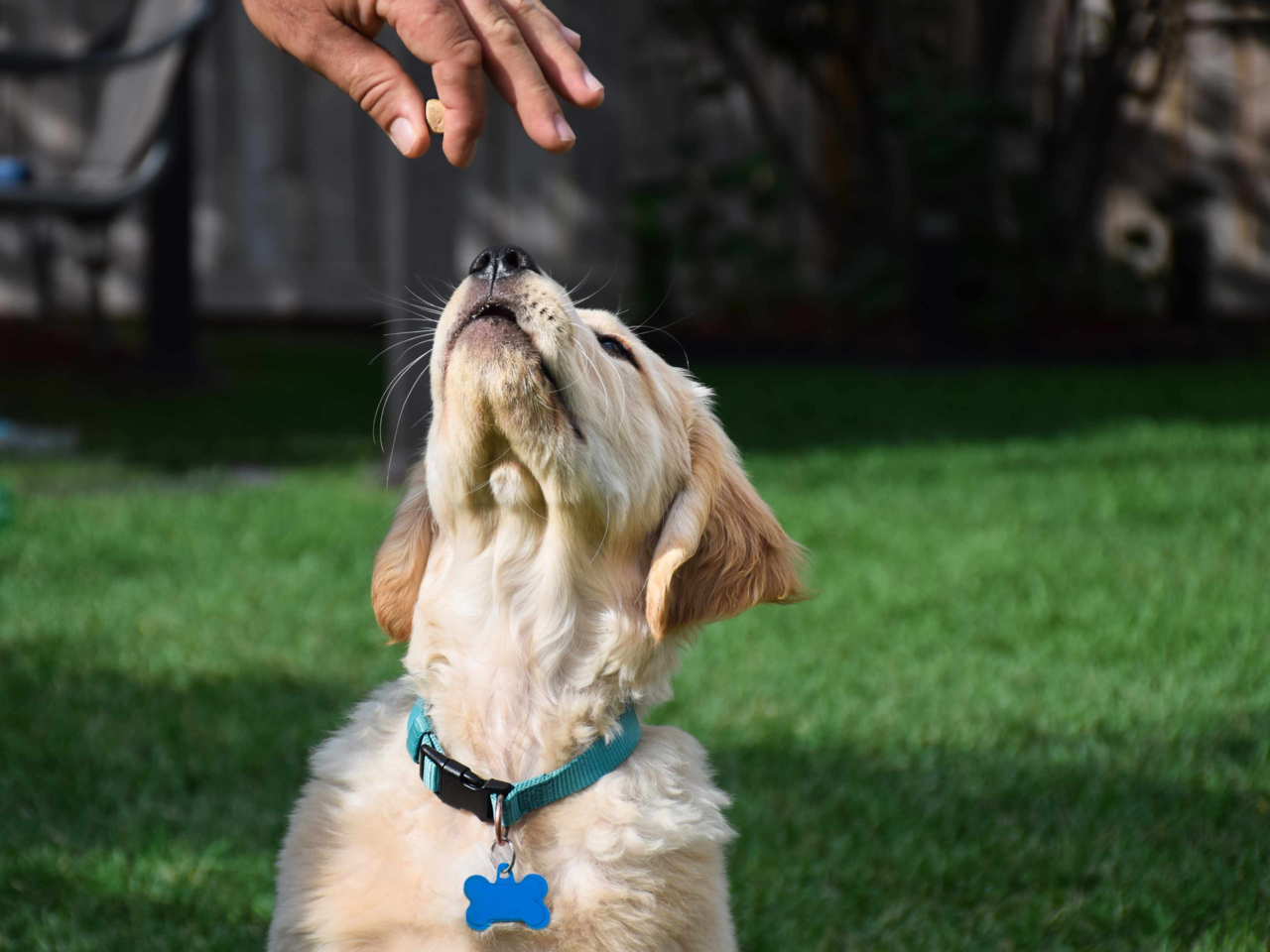
Because Chihuahuas are so small, treats need to be tiny too, think pea-sized or smaller, so you can reward often without overfeeding. Soft, smelly, high-value treats work best for keeping a little dog keen and focused.
A clear reward marker
A clicker or a consistent marker word tells your Chihuahua the exact moment they got it right. Paired with a treat pouch you can reach into fast, it makes your timing sharp and your training clear.
Building Confidence: The Heart of Chihuahua Training
A confident Chihuahua is a calm, happy Chihuahua. Much of the nervous or snappy behaviour the breed is known for comes from feeling overwhelmed in a big world. The goal is to gently show your dog that new things are safe and rewarding, at their own pace.
Socialise early and positively. Introduce new people, gentle dogs, surfaces, sounds and car trips in small, happy doses, always letting your Chihuahua choose to approach rather than being pushed. Pair each new thing with a treat so it builds a good association.
Try to resist the urge to scoop them up at every worry. Lifting a frightened Chihuahua now and then is fine, but doing it constantly can teach them that the world is something to be rescued from. Instead, let them investigate from the ground with you nearby for reassurance.
Enrichment toys and puzzle feeders are wonderful confidence-builders too. Working out how to get a treat out of a snuffle mat or puzzle gives a little dog a real sense of achievement, and tires that busy brain in the best way.
Toilet Training a Small Bladder
Toilet training is the part most Chihuahua owners find trickiest, and it is rarely about the dog being stubborn. A tiny bladder simply cannot hold on as long, so the answer is more frequent breaks and rock-solid consistency rather than frustration.
Take your Chihuahua out often: first thing in the morning, after every meal, after naps and play, and last thing at night. For a young pup, that can mean every hour or two while they are awake. Go to the same spot each time, use a cue word, and reward calmly the instant they finish.
Indoor training pads can be a sensible backup for apartment living, very cold weather or overnight while a pup is little, since Chihuahuas feel the cold and may baulk at heading outside in the rain. Toilet training bells hung by the door are a lovely way to give your dog a clear way to ask to go out. Accidents will happen, so clean them up calmly without scolding and simply add another break to the routine.
A Simple 6-Week Training Plan
Keep sessions to just a few minutes, a few times a day. Little and often suits a Chihuahua's attention span and keeps training feeling like a treat rather than a chore.
| Week | Focus | What to work on |
|---|---|---|
| Week 1 | Bonding and the marker | Teach their name, charge up the clicker or marker word, and get them comfortable being gently handled and wearing a harness. |
| Week 2 | Toilet routine and safe space | Set a regular toilet schedule, introduce a crate or cosy den as a safe retreat, and reward calm settling. |
| Week 3 | First cues | Start sit, come and a hand target. Keep rewards tiny and frequent, and end every session on a win. |
| Week 4 | Confidence and socialising | Gentle new experiences: different surfaces, calm visitors, everyday sounds and short car trips, always paired with treats. |
| Week 5 | Lead skills | Practise loose-lead walking on the harness in quiet spots, and reward checking in with you. |
| Week 6 | Polish and proof | Practise cues in busier places, work on calm greetings, and gently redirect alarm barking before it builds. |
What to Avoid
- Treating them like a toy, not a dog. Chihuahuas thrive on the same clear, kind rules as any other dog. Skipping training because they are small is how pushy habits form.
- Over-protecting them. Constant carrying and shielding can fuel anxiety. Let your Chihuahua build real-world confidence from the ground up.
- Using a collar for lead pressure. Their windpipe is delicate, so a soft harness is the safer choice for walking and training.
- Letting barking become a habit. Calmly redirect and reward quiet early, rather than waiting until alert barking is well established.
- Long, repetitive sessions. A bored or tired little dog switches off. Short, upbeat sessions keep them keen.
Frequently Asked Questions
Are Chihuahuas hard to train?
Not really. They are clever and food-motivated, which makes them quick learners with positive, reward-based training. Their reputation for being difficult usually comes from inconsistent rules or skipped training because they are small. Treat them like a proper dog and they shine.
Why is toilet training my Chihuahua so hard?
It comes down to their tiny bladder, which simply cannot hold on as long as a bigger dog's. The fix is more frequent, scheduled breaks, a consistent spot and cue, and calm rewards for getting it right. Training pads and door bells can help, and patience is everything.
Should I use a collar or a harness on my Chihuahua?
A soft, well-fitted harness is the safer choice. Chihuahuas have a delicate windpipe, and a harness spreads pressure across the chest instead of the throat. It also gives you gentle control while your pup is learning to walk nicely on the lead.
How do I stop my Chihuahua barking so much?
Start by understanding the trigger, which is often alarm or excitement. Build confidence through socialisation, reward calm quiet behaviour, and redirect your dog before barking ramps up. Avoid telling them off, which can add to the worry. Consistency early on makes the biggest difference.
At what age should I start training my Chihuahua?
As soon as they come home. Young puppies soak up gentle socialisation and simple cues, and early confidence-building is especially valuable for the breed. That said, Chihuahuas of any age can learn with patient, positive training.
How long should Chihuahua training sessions be?
Short and sweet. A few minutes at a time, several times a day, suits their attention span and keeps things fun. Always finish on a success so your dog finishes keen for the next round.
Everything You Need to Train Your Chihuahua
From soft harnesses and tiny training treats to clickers, puzzle toys and toilet training aids, find everything you need to raise a confident little dog. Save on the essentials with Autodeliver, and enjoy everyday member pricing as part of Pet Perks.
SHOP TRAINING ESSENTIALS