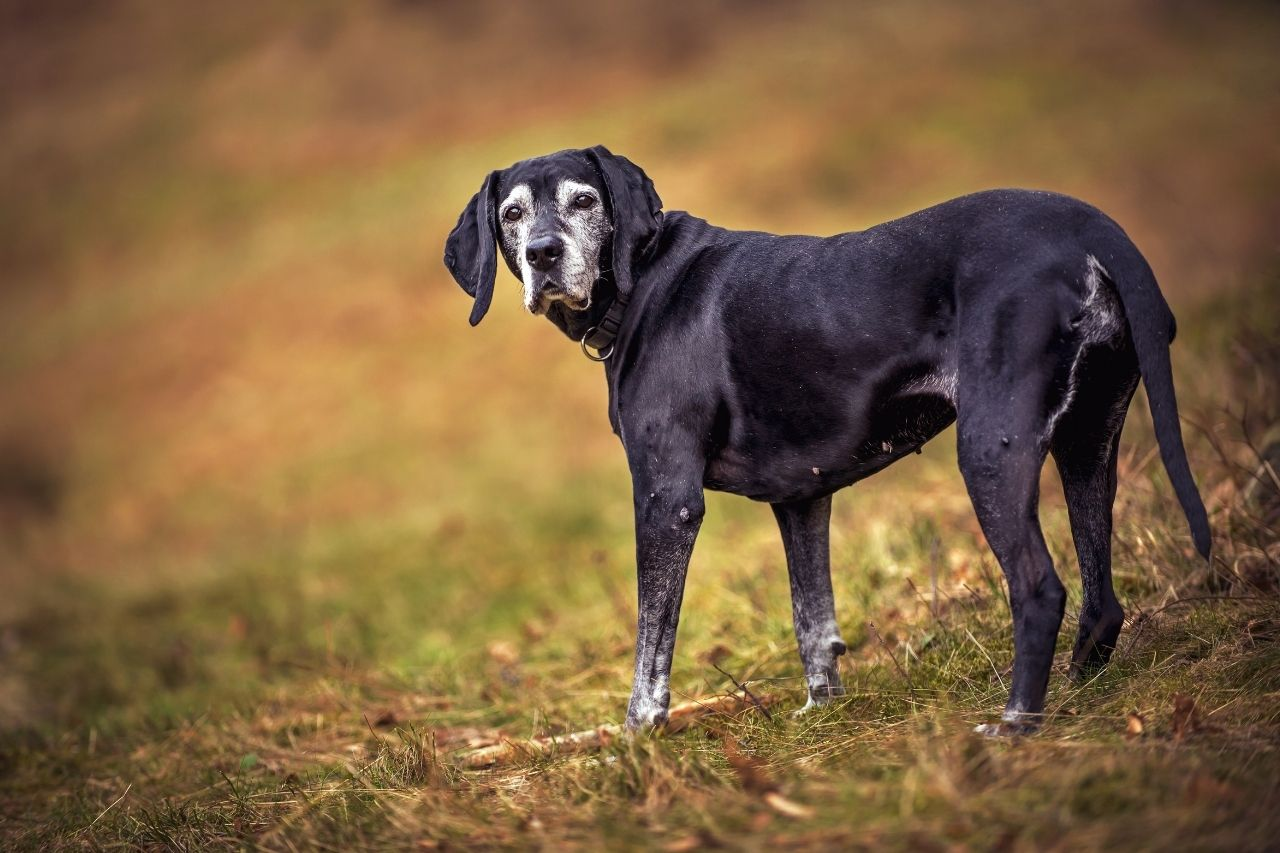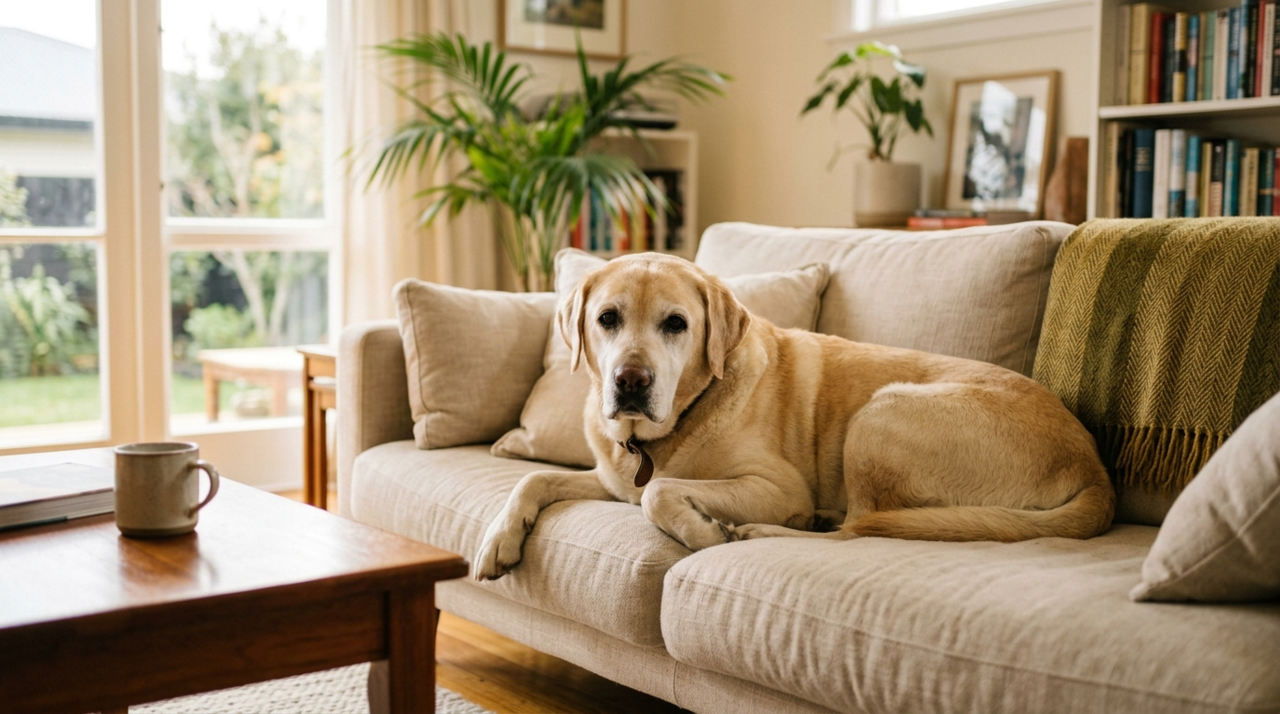
As dogs head into their senior years, their heart works just a little harder to do the same job it always has. Most healthy older dogs do brilliantly with it, especially when the everyday basics are looking after them. A bit of weight management, sensible exercise, the right food and a few simple things to watch for can make a real difference to how comfortable your senior dog feels day to day.
Here is a practical NZ guide to keeping your senior dog's heart in good shape, including the changes worth knowing about, the daily habits that help most, and the signs that mean it's time to chat with your clinic.
Quick answer
The four daily habits that do the most for a senior dog's heart are: keeping them at a healthy weight, regular gentle exercise, good-quality senior food with omega-3, and looking after their teeth. Senior dogs often slow down a touch naturally, but it's worth flagging a new cough, faster breathing at rest, getting puffed more easily, or restlessness at night. Book a clinic visit if any of these show up suddenly. Most older dogs benefit from a six-monthly or yearly wellness check so small changes get picked up early.
Why Heart Health Matters More as Dogs Age
Heart conditions in older dogs can sneak up gradually. Unlike a sudden joint flare or a coat change, the heart often shows its workload quietly through changes in stamina, breathing or appetite. The good news is that early lifestyle support, a sensible weight, and regular check-ins make a real difference to how a senior dog feels.
Smaller breeds tend to be more prone to one kind of heart change with age, while larger breeds can be more prone to another. Either way, the everyday basics are the same, and that's where most owners can make the biggest impact at home.
The Four Daily Habits That Help Most
Before getting into specific products or food, it's worth knowing that four everyday habits do most of the heavy lifting for senior dog heart health.
1. A healthy weight
Extra kilos make the heart work harder for every walk, every set of stairs and every play session. Even a small reduction makes a noticeable difference to how comfortable an older dog feels.
2. Regular, gentle exercise
Daily movement keeps the cardiovascular system fit without overloading older joints. Two shorter walks tends to be kinder than one big one. Sniff walks are wonderful.
3. Good-quality nutrition with omega-3s
Senior-formulated food and a daily fish oil supplement support whole-body wellness. Omega-3 is one of the most useful additions to a senior dog's bowl.
4. Looking after their teeth
Dental health is more connected to heart health than many owners realise. A daily dental chew is an easy place to start.
1. Help Them Keep a Healthy Weight
If you make one change today for your senior dog's heart, this is the one. Extra body weight makes the heart pump harder every single day. Keeping a senior dog lean is one of the kindest things you can do for their long-term comfort.
A quick at-home weight check
Run your hands along your dog's sides. You should be able to feel their ribs under a light layer of cover, without having to press. From above, you should see a gentle waist. If you can't feel ribs, or there's no visible waist, it's worth chatting with your clinic about a weight plan.
Healthy-weight and weight-management formulas are designed to fill your dog up with fewer calories. Black Hawk Healthy Benefits Weight Management is one of the most popular picks at Petdirect, and Pro Plan Weight Management is a great alternative. ADVANCE has healthy-weight options in small, medium and large breed sizes, and Hill's Science Diet Adult Light is well-regarded for larger breeds.
For an added booster, the PetUltra Lean & Trim daily supplement is an NZ-made option some owners include alongside their dog's regular food.
2. Keep Them Moving (Gently)
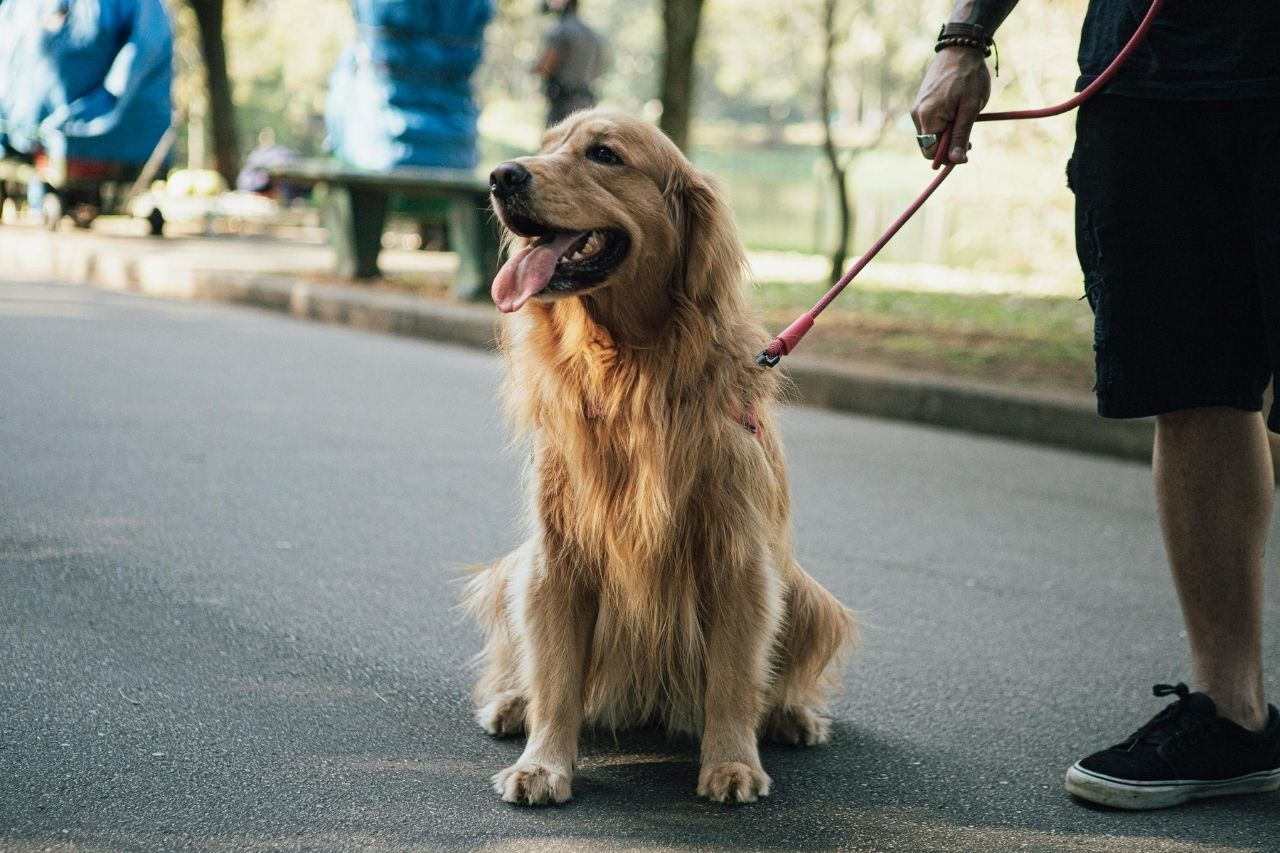
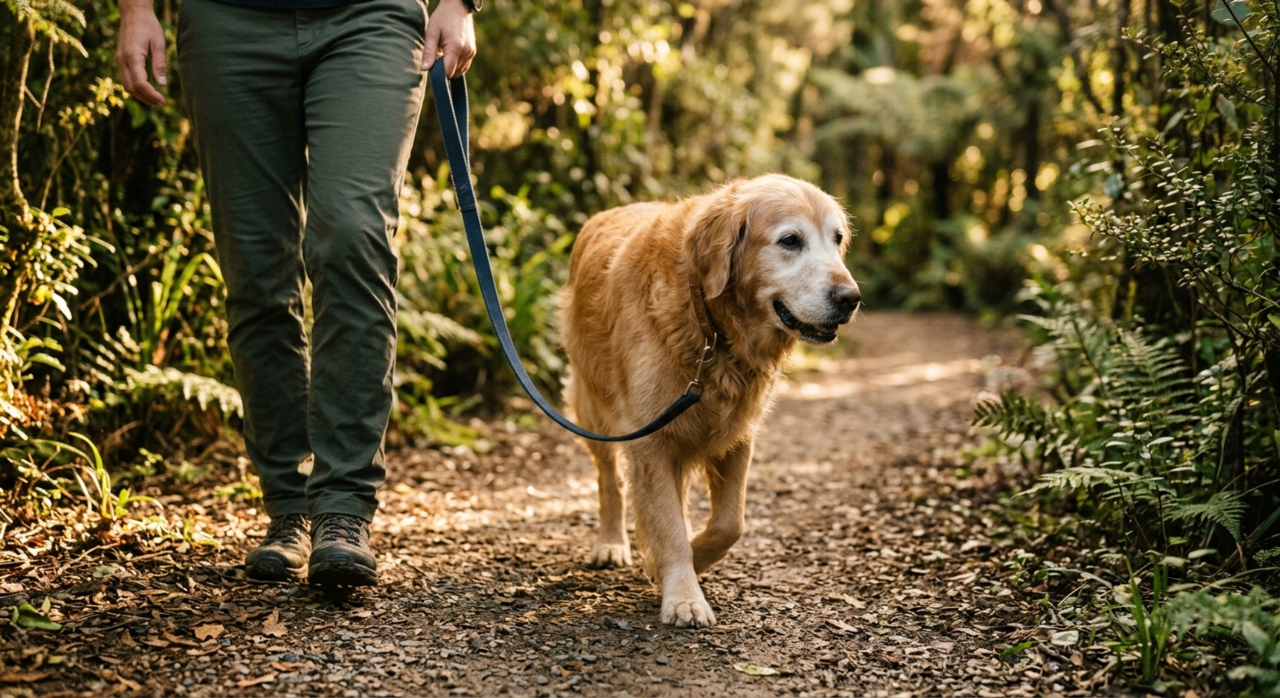
Daily walking is one of the best things you can do for a senior dog's heart. The goal isn't long, hard sessions, it's steady, regular movement. Two shorter walks a day is often kinder on older joints than one big one, and keeps the cardiovascular system ticking along nicely.
Sniff walks, where you let your dog set the pace and explore, are wonderful for older dogs. They keep the heart and lungs working without the strain of a brisk pace, and they give the brain a workout too. On warmer days, walk early or late to keep things comfortable.
For dogs who pull or get over-excited, a well-fitted harness keeps walks safer and easier on the chest and neck. The EzyDog Chest Plate is a popular choice, and an EzyDog Luca lead pairs nicely for steady control.
For days when the weather isn't playing nicely, gentle indoor enrichment keeps the body and mind active without the joint impact of a long walk. Snuffle mats and slow-feeder lick mats are brilliant for this.
3. Feed Them for Their Stage of Life
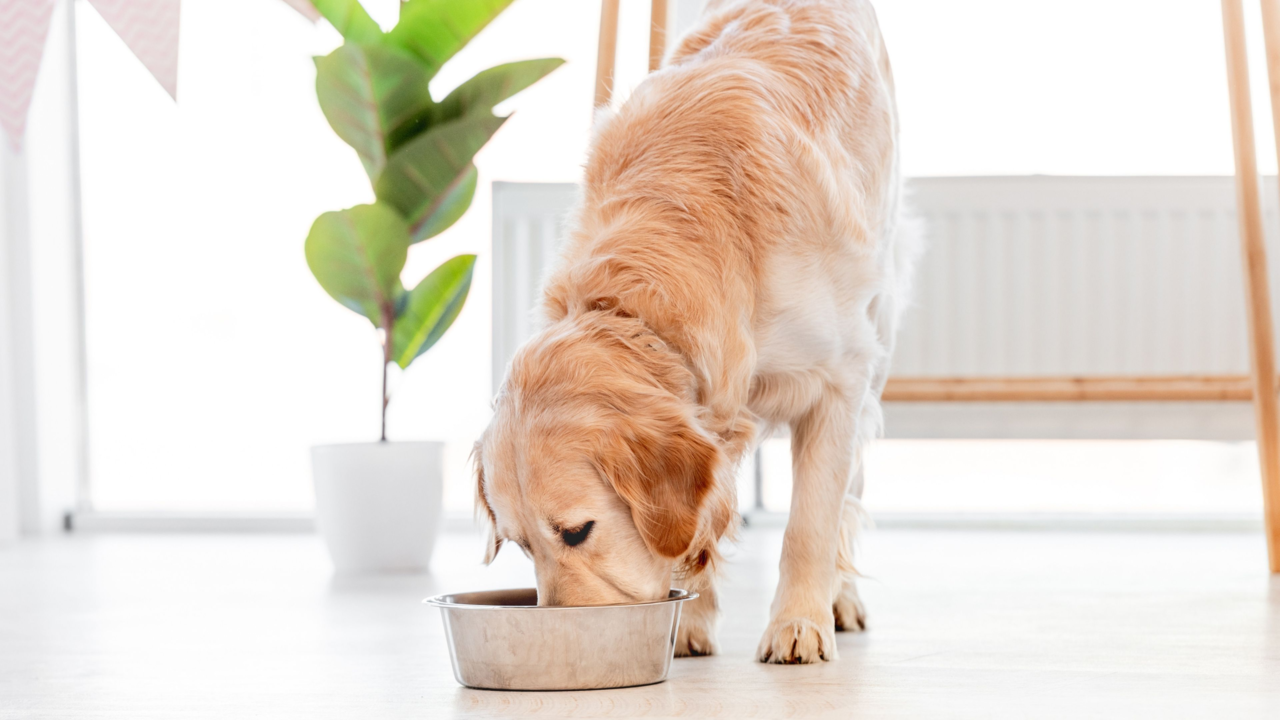
Senior-formulated dog food is built around the way older bodies use nutrients. Most senior diets have slightly different protein and fat balances, plus added support for joints, brain and overall vitality.
If your dog has done well on a particular brand all their life, the senior version is often the easiest switch. Hill's Science Diet has the widest senior range at Petdirect, with Adult 7+ options in dry, wet and small-bites formats. Pro Plan and Royal Canin both have well-regarded senior lines as well.
The supplement that helps most
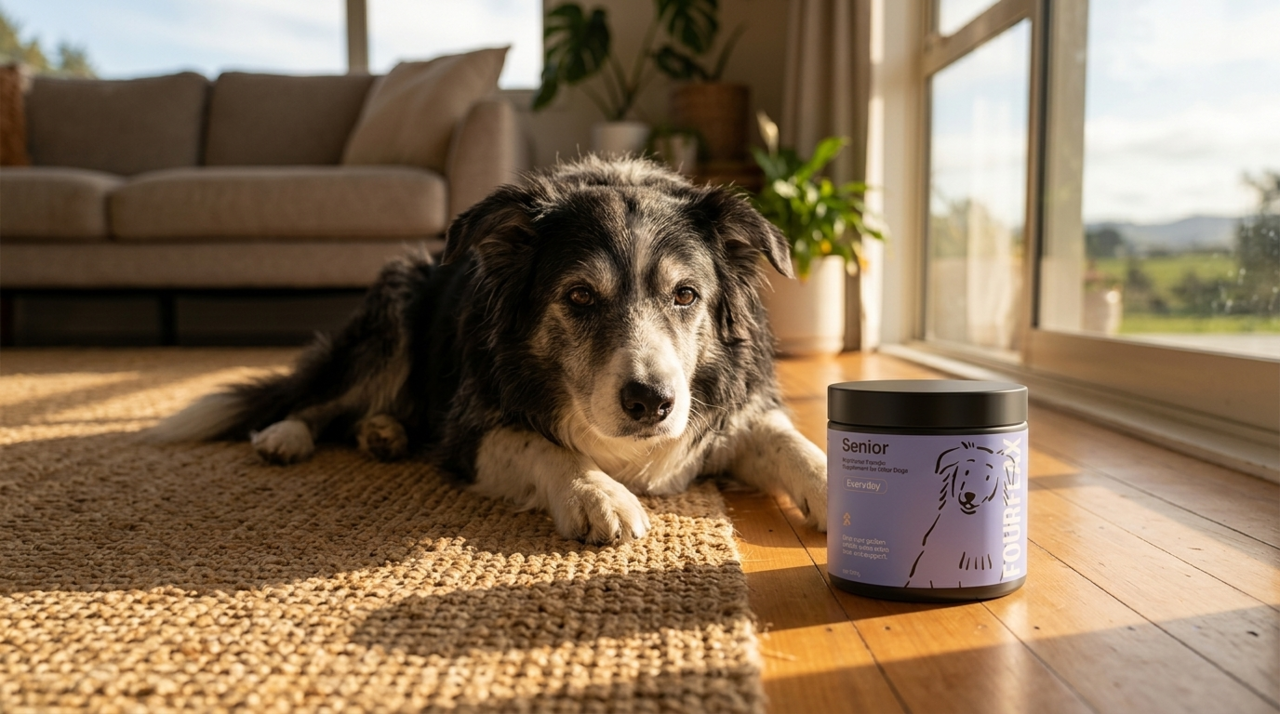
Omega-3 fish oils are widely seen as one of the most useful additions to a senior dog's bowl. They support coat condition, joint comfort and overall vitality. The Omega Plus King Salmon Oil is Petdirect's most popular pick by a long way, and Nordic Naturals Omega-3 is a strong runner-up. For senior-specific blends, Fourflax Senior Dog and Earthz Pet Senior Booster are NZ-made options worth a look.
4. Don't Skip Their Dental Routine
It's one of the most underrated things you can do for your senior dog's heart: keep their teeth and gums in good shape. Dental disease is common in older dogs, and the bacteria that build up around sore teeth can travel through the bloodstream and put extra strain on the heart over time.
Daily dental chews are an easy place to start. Pedigree Dentastix are the most popular dental treat at Petdirect, and they come in small, medium and large sizes so your dog gets the right format for their breed. Some dogs also do well with a regular tooth-brush routine using a dog-safe paste.
Signs Worth Mentioning to Your Clinic
Most senior dogs slow down a touch as they get older. That's normal. The signs worth flagging are the ones that feel like a change from your dog's usual, or that come on over weeks rather than months.
Changes worth a closer look
- A new cough, especially one that pops up at night, after lying down, or after a bit of exercise
- Getting puffed more easily on walks they used to handle without thinking
- Breathing that feels faster when they're resting quietly
- Less keen to exercise, or wanting to stop sooner than normal
- Restlessness at night, or struggling to settle in their usual sleeping spots
- A sudden drop in appetite or a quieter mood than usual
- Belly looking rounder or fuller than it normally does
- Fainting or a wobbly moment, which is always worth a same-day call to your clinic
None of these signs on their own mean something is wrong with the heart, they just mean it's a good time to book a wellness check. Many older dogs benefit from an annual or six-monthly check-up where a clinic can listen to the heart and pick up small changes early.
A useful at-home check: resting respiratory rate
If you've noticed faster breathing at rest, try counting your dog's breaths for a minute while they're fully relaxed and asleep. Most healthy dogs sit comfortably under 30 breaths a minute when sleeping. Doing this over a few quiet evenings gives your clinic a really useful piece of information.
Supplements Some Owners Find Helpful
Beyond omega-3, a few supplements get talked about for older dogs' general vitality and wellbeing. Blackmores PAW Wellness + Vitality is a popular daily multivitamin-style chew. Blackmores PAW Complete Calm is well-regarded for dogs who get a bit restless or unsettled in the evenings. And the Blackmores PAW Osteocare joint chews often go hand in hand with these because comfortable joints mean more comfortable walks, which keeps the heart fit.
A senior wellness supplement isn't a replacement for a proper clinic check, but for everyday support alongside good food and gentle exercise, many owners find them a useful addition.
Frequently Asked Questions
When is a dog considered "senior"?
It depends on size. Small breeds (under 10kg) are usually called senior from around 11 to 12 years. Medium breeds (10 to 25kg) tend to be senior by 10. Large breeds (26 to 44kg) by around 8, and giant breeds (45kg+) by 7. Some breeds run on a slightly different clock, but as a rule, smaller dogs hit senior later than bigger dogs.
Should I switch my dog to senior food?
If your dog is healthy and doing well on their current food, there's no rush. The right time to switch is when their energy needs shift, their joints could use extra support, or your clinic suggests it. Most senior diets are gentler on calories, which is helpful for older dogs who are less active. A gradual swap over 7 to 10 days, mixing more new food in each day, keeps the tummy settled.
How often should my senior dog see the clinic?
Most older dogs benefit from a wellness check once a year, with six-monthly checks once they're well into their senior years. These appointments are when small changes in the heart, kidneys or weight tend to be picked up earliest.
Can I give my dog the fish oil from the supermarket?
Fish oil made for pets is the safer bet. Pet-formulated oils are dosed for dog body weight and don't contain additives or flavourings that can upset dog tummies. The Omega Plus King Salmon Oil is the most popular pet-specific choice at Petdirect.
My older dog has started coughing at night. Should I worry?
A new cough, especially one that turns up at night or after lying down, is worth booking a clinic visit for. It's not always a heart issue, sometimes it's a throat or airway change, but it's the kind of thing a clinic will want to listen to.
How much exercise does a senior dog need?
Most senior dogs do well on 30 to 60 minutes of gentle activity a day, split across one or two walks. Quality matters more than distance. A calm sniff walk does as much good for their heart as a brisk one, and is much kinder on older joints.
Senior Dog Essentials at Petdirect
From senior-formulated food and weight-management diets to omega-3 supplements, dental chews and walking gear, find everything you need to look after an older dog in one place. Save with Autodeliver on routine items, and enjoy everyday member pricing as part of Pet Perks.
SHOP SENIOR DOG FOOD