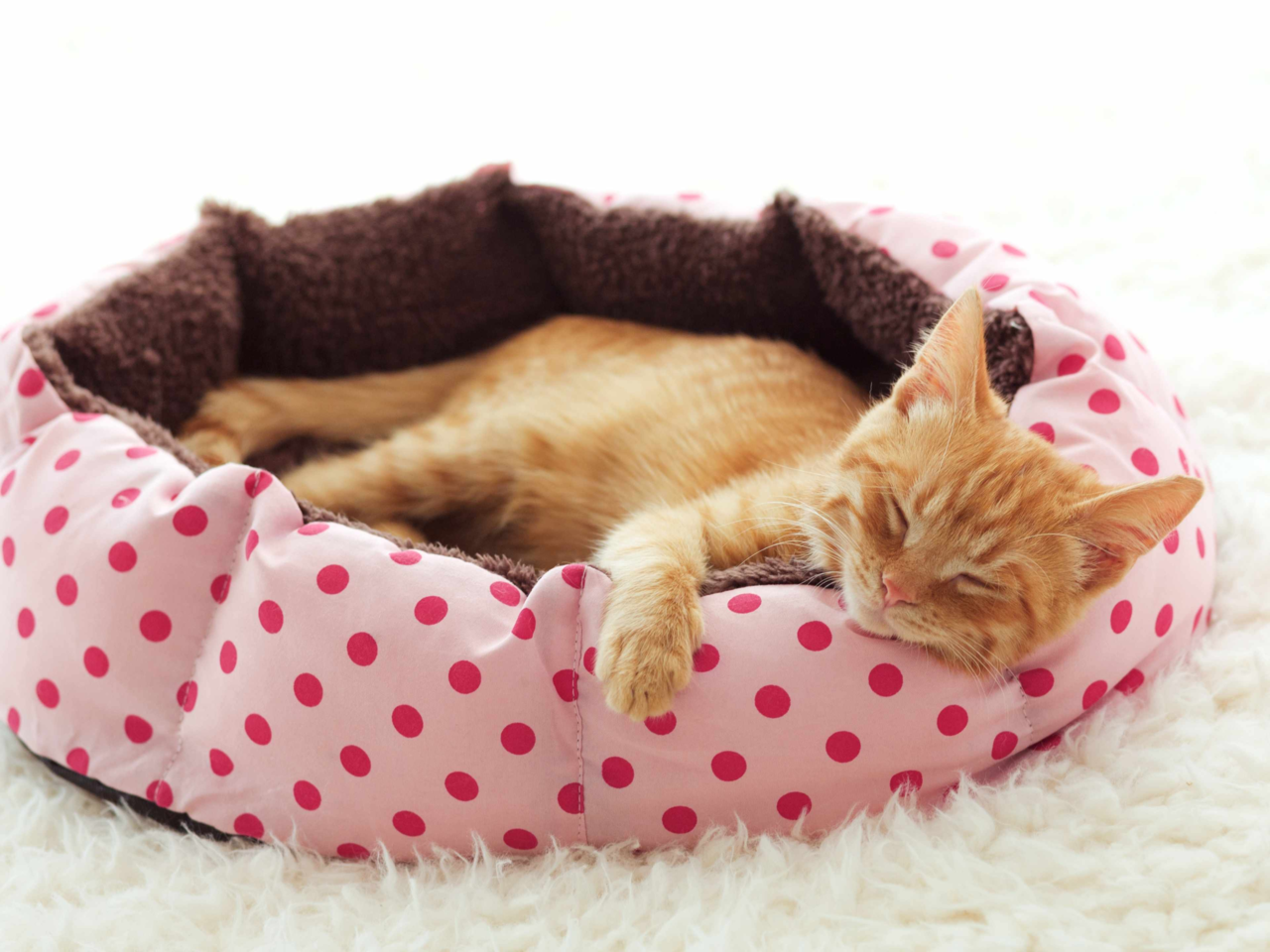
Cats can sleep for much of the day, and the shape they choose often reflects a mix of comfort, temperature, habit and how alert they want to remain. A sleeping position can offer a useful clue, but it cannot reveal mood or health on its own. The best guide is your cat's usual pattern and what else is happening around them.
Quick answer
A relaxed side sleeper or belly-up cat may feel safe, while a loaf or curled shape can help them stay warm and ready to move. Hiding or crouching is more meaningful when it is new or paired with changes in appetite, grooming, movement or toileting. Read the whole cat, not one pose.
Six common cat sleeping positions
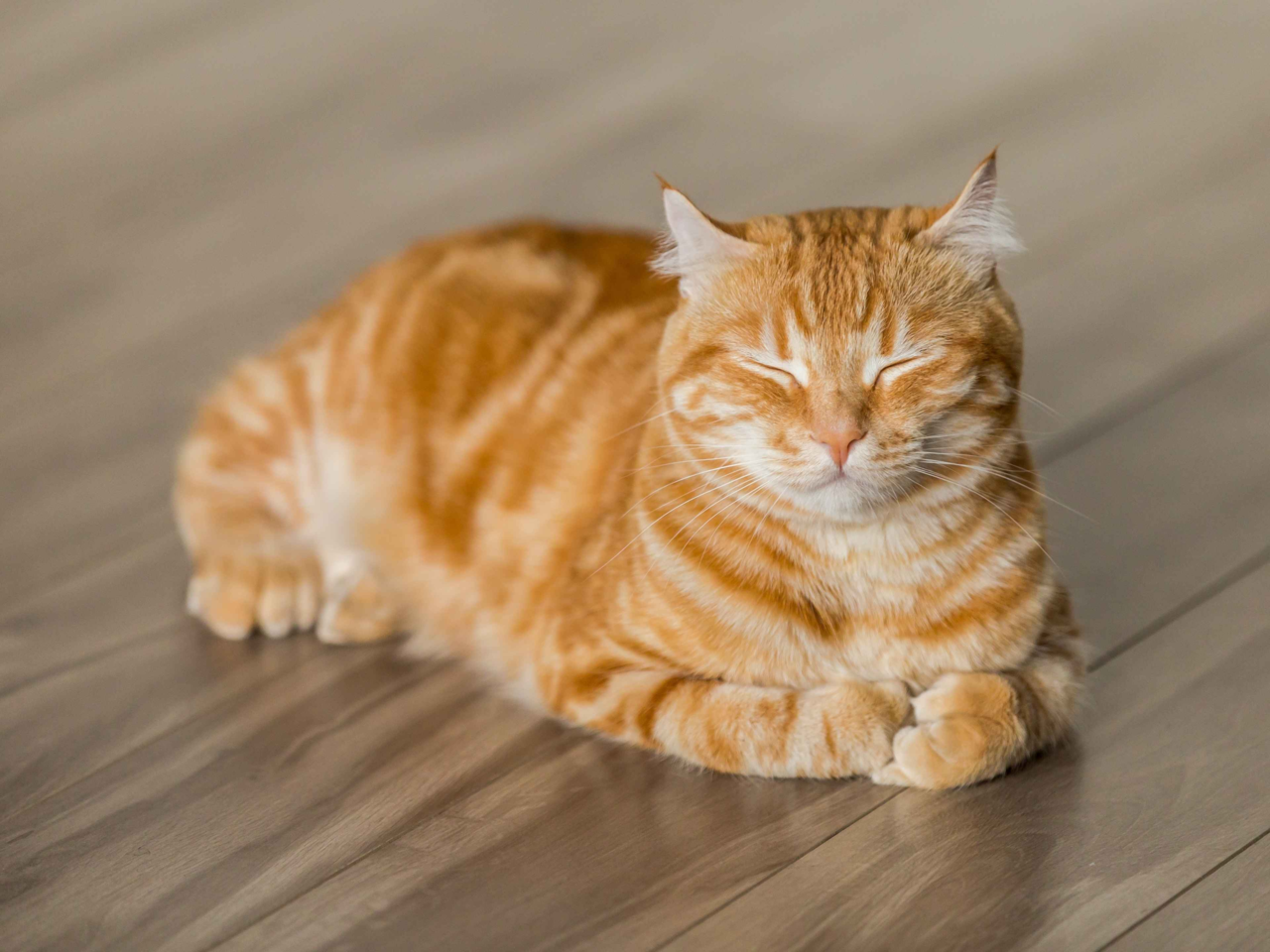
The loaf
Paws tucked underneath and tail close to the body can conserve warmth while keeping your cat ready to stand. A loaf often looks calm and settled, but it is not the deepest sleeping position.
Curled into a ball
Curling helps retain body heat and protects the belly. It can be a snug, practical choice rather than a sign that your cat feels worried.
On their side
Side sleeping leaves the belly more exposed and often happens when the body is relaxed. Context still matters, especially if your cat seems stiff or reluctant to change position.
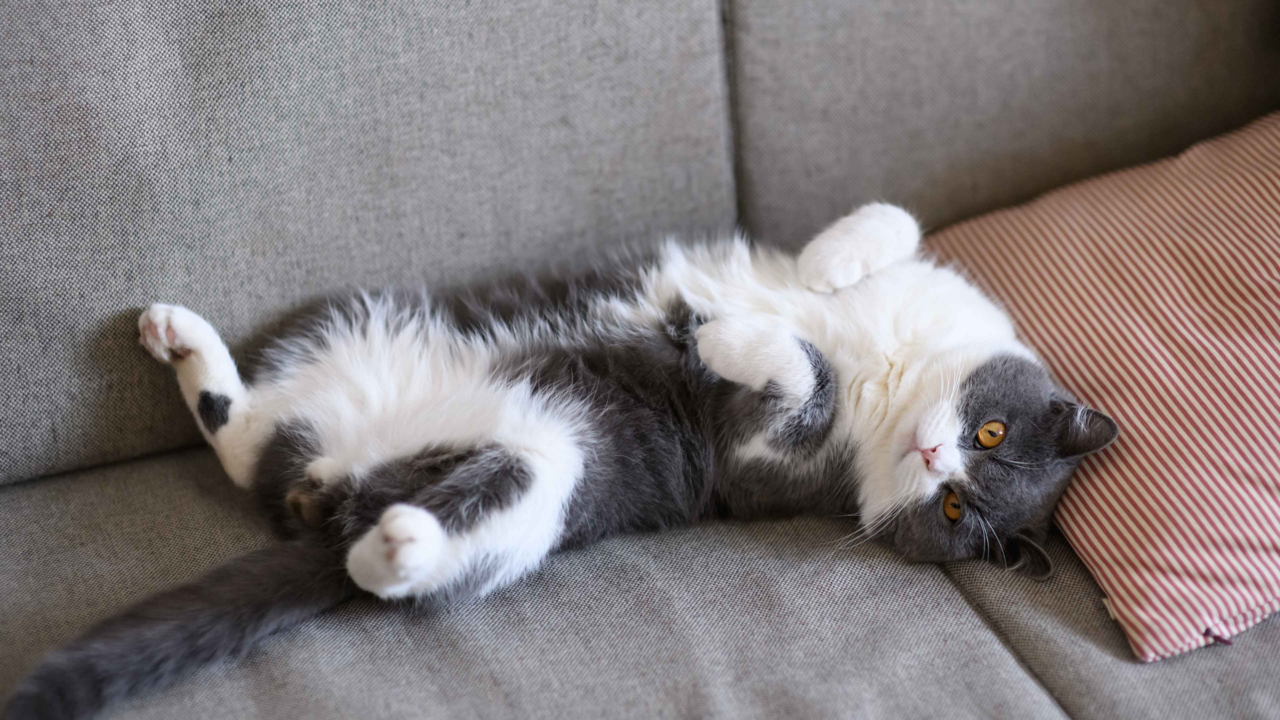
Belly up
An exposed belly may reflect comfort, warmth or trust. It is not automatically an invitation for a belly rub, so let your cat choose whether contact continues.
Hidden away
Many cats simply prefer a quiet, enclosed place for uninterrupted sleep. A sudden increase in hiding is worth noticing, particularly when it comes with other changes.
Eyes partly open
Cats can rest lightly while monitoring sounds and movement. Occasional twitching during sleep can also happen during dream sleep, provided your cat wakes and behaves normally.
How to read the whole picture
Compare with their normal
Notice where, when and how your cat usually sleeps. A single unusual nap is less informative than a pattern that keeps repeating.
Check the environment
Room temperature, sunlight, noise, visitors and other pets can all influence where your cat settles and how tightly they curl.
Watch the wake-up
Look for easy movement, normal grooming and usual interest in food, play and company. These details add far more meaning than posture alone.
When a vet check is sensible
Contact your vet if a new sleeping posture comes with persistent hiding, reduced appetite, poor grooming, toileting changes, stiffness, difficulty getting comfortable or unusual vocalising. Laboured or open-mouth breathing needs urgent veterinary attention.
Give your cat more than one good sleep spot
Offer a choice of warm, cool, high, low, open and covered places. In a multi-cat home, spread resting spots around the house so no cat has to pass another cat to reach a safe place.
Cat sleeping position FAQs
Does a cat sleeping on their side mean they trust me?
It may show they feel comfortable enough to relax, but trust is better judged from their wider behaviour, including approach, play, grooming and willingness to rest near you.
Why does my cat sleep curled up?
Curling helps conserve heat and protect the belly. It is a common, practical sleep position and is not automatically a sign of worry.
Why does my cat cover their face while sleeping?
They may be blocking light, keeping their nose warm or simply resting a paw in a comfortable position.
Is it normal for my cat to twitch in their sleep?
Small paw, whisker or ear twitches can occur during dream sleep. Speak with your vet if movements are intense, prolonged, happen while awake or your cat is difficult to rouse.
Why has my cat started sleeping in a new place?
Seasonal warmth, household noise, new furniture or another pet may be influencing the change. Watch for other changes before drawing a conclusion.
Should I wake a sleeping cat?
Usually, no. Let them rest unless you need to check that they respond normally or your vet has given specific instructions.
How many sleep spots should a cat have?
There is no fixed number. Aim for several safe choices in different parts of the home, with extra options in multi-cat households.
Make rest easy
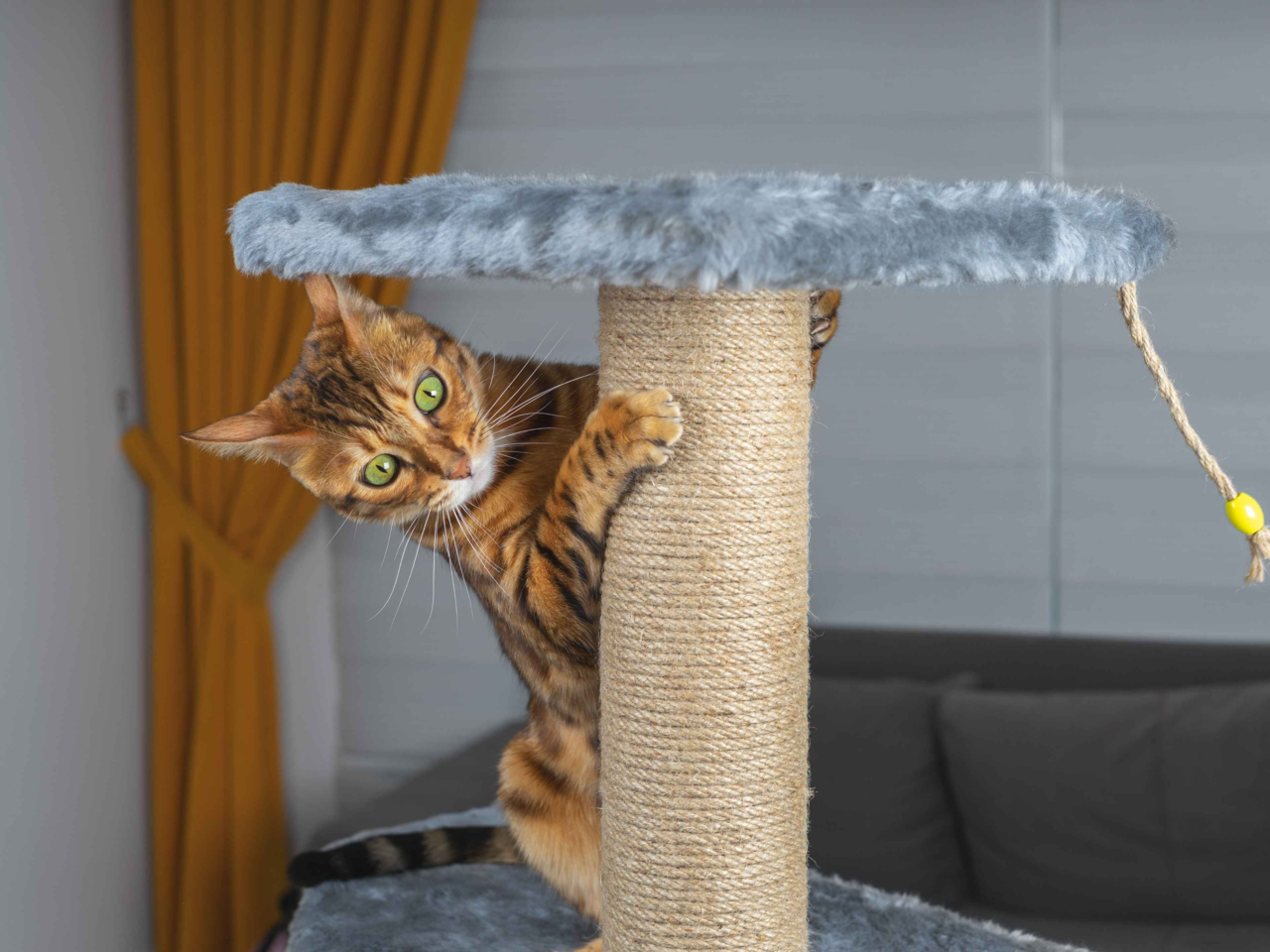
Explore cat beds, hideaways and scratching furniture, then place options where your cat already chooses to spend time.