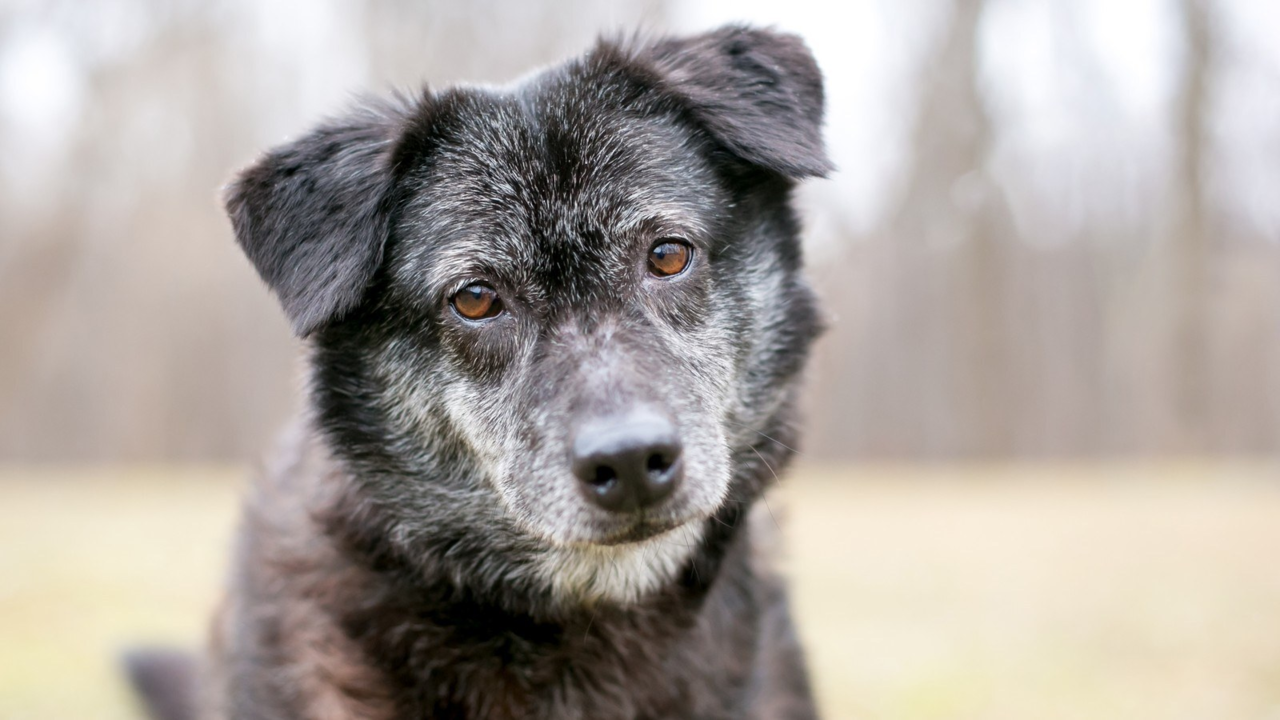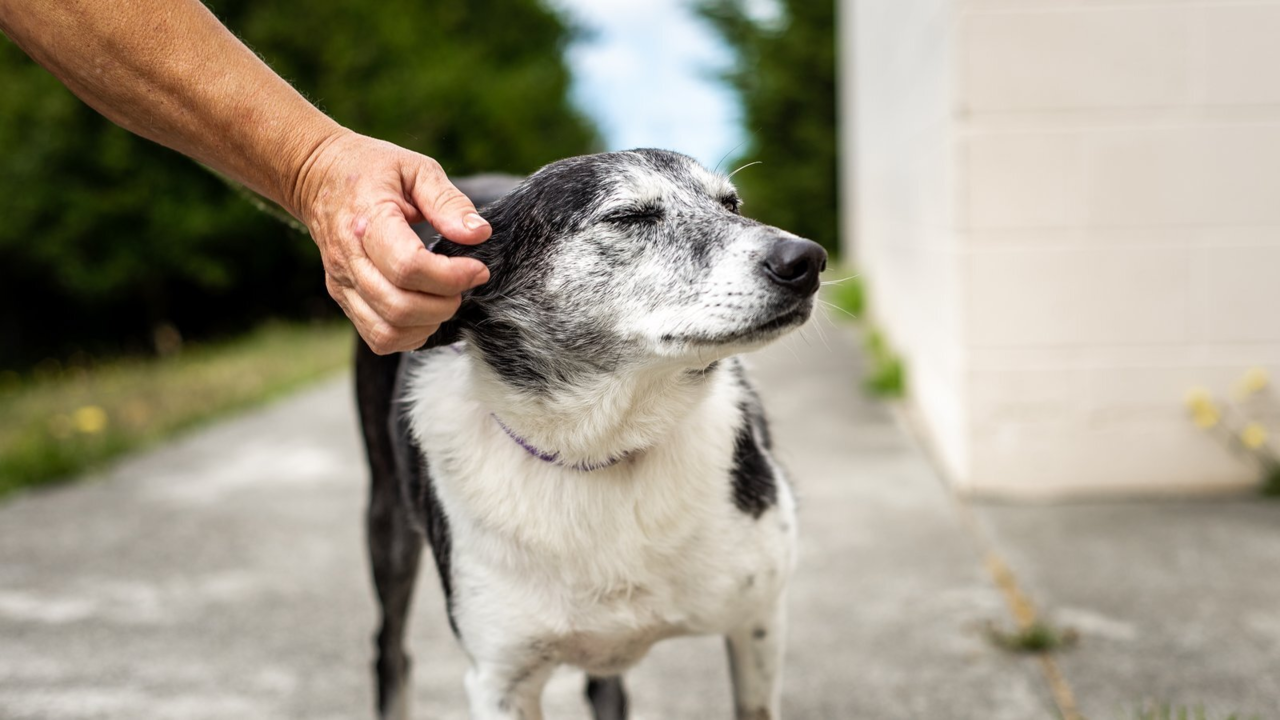
Caring for a Senior Cat or Dog When You Work Full Time
Quick answer
A full workday can work well for a Senior cat or dog when the day is predictable, the home is comfortable and someone can check in when your pet needs more support. Keep familiar food and routines, make water and toileting easy to access, provide a quiet resting place, and plan human contact for the middle of the day when needed. Use feeders, cameras or other technology as support for your care plan, not as a replacement for a person.
Plan the day around what your pet already knows
Senior pets often do best with a calm, familiar rhythm. Before work, allow time for the usual breakfast, toileting, gentle movement and attention rather than trying to fit everything into a rushed exit. Keep the order of events consistent where you can. A familiar cue, bed, bowl and resting place can make the start of your workday feel ordinary.
Do not assume every Senior pet needs the same amount of company. Some cats are content to rest between check-ins, while some dogs need a person to visit, a toilet break or a little company. Base the plan on your individual pet’s normal habits and the length of your workday.
Set up a comfortable home base
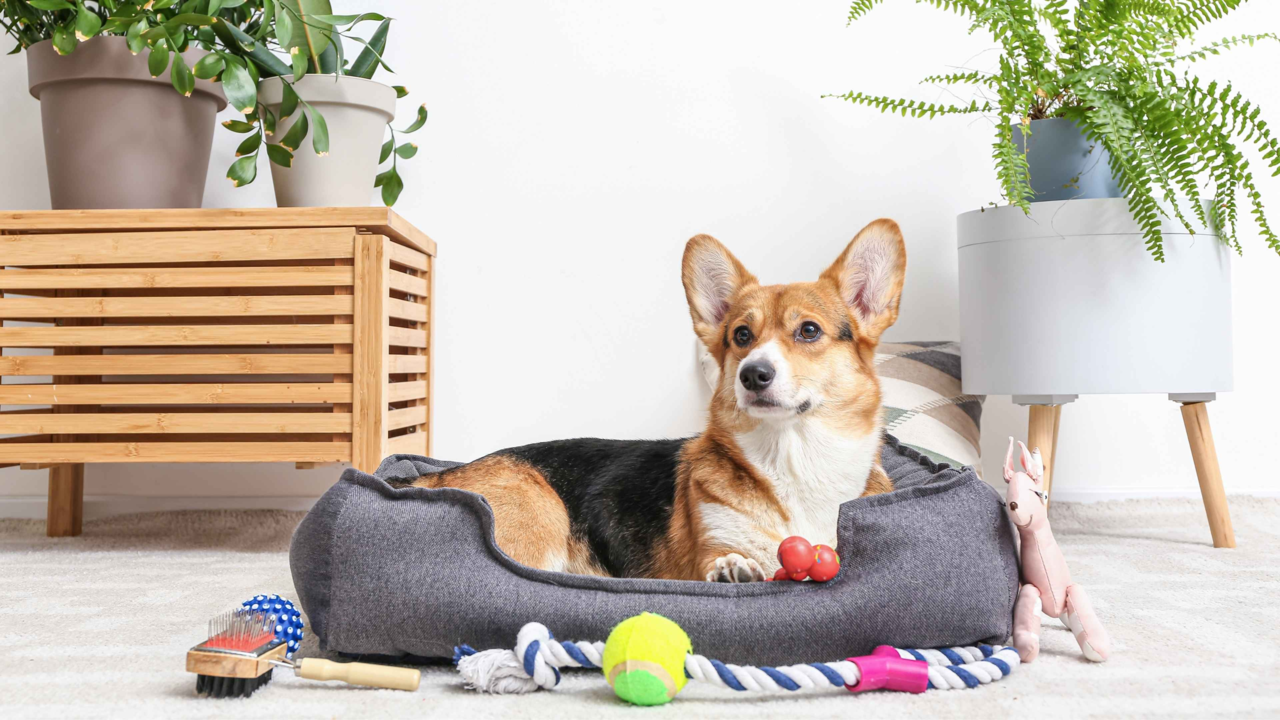
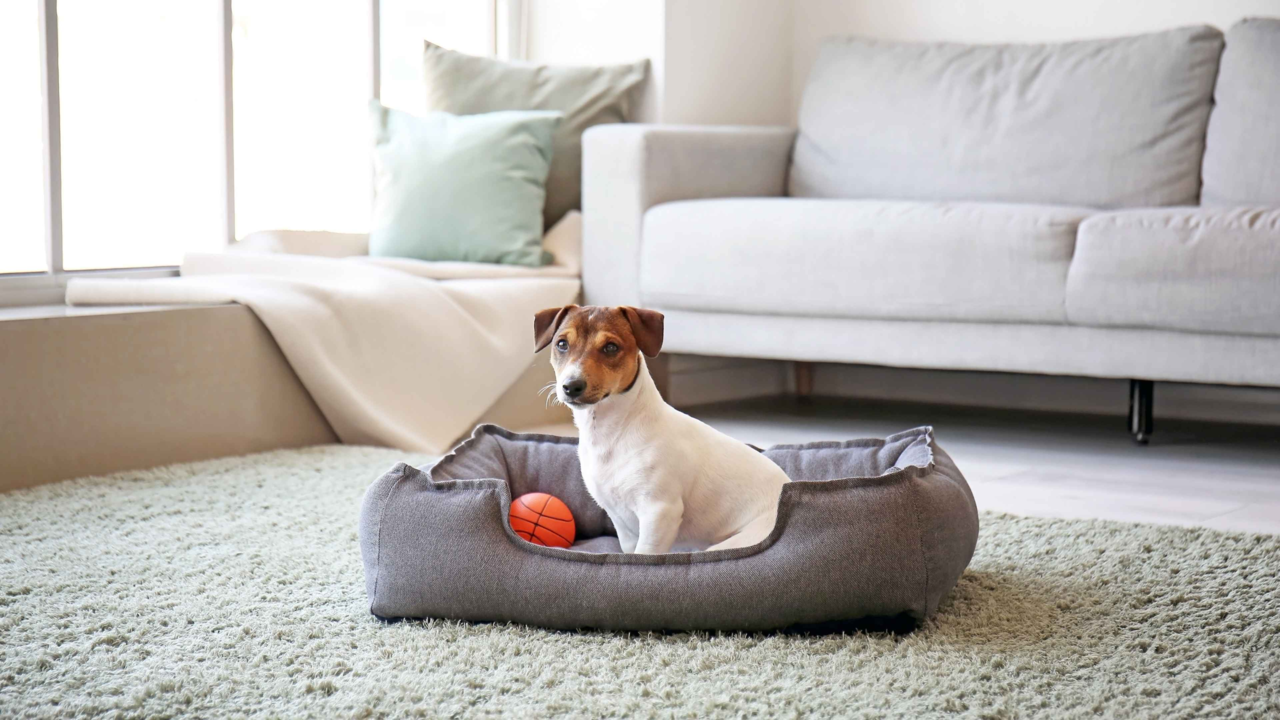
Choose a quiet, easy-to-reach place where your pet can rest without being disturbed. Keep the bed away from busy doorways and make sure your pet can move between resting, drinking and toileting areas without unnecessary obstacles. For cats, keep litter trays in familiar locations and avoid making a new setup part of a busy workday.
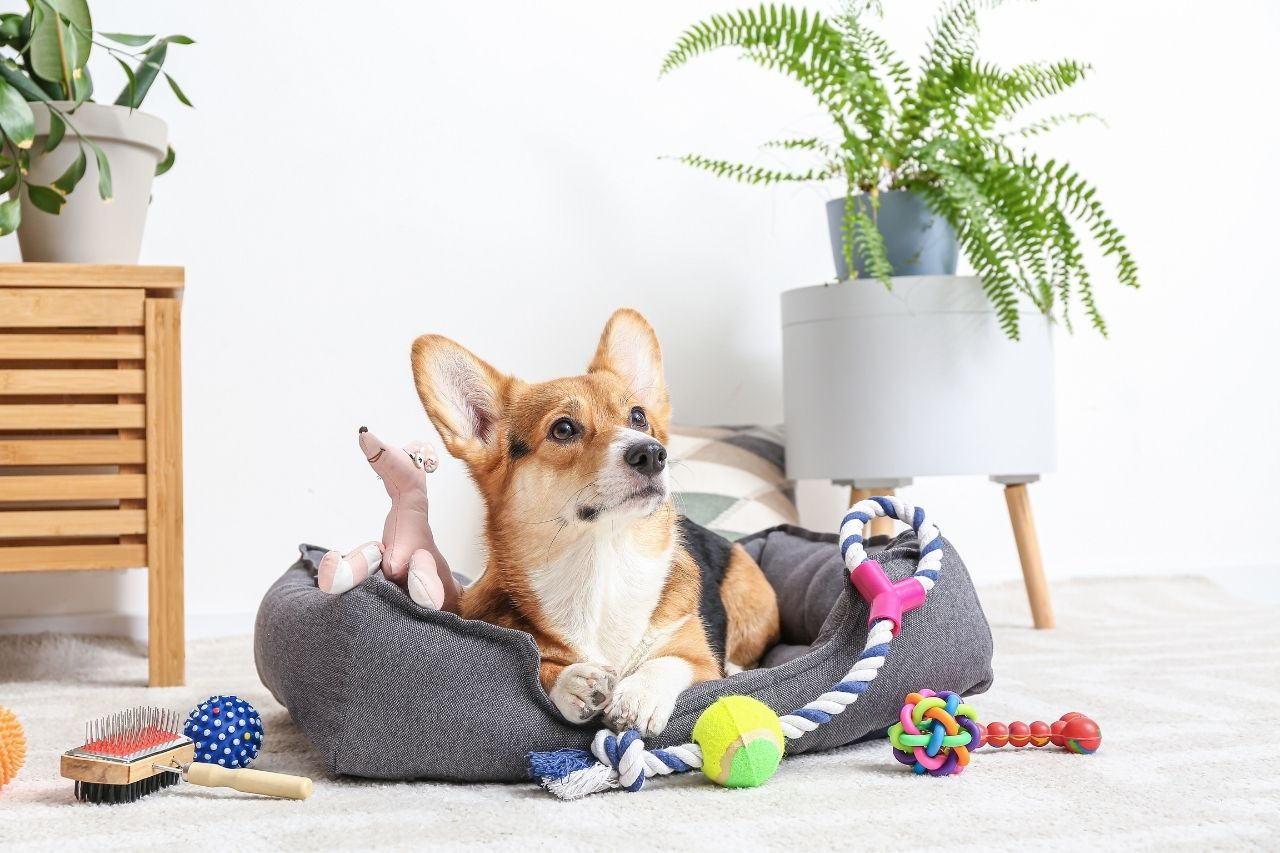
Leave a few familiar items within reach, such as bedding or a favourite toy. Keep the environment simple and safe before you leave. Close doors to areas that are out of bounds, secure windows and gates, and put away food, medicines and small objects that could be tempting to investigate.
Keep meals and water predictable
Use the food your pet already knows and keep portions and timing consistent. Avoid introducing a new food or feeding routine simply because you are starting a new work schedule. Prepare meals before the morning rush, and leave clear instructions if another person will be feeding your pet.
An automatic feeder can help with timing or portion routines, but it does not replace checking that your pet has eaten, has water and is otherwise comfortable. Test any device while you are at home, keep it clean and have a straightforward backup plan if it stops working. Make fresh water easy to reach and check it as part of your morning and evening routine.
Arrange the right kind of midday support
If your Senior dog normally needs a toilet break, company or a gentle outing during the day, arrange a trusted person before your work pattern begins. That might be a family member, neighbour, pet sitter or dog walker. Give them a simple written plan covering access, food, water, toileting and what you would like them to tell you.
A Senior cat may need a check-in too, especially if they are used to company, need help with a routine or tend to hide when something changes. A person can notice details that a device cannot, including whether food and water have been used, whether the litter area looks normal and whether your pet seems settled.
Technology can support a plan, but it should not be the whole plan. A camera may help you see whether your pet is resting, and a feeder may help with timing. Neither can provide hands-on care, respond to an unexpected problem or replace a person checking in when your pet needs one.
Make evenings a useful check-in
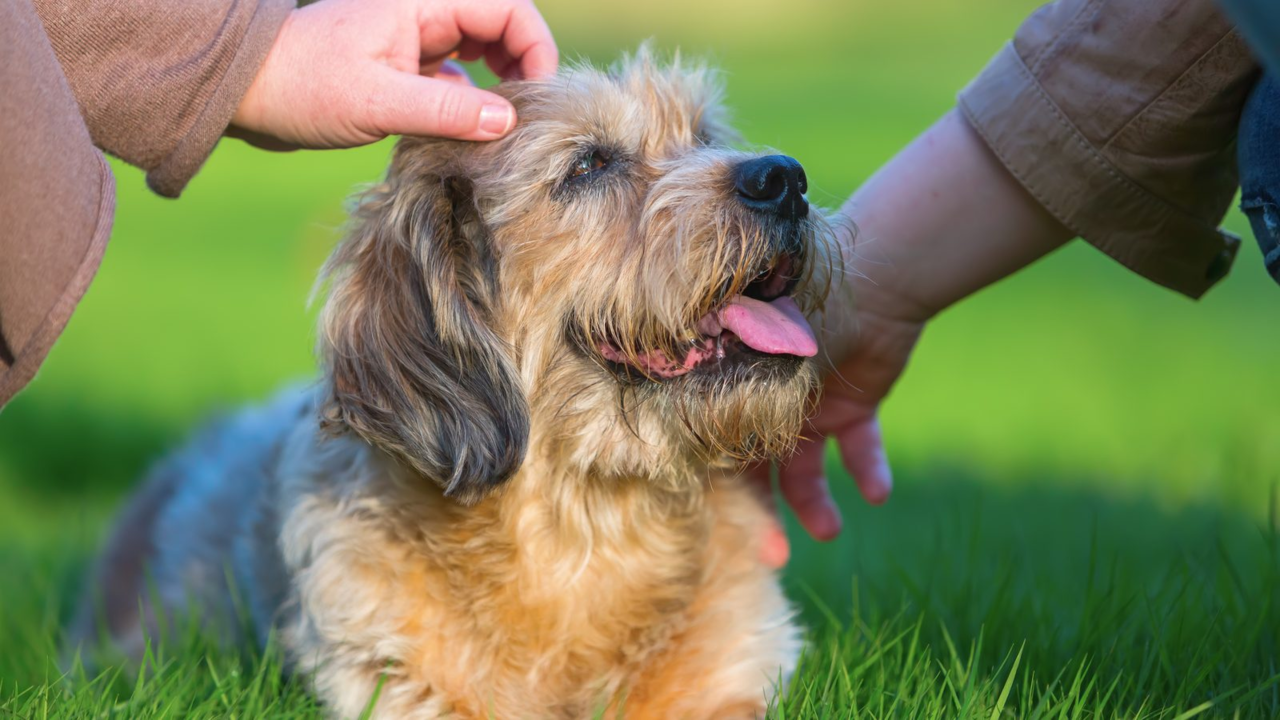
When you finish work, give yourself time to notice how the day went. Check food, water and toileting, then look for changes in your pet’s usual behaviour, movement, appetite or interaction. For dogs, a calm toilet break or gentle sniffing time may be enough. For cats, quiet company, grooming if they enjoy it or a familiar play session can help them reconnect.
Keep the evening manageable rather than trying to make up for the whole day with a long or busy session. If you notice a change that concerns you, write down what you observed and contact your veterinary team for advice. Do not wait for the next workday if your pet seems acutely unwell, distressed or unsafe.
Build a workday plan you can repeat
- Before work: follow the familiar breakfast, water, toileting and attention routine.
- During work: leave a comfortable home base and arrange a human check-in when your pet needs one.
- At lunchtime: confirm any visit, meal or toileting task has a clear owner and backup.
- After work: check food, water, toileting and behaviour before settling into the evening.
- At the weekend: review what worked and adjust one part of the plan at a time.
Write the plan down for anyone who helps. Include your pet’s normal routine, access details, food and portions, where supplies are kept, your contact details and who should be contacted if something seems wrong. A repeatable plan is easier for you, your helper and your pet.
Frequently asked questions
Can a Senior cat or dog be left alone during a full workday?
It depends on the individual pet, their routine and the length of time away. Plan around what your pet normally needs, and arrange a human check-in if they need company, a toilet break, help with a routine or closer observation.
Should I use an automatic feeder for my Senior pet?
An automatic feeder may support a familiar feeding schedule, but test it first and keep a human backup. It should not replace checking that your pet has eaten, has water and is comfortable.
What should I do if my pet’s routine changes when I return to work?
Change the routine gradually where possible. Keep meal, toilet and rest cues familiar, and observe how your pet responds over several days. If you are concerned by a change in eating, drinking, toileting, movement or behaviour, contact your veterinary team.
How can I make a full workday easier for my Senior dog?
Start with a familiar morning, provide a comfortable resting area, keep water accessible and arrange a suitable midday visit if your dog needs one. Keep exercise and company matched to what your dog already enjoys.
Does my Senior cat need someone to visit during the day?
Some cats manage quiet days well, while others benefit from a person checking food, water, litter and general comfort. Consider your cat’s usual habits, any care tasks and how long you will be away.
Are pet cameras enough for a Senior pet?
No. A camera can help you observe from a distance, but it cannot provide hands-on care or respond to an unexpected problem. Use it alongside a clear routine and human support where needed.
What should I write down for a pet sitter or family member?
Include your pet’s normal routine, food and portions, water and toileting arrangements, access instructions, supplies, your contact details, a backup contact and what to do if something seems unusual.
Make the workday feel familiar
Keep your pet’s familiar resting place ready for the day. If you need new bedding, explore beds for dogs or beds and scratchers for cats.