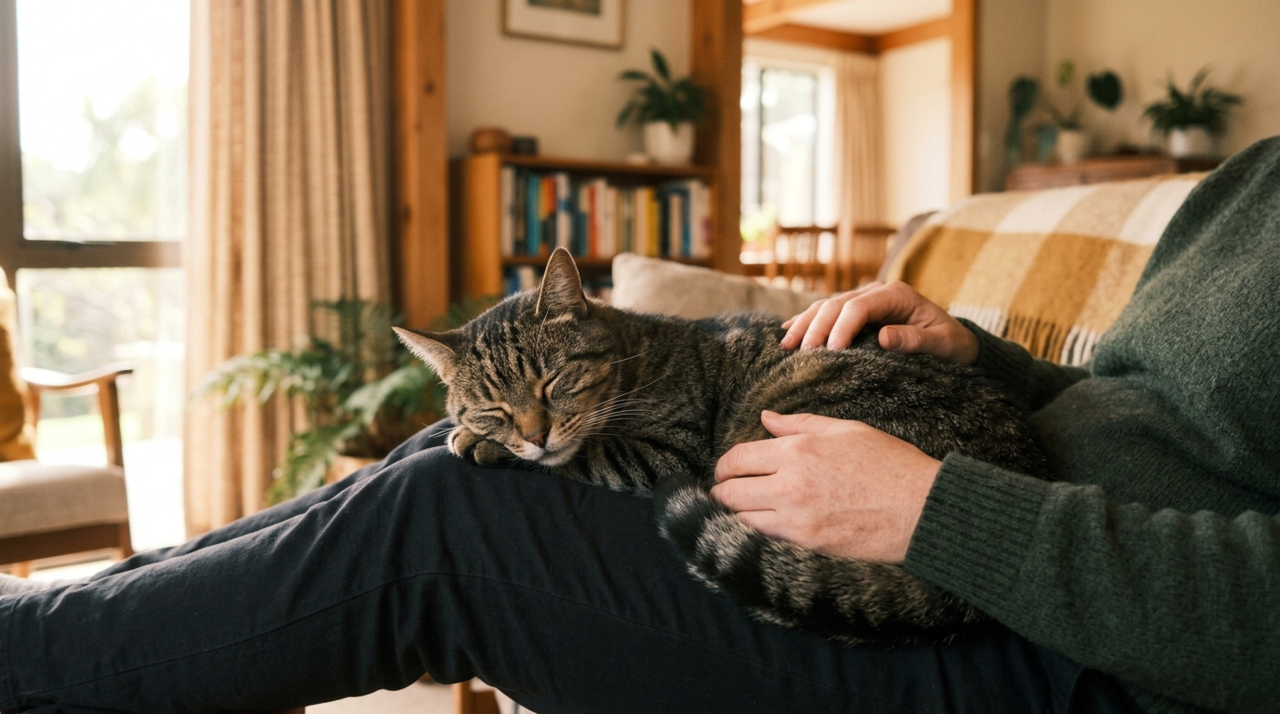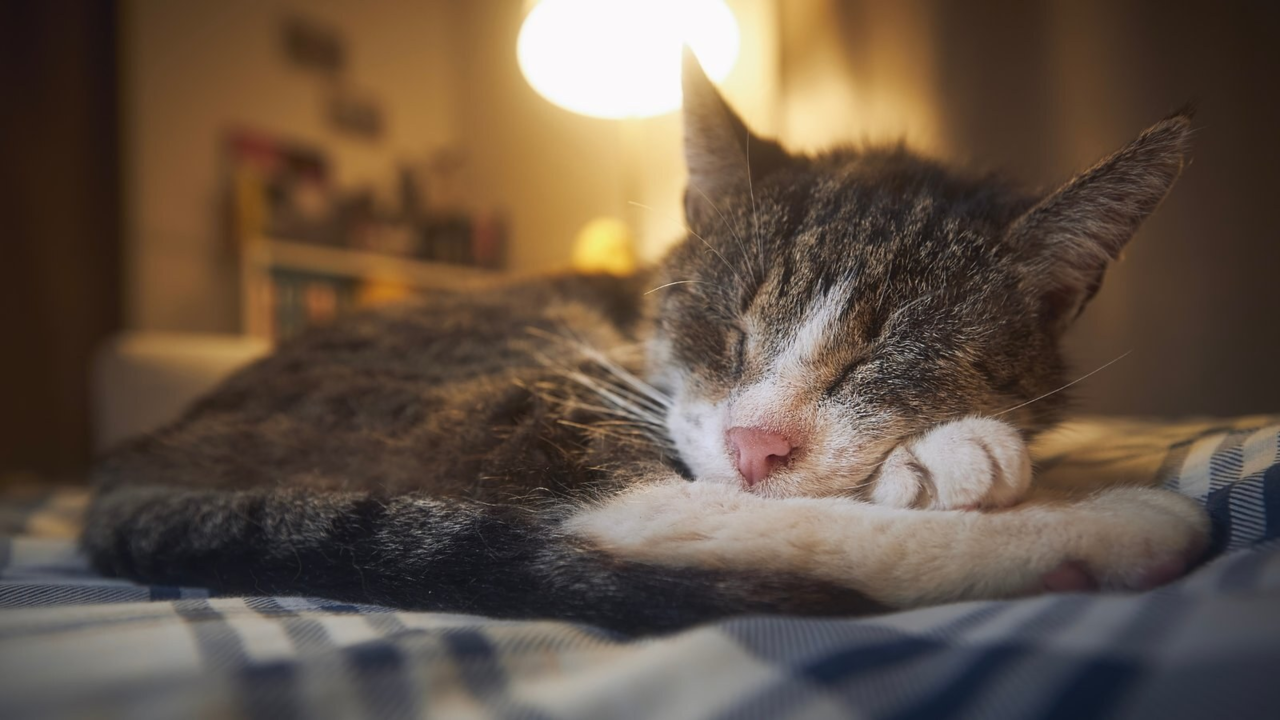
As cats get older, the evening tends to become the gentlest part of their day. Many seniors slow down after their last meal, look for a warm spot to settle, and sleep more deeply once the house quietens. A predictable wind-down routine plays right into those instincts. It tells your cat the busy part of the day is over, helps stiff joints loosen and rest, and makes the long stretch overnight calmer for everyone.
This guide walks through how to build a calm evening for a cat aged 7 or older, from the last warm meal to the cosiest place to sleep. It is a comfort routine, not a medical plan, so think of it as a few small habits you can settle into together.
Quick answer
A calm evening routine for an older cat means keeping the last few hours predictable: a warm, easy meal at a steady time, a short spell of gentle play or fuss to settle them, fresh water on offer, soft lighting, and a warm, draught-free bed in their favourite quiet spot. Doing the same things in the same order each night helps a senior cat relax, sleep more deeply, and feel secure.
Why evenings matter more as cats age
Older cats thrive on routine, and the evening is where that routine does the most work. A few things change with age that make a calm, predictable end to the day especially helpful.
Deeper need for warmth
Senior cats feel the cold more and lose body heat faster than they used to. A warm bed in the evening helps them settle and eases joints that stiffen up as the temperature drops.
Changing sleep patterns
Many older cats sleep more in total but in lighter, broken stretches. A steady wind-down helps them drop into deeper, more restful sleep overnight.
Comfort in predictability
A familiar order of events lowers stress for an older cat. Knowing dinner, then fuss, then bed comes every night gives a reassuring shape to the day.
Quieter, calmer senses
As hearing and eyesight soften, a busy or brightly lit evening can feel unsettling. Dimming the lights and keeping things calm makes the house feel safe.
Building the wind-down, step by step
You do not need anything elaborate. The magic is in doing the same simple things in the same order each evening so your cat learns what comes next.
A warm last meal at a steady time
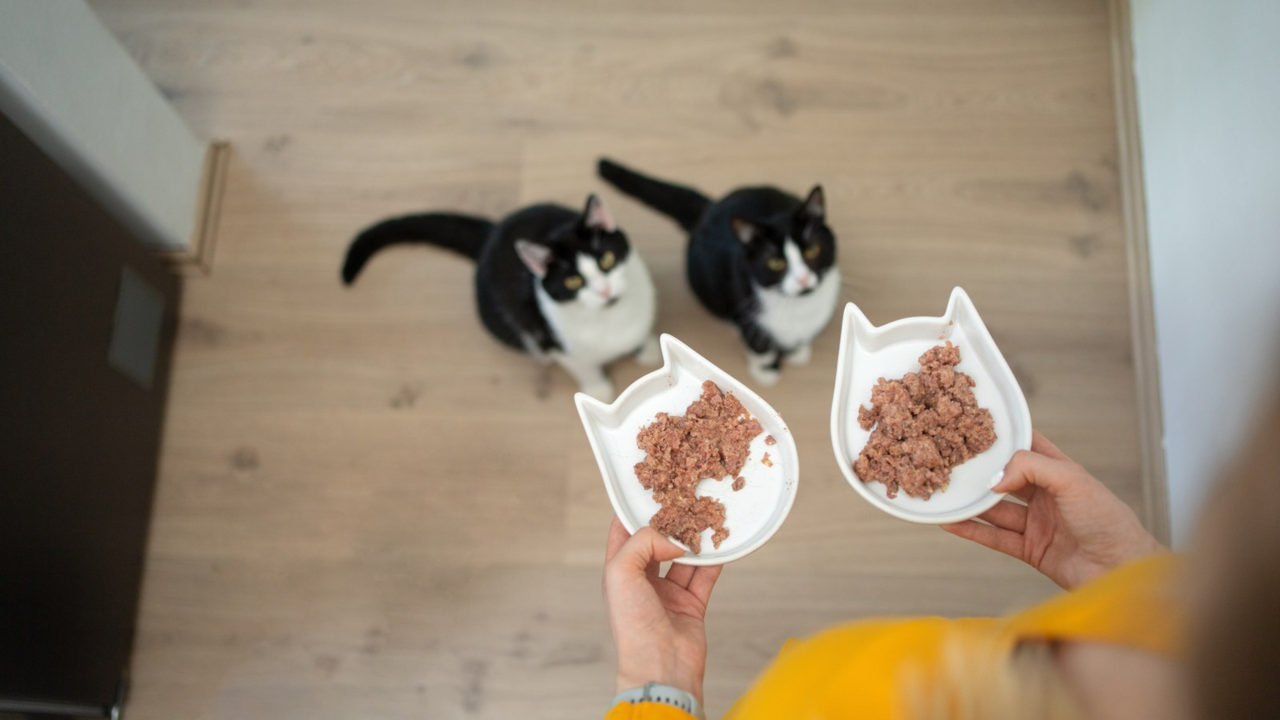
Serve the evening meal at roughly the same time each night. Warming wet food gently lifts the aroma, which matters more as your cat's sense of smell fades, and makes that final meal easy and appealing.
A short spell of gentle play or fuss
A few quiet minutes of slow play, a lick mat to work at, or a gentle grooming session helps an older cat release any leftover energy and shifts them towards rest. Keep it low-key rather than high-octane.
Fresh water within easy reach
Top up water or refresh the fountain before bed. Older cats are prone to drinking too little, and a tempting water source nearby encourages a sip during the night.
Soften the lights and settle the house
Dimming the lights and turning down noise cues your cat that the day is winding down. A calming diffuser running in the background can help a more anxious senior relax.
A warm, easy-to-reach bed
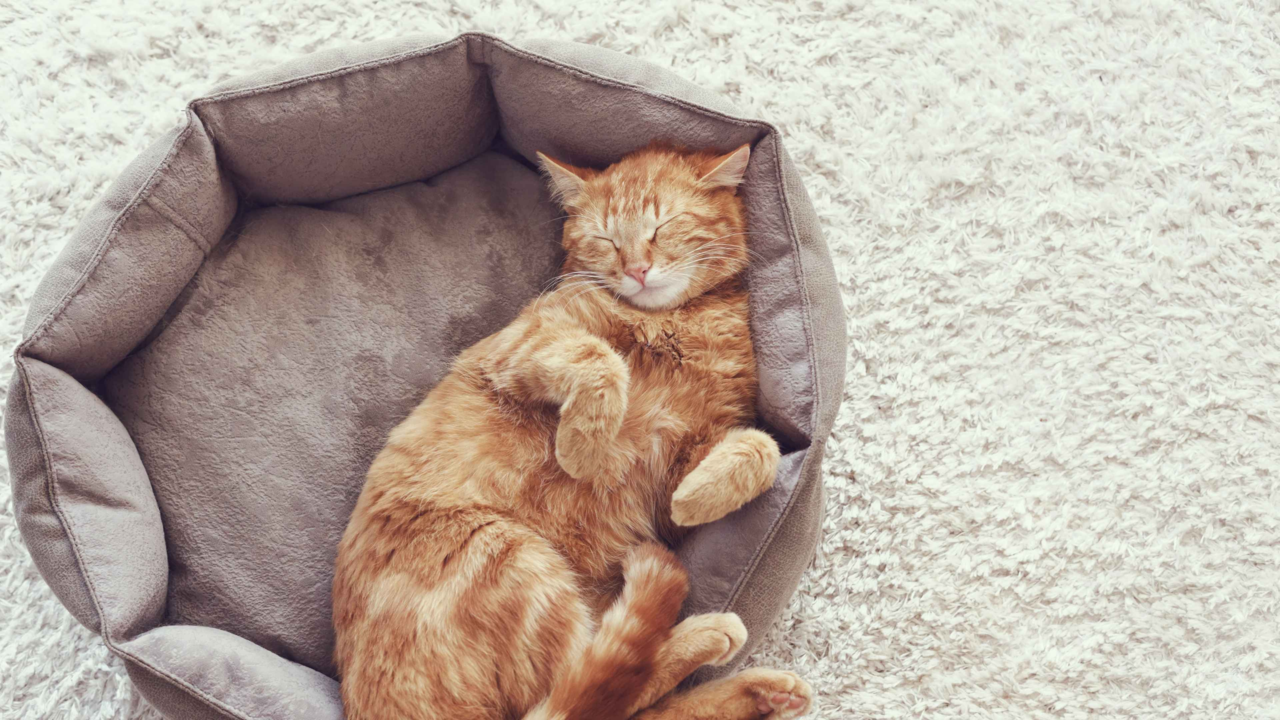
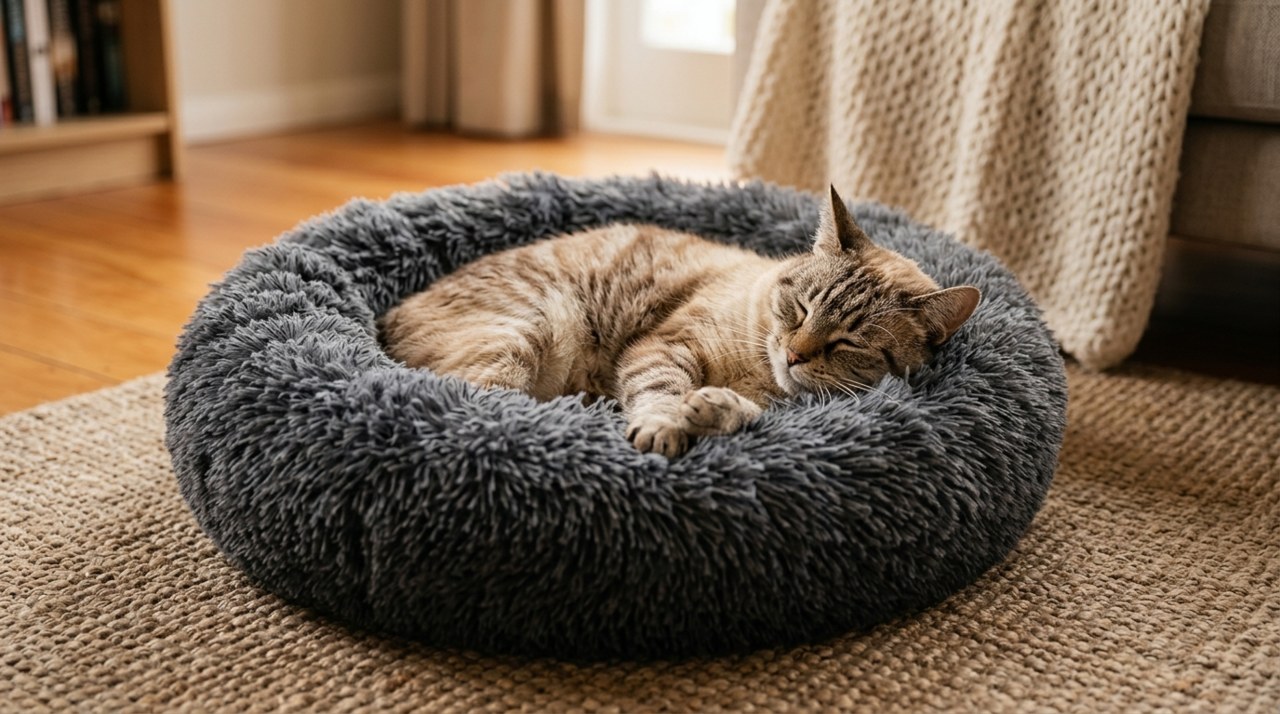
Finish the night by guiding them to a warm, draught-free bed in their favourite quiet spot. An enclosed or padded bed holds warmth and gives a senior cat the secure, tucked-in feeling they love.
The last warm meal
A senior-friendly wet food served slightly warm is the gentlest way to round off the day. The softer texture is easy to eat, the warmth lifts the smell, and a meal at a steady time becomes a reassuring anchor for the evening. A small aromatic topper can tempt a cat who has gone a little fussy.
Gentle wind-down and calm signals
After dinner, a little quiet activity helps an older cat settle rather than wind up. A lick mat gives them something soothing to focus on, a soft blanket adds a familiar comfort, and a calming diffuser can take the edge off for a cat who gets restless as the house goes quiet.
A warm place to settle
The heart of an evening routine is somewhere snug to sleep. Older cats love a warm, enclosed bed that holds in heat and feels secure, tucked away from draughts and foot traffic. A cave or tunnel style suits cats who like to burrow, while a soft, supportive bed gives aching joints a comfortable rest.
Water on offer overnight
Hydration quietly supports an older cat through the long stretch overnight. Many cats drink more readily from moving water, so a fountain refreshed before bed and placed away from the food bowl encourages a steady sip whenever they wake.
If the evenings have changed lately
A calm routine helps most older cats settle, but a noticeable change in how your cat behaves at night is worth a gentle word with your vet rather than putting it down to age alone. Keep an eye out for:
- New restlessness, pacing or loud calling once the house is quiet, covered in our guide to senior cats yowling at night
- Seeming confused, disoriented or unsettled in familiar rooms, which can be a sign of cognitive decline in senior cats
- A clear change in how much they sleep, eat or drink alongside the night-time changes
Keep it simple and consistent
A routine only works if it is easy enough to keep up every night. A few small habits, repeated in the same order, do far more than an elaborate set-up.
Same order, same time
Meal, then quiet play, then bed. Doing it in the same sequence each night is what helps it stick.
Let them choose the spot
Most cats already have a favourite evening place. Put the warm bed there rather than expecting them to move to it.
Keep it low and calm
Soft lighting and quiet voices in the last hour help an older cat ease towards sleep.
Watch the pattern
A settled, predictable evening makes it much easier to notice when something genuinely changes.
Frequently Asked Questions
At what age is a cat considered senior?
Cats are generally considered senior from around 7 years of age. There is no overnight change, so you will usually see their habits and energy shift gradually, which is exactly when a calm evening routine starts to pay off.
What time should I feed my older cat in the evening?
The exact time matters less than keeping it consistent. Pick a time that suits your household and stick to it each night, so your cat learns to expect the meal and settles around it.
Should I warm my cat's evening food?
Warming wet food gently to around room temperature or a touch above lifts the aroma and makes it more tempting, which helps as a cat's sense of smell fades. Never serve it hot, and discard anything left out too long.
Where is the best place for my senior cat to sleep?
A warm, draught-free spot in a quiet part of the house, ideally somewhere they already gravitate to in the evening. An enclosed or padded bed holds warmth and gives the secure, tucked-in feeling older cats prefer.
My older cat gets restless at night. Will a routine fix it?
A predictable wind-down often helps a cat settle better overnight. If the restlessness is new, includes loud calling or confusion, or comes with changes in eating, drinking or sleep, it is worth a chat with your vet rather than relying on routine alone.