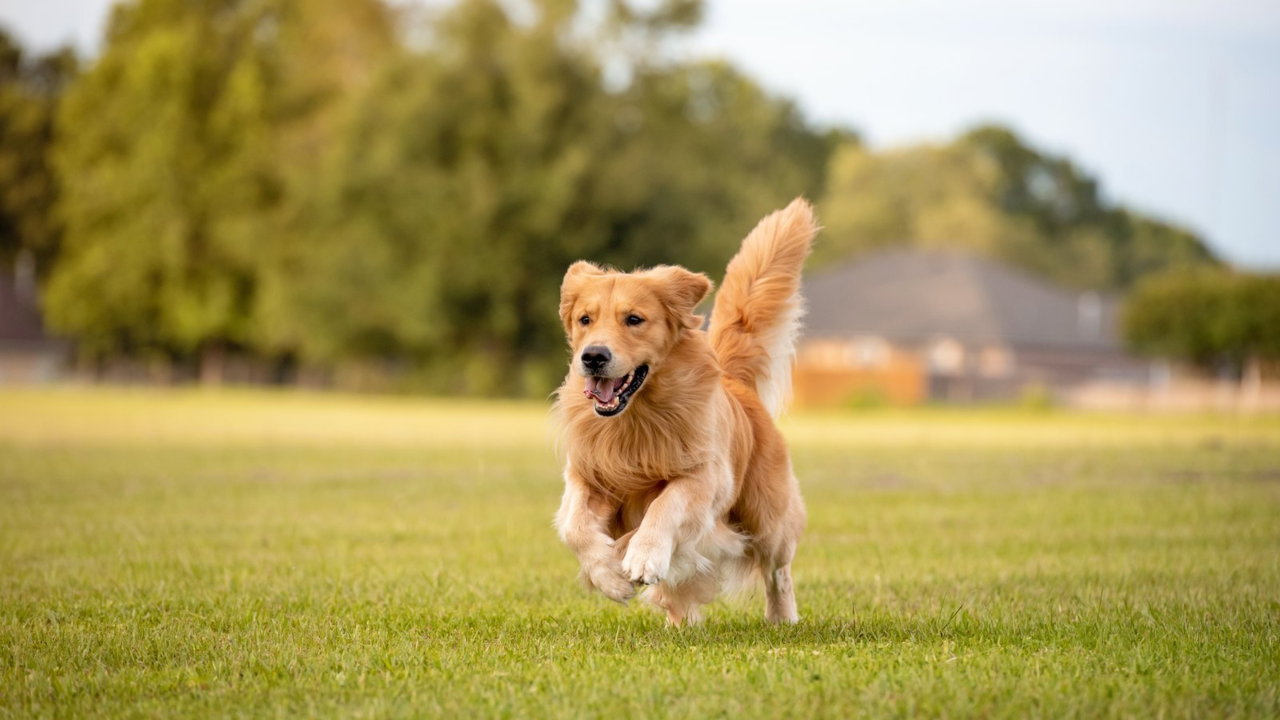
Living with a big dog can feel beautifully calm one moment and surprisingly chaotic the next. A friendly jump, a sudden pull or a fast dash through a doorway carries more force when your dog is large. The answer is not stricter handling. It is a clear daily rhythm that makes calm choices easy to repeat.
Quick answer
A useful big dog manners routine practises the same few skills every day: waiting at doors, keeping four paws on the floor, walking on a loose lead, checking in around distractions and settling on a mat. Use short reward-led sessions, build difficulty gradually and make calm behaviour part of real life rather than saving it for one long training session.
This guide turns those skills into a simple routine for large dogs. Most practice moments take less than five minutes, and many fit naturally around breakfast, walks, visitors and evening downtime.
Why daily manners matter for big dogs
Large dogs do not need a completely different learning method from smaller dogs. They do need reliable everyday skills because their size makes accidental bumps, pulling and excited greetings harder to manage. A routine gives your dog many easy chances to get it right before you ask for the same behaviour in a busy park or at the front door.
Consistency also removes guesswork. If sitting calmly always opens the door, a loose lead keeps the walk moving and settling on a mat earns quiet rewards, your dog learns which choices work. Reward-based learning keeps the process clear and supports a strong relationship between you and your dog.
Keep sessions short
Two to five focused minutes is plenty for most practice blocks. Stop while your dog is still engaged, then return to the skill later in the day. Frequent, achievable repetitions usually beat one long session filled with frustration.
Your big dog manners routine at a glance
| Time | Manners focus | Simple practice |
|---|---|---|
| Morning | Calm starts and doorways | Ask for a brief pause before breakfast, clipping on the lead and going outside. |
| Walk | Loose lead and check-ins | Reward slack in the lead, pause when it tightens and use sniffing as a reward. |
| Midday | One useful life skill | Spend three minutes on recall, leave it, drop or settling on a mat. |
| Arrivals | Four paws on the floor | Reward calm greetings or send your dog to a familiar spot before the door opens. |
| Evening | Switching off | Use a calm activity, then reward your dog for relaxing in their own space. |
Morning: start with calm choices
The first few minutes of the day set a useful pattern. Before opening a door or putting down breakfast, wait for one small moment of calm. This might be four paws on the floor, a glance towards you or a relaxed pause. Mark the moment with a quiet word such as “yes”, then continue with what your dog wanted.
Avoid turning every doorway into a long test. The goal is not a perfect sit held for ages. It is a dog who can pause, notice you and move through the space without charging. Practise at easy internal doors before using the skill at the front gate.
Before breakfast
Hold the bowl at waist height. Lower it while your dog stays grounded. If they jump, calmly lift it again. Place it down once they can remain steady for a second or two.
Before the lead goes on
Wait for a still moment before clipping the lead. If your dog mouths the lead or spins, pause rather than wrestling with the equipment.
Before the door opens
Open the door a little. If your dog surges forward, close it gently and reset. Release them through once the lead is slack and their body is calmer.
Walks: practise a loose lead in small pieces
Big dogs can build strong pulling habits quickly because moving forward is rewarding. Begin in a quiet driveway, hallway or low-distraction street. Reward your dog beside you while the lead is loose, then take a few more steps. At first, generous rewards help your dog understand where you want them to be.
If the lead tightens, stop moving. Wait for your dog to turn back, soften the lead or check in, then mark that choice and continue. You can also change direction smoothly before the pull becomes strong. Avoid jerking the lead or dragging your dog back into position.
Sniffing is valuable too. Ask for a few loose-lead steps, then release your dog to sniff a safe verge. This makes the environment part of the reward and helps prevent a walk from becoming one long battle over pace.
Set an achievable walk goal
Do not expect a young or easily excited dog to walk perfectly for the whole outing. Choose one short section for focused practice, then give them time to sniff and explore safely. Gradually extend the calm section as the skill improves.
Midday: add one five-minute skill
Choose one practical skill and keep the session simple. Use tiny rewards so your dog can practise several repetitions without eating too much. End with an easy success, a short game or permission to go and relax.
Settle on a mat
Reward any interest in the mat, then reward standing, sitting or lying on it. Build duration a few seconds at a time. The mat can later become your dog’s calm place during meals or visitors.
Leave it and drop
Teach “leave it” before your dog picks something up and “drop” for releasing an item already in their mouth. Swap rather than chase, then return safe toys when you can.
Recall check-ins
Call once in a cheerful voice from a short distance. Reward your dog when they reach you, then often release them back to what they were doing so coming to you does not always end the fun.
Rotate skills across the week rather than trying to cover everything in one day. Repetition builds fluency, while variety keeps the routine interesting.
Greetings: teach four paws on the floor
Excited jumping often works because it brings attention. Ask family and familiar visitors to greet your dog only while all four paws are on the floor. They can turn slightly away if your dog jumps, then offer attention as soon as your dog settles. Keep voices and movements calm while the skill is new.
For busy arrivals, teach “go to your spot”. Start away from the front door when nothing exciting is happening.
Build value for the spot
Toss a reward onto a mat or bed. When your dog steps onto it, mark the moment and add another reward. Release them before they wander off.
Add a cue
Say “spot” just before your dog moves towards the mat. Gradually stand farther away, then practise while you touch the door handle.
Practise easy arrivals
Ask someone familiar to knock softly or step through the door. Reward your dog on the mat, release them when calm and keep the first greeting brief.
A lead can help you manage early practice, but it should be a calm safety line rather than a way to pull your dog into place. If your dog is too excited to eat or respond, create more distance and make the next repetition easier.
Evening: teach your dog to switch off
Large dogs need movement, but endlessly trying to tire them out can create a fitter dog who still does not know how to rest. Build a predictable wind-down routine. Lower household activity, offer a quiet sniffing or chewing activity and guide your dog towards their bed or mat.
Reward relaxation when you notice it. Calmly place a reward between your dog’s paws when their breathing slows, their body softens or their head rests down. You are showing them that doing nothing is a useful choice too.
If your dog struggles to settle, check whether the day included enough sleep, sniffing, suitable exercise and mental activity. Over-tired dogs can look busy rather than sleepy, especially during adolescence.
Common routine mistakes
| If this happens | Try this instead |
|---|---|
| Cues are repeated several times | Say the cue once, wait briefly and make the situation easier if your dog cannot respond. |
| Practice only happens after a problem | Rehearse when the house, street or doorway is quiet so the behaviour has a strong foundation. |
| Rewards disappear too quickly | Reduce them gradually and keep rewarding especially good choices or harder situations. |
| Everyone uses different rules | Agree on the cues, release word and greeting routine so your dog gets one clear message. |
| The session keeps going after focus is lost | Finish after a small success and return later with fewer distractions or a more useful reward. |
Helpful tools for big dog manners
Choose equipment that supports clear teaching and safe management. A versatile lead can help with everyday walking, a long training lead can create room for recall practice, and a clicker or verbal marker can pinpoint the choice you want to see again. Keep small rewards handy so calm behaviour is easy to reinforce in the moment.
Frequently asked questions
How long does it take to improve a big dog’s manners?
You may notice small changes within days when everyone follows the same routine. Reliable behaviour around visitors, other dogs or busy streets takes longer because each new level of distraction needs practice.
How often should I train my large dog?
Aim for several short practice moments spread through the day. Breakfast, doorways, walks and evening settling already provide useful opportunities, so a separate long session is rarely necessary.
What should I do when my dog pulls?
Stop or change direction before the pull becomes strong. Reward your dog for returning to a slack lead, then continue. Begin somewhere quiet and build towards more distracting routes.
How do I stop a large dog jumping on visitors?
Prevent repeated jumping with distance, a lead or a mat routine. Ask visitors to offer attention only while four paws remain on the floor, and keep early greetings short and low-key.
Should my dog sit before every doorway?
No. The useful skill is a calm pause and waiting for permission, not one specific body position. A stand can work just as well as a sit if your dog remains steady.
Can an adult large dog learn better manners?
Yes. Adult dogs can learn new routines. Start in an easy environment, reward small improvements and prevent the old behaviour from being rehearsed while the new habit grows.
When can I stop using treats?
Once a behaviour is reliable in that setting, vary the reward rather than removing it suddenly. Praise, play, sniffing and access to the environment can all reinforce good choices.
What if my dog is too excited to listen?
Add distance, reduce the distraction or ask for an easier behaviour. If your dog cannot take food or respond to a familiar cue, they are not ready for that level of difficulty yet.
Build calmer habits one day at a time
Explore dog training and behaviour essentials for loose-lead walks, focused practice and rewarding the everyday choices you want to see again.
SHOP DOG TRAINING & BEHAVIOURRelated reading
Training Large Breed Dogs: Positive Techniques for Calm, Well-Behaved Giants
Daily Dog Routines That Improve Behaviour, Confidence & Calm
How to Stop Your Dog Pulling on the Lead
How to Train Your Dog to Greet Guests Calmly and Politely

Dog Training Tips: How to Use Treats Effectively
Dog Enrichment Ideas: Build a Daily Routine Your Pup Will Love